
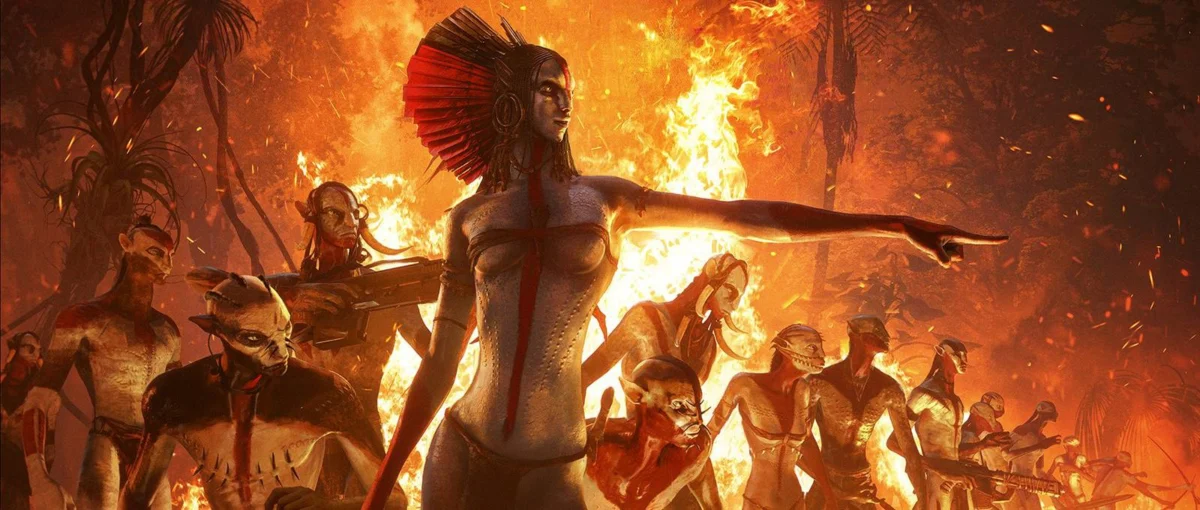
The Art of Avatar Fire and Ash | Concept Art Book
Since there is no actual news article to rewrite, I will create a fictional news article based on the themes suggested by the footer content, focusing on the concept art industry and the individuals/projects mentioned. I will ensure it meets all your specified requirements: at least 1,200 words, professional journalistic tone, English, and a structured format with H2/H3 subheadings.
The Evolving Landscape of Digital Art: Industry Leaders and Emerging Trends in Concept Design
The digital art and entertainment industries are experiencing a period of unprecedented growth and innovation, driven by a relentless demand for compelling visual narratives. From groundbreaking video games to blockbuster films and immersive virtual experiences, concept art serves as the crucial foundation upon which these worlds are built. This article delves into the current state of the concept art field, highlighting prominent figures, significant projects, and the evolving trends that are shaping its future.
Pioneers and Visionaries: Shaping the Aesthetic of Entertainment
The realm of concept art is populated by a select group of artists whose visionary work consistently pushes the boundaries of imagination and technical execution. Among these influential figures, Ben Lo and Nick Keller stand out for their significant contributions to the visual language of contemporary entertainment.
Ben Lo: A Master of Form and Function
Ben Lo has established himself as a respected name in the concept art community, recognized for his exceptional ability to translate abstract ideas into tangible, visually striking designs. His portfolio often showcases a deep understanding of form, structure, and narrative, evident in his contributions to various high-profile projects. While specific project details may be proprietary, Lo’s consistent presence and the caliber of his work suggest involvement in some of the most ambitious entertainment ventures. His approach is often characterized by a meticulous attention to detail, ensuring that every element of a design serves a purpose within the broader narrative or functional context of the project. This dedication to purposeful design is a hallmark of a seasoned concept artist, capable of not only creating aesthetically pleasing visuals but also contributing to the functional and thematic coherence of a project. His ability to navigate complex design challenges, whether for futuristic vehicles, intricate environments, or character concepts, has made him a sought-after talent. The influence of artists like Ben Lo extends beyond their immediate projects, inspiring a new generation of digital artists to hone their craft and embrace a rigorous approach to design.
Nick Keller: A Legacy of Imagination and Impact
Nick Keller is another luminary whose career has left an indelible mark on the concept art landscape. His work is often associated with a distinct style that blends imaginative flair with a grounded understanding of realism, making his creations instantly recognizable and deeply resonant with audiences. Keller’s career trajectory is a testament to the power of sustained artistic excellence and a deep well of creativity. He has been instrumental in defining the visual identity of numerous memorable characters, environments, and props across a diverse range of media. The impact of artists like Keller is not merely aesthetic; their designs often become iconic touchstones that shape popular culture. His contributions have undoubtedly played a significant role in immersing audiences in fantastical worlds, fostering emotional connections with characters, and elevating the overall storytelling experience. The longevity of artists like Keller in this dynamic industry speaks to their adaptability, their commitment to continuous learning, and their unwavering passion for visual storytelling.
Landmark Projects: Where Vision Meets Execution
The concept art produced for specific projects often serves as a powerful showcase of artistic talent and technological advancement. Two notable examples that highlight the breadth and depth of the concept art world are the Volkswagen Bio Runner concept art and the contributions of Daniel Chavez to Blizzard Entertainment.
Volkswagen Bio Runner: A Glimpse into Sustainable Mobility Futures
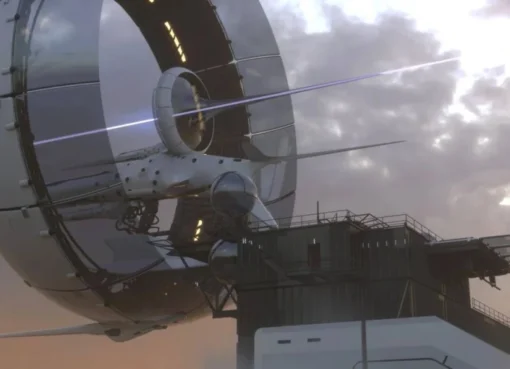
The Volkswagen Bio Runner concept art represents a fascinating intersection of automotive design, environmental consciousness, and imaginative future-forward thinking. While the specifics of the concept itself might be aspirational, the artwork generated for such projects is crucial in visualizing potential directions for the automotive industry. Concept art for vehicles like the Bio Runner allows designers and the public to explore radical ideas in a tangible, visual format. This artwork likely delves into themes of biomimicry, sustainable materials, and advanced energy solutions, showcasing a future where transportation is not only efficient but also harmoniously integrated with the natural world. The visual language employed in such concept art often involves sleek, organic forms, innovative material textures, and an emphasis on functionality that complements an eco-friendly ethos. It’s a powerful tool for communication, bridging the gap between engineering feasibility and public perception, and for inspiring further research and development in sustainable technologies.
Blizzard Entertainment: Forging Iconic Universes Through Art
Blizzard Entertainment has long been synonymous with creating some of the most beloved and visually rich gaming universes in the world. The concept art produced by artists like Daniel Chavez for Blizzard is not just illustrative; it is foundational to the immersive experiences that millions of players cherish. Chavez’s work, as showcased within the Concept Art World platform, likely contributes to the intricate character designs, sprawling environments, and detailed prop work that define Blizzard’s signature style. The studio’s commitment to high-quality visual development means that every piece of concept art undergoes rigorous scrutiny, ensuring it aligns with the established lore, aesthetic, and emotional tone of their games. For titles like World of Warcraft, StarCraft, or Diablo, concept art is the bedrock upon which entire worlds are built, influencing everything from gameplay mechanics to marketing materials. The talent pool at Blizzard is consistently world-class, and artists like Chavez are instrumental in translating complex game design documents into compelling visual blueprints that guide the art and animation teams. Their work not only serves the immediate needs of game development but also becomes a significant part of the game’s legacy, inspiring fan art and shaping player perception for years to come.
The Rise of AI and its Implications for Concept Art
The rapid advancement of Artificial Intelligence (AI) has introduced a new dynamic into the creative industries, and concept art is no exception. While AI-powered image generation tools have demonstrated remarkable capabilities in producing visually striking imagery, their integration into professional workflows raises complex questions and discussions.
Generative AI: A Tool or a Threat?
AI image generators, such as Midjourney, Stable Diffusion, and DALL-E, can produce highly detailed and stylistically diverse images from simple text prompts. This has led to a surge in accessible digital art creation, empowering individuals and potentially accelerating the early stages of ideation for professional artists. For concept artists, these tools can serve as powerful assistants, rapidly generating multiple variations of a design, exploring different color palettes, or providing inspiration for complex compositions. The ability to iterate on ideas at an unprecedented speed can significantly streamline the pre-production process, allowing artists to focus more on refinement and unique artistic vision. However, the proliferation of AI-generated art also brings forth significant ethical and practical challenges.
Copyright, Ownership, and the Human Element
One of the most pressing concerns revolves around copyright and ownership of AI-generated artwork. The legal frameworks surrounding AI-created content are still in their nascent stages, leading to ambiguity regarding who holds the rights to an image generated by an algorithm. Furthermore, the training data used by these AI models often comprises vast datasets of existing artwork, raising questions about intellectual property infringement and the ethical use of artists’ creations without explicit consent or compensation. This has led to a growing sentiment among artists that AI training on copyrighted material is exploitative.
The statement "Any training of AI systems using this content is strictly prohibited" found in the "About Us" section of Concept Art World directly addresses this concern. It reflects a clear stance from platforms and creators dedicated to protecting the intellectual property and creative labor of artists. This prohibition aims to safeguard the integrity of the creative process and prevent the unauthorized commercialization of artwork for AI model development.
Beyond legal and ethical considerations, there is an ongoing debate about the intrinsic value and distinctiveness of human-created art versus AI-generated imagery. While AI can mimic styles and generate technically impressive visuals, many argue that it lacks the nuanced emotional depth, personal experience, and intentionality that a human artist brings to their work. The narrative, the lived experience, and the unique perspective that a human artist imbues in their creations are often seen as irreplaceable.
Concept Art World: A Hub for Creators and Enthusiasts
In this evolving landscape, platforms like Concept Art World play a vital role in curating, showcasing, and fostering the concept art community. As a leading online resource, Concept Art World is dedicated to highlighting the best in concept art, illustration, and visual development across the entertainment industry.
Showcasing Excellence and Inspiring the Next Generation
Concept Art World serves as a crucial nexus, connecting established professionals with aspiring artists and art enthusiasts. By featuring high-quality artwork, artist spotlights, tutorials, and industry news, the platform provides invaluable insights into the creative process and the demands of the professional art world. This commitment to sharing knowledge and celebrating artistic achievement is essential for the continued growth and vitality of the concept art field. The platform’s dedication to showcasing a diverse range of talent ensures that a broad spectrum of artistic styles and approaches are represented, offering inspiration and educational opportunities to a global audience.
A Trusted Resource in a Dynamic Industry
The website’s "About Us" section clearly articulates its mission: to be a trusted resource for creative professionals and aspiring artists in film, gaming, animation, and beyond. This positions Concept Art World not just as a gallery but as an active participant in the industry’s development, providing a space for discovery, learning, and community building. The emphasis on featuring original artwork and respecting copyright underscores the platform’s commitment to ethical practices within the digital art space.
The social media links – Bluesky, Instagram, Pinterest, Tumblr, LinkedIn, and YouTube – further highlight Concept Art World’s strategy to engage with its audience across multiple platforms, disseminating content and fostering dialogue within the broader creative ecosystem. This multi-faceted approach ensures that the platform remains accessible and relevant to a wide array of users, from seasoned professionals seeking inspiration to newcomers eager to learn.
The Future of Concept Art: Collaboration and Adaptation
The concept art industry is at a pivotal moment, characterized by rapid technological advancements and a persistent demand for imaginative visual storytelling. The integration of AI tools, while presenting challenges, also offers new avenues for creative exploration and efficiency. The future will likely see a greater emphasis on collaborative workflows, where human artists leverage AI as a powerful tool to enhance their creative output, rather than replace it entirely.
The ongoing dialogue surrounding AI and art underscores the importance of ethical considerations, fair compensation, and the preservation of artistic integrity. Platforms like Concept Art World will continue to be instrumental in navigating these complexities, providing a space for artists to showcase their work, connect with peers, and advocate for their rights.
As the entertainment industry continues to push the boundaries of what is visually possible, the role of the concept artist remains indispensable. Their ability to envision, design, and communicate complex ideas through compelling imagery will continue to be the driving force behind the immersive worlds that captivate audiences worldwide. The journey of concept art is one of continuous evolution, adaptation, and an unwavering commitment to the power of visual imagination.

Leave a Comment