
The Art of Deception: How Animals Master the ‘Playing Dead’ Defense
Introduction: A Holiday Reflection on Nature’s Ingenuity
As the unofficial dawn of summer arrives with the Memorial Day holiday, it’s a time for reflection and, for some, the exciting, albeit chaotic, transition of life. In my own backyard, this season is marked by the relocation of six adult chickens and the burgeoning population of eleven five-week-old chicks, whose rapid growth necessitates a new coop. This personal observation of life’s constant evolution serves as a fitting preamble to exploring one of nature’s most fascinating and often misunderstood survival strategies: thanatosis, or playing dead. Far from a mere trick, this remarkable behavior, also known as tonic immobility, is a sophisticated defense mechanism employed by an astonishing array of species, from the humble grasshopper to the apex predator. This article delves into the diverse applications and evolutionary marvels of playing dead across the animal kingdom.
Thanatosis: The Ultimate Survival Tactic
Thanatosis, derived from the Greek word "thanatos" meaning death, is a state of profound behavioral inhibition characterized by immobility and unresponsiveness. While appearing lifeless, the animal often remains consciously aware of its surroundings. This involuntary or voluntary response is triggered when an organism perceives an imminent threat that cannot be evaded through flight or aggression. It’s a last resort, a gamble that the predator will lose interest in an apparently dead meal or, in some cases, be tricked into a false sense of security.
The underlying biological mechanisms of thanatosis are complex and still under investigation. It is believed to involve a coordinated neurological response that suppresses motor functions and can induce physiological changes, such as slowed heart rate and respiration, mimicking actual death. This remarkable ability highlights the intricate adaptations that have evolved to ensure survival in a world fraught with peril.
The Opossum’s Signature Performance
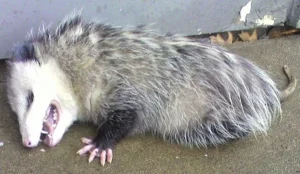
When the term "playing dead" is uttered, the Virginia opossum immediately springs to mind. These marsupials, native to North America, are arguably the most iconic practitioners of thanatosis. Faced with a predator, the opossum doesn’t just passively collapse; it orchestrates a dramatic performance. It will contort its body, roll onto its back, emit a foul-smelling fluid from its anal glands, drool excessively, and even bare its teeth. This elaborate display is designed to convince the attacker that the opossum is not only dead but also potentially diseased or poisonous, making it an unappealing meal.
It’s crucial for observers to understand that this is a sophisticated defense, not a sign of distress from illness like rabies, although its appearance can be alarming. For humans encountering an opossum in this state, it’s a testament to the animal’s evolutionary prowess in escaping mortal danger.
Beyond the Opossum: A Diverse Repertoire
While the opossum’s act is legendary, the strategy of playing dead is far more widespread, employed by creatures across vastly different taxa and environments.
Reptilian Ruses
Texas Indigo Snakes: These non-venomous, non-constricting serpents, found throughout Texas, possess a unique approach. When threatened, they will coil loosely, become immobile, and slacken their jaws. If physically handled, they will contort their bodies to remain belly-down but otherwise maintain their stillness, a subtle yet effective way to deter potential aggressors. Their immunity to rattlesnake venom, coupled with their ability to swallow prey head-first, makes them formidable, yet they still rely on this passive defense when overwhelmed.
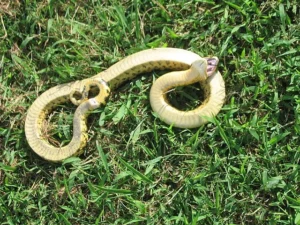
Hognose Snakes: These snakes, found globally with variations like the eastern hognose in the United States, are masters of dramatic deception. Their performance begins with violent writhing, often accompanied by the expulsion of a foul odor. This is followed by a complete collapse onto their backs, mouths agape, remaining utterly still even when prodded or handled. This elaborate charade is a highly effective deterrent, making them appear as unappetizing as possible.
Avian Deception
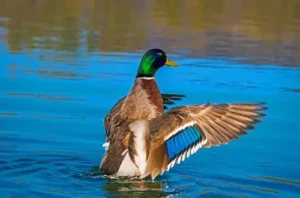
Ducks: Many duck species have been observed to employ thanatosis when confronted by predators. Researchers have documented a significant percentage of wild ducks playing dead when exposed to threats like captive red foxes. This sudden immobility can create a crucial window of opportunity. If the predator lowers its guard, mistaking the duck for dead, the duck may seize the moment to escape. In some instances, ducks have allowed themselves to be carried back to a predator’s den before making their bid for freedom.

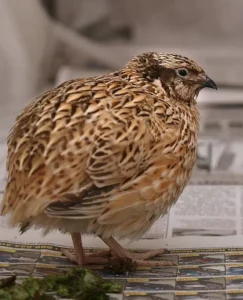
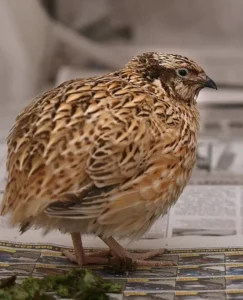
Japanese Quail: Similar to ducks, Japanese quail utilize playing dead as a defense against predators such as cats. This allows them to wait for an opportune moment to escape. Their stillness can be so convincing that even when sleeping, they can sometimes alarm their owners by appearing lifeless.
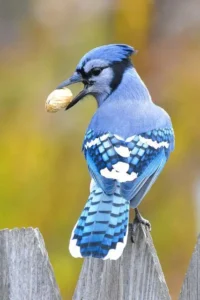
Blue Jays: These intelligent birds exhibit a peculiar form of playing dead. They may slump down motionlessly or sprawl out with wings spread and heads flopped to the side. While some ornithologists theorize this could be a form of sunbathing, it’s also a recognized defense against predators like cats and hawks. Their ability to suddenly spring back to life after feigning death often surprises observers.
Aquatic Evasions
Lemon Sharks: Even apex predators, like the lemon shark, employ tonic immobility. When inverted, these sharks not only play dead but exhibit labored breathing and tremors. This is particularly intriguing given their position in the food chain. They often rest on the ocean floor, allowing smaller fish to clean parasites from their bodies, demonstrating a remarkable ability to remain still. Their use of tonic immobility, despite limited natural predators, suggests a deeply ingrained survival instinct.
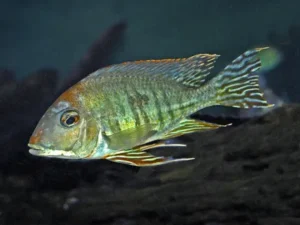
Central America Cichlid: In the aquatic realm, playing dead can be a predatory tactic. The Central American cichlid uses its intricate markings to resemble a decaying fish. This lures scavengers, which then become the cichlid’s prey. This unique application of feigned death highlights the diverse evolutionary pressures that shape animal behavior.
Insectoid Ingenuity
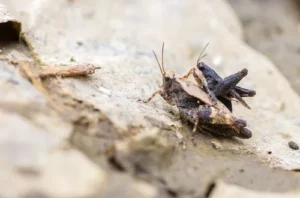
Pygmy Grasshopper: Native to Japan, the pygmy grasshopper displays a unique and highly effective version of playing dead. When threatened by predators like frogs, they not only freeze but also stiffen their legs and spread them outwards in all directions. This "death stance" makes them incredibly difficult for a frog to swallow, often prompting the predator to seek easier prey.
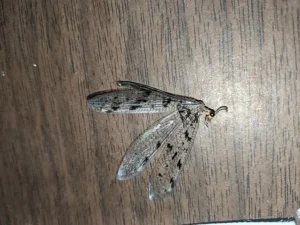
Antlions (Doodlebugs): These aggressive insects are not only formidable predators in their larval stage but also skilled actors. When threatened by larger animals such as eagles or snakes, the antlion closes its wings and goes limp. The species Euroleon nostras has been recorded playing dead for an astonishing 61 minutes, a testament to their dedication to survival. These larvae need to consume enough to sustain their adult form, as they do not eat after metamorphosis.
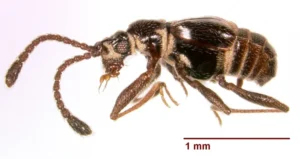
Pselaphinae Beetles: These beetles employ tonic immobility as a predatory strategy. They allow ants to carry them away to their nests. Once inside, they "come back to life" and feed on ant larvae, which constitute the majority of their diet. This clever manipulation of social insects is a remarkable adaptation.
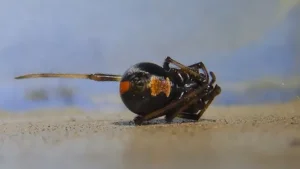
Black Widow Spiders: Known for their potent venom, black widow spiders often resort to playing dead when threatened. They curl into a ball and may even use silk to aid their movement or camouflage, a surprisingly passive approach for such a formidable creature.
Redback Spiders: Closely related to the black widow, the redback spider also utilizes tonic immobility when sensing danger outside its web. They curl into a ball and freeze until the threat has passed, showcasing a more docile response to immediate peril.
Mammalian Masquerade
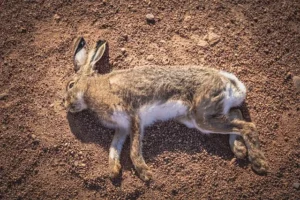
Rabbits: Both wild and domesticated rabbits are prey animals, making playing dead a crucial survival mechanism. When escape is not an option, they enter a state of tonic immobility. It’s important to note that flipping a rabbit onto its back, often mistaken for hypnosis, is actually a stress response that can be detrimental to their cardiovascular system.
Farm Animals: Animals like cows, goats, and pigs can enter a trancelike state for several minutes, a form of playing dead that differs from the sudden collapse seen in other species.
The Darker Side: Avoiding Sexual Cannibalism
While most instances of playing dead are a defense against predators, some species have evolved this strategy to navigate the perilous landscape of reproduction. Sexual cannibalism, where one partner consumes the other before, during, or after mating, is a surprisingly common phenomenon.
Courtship Games and Feigned Demise
Nursery Web Spiders: The male nursery web spider presents a female with an insect as a courtship offering. If she accepts and feeds, mating can proceed. However, if she rejects the offering, the male will feign death. He will only revive if she begins to feed or if she leaves, demonstrating a high-stakes gamble for survival and procreation.
Praying Mantis: Male praying mantises face a significant risk from their larger, predatory females. To avoid being eaten after mating, the male will play dead. He will remain immobile until the female loses interest and departs, ensuring his survival to mate another day.

Dragonflies: Female dragonflies employ a unique form of playing dead to avoid unwanted mating. When a suitor approaches, she will deliberately crash to the ground and feign death. She will only resume flight once the potential mate has left. This is a critical strategy, as dragonflies only need to mate once to fertilize all their eggs, and subsequent matings can be detrimental to their reproductive organs.
The Human Element: Playing Dead in Our Own Species
Even humans, at the pinnacle of the animal kingdom, can resort to playing dead. Accounts from true crime and historical narratives abound with instances of victims who have survived by feigning death when escape or resistance was impossible. Thanatosis in humans is understood as an innate defense mechanism that activates when fight or flight responses are exhausted. It involves a state of immobility and unresponsiveness while maintaining awareness. Intriguingly, elements of this state are observed in certain sleep phenomena, such as lucid dreaming and cataplexy, and are also reported in near-death experiences.
Conclusion: Nature’s Enduring Masterclass
The diverse applications of thanatosis across the animal kingdom offer a profound glimpse into the ingenuity and adaptability of life. From the dramatic performances of opossums to the subtle deceptions of insects and the life-saving ruses in reproduction, playing dead is a testament to the power of evolution. As we continue to observe and study these behaviors, we gain a deeper appreciation for the intricate strategies that nature employs to ensure the continuation of life, reminding us that even in apparent stillness, there is often a vibrant struggle for survival. Mother Nature, in her infinite wisdom, continues to astound us with her remarkable creations and their extraordinary adaptations.




Leave a Comment