The Art of Observation: How ‘Nippets: A Hidden Object Game’ Redefines the Cozy Genre
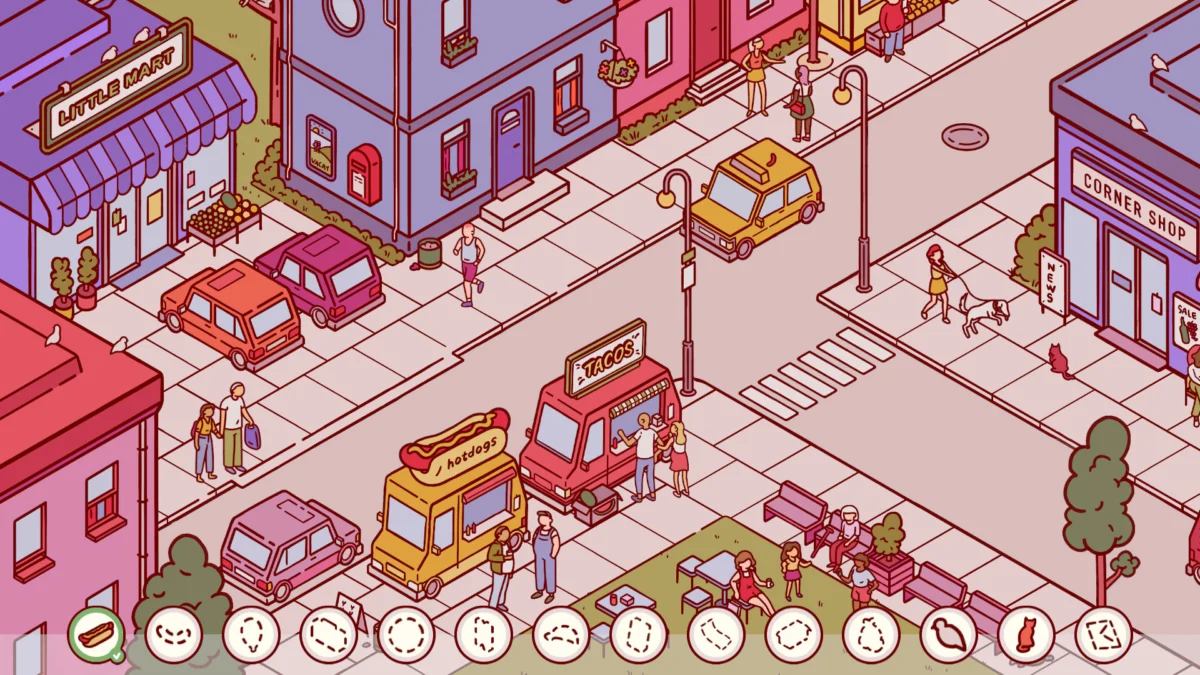
In an era of high-octane battle royales and demanding soulslikes, a quiet revolution is taking place within the indie gaming sphere. It is a movement defined by "coziness"—a design philosophy that prioritizes relaxation, emotional resonance, and low-stress engagement. At the forefront of this movement’s latest wave is Nippets: A Hidden Object Game, a title that transcends the traditional "point-and-click" hunt for clutter to offer a sophisticated, narrative-driven experience centered on the human condition. Developed through a collaboration involving Vatnisse Interactive and Blink Industries, Nippets invites players to slow down, look closer, and rediscover the joy of people-watching.
Main Facts: The Core of the Nippets Experience
Released on April 7th across major indie platforms including Steam and itch.io, Nippets presents itself as more than just a puzzle game; it is a digital diorama. Unlike traditional hidden object games (HOGs) that often overwhelm the player with a static list of unrelated items, Nippets grounds its mechanics in "micro-stories."
The game’s primary hook is the concept of digital voyeurism—specifically, the benign and empathetic act of observing strangers in their natural habitats. Players are presented with sprawling, interactive scenes that shift through the four seasons. Each season acts as a living map, populated by dozens of characters, each engaged in their own unique routines.
The core objective is to assist these characters by finding lost or necessary objects. However, the game eschews the "timer" mechanic entirely. There is no penalty for lingering, no "game over" screen, and no pressure to perform. This lack of urgency is a deliberate design choice, positioning Nippets as a tool for mindfulness as much as a piece of entertainment.
Chronology: From Seasonal Shifts to Narrative Completion
The player’s journey through Nippets is structured chronologically through the lens of the seasons, providing a natural progression that mirrors the passage of time in the real world.
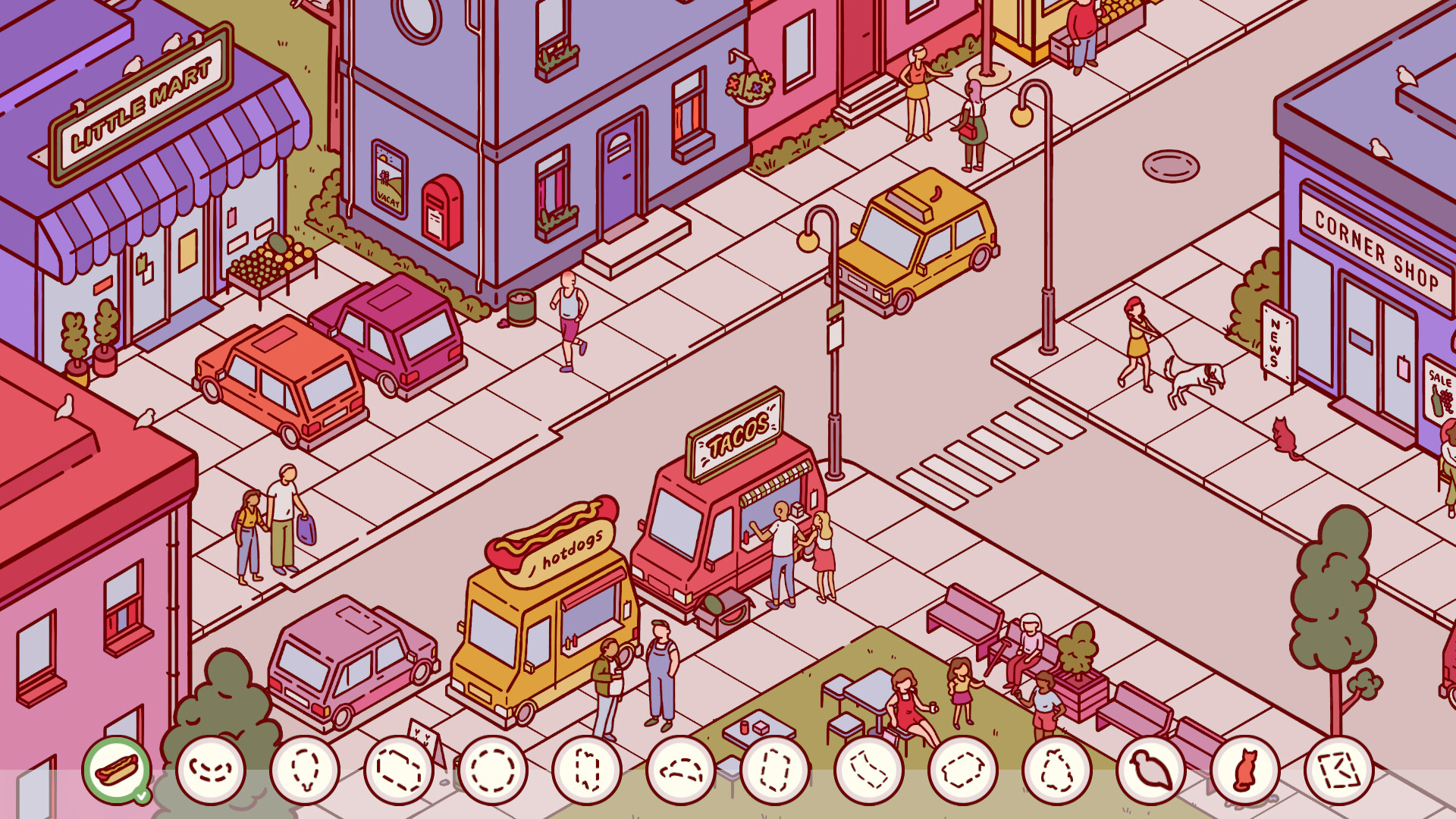
- The Seasonal Map Overview: Upon entering a new season—be it the vibrant greens of Spring or the amber hues of Autumn—the player is greeted with a wide-angle view of a bustling environment. At the bottom of the interface, a tray of silhouettes serves as the primary guide. These are the "missing pieces" of the world’s current stories.
- The Discovery of Clues: Tapping on a silhouette does not simply highlight an area; it reveals a snippet of text. This text acts as a narrative clue, explaining why the object is needed. For example, a player might learn about an elderly man attempting to fix a birdhouse, providing both a hint (look near trees) and an emotional motivation (help the man finish his project).
- The Multi-Stage Assembly: Unlike older HOGs where a single click resolves a task, Nippets often requires the assembly of complex items. Finding a single wooden plank is only the beginning; the player must gather all the components to complete the object. As each piece is found, the story evolves, providing incremental updates on the character’s progress.
- The Final Resolution: Once an object is fully assembled, the player receives a final clue regarding its placement. Returning the item to its rightful owner triggers a concluding "mini-story" beat, offering a sense of closure and satisfaction that goes beyond a mere score increase.
- The Meta-Progression: As players complete these vignettes, they earn awards and photographs. These are not merely digital trophies; they are physicalized within the game’s meta-interface—a giant, interactive refrigerator where players can organize their achievements and revisit the memories of the worlds they have helped.
Supporting Data: Mechanics and Environmental Storytelling
The depth of Nippets lies in its technical polish and the layers of interactivity embedded within its hand-drawn environments. The developers have moved beyond the "flat" plane of traditional hidden object games by introducing verticality and interior spaces.
Interactive Layers and Interiority
The game features a "nesting" design. A scene is rarely just what appears on the surface. Players can interact with the architecture of the world—pulling open doors, using keys to unlock chests, or sliding windows aside. Furthermore, many buildings contain entire sub-zones. By looking for conversation bubbles or open doorways, players can transition from a street-level view into specialized locations like a bustling arcade or a cozy cabin. These interior scenes provide a change of pace and a more intimate look at the characters’ lives.
Tactile Engagement
Nippets rewards curiosity through "non-essential" interactions. The game world is highly reactive:
- The "Poke" Mechanic: Players can tap on almost any person or animal, eliciting a unique reaction or animation.
- Environmental Maintenance: Small tasks, such as straightening a crooked picture frame or clearing debris, are scattered throughout the maps. While these may not always be tied to a primary "micro-story," they often lead to hidden achievements.
- Atmospheric Polish: The game utilizes a soft color palette and ambient soundscapes that change with the seasons—the crackle of a campfire in Autumn, the chirping of birds in Spring—further immersing the player in the role of the silent observer.
Official Responses: The Developer Vision
While the developers at Vatnisse Interactive and Blink Industries have focused on a "show, don’t tell" approach to their marketing, the design of Nippets speaks to a specific vision of modern gaming. In various devlogs and community interactions, the emphasis has remained on "intentionality."
The developers have noted that the inspiration for the game came from the universal human experience of "people-watching" at a park or a cafe. They sought to capture the feeling of wonder that comes from realizing that every stranger in a crowd has a life as complex and "real" as one’s own—a concept often referred to as sonder.
By removing the timer, the developers intentionally subverted the "anxiety-driven" loops common in mobile gaming. Their goal was to create a "digital sanctuary"—a space where the player’s primary reward is the visual and emotional payoff of seeing a small problem solved for a digital neighbor. This philosophy aligns with the "Wholesome Games" movement, which advocates for kindness, empathy, and comfort in game design.

Implications: The Future of the Hidden Object Genre
The success and critical reception of Nippets carry significant implications for the future of the puzzle genre. For years, hidden object games were relegated to the "casual" bin, often associated with low-budget production and repetitive gameplay. Nippets proves that there is a hunger for high-fidelity, artistic, and narrative-heavy HOGs.
The Shift Toward Narrative Puzzles
The game demonstrates that "finding an object" is a more powerful mechanic when it is tied to "solving a life." This shift from mechanical tasks to narrative goals suggests that future puzzle games may lean more heavily into environmental storytelling. We are seeing a move away from abstract logic puzzles toward "lived-in" puzzles.
Accessibility and Inclusivity
Because Nippets does not require fast reflexes or complex control schemes, it serves as an entry point for non-traditional gamers. Its success highlights a growing market of players who view gaming as a form of relaxation or a "cozy hobby" rather than a competitive sport.
Digital Preservation of the Mundane
In a broader cultural sense, Nippets acts as a celebration of the mundane. By turning the act of building a snowman or fixing a birdhouse into a heroic feat for the player, the game validates the small, quiet moments of life. As the gaming industry continues to evolve, Nippets stands as a reminder that sometimes the most engaging worlds aren’t the ones we have to save from an apocalypse, but the ones we simply have to watch, understand, and help flourish, one small object at a time.
Nippets: A Hidden Object Game is currently available for purchase on Steam and itch.io, marking a significant milestone for developers Vatnisse Interactive and Blink Industries in their quest to perfect the art of the cozy puzzle.