
The Corporate Lens on Creativity: A Critical Analysis of ‘Super Visible: The Story of the Women of Marvel’
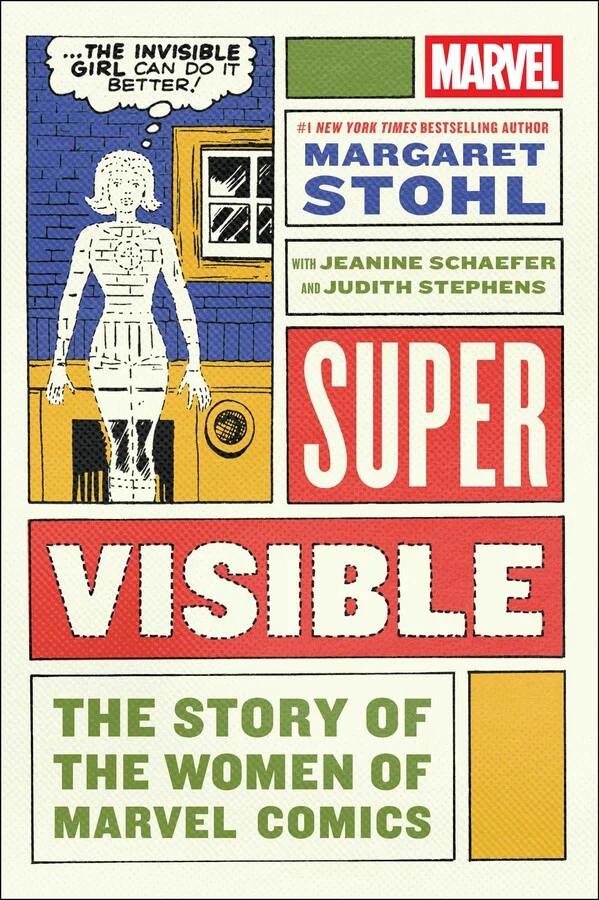
The history of American comic books has long been framed through the lens of the "Great Men" theory—a narrative dominated by figures like Stan Lee, Jack Kirby, and Steve Ditko. However, as the cultural footprint of the Marvel Cinematic Universe (MCU) has expanded, so too has the appetite for a more inclusive history of the "House of Ideas." The recently released Super Visible: The Story of the Women of Marvel, authored by Margaret Stohl, Jeanine Schafer, and Judith Stephens, attempts to fill this historical void.
Yet, as with any history commissioned and endorsed by the subject itself, Super Visible raises a fundamental question: Is this a definitive historical record, or a sophisticated piece of corporate hagiography? By examining the book’s content, its chronological structure, and its notable omissions, we can better understand how Marvel chooses to curate its own legacy.
Main Facts: An Insider’s Perspective
Super Visible is not an independent academic study. It is an officially sanctioned Marvel project, written by three women with deep ties to the company. Margaret Stohl is a prolific Marvel writer (Captain Marvel, The Life of Captain Marvel); Jeanine Schafer is a former editor; and Judith Stephens has served as a producer for Marvel’s digital media. This "insider" status grants the authors unparalleled access to the Marvel archives and over 100 interview subjects, ranging from legendary Silver Age staffers to modern-day executives.
Visually, the book is a triumph of graphic design. Unlike dry university press surveys, Super Visible is a vibrant, coffee-table-style volume filled with high-resolution archival art, sketches, and photographs. However, the lack of traditional scholarly apparatus—such as footnotes, endnotes, or a comprehensive index—suggests that its intended audience is the dedicated fan (the "Merry Marvel Marching Society") rather than the historian.
The core of the book lies in its interviews. By gathering testimonies from a century’s worth of contributors, the authors attempt to map the evolution of the female experience within a historically male-dominated industry. From the "Bullpen" era of the 1960s to the corporate boardroom of the 2020s, the book seeks to highlight the women who were, in the authors’ view, "super visible" all along, even if the public record suggests otherwise.
Chronology: From the Bullpen to the Boardroom
The narrative of Super Visible follows a traditional chronological path, divided into eras that mirror the broader history of the comic book industry.
The Silver and Bronze Ages: The Pioneers
The book finds its strongest footing when detailing the early days of the Marvel Bullpen. It offers winsome, often touching anecdotes about "Mirthful" Marie Severin, an artist and colorist whose versatility was foundational to the Marvel look, and "Fabulous" Flo Steinberg, Stan Lee’s legendary assistant who managed the chaotic fan culture of the 1960s. These sections capture the "spirited" atmosphere of a small office where women were essential to the day-to-day operations, even if they weren’t always credited as primary architects of the mythos.
As the chronology moves into the 1970s and 80s, the focus shifts to creative breakthroughs. The book highlights Jo Duffy’s editorial and writing work, and Annie Nocenti’s influential run on Daredevil, which brought a gritty, socially conscious edge to the Man Without Fear. These chapters effectively illustrate how women began to move from administrative roles into the "driver’s seat" of flagship titles.
The 1990s: The Multimedia Expansion
A significant portion of the mid-section is dedicated to the expansion of Marvel into other media. One of the most compelling narratives is that of Margaret Loesch, the president of Fox Kids, who fought an uphill battle to bring X-Men: The Animated Series to television. Her story serves as a crucial reminder that the "Marvel brand" was often saved and promoted by women working in animation and licensing during the company’s leanest years.
The Modern Era: Diversity and the MCU
The final third of the book focuses on the "Diversity Wave" of the last decade. It celebrates the success of characters like Kamala Khan (Ms. Marvel) and the commercial juggernaut of the Captain Marvel film. Here, the book transitions from a history of individuals to a celebration of brand strategy, emphasizing Marvel’s commitment to representation in the 21st century.
Supporting Data: Factual Discrepancies and "Corporate Spin"
While the breadth of interviews is impressive, a closer look at the "data" presented in Super Visible reveals a troubling pattern of factual errors and historical revisionism. For a book positioned as a definitive history, these lapses undermine its credibility.
Factual Errors
Reviewers and historians have noted several glaring inaccuracies. For instance:
- Captain Marvel’s Lineage: The book refers to Carol Danvers as a "spin-off of a character who goes all the way back to the 1940s." This is factually incorrect; the original Captain Marvel (Billy Batson) was a Fawcett Comics character, and Marvel’s version (Mar-Vell) did not debut until 1967.
- Identity Confusion: In a paragraph discussing Carol Danvers’ obscurity, the authors cite her "star turn in the cult favorite NextWave." However, the character in Warren Ellis and Stuart Immonen’s NextWave was actually Monica Rambeau, not Carol Danvers.
- Creative Credits: The relaunch of the X-Men in the 1970s is credited primarily to Chris Claremont, glossing over the fact that Len Wein was the writer of the seminal Giant-Size X-Men #1.
The "Noble Motive" Narrative
Beyond factual errors, the book consistently applies a "noble" gloss to what were often mercenary business decisions. Super Visible frames the creation of the international X-Men team as a stand against American xenophobia. In contrast, historical accounts from figures like Roy Thomas suggest a more pragmatic motivation: targeting specific international markets to increase overseas sales.
Similarly, the launch of 1970s titles like Night Nurse and Claws of the Cat is framed as a response to readers’ "deeply felt needs" for feminism. It omits the more complicated reality, such as artist Wally Wood’s original "naked" sketches for Claws of the Cat (which Marie Severin had to censor) or the fact that the character was quickly relegated to a sidekick role after her solo title failed.
Official Responses and Industry Context
Marvel’s endorsement of Super Visible places it in the same category as Disney’s recent documentary on Stan Lee—a product designed to protect the brand’s image. In the modern entertainment landscape, multinational corporations are increasingly protective of their IP history.
By presenting a history that "always smiles," Marvel avoids the messier aspects of the industry’s past. The authors take a "clueless old man" approach to sexism—exemplified by an anecdote where Will Eisner couldn’t fathom a woman wanting to draw comics—rather than addressing the systemic and often predatory nature of the industry.
There is a conspicuous absence of any mention of the "ComicsGate" movement or the coordinated online harassment campaigns that have targeted female creators like Kelly Sue DeConnick or Heather Antos. By failing to name these "villains," the book creates a vacuum where progress seems inevitable and frictionless, rather than a hard-fought battle against active opposition.
Implications: The Danger of Sanitized History
The implications of Super Visible extend beyond the world of comic books. As entertainment conglomerates become the primary archivists of their own history, the line between "history" and "marketing" continues to blur.
The Erasure of Conflict
A history without conflict is not a history; it is a brochure. By sanitizing the struggles of the women it purports to celebrate, Super Visible inadvertently diminishes their achievements. The triumph of a woman succeeding in the 1970s comic industry is only meaningful when understood against the backdrop of the genuine hostility and systemic barriers she faced. When those barriers are "glossed over," the narrative loses its emotional and historical weight.
The Future of Comic Scholarship
For scholars of comic book history, Super Visible serves as a cautionary tale. While it is a valuable resource for primary source interviews and high-quality imagery, it cannot be relied upon as an objective record. It represents the "official" version of events—the story Marvel wants to tell about itself.
Ultimately, Super Visible is a book for the converted. It offers a colorful, optimistic, and deeply biased look at the women of Marvel. For those looking to understand the true, unvarnished history of women in comics, this volume should be treated as a starting point—a glossy surface that requires significant digging to find the complex, often difficult truths lying beneath the "super visible" exterior.



Leave a Comment