
The Walking Dead: Surrounded – A Pocket-Sized Apocalypse Arrives
Main Facts
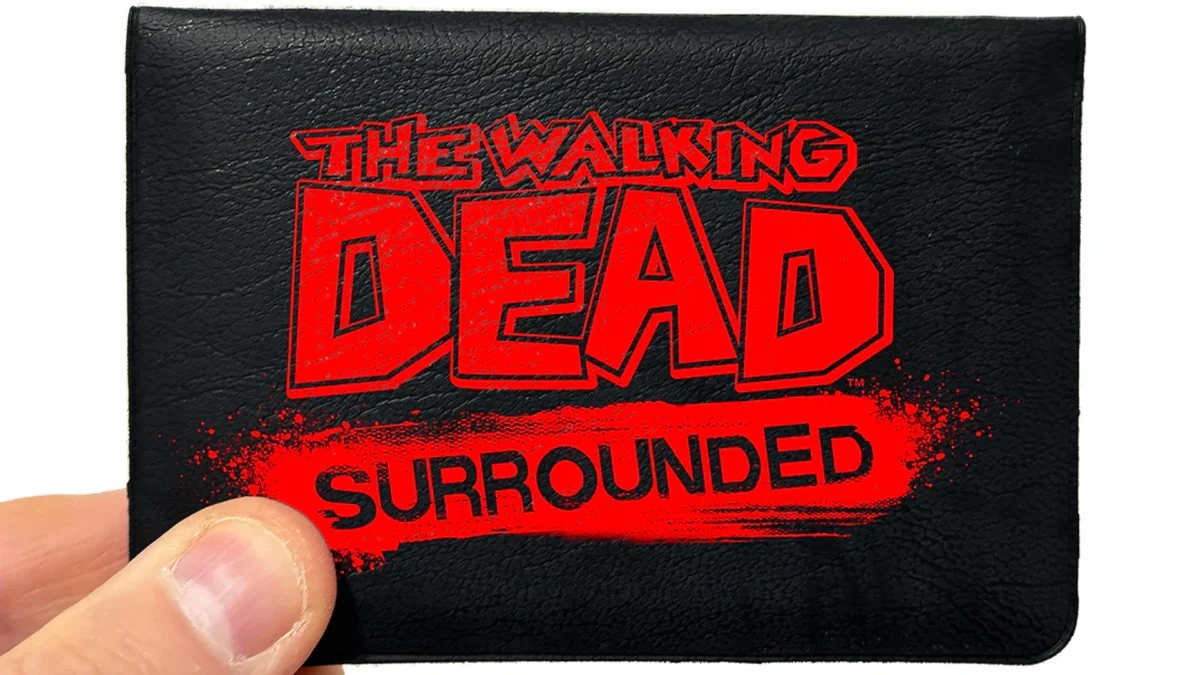
The sprawling, blood-soaked world of Robert Kirkman’s The Walking Dead has found a surprising new home: your pocket. Button Shy Games, in collaboration with Skybound Entertainment, has unleashed The Walking Dead: Surrounded, a compact yet intensely thematic cooperative card game that distills the essence of post-apocalyptic survival into a mere handful of cards. Designed for one to four players, this innovative "wallet game" challenges participants to band together, scavenge vital resources, recruit allies, and outmaneuver relentless hordes of Walkers in a constantly evolving landscape. Priced at an accessible £10 ($12), with an expansion "Under Siege" available for an additional £4 ($5), Surrounded offers an immediate and portable entry point into one of the most iconic zombie narratives of our time.
This latest iteration of The Walking Dead experience is a testament to the franchise’s enduring appeal and the burgeoning popularity of minimalist tabletop gaming. Players will navigate a dynamic map, represented by a grid of location tiles, each holding the promise of desperately needed supplies or the terrifying threat of the undead. Success hinges on strategic decision-making, efficient resource management, and the careful deployment of recruited survivors and powerful leaders, whose unique abilities can spell the difference between life and a gruesome demise. As Walkers inevitably spread across the map, the tension mounts, forcing players to confront the harsh realities of a world overrun by the reanimated dead. The Walking Dead: Surrounded is more than just a game; it’s a portable survival narrative, ready to unfold wherever and whenever players dare to face the apocalypse.
Chronology
The Genesis of a Phenomenon: From Page to Screen
The saga of The Walking Dead began not with shambling corpses on a television screen, but with the stark black-and-white panels of a comic book. In October 2003, writer Robert Kirkman and artist Tony Moore (later replaced by Charlie Adlard) launched The Walking Dead comic book series through Image Comics. From its inception, the series distinguished itself from typical zombie fare by placing a profound emphasis on the human element. While the undead served as a constant, looming threat, the true horror often stemmed from the moral compromises, internecine conflicts, and the psychological toll exacted on the survivors. The narrative followed Rick Grimes, a sheriff’s deputy who awakens from a coma to find the world irrevocably altered, leading a group of disparate individuals in a desperate search for sanctuary and meaning. The comic’s raw emotional depth, unpredictable plot twists, and unflinching portrayal of humanity’s darkest impulses quickly garnered a devoted following, earning critical acclaim and numerous industry awards. It ran for an impressive 193 issues, concluding in July 2019, leaving an indelible mark on the horror genre.
The comic’s undeniable success paved the way for its monumental leap to the small screen. In 2010, AMC premiered The Walking Dead television series, adapted by Frank Darabont. The show became an immediate cultural phenomenon, shattering cable ratings records and bringing Kirkman’s gritty vision to a global audience. The series faithfully, yet often independently, explored the themes of survival, leadership, and the fragile nature of civilization. Its visceral action, compelling character arcs, and suspenseful storytelling captivated millions, solidifying zombies as a mainstream entertainment staple. The flagship series concluded in 2022 after eleven seasons, but its universe continued to expand rapidly.
The success of the primary television series spawned a robust slate of spin-offs, further enriching and diversifying the Walking Dead universe. Fear the Walking Dead, which premiered in 2015, explored the initial days of the apocalypse, offering a different perspective on the societal breakdown. Later spin-offs like The Walking Dead: World Beyond delved into a new generation of survivors and introduced the mysterious Civic Republic Military. More recently, character-focused limited series such as The Walking Dead: Dead City (featuring Maggie and Negan) and the upcoming The Walking Dead: Daryl Dixon and the Rick and Michonne series, aim to revisit beloved characters and explore new corners of the ravaged world. This continuous expansion underscores the franchise’s remarkable adaptability and its ability to maintain audience engagement through evolving narratives and character focuses.
Digital Horrors: The Walking Dead in Video Games
Beyond the pages and screens, The Walking Dead also carved out a significant niche in the realm of video games, proving the adaptability of its narrative framework to interactive mediums. Perhaps the most celebrated of these adaptations was Telltale Games’ episodic adventure series, which began with The Walking Dead: Season One in 2012. Telltale’s unique approach prioritized player choice and narrative consequence, placing players in the shoes of new characters like Lee Everett and Clementine, whose emotional journeys resonated deeply with fans. The series masterfully captured the moral ambiguity and difficult decisions inherent in the Walking Dead universe, earning widespread critical acclaim for its storytelling, character development, and profound impact on the adventure game genre. Its success led to multiple seasons and spin-offs, cementing its legacy as a benchmark for narrative-driven gaming.
Other video game adaptations have also explored different facets of the apocalypse. Overkill Software’s Overkill’s The Walking Dead offered a co-op first-person shooter experience, while The Walking Dead: Saints & Sinners delivered a highly immersive virtual reality survival horror game, allowing players to physically interact with the dangers of New Orleans. These diverse digital offerings demonstrate the franchise’s versatility, capable of inspiring everything from poignant, choice-driven narratives to intense, action-packed survival simulations, each contributing to the expansive lore and ongoing cultural footprint of The Walking Dead.
Tabletop Takes a Bite: Previous Board Game Iterations
While The Walking Dead: Surrounded is the latest entry, the franchise has a history of tabletop adaptations, each attempting to capture the series’ unique blend of horror and human drama. Games like The Walking Dead: The Board Game (2011) offered early fans a chance to role-play in the comic’s universe, focusing on resource gathering and survival. Later, Gale Force Nine’s The Walking Dead: All Out War miniature skirmish game (2016) provided a tactical, competitive experience, allowing players to recreate battles between rival survivor groups and Walker hordes using detailed miniatures. This game, in particular, leaned into the confrontational aspects of the comic, offering a more direct combat simulation. Similarly, the immensely popular Zombicide series, known for its cooperative zombie-slaying action, released Zombicide: The Walking Dead versions, integrating familiar characters and scenarios into its established system.
These previous tabletop ventures highlight the franchise’s appeal across various game genres and mechanics. They demonstrate a consistent effort to translate the tension, moral dilemmas, and visceral action of The Walking Dead into interactive formats. However, Surrounded marks a distinct departure, opting for a minimalist "wallet game" design that prioritizes portability and quick, accessible play, offering a fresh perspective on how the apocalypse can be experienced at the gaming table.
A New Chapter: The Arrival of "Surrounded"
The Walking Dead: Surrounded emerges as a pivotal new chapter in the franchise’s extensive history, specifically within the realm of tabletop gaming. Announced and released by Button Shy Games in collaboration with Skybound Entertainment, this title distinguishes itself by embracing the "wallet game" format – a design philosophy that champions compactness and portability. Rather than aiming for grand scale or intricate miniatures, Surrounded focuses on delivering a compelling narrative and strategic depth through a limited number of cards that can fit into a small pouch.
This strategic choice positions Surrounded not as a replacement for its larger, more complex predecessors, but as an innovative addition that broadens the franchise’s accessibility. It caters to a different audience: those seeking a quick, engaging game to play on the go, or a more focused, intense survival experience that strips away extraneous components to highlight core decision-making. Its cooperative nature for one to four players reinforces the theme of communal survival, a cornerstone of The Walking Dead ethos, allowing players to confront the horrors of the apocalypse together, in a format that is both novel and highly effective.
Supporting Data
The "Wallet Game" Revolution: Button Shy Games’ Niche
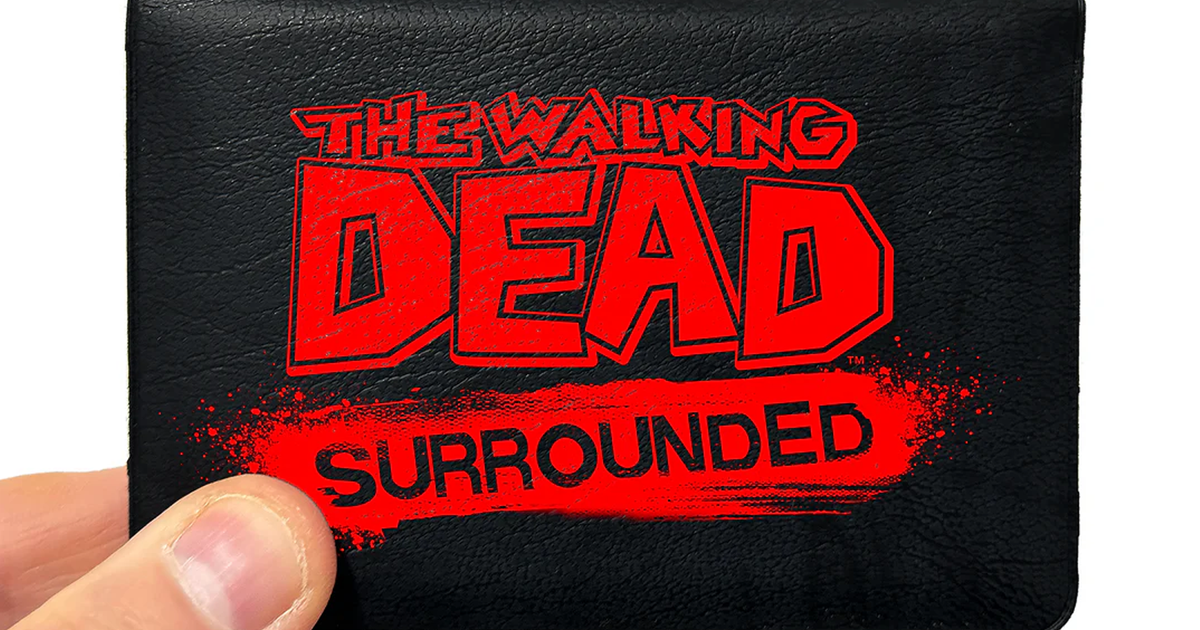
Button Shy Games has carved out a unique and highly successful niche in the tabletop industry with its distinctive "wallet games." This design philosophy centers on creating complete, engaging game experiences using only a handful of cards—typically 18 cards or fewer—and fitting them into a small, durable wallet. The genius of this approach lies in its ability to condense complex strategic choices and rich thematic elements into an incredibly portable and affordable package.
The benefits of the wallet game format are manifold. First and foremost is portability: these games are designed to be carried anywhere, making them ideal for travel, lunch breaks, or impromptu gaming sessions. This accessibility significantly lowers the barrier to entry, as they require minimal setup time and table space. Secondly, cost-effectiveness: by minimizing components, Button Shy Games can offer their titles at highly competitive prices, making them attractive to both seasoned gamers and newcomers. Finally, the design constraint itself often fosters immense creativity. Designers are challenged to maximize gameplay depth and thematic immersion with limited tools, leading to elegant and often surprisingly deep mechanics.
Button Shy Games has a proven track record with critically acclaimed titles that embody this philosophy. Sprawlopolis, a cooperative city-building game, and Circle the Wagons, a competitive tile-laying game, are prime examples of how much strategic depth can be packed into 18 cards. Agropolis further extended this concept into a farming theme. These games demonstrate that small doesn’t mean simple; rather, it often means refined and focused. For The Walking Dead: Surrounded, this format aligns perfectly with the franchise’s themes of scarcity, resourcefulness, and desperate survival in a constrained environment. The limited components mirror the limited options and resources available to survivors in the apocalypse, enhancing the thematic immersion.
Deep Dive into "Surrounded" Mechanics
The Walking Dead: Surrounded masterfully translates the franchise’s core struggles into engaging gameplay mechanics within its minimalist framework. The game is a cooperative experience where players unite to navigate a treacherous landscape and overcome the undead threat.
The central mechanic revolves around exploration and map building. Players begin with a limited view of their surroundings. As they play, they will draw and place "map tiles" to expand their playable area. Each tile represents a new location, some offering crucial safe havens or resource caches, while others harbor immediate dangers. This tile-laying mechanic creates an ever-growing, unpredictable environment, mirroring the survivors’ constant need to venture into the unknown. The decision of where to place a tile and what risks to take is paramount, as it directly impacts the group’s chances of survival.
Resource management is another critical pillar of Surrounded. The game likely features various types of resources (e.g., food, medicine, ammunition, fuel) that players must scavenge from locations. These resources are not just points; they are vital for sustaining the group, overcoming challenges, or activating powerful abilities. The scarcity of resources forces tough choices: do you risk venturing further for more supplies, or conserve what you have and fortify your current position? The thematic resonance here is strong, as resource scarcity is a constant struggle for survivors in The Walking Dead.
Survivor and Leader recruitment adds a strategic layer of character development. As players explore locations, they may encounter "survivor" or "leader" tiles. Survivors can be recruited to bolster the group’s numbers, potentially contributing to successful scavenging efforts or offering minor bonuses. Leaders, however, are pivotal. They represent iconic or influential figures within the Walking Dead universe, each possessing powerful, unique abilities that can significantly alter the game state. These abilities might include enhanced combat prowess, superior scavenging skills, or tactical advantages in moving around the map. The challenge lies in managing these personalities and their sometimes conflicting agendas, ensuring they work together rather than against each other, a direct reflection of the human drama central to the franchise. Leaders also contribute to the group’s overall strength and point potential, but their loss can be devastating.
The omnipresent Walker threat is the primary antagonist. As players draw map tiles, some will inevitably feature "Walkers" – the franchise’s iconic undead. These Walkers are not static; they can spread across the map, converting adjacent locations into infested zones, making them more dangerous or inaccessible. Players must strategically utilize their resources, survivor skills, and leader abilities to keep the Walker population in check. This could involve direct confrontation, herding them away from vital locations, or fortifying positions. The escalating threat of the Walkers ensures constant tension and requires players to make difficult tactical decisions under pressure, perfectly capturing the sense of being "surrounded."
Finally, replayability is a key component. With a variable map setup, different combinations of survivors and leaders to recruit, and the inherent unpredictability of Walker movement and resource distribution, no two games of Surrounded are likely to play out the same. This ensures that the challenge remains fresh and engaging, encouraging players to return to the apocalypse again and again.
The Art and Atmosphere
Despite its minimalist nature, The Walking Dead: Surrounded leverages its visual design to evoke the grim and desperate atmosphere of the franchise. The promo images indicate a style that is true to the dark, gritty aesthetic established by the comics and television series. Card art, even in a small format, is crucial for conveying location types, the menacing presence of Walkers, and the distinct personalities of survivors and leaders.
The limited palette and stark imagery typical of Button Shy Games’ designs can effectively highlight the desolation of the post-apocalyptic world. Each card must communicate its function clearly while contributing to the overall thematic immersion. For instance, a resource card might depict a worn can of food or a makeshift medical kit, immediately conveying its scarcity and value. Walker cards would likely feature the iconic, decaying figures, instilling a sense of dread. The design choices for Surrounded are not just functional; they are integral to building the game’s atmosphere and ensuring that players feel truly immersed in the struggle for survival, even with just a few cards on the table.
Official Responses
A Collaboration of Survival: Button Shy and Skybound
The partnership between Button Shy Games and Skybound Entertainment for The Walking Dead: Surrounded is a testament to the evolving landscape of licensed intellectual property in tabletop gaming. Skybound Entertainment, co-founded by Robert Kirkman himself, serves as the overarching multiplatform entertainment company responsible for The Walking Dead and many other Kirkman creations. Their involvement ensures that Surrounded maintains absolute thematic integrity and adheres to the established lore and tone of the beloved franchise.
This collaboration is strategic for both parties. For Skybound, it represents an opportunity to expand The Walking Dead‘s presence into a highly accessible and portable gaming format, potentially reaching a new demographic of casual gamers or fans who might be intimidated by larger, more complex board games. It also allows them to experiment with different design philosophies, showcasing the versatility of the Walking Dead universe. For Button Shy Games, securing a major license like The Walking Dead is a significant endorsement of their "wallet game" model, demonstrating its viability for established IPs. It validates their design expertise in distilling rich themes into compact packages and elevates their profile within the broader gaming industry.

While specific official statements regarding the collaboration might not be widely available, the very existence of Surrounded speaks volumes. It implies a shared vision: to deliver an authentic Walking Dead experience that is both mechanically sound and thematically resonant, within the constraints of Button Shy’s signature format. The goal was likely to create a game that feels genuinely like The Walking Dead – tense, challenging, and focused on difficult choices – but can be played anywhere, anytime. This partnership underlines a commitment to both innovative game design and faithful adaptation of a cherished narrative.
Designer Insights
The challenge for the designers at Button Shy Games, in collaboration with Skybound, would have been immense: how to distill the sprawling, emotionally charged narrative and relentless horror of The Walking Dead into a game that fits into a wallet? The success of Surrounded lies in their ability to identify and prioritize the core elements that define the franchise.
Key design insights likely included:
- Focusing on Core Themes: Rather than attempting to recreate every facet of the Walking Dead universe, the designers would have honed in on the essential themes: resource scarcity, the constant threat of Walkers, the fragile bonds of human groups, and the difficult moral choices required for survival.
- Elegant Abstraction: Translating complex concepts like map exploration, scavenging, and combat into simple card mechanics requires elegant abstraction. Each card must serve multiple purposes or trigger clear, thematic actions without needing excessive rules overhead.
- Cooperative Pressure: The cooperative nature of Surrounded reinforces the necessity of working together in the face of overwhelming odds, a central tenet of The Walking Dead. The design would have ensured that individual actions contribute to a shared goal, but also that individual failures can impact the entire group.
- Scalability: Designing for 1-4 players in a compact format presents unique challenges. The mechanics must scale effectively, ensuring a compelling experience whether playing solo or with a small group, without adding cumbersome components or rules.
The creation of The Walking Dead: Surrounded is a testament to the power of constrained design, proving that a compelling narrative and strategic depth are not solely dependent on component count or box size. It speaks to a designer’s vision of delivering a fresh, accessible, yet authentically terrifying experience within a beloved fictional universe.
Implications
Expanding the Franchise’s Reach
The Walking Dead: Surrounded represents a significant expansion of the franchise’s already vast media footprint. By entering the "wallet game" space, it taps into new demographics that might not typically engage with larger board games or even the digital adaptations. Its portability and quick play appeal to:
- Casual Gamers: Individuals looking for light, engaging experiences that don’t require a huge time commitment or learning curve.
- Dedicated TWD Fans: Enthusiasts who want to experience the universe in every possible format, especially one that offers a unique, hands-on, and accessible interaction.
- Travelers and Commuters: The game’s small size makes it perfect for playing on trains, planes, or during breaks, transforming idle moments into intense survival challenges.
This diversification ensures that The Walking Dead continues to permeate various aspects of popular culture, solidifying its status as a multi-generational, multi-platform phenomenon. It demonstrates that the core themes of survival, human nature, and relentless horror resonate regardless of the medium or format, allowing the franchise to maintain its relevance and attract new adherents.
The Future of "Wallet Games" and Licensed IPs
The success of The Walking Dead: Surrounded could have broader implications for both the "wallet game" genre and the strategy of licensing major intellectual properties for tabletop adaptations.
For wallet games, this collaboration with a globally recognized IP like The Walking Dead elevates the genre’s visibility and legitimacy. It demonstrates that these compact games are not just niche indie projects but can serve as viable platforms for major franchises. This might encourage other prominent IPs to consider the wallet game format, seeking to replicate the accessibility and portability that Surrounded offers. Imagine a "Star Wars" or "Marvel" wallet game – the possibilities are vast, and Surrounded could be a trailblazer in this regard.
For licensed IPs, the low barrier to entry offered by wallet games is particularly attractive. Developing a large-scale board game or video game can be a multi-million-dollar endeavor with significant risks. A wallet game, by contrast, offers a relatively low-cost, low-risk way to:
- Test market interest: Gauge fan reception to new game mechanics or thematic interpretations.
- Maintain brand presence: Keep the IP fresh in consumers’ minds between major releases.
- Reach new audiences: Attract players who might be intimidated by more complex or expensive licensed products.
The release of the "Under Siege" expansion for Surrounded further underscores the developer’s commitment to the game’s longevity and potential for growth. It signals that the initial release is not a one-off, but the beginning of an ongoing engagement with the game’s mechanics and thematic possibilities, a common strategy for successful board game lines. This also provides players with continued content, enhancing replayability and keeping the game fresh.
Community Reception and Long-Term Impact
Anticipated community reception for The Walking Dead: Surrounded is likely to be positive, particularly among fans of both the franchise and Button Shy Games’ innovative approach to design. Players will appreciate the game’s:
- Portability: The ability to take the game anywhere is a major draw.
- Quick Playtime: Its short setup and play duration make it perfect for diverse gaming scenarios.
- Thematic Accuracy: The faithful adaptation of core Walking Dead themes will resonate strongly with fans.
- Cooperative Challenge: Working together against the odds is a rewarding experience.
In the long term, The Walking Dead: Surrounded has the potential to become a significant entry in the franchise’s extensive canon. It could serve as a "gateway game" for individuals new to board gaming, introducing them to the hobby through a familiar and beloved IP. It also reinforces the idea that compelling game design isn’t about sheer component volume but about clever mechanics and immersive storytelling. As the Walking Dead universe continues to evolve across various media, Surrounded stands as a testament to the enduring power of its narrative and the innovative spirit of tabletop game design, proving that even in a wallet-sized package, the apocalypse can still feel terrifyingly real.


Leave a Comment