Headline: The End of an Era: Assessing the Legacy and Top 10 Episodes of ‘Smiling Friends’ Following Its Three-Season Run
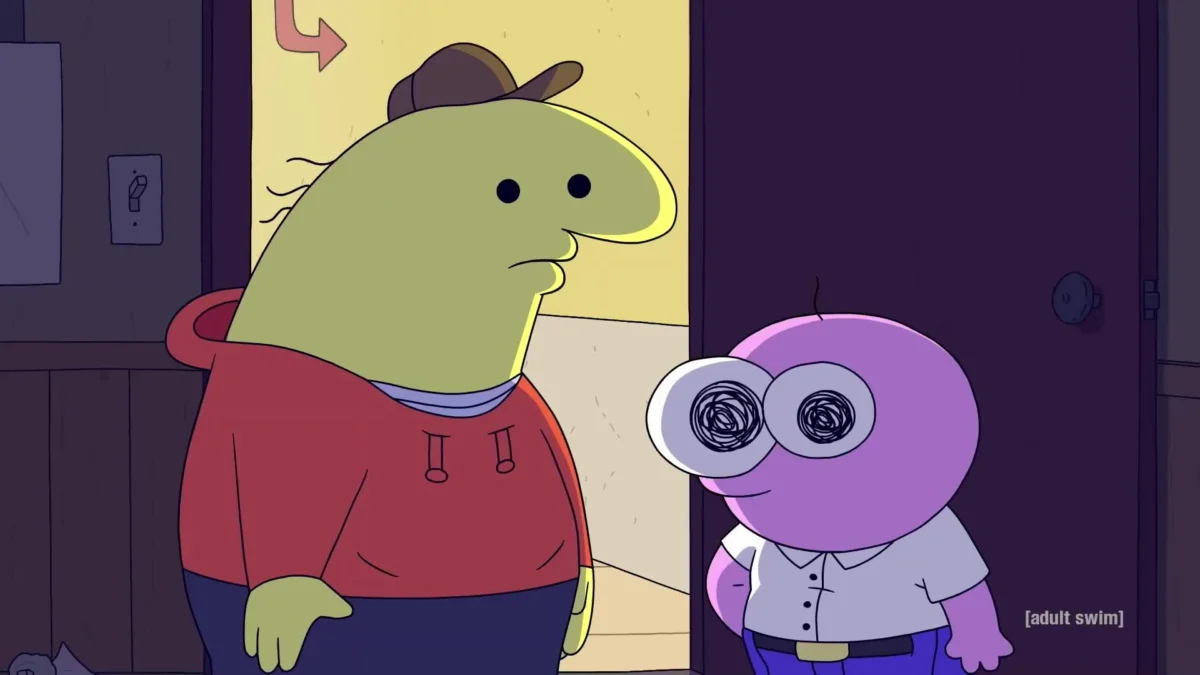
Main Facts: The Conclusion of a Modern Animation Powerhouse
In an industry often defined by the pursuit of longevity at the cost of creative integrity, the announcement that Smiling Friends will conclude after its third season has sent shockwaves through the television landscape. Creators Zach Hadel and Michael Cusack, figures who rose to prominence within the independent internet animation scene before transitioning to Adult Swim, have officially confirmed that the series has reached its natural conclusion.
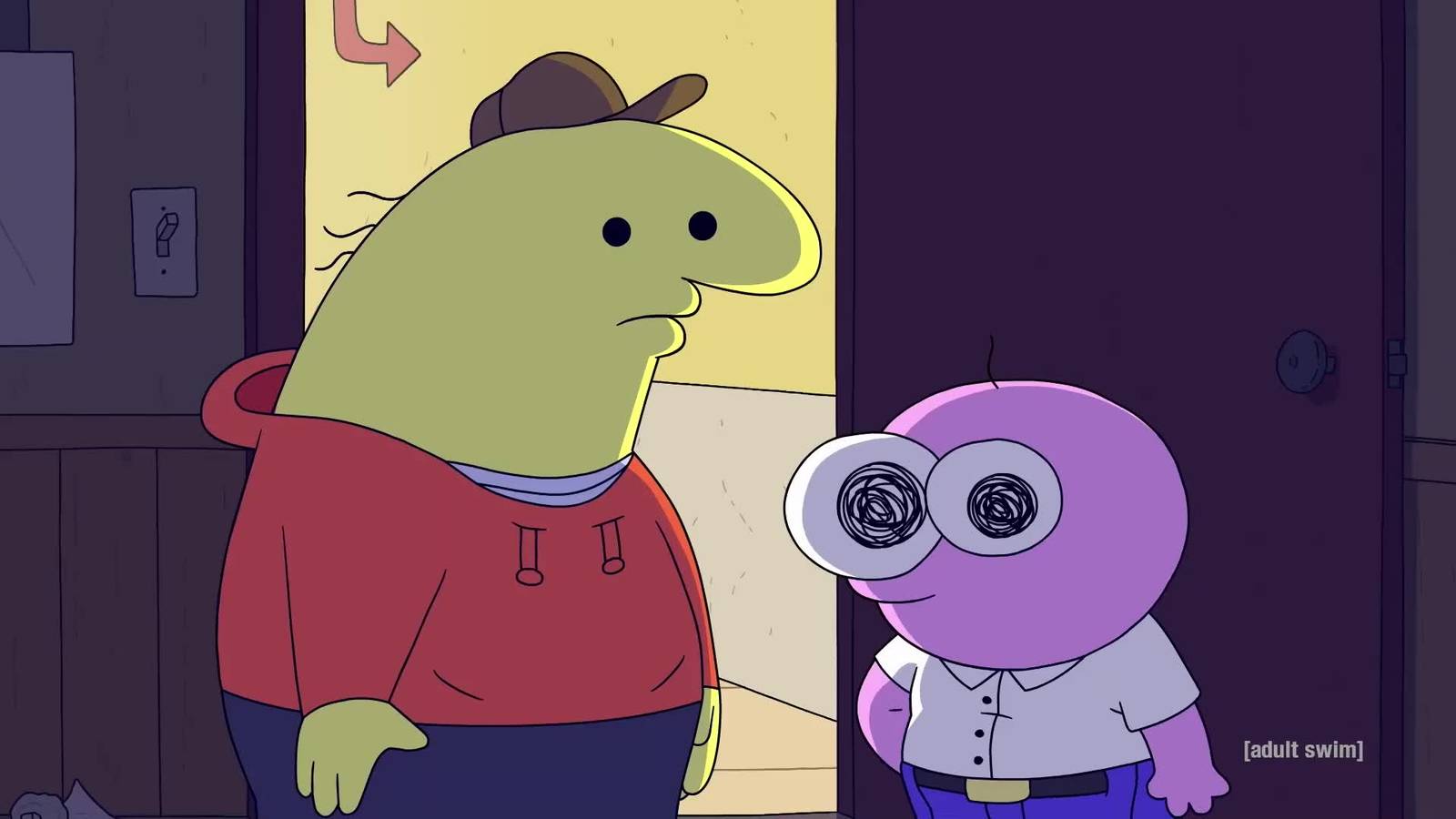
The decision to end the show while it remains at its critical and commercial peak is a rarity in modern broadcasting. Smiling Friends—a surreal, high-octane comedy following a small company dedicated to making people smile—has been hailed as one of the most inventive programs of the last decade. Spanning 27 episodes, each approximately 11 minutes in length, the series managed to cultivate a dedicated global following by blending disparate animation styles, uncomfortable cringe humor, and surprisingly poignant existential themes.
Critics, including Tomatometer-approved experts like Ben Sherlock, have noted that the show’s "criminally short run" is perhaps its greatest strength. By avoiding the "diminishing returns" that plague long-running animated staples like The Simpsons or Family Guy, Hadel and Cusack have ensured that Smiling Friends maintains a "practically perfect" batting average.

Chronology: From Newgrounds Roots to Adult Swim Dominance
The trajectory of Smiling Friends is a testament to the evolving nature of talent scouting in the digital age.
- April 1, 2020: The pilot episode, "Desmond’s Big Day Out," premiered as part of Adult Swim’s annual April Fools’ Day stunt. It immediately went viral, praised for its unique visual language and the chemistry between lead characters Pim Pimling and Charlie Dompler.
- January 2022: Season 1 debuted in its entirety. It broke traditional release models by dropping all episodes at once, catering to the "binge-watch" culture. This season established the show’s signature mix of 2D animation, CGI, stop-motion, and live-action.
- May 2024: Season 2 premiered, introducing more complex narratives and higher-profile guest stars. It expanded the roles of supporting characters like Allan and Glep, proving the show’s universe had depth beyond its central duo.
- June 2026: The final episodes of Season 3 aired, bringing the total episode count to 27. The creators confirmed this would be the final chapter, choosing to go out on a "high note" rather than risk the creative exhaustion that often follows a fourth or fifth season.
Supporting Data: A Definitive Ranking of the Series’ Greatest Achievements
To understand why Smiling Friends left such an indelible mark on television, one must look at the episodes that defined its run. Despite the lack of "bad" episodes, ten specific entries stand out for their daring execution and comedic precision.
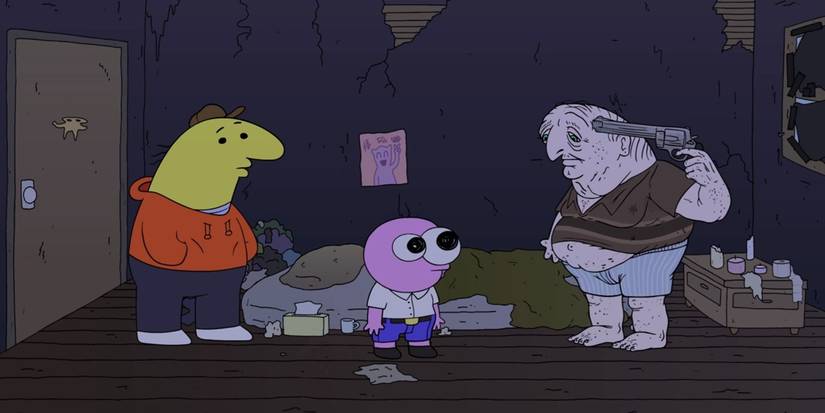
10. Desmond’s Big Day Out (S1, E1)
The pilot remains a masterclass in tone. It introduced the central conflict of the series: Pim’s unwavering optimism vs. the crushing reality of the world. By featuring a character (Desmond) holding a gun to his head for the duration of the episode, the show announced its intention to play with extreme discomfort as a comedic tool.
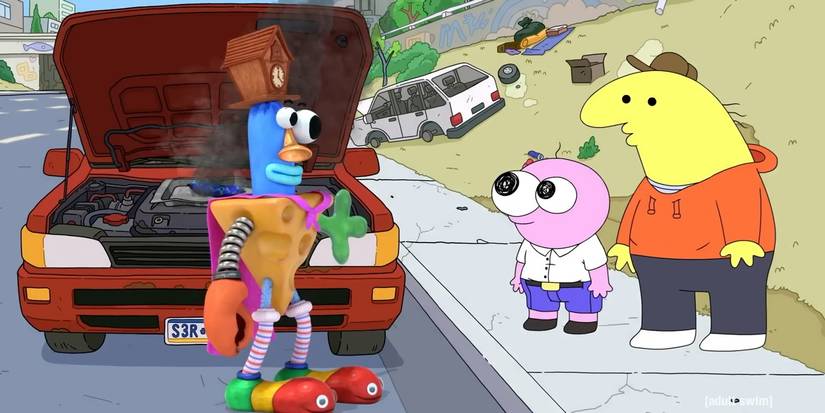
9. Gwimbly: Definitive Remastered Enhanced Extended Edition DX 4K (S2, E1)
This episode served as a scathing satire of the modern video game industry. By introducing Gwimbly, a forgotten 1990s platforming mascot, the show explored themes of corporate greed and the "remaster" culture. The use of a low-polygon 3D model for Gwimbly within a 2D world showcased the show’s technical versatility.
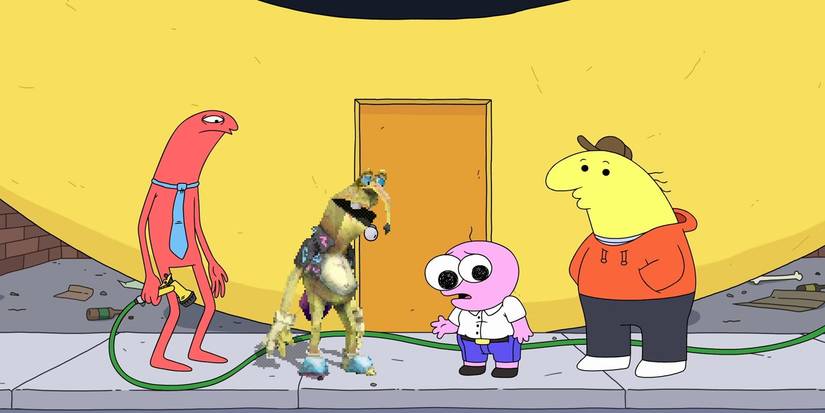
8. Frowning Friends (S1, E7)
A classic "Bizarro" episode, this entry introduced the antithesis of the Smiling Friends. It offered a surprisingly deep critique of nihilism and the "edgy" cynicism that often dominates internet discourse, proving the show had a moral backbone beneath its chaos.
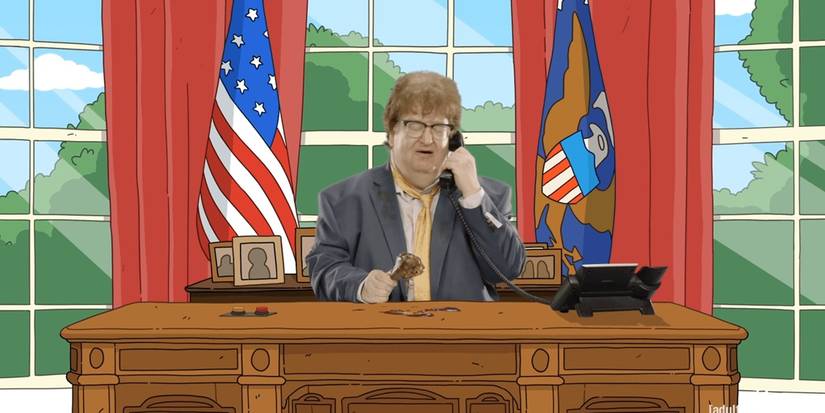
7. Mr. President (S2, E2)
Political satire is notoriously difficult to execute without becoming dated. Smiling Friends bypassed this by creating "Jimble," a fictional, deeply incompetent president. By avoiding direct parodies of real-world figures, the episode offered a timeless commentary on the absurdity of institutional power.
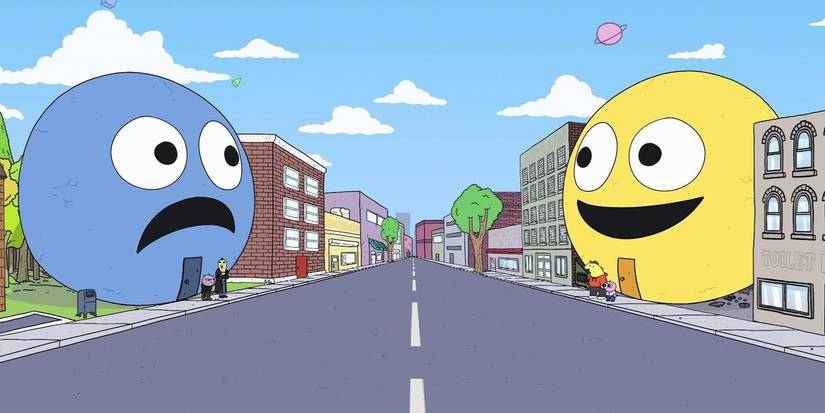
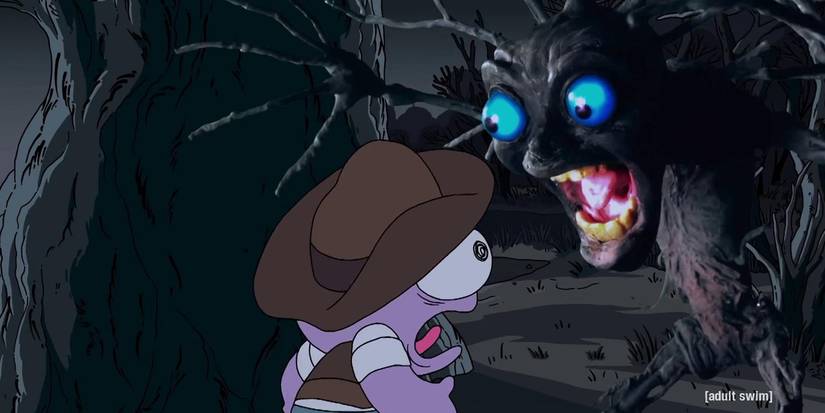
6. A Silly Halloween Special (S1, E4)
This episode demonstrated the creators’ ability to pivot into genuine horror. Drawing inspiration from cult classics like An American Werewolf in London, it utilized a terrifying lake demon and a live-action framing device to create an atmosphere that was as unsettling as it was hilarious.
5. Silly Samuel (S3, E1)
The Season 3 premiere highlighted the show’s knack for guest casting. Featuring Conner O’Malley, the episode utilized his signature "rage-comedy" style to create Samuel, a character whose insecurity drives the plot into increasingly erratic territory.
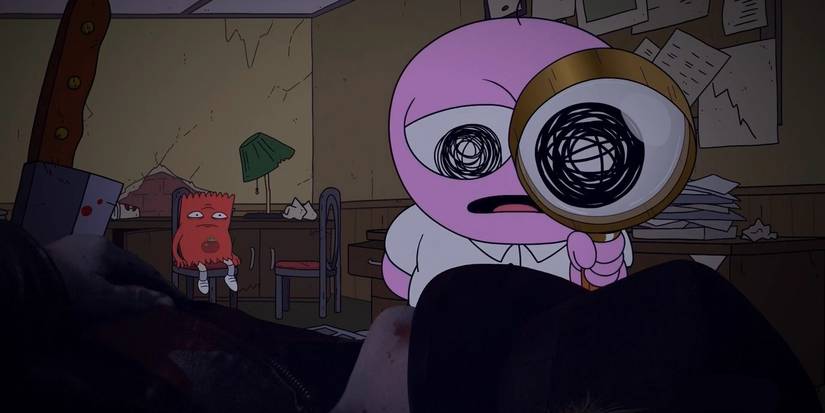
4. Who Violently Murdered Simon S. Salty? (S1, E5)
A subversion of the "Whodunit" genre, this episode parodied the works of Agatha Christie. It showcased the show’s ability to take a rigid narrative structure and inject it with the "toxic" aesthetic of a rundown fast-food joint, culminating in one of the series’ most absurd twist endings.
3. Erm, The Boss Finds Love? (S2, E4)
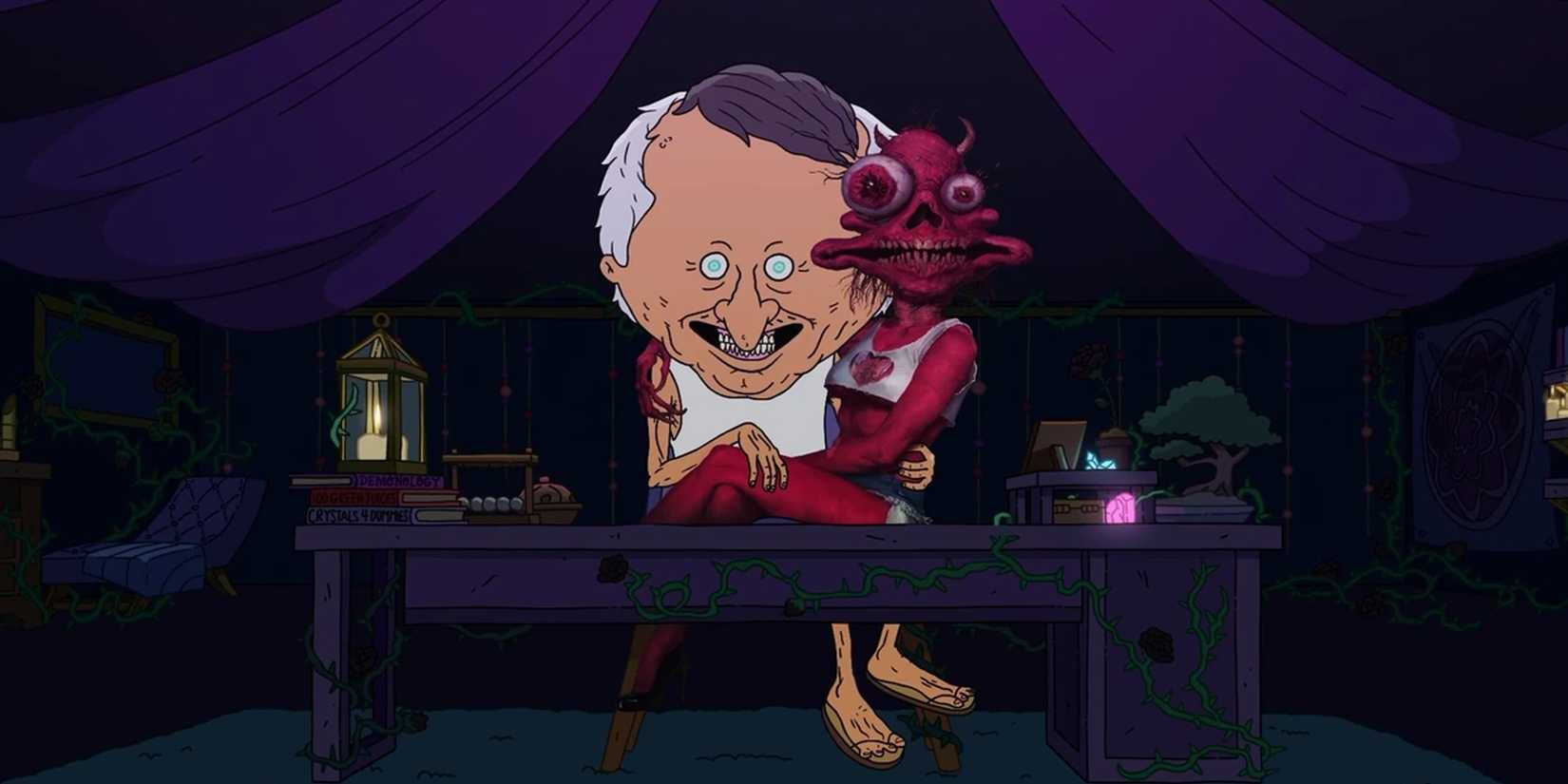
This episode delved into the lore of "Mr. Boss," the eccentric billionaire who runs the company. What began as a parody of gold-digger tropes morphed into a high-stakes supernatural thriller, featuring an Exorcist-style showdown that reaffirmed the bond between the employees and their strange employer.
2. A Allan Adventure (S2, E3)
Taking a risk by sidelining Pim and Charlie, this episode focused entirely on Allan. It adopted the structure of a high-octane action thriller, proving that the show’s supporting cast was strong enough to carry an entire narrative without the primary protagonists.
1. Shrimp’s Odyssey (S1, E3)
Universally regarded as the pinnacle of the series, "Shrimp’s Odyssey" features David Firth (of Salad Fingers fame) as a "truly pathetic" shrimp. The episode is a relentless barrage of jokes, visual gags, and social commentary on the "incel" subculture, representing the perfect distillation of the show’s voice.
Official Responses: The Creators’ Philosophy on Creative Finality
Zach Hadel and Michael Cusack have been vocal about their desire to maintain a "quality over quantity" approach. In various interviews throughout 2026, the duo emphasized that they viewed Smiling Friends as a complete work of art rather than a commercial product to be extended indefinitely.
"We grew up watching shows that we loved eventually turn into something unrecognizable," Hadel remarked during a post-finale press junket. "We wanted to ensure that every frame of Smiling Friends felt intentional. Three seasons felt like the perfect amount of time to tell our stories and explore this world without repeating ourselves."
Adult Swim executives have expressed mixed emotions, noting the show’s massive ratings but ultimately respecting the creators’ vision. "It’s a bittersweet moment," said a spokesperson for the network. "While we would have loved ten more seasons, we recognize that the ‘lightning in a bottle’ nature of this show is what makes it special. We would rather have 27 perfect episodes than 100 mediocre ones."
Implications: A Shift in the Adult Animation Landscape
The conclusion of Smiling Friends marks a significant moment for the animation industry. It proves that there is a massive audience for "experimental" animation that doesn’t follow the traditional sitcom template. The show’s success has already paved the way for other independent creators from platforms like YouTube and Newgrounds to find homes on major networks.
Furthermore, the decision to end after three seasons sets a new precedent for "creator-led" television. In an era of endless reboots and spin-offs, Smiling Friends stands as a rare example of a series that knew exactly what it wanted to be and exactly when it needed to stop.
As the series enters the pantheon of "cult classics," its influence will likely be felt for years to come. Whether through its innovative use of mixed media or its unique brand of optimistic nihilism, Smiling Friends has redefined what it means to be a "cartoon for adults." While the company itself may be closing its doors in the fictional world of the show, the smiles it brought to the real world will endure through its legacy as a "practically perfect" series.