The Digital Fairway: GOLF+ Brings Historic Medinah Country Club No. 3 to the Virtual Reality Frontier
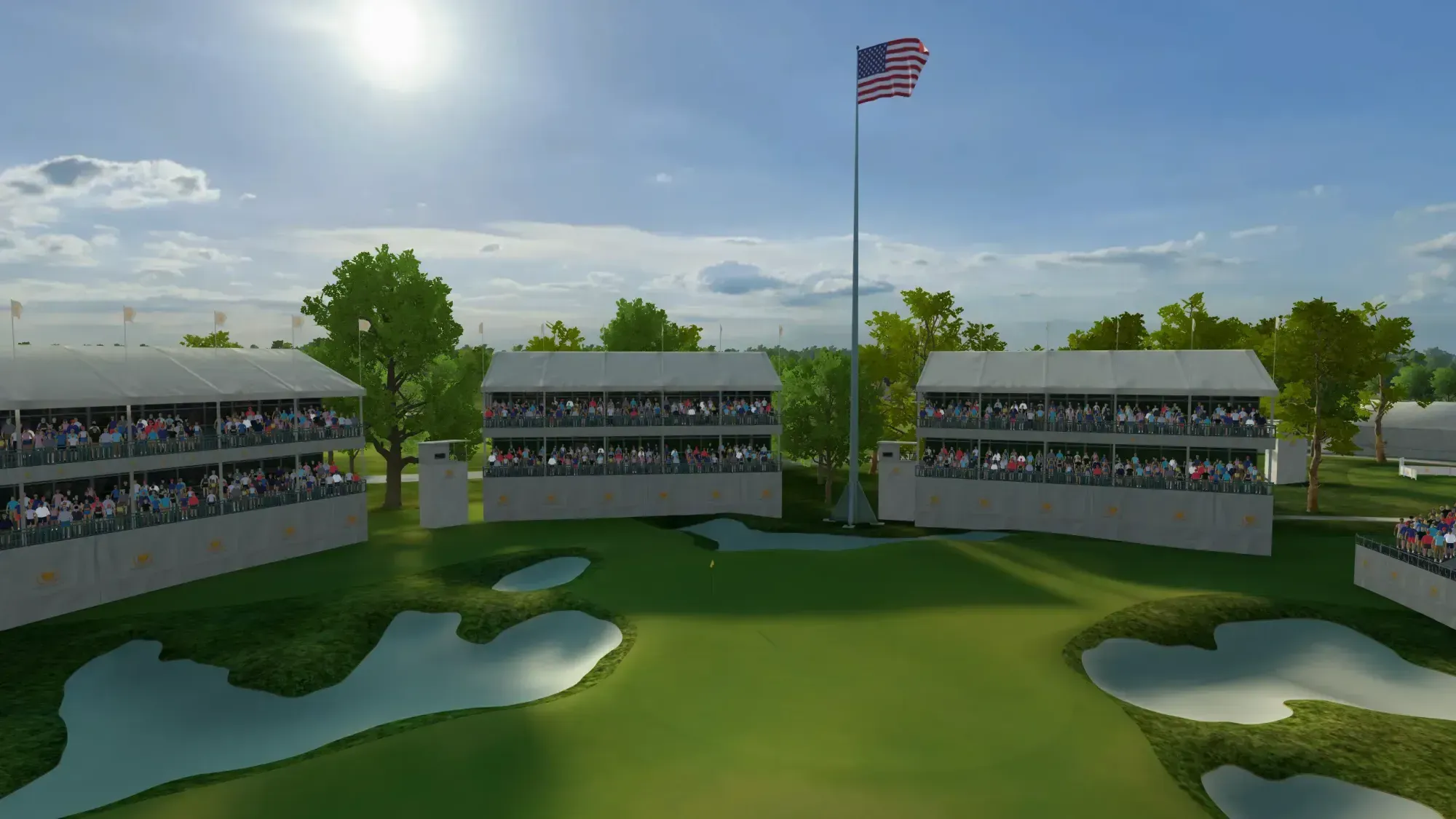
The intersection of tradition and technology has reached a new milestone as GOLF+, the leading virtual reality golf simulator on the Meta Quest platform, officially announced the addition of Medinah Country Club Course No. 3 to its digital library. This integration allows players across the globe to step onto one of the most storied landscapes in American golf, a venue that has served as the battleground for some of the sport’s most iconic moments.
As the sports world looks toward the upcoming Presidents Cup, the release of Medinah No. 3 in a high-fidelity VR environment signifies a shift in how fans engage with professional golf. No longer relegated to the role of passive spectators, enthusiasts can now experience the daunting carries over Lake Kadijah and the intricate undulations of Medinah’s greens from the comfort of their living rooms.
Main Facts: A Digital Masterpiece Replicated
The addition of Medinah Country Club No. 3 to GOLF+ represents more than just a software update; it is a meticulous digital preservation of a "Golden Age" masterpiece. Located approximately 25 miles west of downtown Chicago, Medinah No. 3 is renowned for its length, its formidable oak trees, and its demanding layout.
Availability and Pricing
GOLF+ has positioned the course as a premium addition to its ecosystem. Players can acquire Medinah No. 3 through several avenues:
- Standalone Purchase: The course is available for a one-time fee of $11.99.
- GOLF+ Pass: For $9.99 per month (or $99.99 annually), subscribers gain unlimited access to the entire library of real-world courses, including Medinah.
- Platform Support: Currently optimized for the Meta Quest 2, 3, and Pro, the game is also listed for an upcoming release on Steam, expanding its reach to the PCVR community.
Technical Fidelity
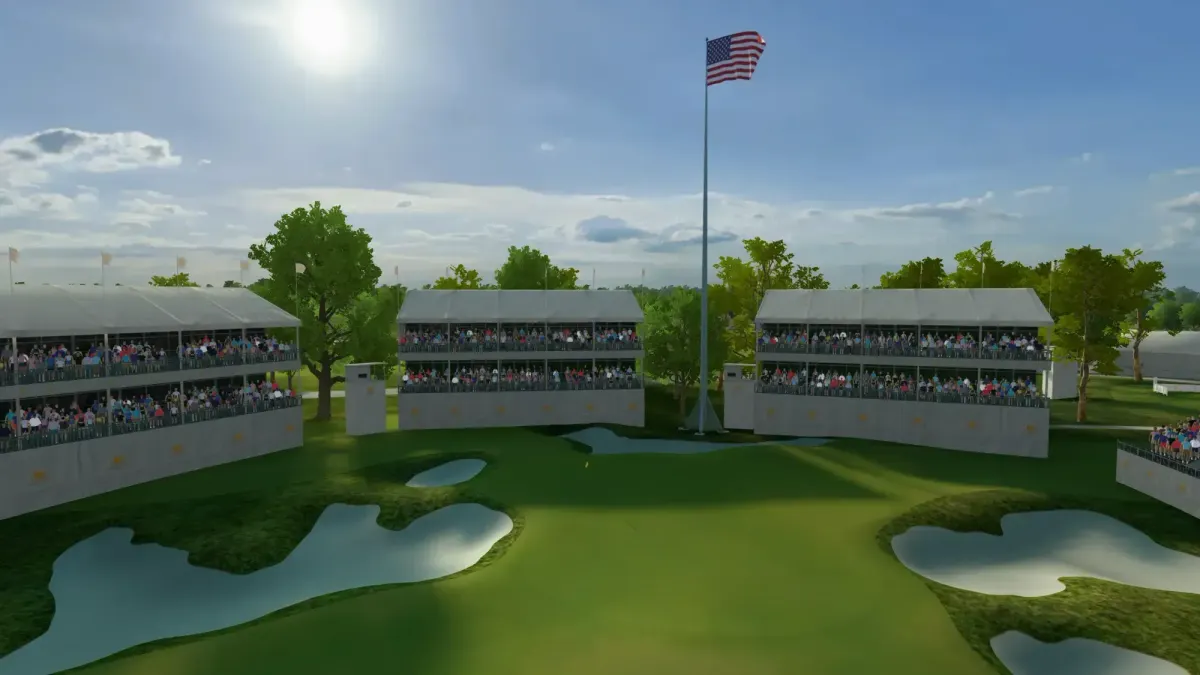
The VR rendition of Medinah No. 3 utilizes advanced LiDAR (Light Detection and Ranging) data to ensure that every bunker, slope, and hazard is accurate to within centimeters. This level of detail is crucial for a course like Medinah, where the strategic placement of a tee shot can mean the difference between a birdie opportunity and a double bogey. The game’s physics engine, which has been refined through partnerships with equipment manufacturers like Callaway, ensures that the ball interacts with the virtual Medinah turf just as it would in Illinois.
Chronology: From the 1920s to the Metaverse
To understand the significance of this digital release, one must look at the parallel histories of the Medinah Country Club and the evolution of VR golf.
The Legacy of Medinah (1924–2024)
Medinah Country Club was founded in the 1920s by the Shriners, and its Course No. 3, designed by Tom Bendelow, opened in 1928. It was quickly recognized as a world-class test of golf. Over the last century, it has hosted:
- Three U.S. Opens (1949, 1975, 1990): Hale Irwin’s 45-foot birdie putt and subsequent victory lap in 1990 remains one of the most famous moments in the tournament’s history.
- Two PGA Championships (1999, 2006): Both tournaments were won by Tiger Woods, cementing the course’s status as a "big hitter’s" paradise.
- The 2012 Ryder Cup: Known as the "Miracle at Medinah," where the European team mounted a historic final-day comeback against the United States.
In recent years, the course underwent a significant renovation by architect OCM (Ogilvy, Cocking, and Mead) to modernize the layout in preparation for the 2026 Presidents Cup. The version appearing in GOLF+ reflects the current, championship-ready state of the grounds.
The Rise of GOLF+ (2018–Present)
The journey of GOLF+ began as a passion project titled "Pro Golf VR" before rebranding and securing a dominant position in the Meta Quest store.
- 2021: The game shifted from a casual mini-golf experience to a full-scale simulator.
- 2022: A landmark partnership with the PGA Tour was announced, bringing TPC courses into the game.
- 2023: The "GOLF+ Pass" was introduced, mirroring the "Games as a Service" (GaaS) model to provide continuous content updates.
- 2024: The inclusion of Medinah marks a continued effort to bridge the gap between historic private clubs and the general public.
Supporting Data: The Impact of Virtual Golf
The integration of courses like Medinah is backed by a growing trend in "off-course" golf participation. According to the National Golf Foundation (NGF), off-course participation (which includes simulators and VR) has seen a 50% increase since 2019.
User Engagement Metrics
Internal data from GOLF+ suggests that the addition of real-world courses significantly boosts player retention.
- Session Length: Users playing on real-world courses like Pebble Beach or Medinah tend to stay in-headset for 45% longer than those on fictional courses.
- Skill Transfer: A study conducted by independent VR analysts found that players who utilize VR simulators for green reading and course management show a measurable improvement in their real-world handicap, particularly in the area of "course strategy."
Market Reach
By launching on the Meta Quest—a standalone headset with millions of units sold—GOLF+ democratizes access to Medinah. A traditional round at a club of this caliber is typically restricted to members and their guests, with initiation fees often exceeding six figures. For $11.99, VR provides a "digital membership" to an otherwise inaccessible world.
Official Responses and Developer Vision
The leadership at GOLF+ has been vocal about their mission to make golf more accessible. In previous statements regarding course additions, CEO Ryan Engle has emphasized that VR is the "great equalizer" for the sport.
"Our goal has always been to bring the most iconic courses in the world to everyone," the development team noted during the Medinah announcement. "Medinah No. 3 is a bucket-list course for any golfer. By bringing it to GOLF+, we are allowing the next generation of players to experience its beauty and its difficulty without needing a plane ticket to Chicago or a member invite."
Representatives from the golf industry have also praised the move. PGA Tour officials have previously noted that VR platforms serve as a vital "on-ramp" for younger demographics. By featuring the site of the Presidents Cup, GOLF+ is helping to build "narrative equity" in the event, ensuring that when the pros tee off in 2026, a significant portion of the audience will have already "played" the holes themselves.
Implications: The Future of Sports and Spatial Computing
The release of Medinah No. 3 on GOLF+ carries implications that extend far beyond the gaming community. It touches upon the future of sports broadcasting, professional training, and the concept of "Digital Twins."
1. The "Digital Twin" as a Training Tool
For professional golfers and high-level amateurs, the VR version of Medinah serves as a high-fidelity scouting tool. Players can practice specific tee shots, visualize the break on the 17th green, and develop a game plan before ever setting foot on the property. This "Spatial Intelligence" is becoming a standard part of professional preparation across all sports, from Formula 1 to the NFL.
2. Enhanced Spectatorship
As we move toward a more "spatial" internet, the ability to watch a live tournament while standing in a VR recreation of the course is a looming reality. The mapping of Medinah No. 3 is a foundational step toward an immersive broadcast experience where a viewer could wear a headset and see live shot data superimposed on the virtual fairway.
3. Preservation of Sporting Heritage
Courses change over time due to climate, renovation, or urban development. By creating a high-resolution digital version of Medinah No. 3, GOLF+ is effectively archiving a piece of sporting history. Future generations will be able to experience the course exactly as it was in 2024, preserving the architectural intent of Tom Bendelow and the modern updates by OCM.
4. Accessibility and Inclusion
Perhaps the most profound implication is the breakdown of the "exclusivity barrier." Golf has historically struggled with a reputation for being expensive and elitist. VR platforms like GOLF+ provide a low-cost, high-reward entry point. A teenager in a rural area or an individual with physical disabilities that prevent them from walking 18 holes can now experience the thrill of a par-3 over water at Medinah.
Conclusion
The arrival of Medinah Country Club No. 3 in GOLF+ is a testament to the power of modern technology to honor and expand upon traditional sports. By combining the rich, century-long history of a Chicago landmark with the cutting-edge capabilities of the Meta Quest, GOLF+ has provided a new way for the world to engage with the "Great Game." As the Presidents Cup approaches and the digital and physical worlds continue to blur, the virtual fairways of Medinah stand ready to welcome a new era of champions.