The Digital Imposter: Exploring ‘Power Line’ and the Resurgence of 1980s Gaming Nostalgia
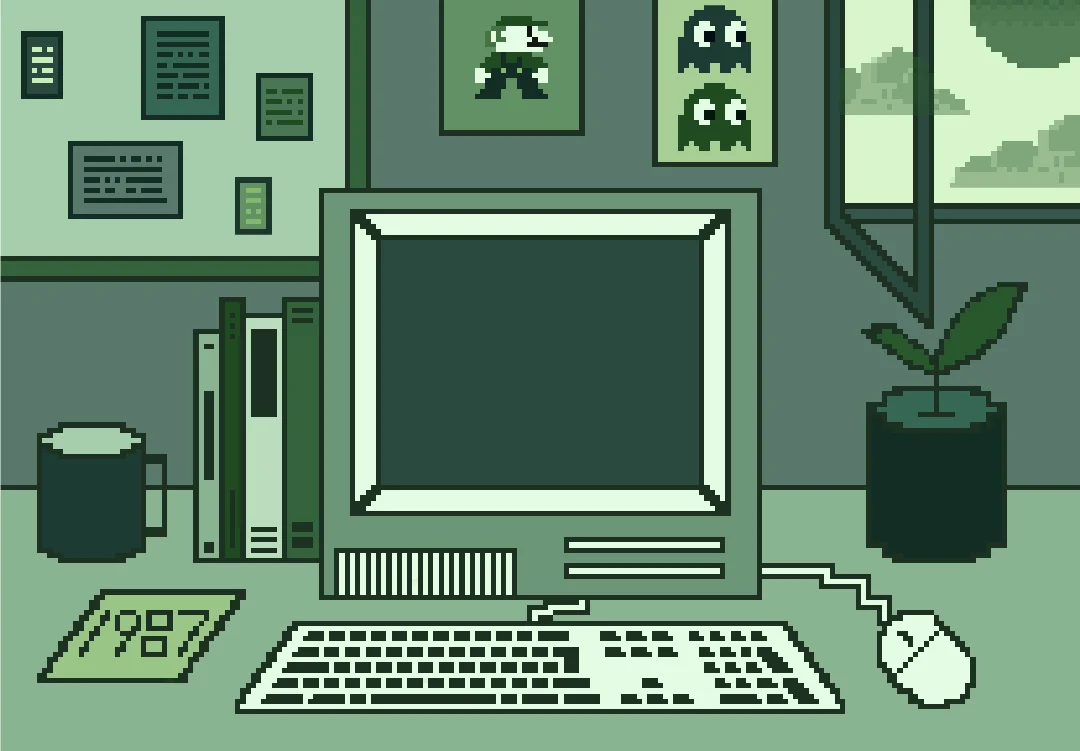
In an era defined by instant gratification, high-speed fiber optics, and exhaustive online wikis, the concept of calling a physical telephone line for video game advice feels like a relic from a distant civilization. Yet, a new narrative-driven indie title, Power Line, is transporting players back to the neon-soaked, analog frustration of the 1980s. Inspired by the real-world Nintendo Power Line, the game challenges players not with their reflexes, but with their ability to navigate social cues and maintain a facade of expertise in a field they know nothing about.
Following a successful showcase at MCM Comic Con, Power Line has emerged as a poignant commentary on the "fake it ‘til you make it" culture of the early tech boom, wrapped in the aesthetic of a retro job simulator.
Main Facts: A Game of Professional Deception
Developed by LawfulJuno, Power Line is a psychological narrative simulator that places the player in the seat of a Game Counselor at a major (albeit fictional) gaming corporation. The premise is as stressful as it is intriguing: you have successfully secured a job at a high-stakes call center by lying on your resume. Despite never having played the game you are supposed to be an expert on, your supervisors believe you are the "perfect fit" for the role.
The core gameplay loop revolves around answering a series of incoming calls from increasingly frustrated, confused, or obsessive gamers. These callers seek help with a fictional title that exists only within the game’s universe. Because the player has no actual knowledge of this game, they must rely on intuition, the tone of the caller’s voice, and three branching dialogue options to provide "expert" advice.
The game is currently in active development, with a playable demo available on itch.io. It features fully voice-acted dialogue, a detailed 1980s-inspired user interface, and a "per-day" progression system where the player’s survival depends entirely on their ability to avoid being caught in their lies.
Chronology: From Real-World History to Indie Development
To understand the weight of Power Line, one must first look at the history that inspired it.
1988–2010: The Reign of the Nintendo Power Line
The real-life Nintendo Power Line was established in the late 1980s as a way for Nintendo of America to provide direct support to players struggling with difficult titles like The Legend of Zelda or Metroid. At its peak, the call center in Redmond, Washington, employed hundreds of "Game Counselors" who sat in front of monitors with massive binders full of maps, secrets, and walkthroughs.
These counselors were the rockstars of the pre-internet era. However, by the mid-2000s, the rise of GameFAQs, YouTube walkthroughs, and official strategy guides rendered the physical phone line obsolete. Nintendo officially shuttered the service in 2010, marking the end of an era of human-to-human gaming assistance.
2023–2024: The Development of ‘Power Line’
LawfulJuno began development on Power Line with the intent of capturing the specific aesthetic and social anxiety of this lost profession. Unlike a traditional "tycoon" or "simulator" game, the developer focused on the narrative weight of the interactions.
In late 2024, the game gained significant traction after being featured at MCM Comic Con. Attendees were able to experience the demo, which highlighted the game’s unique lack of immediate feedback. In most games, a "wrong" choice results in an immediate game-over or a loss of points. In Power Line, the player must sit with their decisions, finishing their shift in a state of mounting dread before finding out if their guesses were sufficient to keep their job.
Supporting Data: The Mechanics of Misinformation
Power Line utilizes several key design pillars to create its atmosphere of tension:

- Voice-Acted Verisimilitude: Every caller is a distinct character. Some are children who are genuinely lost, while others are aggressive adults who feel "cheated" by the game’s difficulty. The voice acting provides the only real clues; a caller’s level of satisfaction or suspicion is often hidden in their inflection rather than the text on the screen.
- The Information Gap: The player is intentionally deprived of a manual or a "cheat sheet." This distinguishes Power Line from other job simulators like Papers, Please, where the player has a rulebook to reference. Here, the "rulebook" is the player’s ability to bullshit.
- The "Black Box" Feedback Loop: There is no "Correct" or "Incorrect" notification after a call. This design choice forces players to analyze their own performance based on the caller’s parting words. If a caller hangs up sounding relieved, the player might have guessed correctly—or they might have just given a convincingly confident lie.
- The Aesthetic of the 80s: The game’s visual design uses a CRT-monitor filter, chunky hardware sprites, and a color palette dominated by greys and muted blues, evoking the sterile yet cozy environment of a 1980s corporate office.
Official Responses and Developer Vision
During the MCM Comic Con showcase, the reception to Power Line was overwhelmingly focused on its relatability. Many players noted that the feeling of "lying on a resume" and having to perform under pressure resonated with modern workplace anxieties.
In statements regarding the game’s ongoing development, the creator, LawfulJuno, has expressed a desire to expand the ways players can interact with the world. While the current demo focuses on the calls themselves, the full release aims to introduce more environmental storytelling.
"Power Line is still in active development," the developer noted via the itch.io platform. "I do hope to add new ways to interact with the story and more ways to find out what the answers are." This suggests that future versions of the game may allow players to "scavenge" for information between calls—perhaps by eavesdropping on coworkers or finding discarded notes in the breakroom—adding a layer of corporate espionage to the gameplay.
Critics have praised the game for its "narrative bravery," specifically the choice to make the player feel incompetent. In an industry that usually focuses on power fantasies, Power Line is a "weakness fantasy," where the thrill comes from narrowly avoiding disaster.
Implications: The Death of Mystery and the Rise of "Work Simulators"
The emergence of Power Line highlights two significant trends in the modern gaming landscape: the "Job Simulator" genre and the cultural mourning of "The Secret."
The Appeal of the Mundane
The success of titles like Power Line, Unpacking, and PowerWash Simulator indicates a shift in player interest toward "mundane" tasks. These games offer a sense of order and completion that is often lacking in real life. However, Power Line subverts this by making the "job" a source of high-stakes narrative tension. It suggests that even the most boring office job can be a site of intense drama if one’s livelihood depends on a continuous stream of successful deceptions.
The Loss of Gaming Mystery
In the 1980s, video games were shrouded in urban legends. Rumors of "hidden levels" or "secret characters" could persist for years because there was no central database to debunk them. The Nintendo Power Line was the arbiter of truth in that era.
By placing the player in the role of a counselor who knows nothing, Power Line satirizes the current state of gaming where "secrets" are data-mined within minutes of a game’s release. It asks the player to return to a time when information was a currency, and those who dispensed it—even those who were faking it—held immense power over the player’s experience.
Looking Ahead
As Power Line moves toward a full release, it stands as a testament to the power of niche historical contexts in indie development. By focusing on a specific, defunct job from the 1980s, LawfulJuno has created a relatable, stressful, and deeply atmospheric experience that resonates with anyone who has ever felt like an imposter in their own life.
For now, the demo serves as a tantalizing "first day on the job," leaving players to wonder if they have the social engineering skills to survive the week, or if their lack of gaming knowledge will eventually lead to a very quiet, very analog termination.