Harmonizing Nostalgia and Gameplay: A Comprehensive Look at the "Mr. Records" Phenomenon
The indie gaming landscape has long been a fertile ground for genre-bending experiments, but few titles manage to strike a chord as resonant as the upcoming release, Mr. Records. Recently showcased at Gamescom, this title from developer [Developer Name, if available, otherwise "an innovative indie studio"] offers a poignant, multi-layered exploration of music, memory, and the pursuit of passion in one’s twilight years. By blending high-octane rhythm mechanics with a meditative shop-management simulation, Mr. Records seeks to redefine the "cozy gaming" subgenre through the lens of an audiophile’s dream.
Main Facts: The Synthesis of Rhythm and Management
At its core, Mr. Records is a narrative-driven hybrid game that places players in the shoes of George, a retiree whose lifelong obsession with music transcends mere hobbyism. George is described as an "old dreamer," a character archetype that provides a refreshing departure from the youth-centric protagonists common in the industry. The game’s central conceit is George’s ability to "become one" with the music he hears, a metaphorical hook that translates into the game’s primary mechanical hook.
The gameplay is bifurcated into two distinct but synergistic modes:
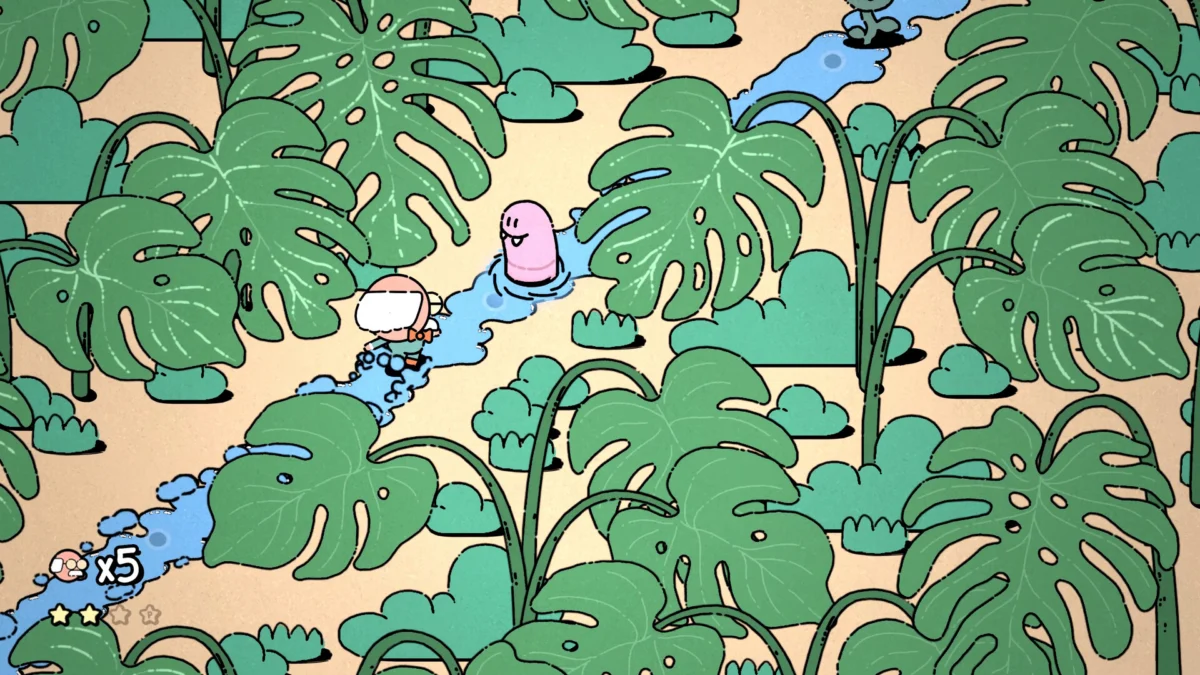
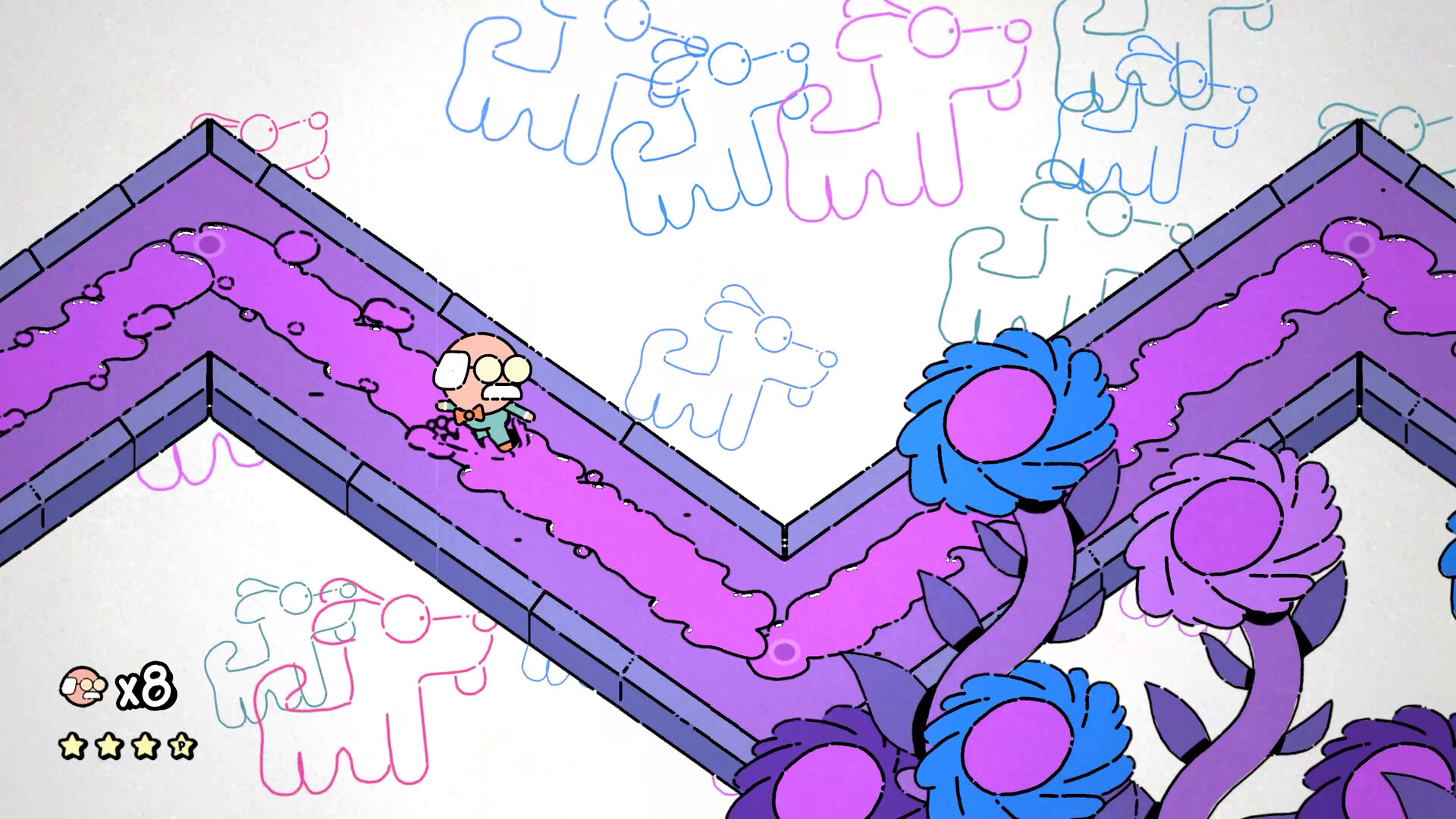
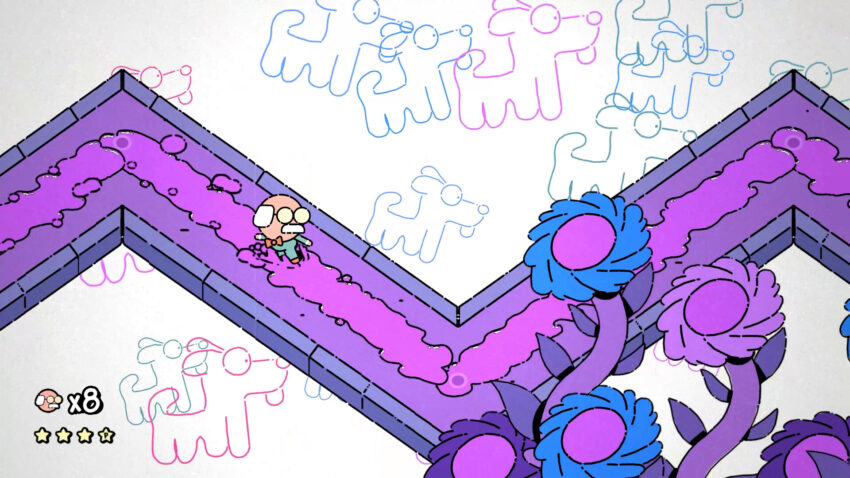
- The Sonic Exploration (Rhythm Action): Players enter a metaphysical realm where they interact with the tracks George acquires for his shop. This involves navigating vibrant, abstract landscapes through rhythm-based movements such as sliding, punching, and flowing in sync with the beat.
- The Curatorial Experience (Management Sim): Below his home, George operates a boutique record store. Here, the pace shifts from frantic synchronization to thoughtful social interaction. Players must manage inventory, curate their shelves, and—most importantly—connect customers with the specific "vibes" or half-remembered melodies they seek.
Currently available for wishlisting on Steam following a successful demo period at Gamescom, Mr. Records has already garnered significant attention for its art style, which utilizes a saturated, chromatic palette to mirror the emotional highs of its soundtrack.
Chronology: From Retirement to the Record Bin
The narrative arc of Mr. Records begins not with an adventure, but with a transition. The game opens on George’s first days of retirement—a period often fraught with existential uncertainty. Rather than fading into the background, George decides to convert the basement of his home into a sanctuary for vinyl enthusiasts.
The Daily Loop
The game operates on a structured daily cycle that mirrors the life of a small business owner with a vivid internal world:
- The Morning Acquisition: Each day begins with the arrival of new stock. These are not merely items to be priced; they are worlds to be explored. To "unlock" a record for sale, George must first master it. This is where the rhythm gameplay occurs.
- The Mid-Day Commerce: Once the shop doors open, the game shifts to a first-person or isometric management perspective (depending on the specific scene). George interacts with a diverse cast of NPCs, ranging from dedicated collectors to casual listeners who can only describe a song by its "feeling."
- The Evening Reflection: After the shop closes, the narrative deepens. George retreats to his living quarters, where he receives phone calls from old friends. These dialogues serve as the game’s primary storytelling vehicle, providing context to George’s past and the reasons behind his deep-seated connection to certain genres of music.
This chronological structure ensures that the player never feels overwhelmed by one single mechanic, balancing the high-intensity rhythm segments with the low-stakes, high-reward satisfaction of running a successful business.
Supporting Data: Mechanics of the Musical Mind
To understand why Mr. Records is generating buzz among critics, one must look at the technical execution of its dual systems.
The Rhythm Mechanics: Beyond the Note Highway
Unlike traditional rhythm games like Guitar Hero or Rock Band, which utilize a "note highway" system, Mr. Records employs a more organic, platformer-adjacent approach. The character’s movements—sliding and punching—are mapped to the percussive and melodic peaks of the track.
- Visual Feedback: The levels are described as "SO colorful," with the environment itself pulsing and changing hue based on the player’s performance and the song’s intensity.
- Flow State: The "sliding" aspect is particularly emphasized by early testers as feeling "right"—a testament to the developers’ focus on "game feel" or "juice." This mechanic allows players to internalize the flow of a record before they attempt to sell it to a customer, creating a narrative justification for the mini-game.
The Management System: The Psychology of the Sale
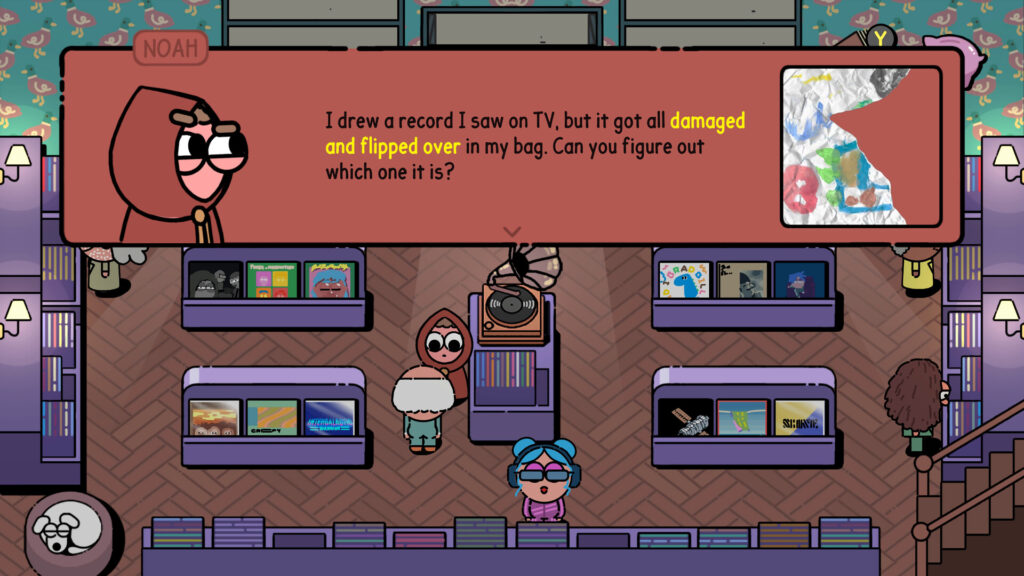
The shop-management side of the game functions as a social puzzle. Customers do not always walk in asking for a specific artist. Instead, they provide "vibe" requests:
- Vague Memories: A customer might describe a song they heard in a cafe twenty years ago. The player must use their knowledge of the inventory (gained during the rhythm segments) to identify the correct record.
- Emotional Matching: Some NPCs seek music to match a mood—grief, celebration, or nostalgia. Successfully matching a record to a customer’s emotional state rewards the player with higher reputation points and deeper lore unlocks.
Official Responses and Development Context
The reception at Gamescom was overwhelmingly positive, with many attendees noting that the game captures a specific "analog" nostalgia that is currently trending in indie media. While the developers have not yet announced a firm release date, the polished state of the Gamescom demo suggests that the project is in the final stages of refinement.
In promotional materials and interviews surrounding the reveal trailer, the team behind Mr. Records emphasized the importance of the "dreamer" aspect of George’s character. They stated that the game is an homage to the "forgotten generation" of gamers and music lovers who find solace in the tactile nature of physical media in an increasingly digital world.
The inclusion of the "strange phone calls" in the evening segments has also been highlighted as a key feature. These segments are designed to provide a "narrative heartbeat" to the game, ensuring that the rhythm and management loops are grounded in a human story about aging and friendship.
Implications: The Rise of "Cozy-Core" and the Vinyl Revival
The emergence of Mr. Records is indicative of several broader trends within the gaming industry and contemporary culture.
1. The Evolution of the Rhythm Genre
For years, rhythm games were synonymous with plastic peripherals or extreme difficulty. Mr. Records represents a shift toward "narrative rhythm," where the music is not just a challenge to be beaten but a story to be experienced. This follows the success of titles like Sayonara Wild Hearts and Hi-Fi Rush, proving there is a significant market for games that integrate music into the very fabric of the world-building.
2. The "Cozy" Game Expansion
The "cozy" genre, once dominated by farming simulators like Stardew Valley, is expanding into new territories. Mr. Records applies the "cozy" philosophy—low stress, high aesthetic value, and emotional resonance—to the world of retail and music. It suggests that players are looking for experiences that validate their hobbies and provide a sense of community, even if that community is composed of digital NPCs.
3. Cultural Nostalgia for Physical Media
In an era of streaming services and algorithmic recommendations, Mr. Records celebrates the "record store clerk"—the human gatekeeper of culture. The game’s focus on recommending records based on "vibes" rather than data points is a subtle critique of modern music consumption. It positions the act of buying and listening to a record as a transformative, almost magical experience.
4. Demographic Representation
By featuring an elderly protagonist, the game taps into a growing movement to represent diverse life stages in gaming. George’s journey suggests that creativity and "dreaming" are not the exclusive domain of the young, a message that resonates with an aging gamer demographic that has grown up with the medium.
Conclusion
Mr. Records is more than a simple indie title; it is a sensory-rich exploration of how music shapes our lives. By successfully marrying the kinetic energy of a rhythm game with the soulful, slow-paced charm of a management sim, it offers a unique proposition to players. As we await an official release date, the game stands as a promising reminder that sometimes, the best way to move forward in life is to put on a good record and let the music take control.
For those eager to experience George’s world, the demo showcased at Gamescom provides a tantalizing glimpse into a game that promises to be as much about the heart as it is about the beat. Wishlisting on Steam remains the best way for fans to stay updated on what is sure to be one of the most charming releases of the coming year.