
The Unseen Architect: Mastering Story Tone for Unforgettable Narratives
In the intricate tapestry of storytelling, the tone of a narrative acts as its invisible architect, shaping reader perception and guiding emotional engagement. Far more than a mere stylistic flourish, tone is the fundamental attitude a story adopts towards its subject matter, dictating how audiences are meant to experience the unfolding events. Establishing and, crucially, maintaining a consistent tone from the outset is paramount to crafting a cohesive and impactful literary experience.
This principle, though seemingly straightforward, is often overlooked, leading to narratives that falter under the weight of tonal inconsistency. This article delves into the profound significance of story tone, exploring its definition, its critical role in reader connection, and the practical implications of its diligent application, drawing on illuminating examples from the world of film.
What Constitutes Story Tone?
At its core, story tone represents the narrative’s emotional stance, its underlying attitude towards the events, characters, and themes it presents. It’s the subtle, yet powerful, signal that tells readers whether to approach a scene with laughter, trepidation, contemplation, or exhilaration. This is not to be confused with the emotional arcs of individual characters. While characters are expected to evolve, experiencing a spectrum of emotions throughout their journey – a necessary component of a compelling narrative – the story’s overarching tone should ideally remain a steadfast anchor.
Imagine a character who begins a tale brimming with optimism and concludes it in despair. This internal shift is a testament to their growth and the narrative’s progression. However, the narrative’s attitude towards this journey – perhaps consistently somber, darkly humorous, or ultimately hopeful – should provide a unifying thread. This consistent tonal framework acts as the narrative’s throughline, ensuring that despite plot developments, the reader’s overall emotional experience feels coherent and intentional.

The Imperative of Tonal Consistency
The establishment of a story’s tone is typically cemented within its initial moments. The opening scene, in particular, serves as a crucial beacon, signaling to readers the kind of emotional and intellectual engagement they can anticipate. Once this initial contract is formed, readers subconsciously expect the narrative to honor it. A drastic shift in tone midway through a story can lead to disorientation, a feeling of betrayal, or a sense that the author has lost control of their own creation. This tonal dissonance can break the immersive spell, leaving readers questioning the author’s intent and the very essence of the story they are invested in.
A consistent tone acts as a unifying force, preventing the narrative from feeling fragmented or disjointed. It allows for a seamless transition between different plot points, emotional beats, and thematic explorations. Without this consistency, even a compelling plot can feel undermined, as the reader struggles to reconcile conflicting emotional cues.
When Tone Goes Awry: The Case of Baz Luhrmann’s "Australia"
A potent, albeit cautionary, example of tonal inconsistency can be found in Baz Luhrmann’s 2008 epic, "Australia." The film, while visually spectacular, has been widely critiqued for its perplexing tonal shifts, leaving audiences adrift in a sea of conflicting emotional signals.
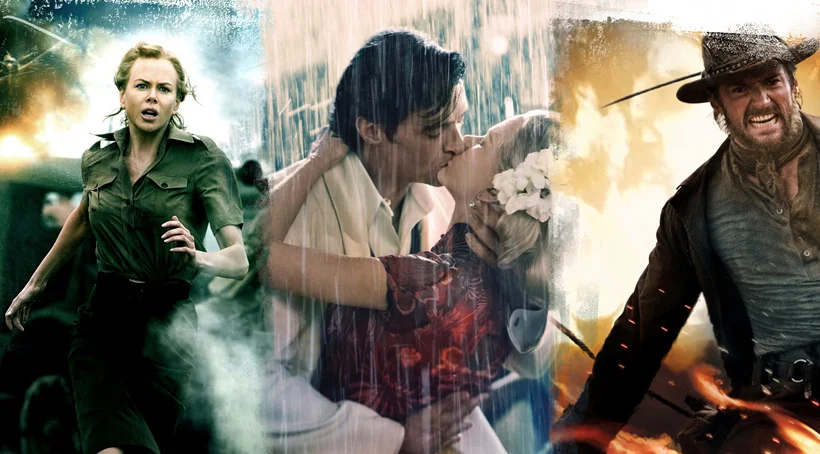
The narrative initially presents itself as a whimsical, almost fairy-tale-like comedy. The heroine’s exaggerated portrayal of a British snob and the child narrator’s charmingly innocent commentary establish a lighthearted and playful atmosphere. However, this tone proves ephemeral. Approximately every twenty minutes, the film appears to undergo a radical metamorphosis. One moment, viewers are immersed in a gritty Western landscape; the next, they are swept into a sweeping romance; then, abruptly, they find themselves in the throes of a war drama.

This relentless oscillation between genres and emotional registers results in a fundamentally fractured viewing experience. By the film’s conclusion, audiences are left grappling with the central question of what "Australia" was truly meant to be. Was it a quirky comedy, a thrilling Western, a poignant romance, or an epic war film? By attempting to embody all these identities simultaneously, the film ultimately succeeds at none of them, leaving a lingering sense of unmet expectations and narrative incoherence. The visual evidence of this tonal clash is stark, with promotional materials often highlighting drastically different facets of the film’s attempted, yet ultimately unsuccessful, tonal blend.
Structure as a Tonal Stabilizer: The "Faraway Downs" Revelation
Intriguingly, the very footage that comprised the problematic "Australia" was later re-edited into the miniseries "Faraway Downs." This reimagining offers a compelling demonstration of how structure can rectify tonal inconsistencies. Despite retaining the same core ingredients – romance, humor, adventure, and historical tragedy – the miniseries achieves a far more cohesive and satisfying audience experience.
The expanded format of the miniseries allows the narrative to breathe, granting its various tonal elements the space to develop organically. Instead of abrupt, jarring shifts, the structural beats of "Faraway Downs" emerge with a sense of natural progression. Tonal shifts, when they occur, feel like authentic evolutions of the narrative rather than sudden, disorienting pivots. This is a powerful illustration of how the marriage of tone and structure can transform a potentially chaotic collection of elements into a harmonious whole.
The success of "Faraway Downs" underscores a crucial insight: when the structural progression of a story is logical and allows events to unfold in a cause-and-effect pattern, the tone is far more likely to feel consistent, even as the emotional landscape of the narrative shifts. The expanded canvas of a miniseries provided the necessary breathing room for Luhrmann’s ambitious narrative to find its footing, allowing the various tonal threads to be woven together with greater subtlety and purpose.

Distinguishing Tone from Mood
A common point of confusion in discussing story elements is the distinction between tone and mood. While intimately related, they are not interchangeable.
- Tone is the author’s or narrator’s attitude toward the subject matter. It is an active choice, a deliberate stance conveyed through language, voice, and perspective. Think of it as the author’s "voice" speaking to the reader.
- Mood, on the other hand, is the atmosphere or emotional feeling evoked in the reader. It is the emotional residue left by the tone and other narrative elements. It is the reader’s "feeling" in response to the story.
To illustrate: A story might employ a dark, cynical tone, using biting sarcasm and bleak descriptions. This tone, in turn, might evoke a mood of unease, despair, or even dark amusement in the reader. However, even within a consistently dark-toned story, specific scenes might briefly shift the mood. A moment of unexpected levity, for instance, could momentarily lift the mood without fundamentally altering the story’s underlying cynical tone. The key is that while mood can fluctuate more freely, the overall tone should remain a steady, guiding force.
The Opening Chapter: The Reader’s First Impression
The opening chapter of a story is where the foundational elements of tone are laid, acting as a powerful form of foreshadowing. Readers are remarkably adept at discerning a story’s tone, often within the first few moments of engagement. This initial impression sets expectations, and like any well-crafted piece of foreshadowing, this expectation must be honored and ultimately paid off.
The opening scene immediately signals whether the story is intended to be:

- Humorous: Employing wit, satire, or lighthearted observation.
- Serious: Adopting a grave, contemplative, or dramatic approach.
- Dark/Gothic: Hinting at suspense, dread, or a sense of foreboding.
- Whimsical/Fantastical: Introducing elements of wonder, magic, or imaginative escapism.
- Action-Oriented: Setting a fast-paced, high-stakes rhythm.
The establishment of tone is achieved through a confluence of subtle cues. Word choice, the narrative voice (whether first-person, third-person limited, or omniscient), the framing of scenes, the type of conflict introduced, and even the characters’ attitudes towards these conflicts all contribute to the overall tonal signature. For instance, a story labeled a tragedy might feature characters initially living seemingly idyllic lives, but the tone will subtly foreshadow the inevitable descent into darkness. Conversely, a comedy might open with characters in dire circumstances, yet the tone will maintain a lighthearted, tongue-in-cheek approach, guiding the reader to anticipate humor even amidst adversity.
Cultivating Tone: The Building Blocks of Narrative Attitude
The cultivation of a consistent and effective tone is a multifaceted endeavor, emerging from the harmonious interplay of several key narrative elements:
1. Narrative Voice
The narrator’s attitude is perhaps the most potent driver of tone. A narrator who employs dry wit will imbue the story with a fundamentally different feel than one who offers solemn, objective observations. The narrator’s voice acts as the primary conduit through which the author’s attitude is conveyed, shaping every sentence and description.
2. Character Perspective
Characters are the lenses through which readers often experience the story. A hopeful protagonist will filter events and descriptions through a different emotional prism than a cynical or world-weary one. The collective perspectives and attitudes of the characters significantly contribute to the narrative’s overall tone.

3. Setting
The environment in which a story unfolds can profoundly reinforce its tone. A bleak, desolate landscape naturally lends itself to darker, more somber narratives. Conversely, a vibrant, bustling city might support a more energetic or even chaotic tone. When setting transcends mere backdrop and becomes an active participant in the narrative – a "character in its own right" – its atmospheric qualities become integral to establishing and maintaining the story’s emotional resonance.
4. Theme
Ultimately, a story’s tone reflects its underlying thematic argument. It’s a subtle form of foreshadowing that signals the ultimate stance the narrative is exploring about life, humanity, or the nature of existence. A story grappling with the futility of human endeavors will likely adopt a more cynical or somber tone, while one celebrating resilience and hope will naturally lean towards a more uplifting or inspiring one.
The Strategic Advantage of Early Tone Identification
Identifying and solidifying a story’s tone early in the writing process offers a significant strategic advantage. Once this compass is established, it serves as a guiding principle for a multitude of subsequent creative decisions, including:
- Plot Development: Ensuring that plot points align with the established emotional trajectory.
- Character Arcs: Shaping character motivations and transformations in a way that resonates with the overall tone.
- Dialogue: Crafting conversations that reflect the characters’ personalities and the narrative’s attitude.
- Descriptive Language: Employing vocabulary and imagery that consistently supports the intended tone.
- Pacing: Adjusting the speed and rhythm of the narrative to enhance the emotional impact.
When the tone is clear and consistent, the entire narrative architecture tends to fall into place more harmoniously. It provides a framework that ensures all elements work in concert, creating a unified and immersive experience for the reader.

The Deeper Structures of Tone: Character Arcs and Narrative Drive
The influence of tone extends to even deeper structural elements of storytelling, particularly the character arc. The type of transformation a character undergoes can significantly shape the narrative’s overarching attitude. Stories centered on characters who resist change, for instance, often carry a different emotional weight and inherent tone than those featuring characters actively pursuing growth and self-discovery.
Understanding the fundamental drivers of character arcs – whether they are ego-driven, reacting to external forces and clinging to perceived truths, or soul-driven, seeking alignment with deeper purpose and embracing transformation – can illuminate why a story naturally gravitates towards certain tonal qualities. This framework offers a powerful lens for analyzing not only character development but also the inherent emotional resonance that defines a narrative’s tone.
In conclusion, mastering story tone is not merely an aesthetic consideration; it is a fundamental pillar of effective storytelling. By understanding its definition, its crucial role in reader engagement, and the myriad ways it is constructed, writers can wield this powerful tool to create narratives that are not only engaging but also deeply resonant and enduring. The unseen architect of tone, when skillfully employed, builds worlds that captivate, move, and linger in the hearts and minds of readers long after the final page is turned.




Leave a Comment