The Elusive Nature of Purpose: A Philosophical Encounter in a Local Coffee Shop
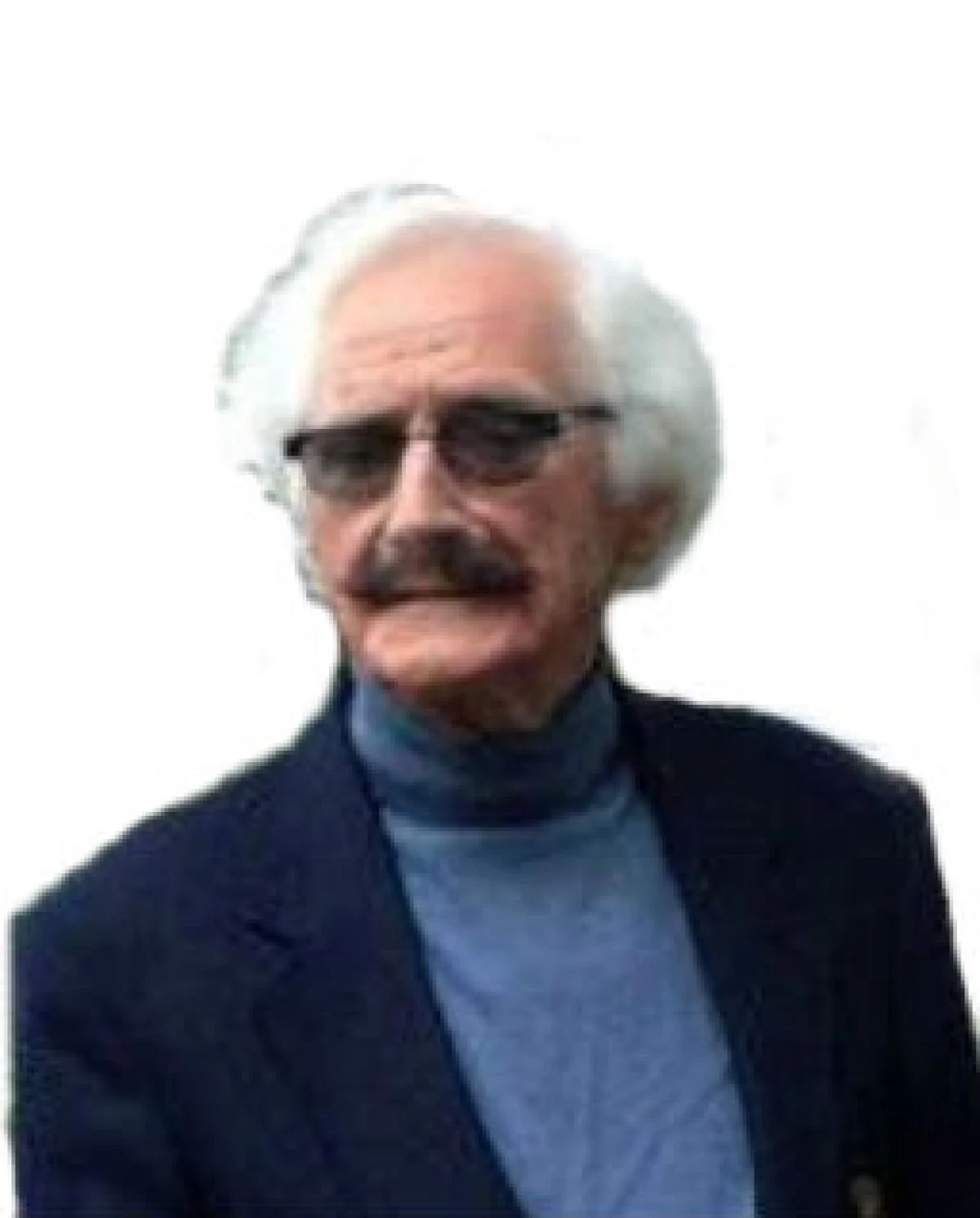
A retired professor of philosophy and psychology shares a thought-provoking discussion with university students, highlighting the often-overlooked metaphysical dimensions of human consciousness and purpose.
The seemingly mundane act of waiting for a car service at a local coffee shop can, on occasion, blossom into an unexpected intellectual exchange. This was precisely the experience of a retired university professor, whose expertise lies in the intricate realms of philosophy and psychology. During a routine visit for a cappuccino, a chance encounter with two university students sparked a conversation that delved into the profound, yet often unexamined, concepts of purpose, altruism, and the metaphysical underpinnings of human existence. The ensuing dialogue, though brief, offered a compelling glimpse into the disconnect between everyday experience and deeper philosophical inquiry, particularly among younger generations.
The Persistent Question of Purpose: A Historical and Contemporary Perspective
The conversation naturally gravitated towards the perennial human quest for purpose. The professor, drawing upon decades of academic study and observation, acknowledged the inherent difficulty in articulating a singular, universally accepted notion of purpose. History, he noted, is replete with examples of conflict and division, both on an individual and a global scale, underscoring the ongoing struggle for benevolent and spiritually tolerant attitudes.
"It’s not easy to talk about purpose," the professor stated, reflecting on the historical tapestry of human conflict. "Nations, as well as individuals, have been fighting and killing each other off throughout history. There’s still a hell of a lot to be desired when it comes to looking for benevolent and spiritually tolerant attitudes between individuals and nations." This somber assessment, however, was not presented as a definitive end to the human endeavor, but rather as a backdrop against which acts of profound good stand out with even greater significance.
Despite the pervasive challenges, the professor pointed to the burgeoning landscape of charitable organizations as a testament to the enduring human capacity for empathy and action. He specifically highlighted the work of Doctors Without Borders (Médecins Sans Frontières) as a prime example of a deeply humanistic endeavor. The dedication of nurses and doctors working and even dying in some of the world’s most perilous regions serves as a powerful illustration of altruism in action. These individuals, driven by a profound need to alleviate suffering, risk their lives and careers to serve others in distant and dangerous locales. Their actions, the professor emphasized, are fueled by a powerful internal force – the human spirit – that transcends self-interest and embodies a fundamental moral persuasion.
Unveiling the Metaphysical: Beyond the Senses
It was at this juncture that the discussion took a more specialized turn, introducing the concept of the "metaphysical." The professor observed that only one of the two students possessed a rudimentary understanding of the term’s significance. He elaborated that "metaphysical" denotes a level of awareness in human consciousness that extends beyond the tangible world of appearances and the immediate input of our five senses.
This "metaphysical awareness," he explained, is akin to a continuous, silent dialogue. It is driven by an insatiable curiosity and an ever-questing imagination, prompting fundamental questions about the "how" and "why" of our psychological complexity. This inner exploration, he posited, is propelled by a psychological force long identified as "spirit" – the very essence of the human spirit.
The professor then introduced the historical context of the term, attributing its coining to the ancient Greek scientist and philosopher Aristotle. Aristotle used the term "metaphysics" (literally, "after the things of nature") to describe abstract concepts that lie beyond the physical world. The prefix "meta" signifies "beyond" or "after," thus introducing the concept of the mind as a realm of awareness encompassing thoughts, ideas, feelings, hunches, and ruminations. These are all manifestations of an intuitive range of consciousness, often described as inspirational and serving the forces of spirit, which, in turn, are believed to be instigated by the soul.
The Duality of Consciousness: Reason and Intuition
This understanding of the mind, the professor continued, leads to a crucial insight into the duality of human consciousness. Over the course of human history, consciousness has been perceived as a partnership between two distinct but interconnected faculties: the outwardly directed rational and sensory brain, which processes information from the external world, and the inwardly directed intuitive and spiritual brain, which engages with abstract thought, emotions, and inner knowing. Together, these two components form the complex mental construct we refer to as the "mind."
To gauge the students’ engagement with this concept, the professor posed a direct question: "Do you ever ponder the unique nature of your own personalities?" The response, he recounted with a touch of wistfulness, was a pair of "blank looks." This observation underscored a potential gap in the educational or societal emphasis on introspection and philosophical inquiry, particularly concerning the deeper aspects of selfhood.
The Legacy of a Neuroscientist: Defining the Mind
As the coffee cups emptied and the time for departure approached, the professor sought to leave the students with a lasting intellectual takeaway. He recalled the words of the late Wilder Penfield, a pioneering Canadian neuroscientist and brain surgeon. Penfield, in his profound contemplation of the mind, famously described it as a "non-temporal, non-spatial entity." This definition, the professor emphasized, directly aligns with the metaphysical nature of consciousness – a realm that transcends the limitations of physical time and space, existing in a dimension beyond empirical measurement.
Penfield’s perspective, rooted in rigorous scientific inquiry, paradoxically reinforces the philosophical understanding of the mind as something that operates beyond the purely material. It suggests that while the brain is a physical organ, the "mind" – the seat of consciousness, thought, and subjective experience – may possess qualities that elude purely materialistic explanations. This notion invites further exploration into the intricate relationship between the physical brain and the intangible realm of consciousness, a relationship that has fascinated thinkers for millennia.
Implications for Education and Self-Discovery
The encounter, though brief, serves as a potent reminder of the enduring relevance of philosophical inquiry in contemporary society. The professor’s interaction with the students highlights a potential disconnect between academic disciplines and the everyday lived experience of many, particularly younger individuals. While scientific and technological advancements continue to shape our world, the fundamental questions about purpose, meaning, and the nature of consciousness remain as vital as ever.
The professor’s experience suggests a need for greater emphasis on philosophical and introspective exploration within educational curricula and societal discourse. Encouraging individuals to engage with questions about their inner lives, their motivations, and the broader implications of their existence can foster a more profound sense of self-awareness and purpose. The ability to ponder the "how" and "why" of our psychological complexity, to recognize the interplay between our rational and intuitive faculties, and to acknowledge the potential for a metaphysical dimension to our consciousness, are not merely academic pursuits but essential components of a rich and fulfilling human experience.
The legacy of thinkers like Aristotle and scientists like Penfield offers a rich intellectual heritage that can guide us in this exploration. By engaging with these ideas, individuals can begin to unravel the complex tapestry of their own minds, fostering a deeper understanding of themselves and their place in the world. The seemingly simple act of enjoying a cappuccino can, in fact, be the catalyst for a lifelong journey of philosophical discovery, one that extends far beyond the confines of a coffee shop and into the profound depths of human consciousness. The pursuit of purpose, it seems, is not a destination but a continuous, often challenging, yet ultimately rewarding, exploration.