The End of Affordable Innovation: Apple and Tech Giants Pivot as Global Memory Crisis Triggers Massive Price Hikes
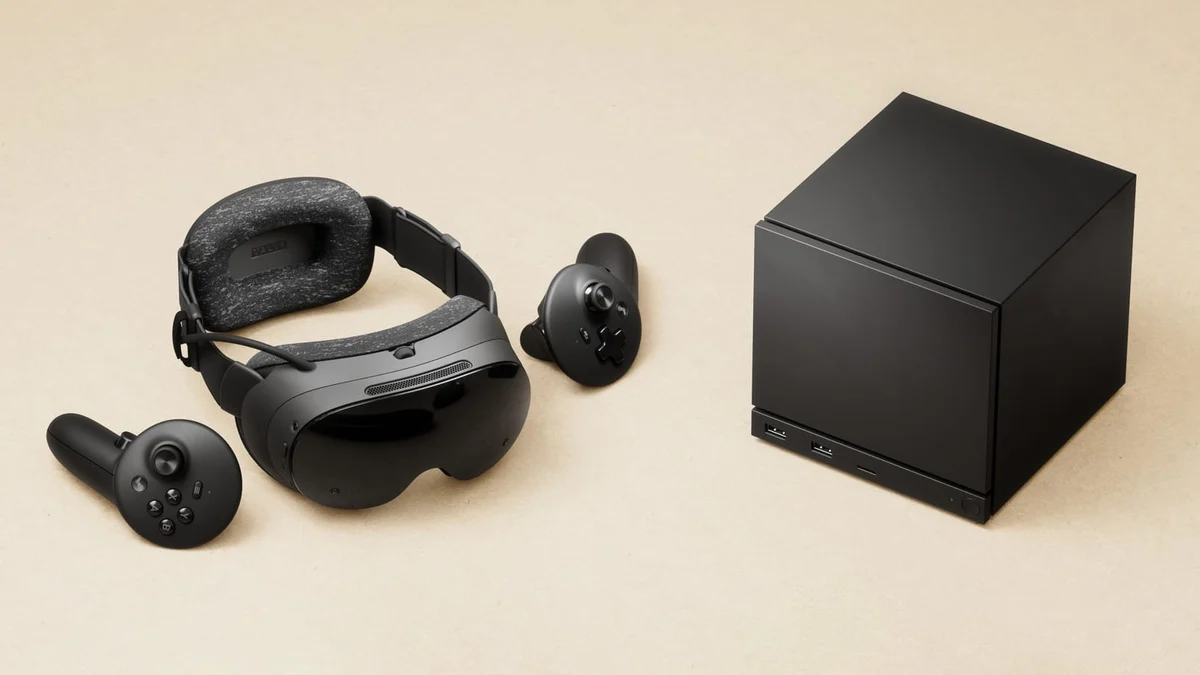
The consumer electronics industry, long defined by the "Moore’s Law" expectation of falling prices and increasing performance, has entered a period of unprecedented volatility. In a move that has sent shockwaves through the technology sector, Apple has officially announced a sweeping price increase across its product lineup. Most notably, the flagship Apple Vision Pro (M5) has seen its entry price surge to a staggering $3,700.
This adjustment is not an isolated incident but rather the latest and most significant domino to fall in a global economic shift driven by a "memory crisis" of historic proportions. From the silicon foundries of East Asia to the retail shelves of Silicon Valley, the cost of manufacturing high-end hardware is skyrocketing, ending the era of subsidized or low-margin consumer entry points.
Main Facts: Apple’s Pricing Pivot and the $3,700 Threshold
Apple, a company known for maintaining premium margins but generally stable year-over-year pricing, has broken its traditional mold. The most visible victim of this shift is the Vision Pro. Initially launched as a high-concept spatial computer, the updated M5 model now starts at $3,700, moving it further away from the reach of the average consumer and deeper into the "prosumer" and enterprise territory.
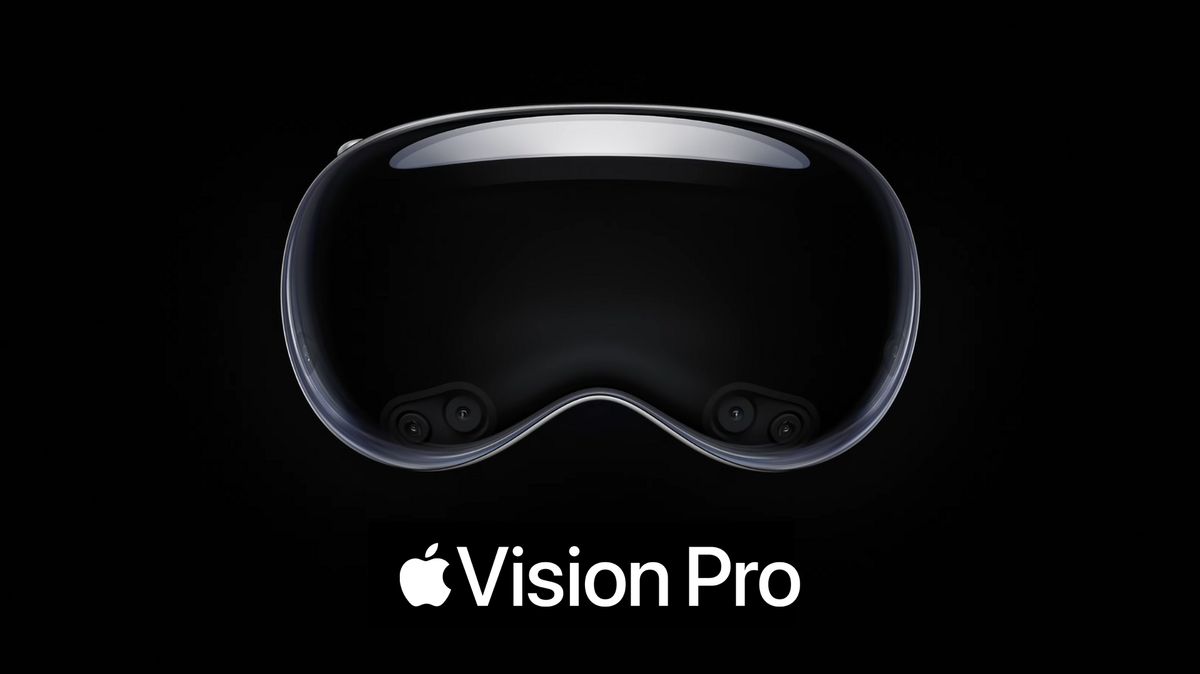
However, the Vision Pro is merely the tip of the iceberg. Apple has applied similar upward adjustments to its entire ecosystem, including:
- MacBook and iMac lines: Reflecting the increased cost of unified memory architecture.
- iPad Pro and Air: Driven by the high cost of high-speed storage and RAM required for iPadOS’s new AI features.
- HomePod Speakers: Which, despite their simpler appearance, rely on specific chipsets now caught in the supply crunch.
This move follows a period of speculation regarding a more "affordable" Vision headset. Earlier reports suggested Apple was working on a non-Pro model to bring visionOS to the masses at a price point closer to $1,500. Those plans appear to have been sidelined or rendered impossible by current market conditions. Instead of a downward trajectory, the cost of entry for Apple’s spatial computing platform is moving in the opposite direction, creating what industry analysts are calling a "darker timeline" for consumer adoption of AR/VR technology.
Chronology: From AI Boom to Hardware Bust
To understand how a $3,500 headset became a $3,700 headset, one must look at the timeline of the global semiconductor market over the last 24 months.

- Late 2023: The Generative AI Explosion. As OpenAI, Google, and Meta began a frantic arms race to train and deploy Large Language Models (LLMs), the demand for HBM (High Bandwidth Memory) and high-density RAM shifted from consumer electronics to data centers.
- Early 2024: The Industry Holdouts. While component prices began to creep up, companies like Apple and Meta initially held their ground, relying on existing inventory and long-term supply contracts to buffer consumers from price hikes.
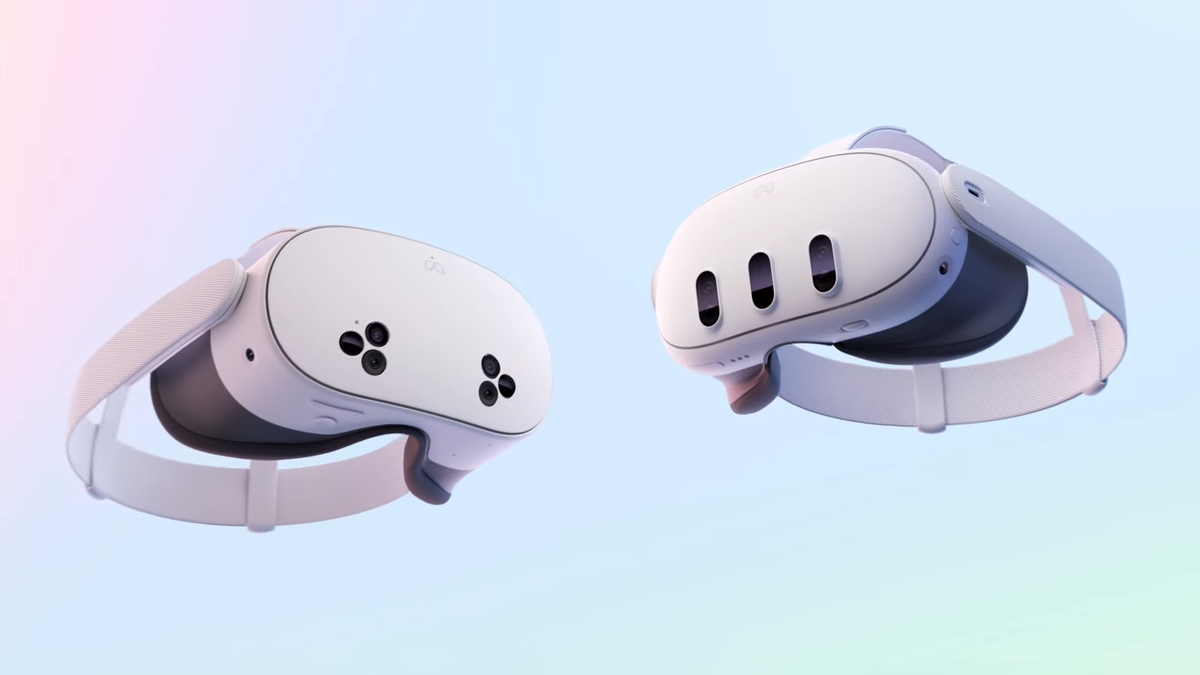
- April 2024: Meta’s First Retreat. Meta, which had previously subsidized its hardware to gain market share, was forced to increase the price of the Quest 3 to $600 and the Quest 3S to $350, citing "unsustainable" component costs.
- Mid-2024: The Console Correction. Sony and Microsoft, facing similar pressures in the gaming sector, raised prices for the PlayStation 5 and Xbox Series X in multiple international markets, breaking the traditional console cycle where hardware typically becomes cheaper as it ages.
- Present Day: Apple’s Capitulation. Apple, the final major holdout with the deepest pockets and most robust supply chain, finally succumbed to the pressure. Outgoing CEO Tim Cook’s announcement marks a definitive end to the industry’s attempt to "wait out" the crisis.
Supporting Data: The Science and Economics of the Memory Shortage
The root cause of this inflation is a fundamental imbalance in the global supply of RAM and NAND flash storage. The "Memory Crisis" is not a simple supply chain hiccup like those seen during the COVID-19 pandemic; it is a structural shift in how silicon is allocated.
The AI Tax on Hardware
Frontier AI models require massive amounts of server-side inference. For every query a user sends to an AI bot, a data center must utilize high-performance RAM to process the request. This "inference demand" is far outpacing the capacity of global leaders like SK Hynix, Micron, and Samsung to produce memory chips.
When a manufacturer has a choice between selling a RAM chip to a data center for a high-margin AI server or to a consumer electronics firm for a laptop or VR headset, the data center wins every time. This has created a "crowding out" effect where consumer-grade memory is becoming a secondary priority for foundries.
Agentic AI and the Storage Vacuum
Furthermore, the rise of "agentic AI"—systems that can perform tasks autonomously and generate vast amounts of logs, data, and media—has created an unprecedented need for storage. These AI agents run in continuous loops, generating data at a rate that human users never could. Consequently, NAND flash storage, which was once in surplus, is now facing a shortage as cloud providers scramble to build more "agentic-ready" data centers.
The Valve Case Study
The impact of this crisis is perhaps best illustrated by Valve’s recent entry into the "consolized PC" market. Valve recently opened reservations for its Steam Machine with a starting price of $1,050. Internal estimates and supply chain leaks suggest that under 2022 pricing conditions, the device would have launched at approximately $750. The $300 "memory tax" is a direct reflection of the current cost of 16GB and 32GB RAM modules in the current market.
Official Responses: Leadership in the Eye of the Storm
The rhetoric from tech leaders has shifted from optimistic growth to defensive management.

Tim Cook (Apple): In a candid interview with The Wall Street Journal, the outgoing Apple CEO described the situation as "unlike anything he has seen in 40 years." Cook, who built his reputation as a supply chain wizard, noted that the volatility in memory pricing has defied all historical models. His decision to raise prices on his way out the door is seen by many as a move to protect Apple’s gross margins before handing the reins to incoming CEO John Ternus.
Valve Corporate: In a rare public admission of pricing instability, Valve stated it needs to "revisit" the shipping schedule and pricing for its upcoming Steam Frame headset. Originally aimed to compete with the $1,000 Valve Index, the company is now signaling that hitting that sub-$1,000 target may be impossible.
Meta (Mark Zuckerberg): While Meta has been less vocal in the press, their actions speak volumes. By raising the price of the Quest 3S—a device intended to be the "entry-level" gateway to the metaverse—Meta has effectively admitted that the era of "buying the market" through subsidized hardware is over.
Implications: The "New Normal" for Consumer Technology
The ramifications of these price hikes extend far beyond the immediate sting to the consumer’s wallet. We are witnessing a fundamental shift in the tech landscape that will persist for years.
The Death of the "Cheap" Entry Point
For a decade, the goal of the XR (Extended Reality) industry was to find the "Magic Price Point"—usually cited as $299—that would trigger mass adoption. With the base model of the Quest 3S now at $350 and the Vision Pro at $3,700, that dream is effectively dead. High-end technology is reverting to being a luxury good, reserved for professionals and enthusiasts, rather than a mass-market commodity.
The 2028 Recovery Horizon
Relief is not on the immediate horizon. While memory manufacturers like Micron and SK Hynix are investing billions in new fabrication plants (Fabs), these facilities take three to five years to reach full production capacity. Market analysts predict that prices will continue to climb through 2026, stabilize in 2027, and only begin to see meaningful relief in 2028.

Stagnation in Innovation Cycles
As hardware becomes more expensive, consumers are likely to hold onto their devices longer. This could lead to a slowdown in software development; if the "install base" of new headsets and computers doesn’t grow because of high prices, developers will be less inclined to build ambitious new applications for them. This creates a "vicious cycle" where high hardware costs lead to a stagnant software ecosystem.
Conclusion: A Reshaped Landscape
The announcement from Apple is more than a price update; it is a signal that the tech industry has reached its limit in absorbing the costs of the AI revolution. As RAM and storage continue to be sucked into the vacuum of global AI infrastructure, the average consumer will be left to foot the bill.
The "darker timeline" mentioned by industry observers is now our reality. For the next several years, the "age of low-cost consumer hardware" is officially on hiatus. Whether the industry can survive this period of hyper-inflation without losing the momentum of the spatial computing and AI eras remains the most critical question for the next generation of tech leadership.