Portland Navigates Summer’s Start with a Diverse Cultural Canvas
PORTLAND, OR – As the summer solstice has come and gone, marking the official onset of the warmer season, Portland finds itself enveloped in a characteristic "June Gloom." This persistent overcast weather, a familiar local phenomenon, subtly steers leisure activities towards both indoor contemplation and temperate outdoor pursuits. For residents seeking respite from the grey skies or simply a rich array of entertainment, the cultural landscape offers a spectrum of choices, from milestone anniversaries of beloved fantasy films to the latest in stunt comedy, emerging literary talents, prestige television, and innovative fan engagement.
This weekend, as the city embraces its unique microclimate, a curated selection of cultural touchstones provides something for every inclination. Whether drawn to the fantastical narratives of fairy tales, the dark allure of vampires, or the raucous humor of middle-aged men making questionable decisions, Portland’s cultural calendar is remarkably varied. This article delves into several notable offerings, examining their historical context, cultural impact, and broader implications for contemporary entertainment.
A Cultural Compass for Portland’s June Gloom
The "June Gloom," while potentially dampening spirits for those craving immediate sunshine, paradoxically creates an ideal environment for deeper engagement with media and arts. It fosters a collective inclination towards cozy indoor activities, perfectly aligning with the wealth of new releases and anniversaries currently making waves in the entertainment world. Simultaneously, the mild temperatures present an opportunity for leisurely outdoor strolls, offering a gentle alternative to the heat often associated with summer. This duality in preferred leisure allows for a robust exploration of diverse cultural content, catering to both the introspective reader and the active viewer. The offerings this period span various genres, reflecting the multifaceted tastes of a dynamic audience base.
"Labyrinth" at 40: A Timeless Journey into the Goblin King’s Realm
Saturday, June 27th, marks the 40th anniversary of the cinematic release of Jim Henson’s fantastical masterpiece, Labyrinth. This milestone prompts a reflection on the film’s enduring legacy and its profound impact on generations of viewers.
Chronology of a Cult Classic
Released in 1986, Labyrinth initially faced a lukewarm critical and commercial reception. Directed by puppetry visionary Jim Henson and executive produced by George Lucas, the film starred a then-teenage Jennifer Connelly as Sarah, a girl who wishes her baby brother away to the Goblin King, Jareth, portrayed by the enigmatic David Bowie. The film’s intricate narrative, pioneering animatronics, and Bowie’s memorable musical contributions were perhaps ahead of their time. However, its true appreciation blossomed in the years following its theatrical run, propelled by home video releases. The advent of VHS, followed by DVD, Blu-ray, and now ubiquitous streaming platforms, allowed Labyrinth to steadily build a devoted cult following. This progression through various media formats underscores how accessibility can transform a niche film into a widely celebrated cultural phenomenon, making it readily available for new audiences to discover its unique charm.
Enduring Magic and Legacy
The lasting appeal of Labyrinth can be attributed to several key factors. Jim Henson’s unparalleled genius in puppetry and animatronics created a vivid, believable world populated by an array of fantastical creatures, from the wise worm to the mischievous goblins. This dedication to practical effects imbues the film with a tactile quality that digital effects often struggle to replicate, contributing to its timelessness. David Bowie’s performance as Jareth, the Goblin King, is arguably one of his most iconic acting roles. His charismatic, slightly menacing, yet utterly captivating portrayal, coupled with original songs like "Magic Dance" and "Underground," cemented his place in cinematic history and amplified the film’s fantastical allure. Jennifer Connelly’s portrayal of Sarah grounded the fantasy in a relatable coming-of-age journey, exploring themes of responsibility, illusion versus reality, and the transition from childhood dreams to adult choices. The film’s rich symbolism and intricate production design continue to inspire artists, filmmakers, and cosplayers, solidifying its status not just as a children’s film, but as a complex piece of art that rewards repeat viewings. Its influence can be seen across various media, from music videos to other fantasy productions, proving its indelible mark on pop culture.
Industry Perspectives and Fan Tributes
While no official "holiday" exists, the 40th anniversary of Labyrinth is a significant moment for fans and industry observers alike. Film studios and production companies often acknowledge such milestones through commemorative releases, special screenings, or retrospective documentaries, celebrating the intellectual property’s enduring value. Fans worldwide are likely to commemorate the occasion through themed gatherings, costume balls reminiscent of Jareth’s fantastical world, or simply by revisiting the film. The enduring passion for Labyrinth highlights the power of imaginative storytelling and innovative filmmaking to transcend generations, proving that genuine artistry possesses an immortal quality.
"Jackass: Best and Last" – The Unfiltered Legacy of Prankster Kings
Shifting gears dramatically, the release of Jackass: Best and Last signals another significant moment in popular culture, marking a potential capstone for a franchise that has consistently pushed the boundaries of stunt comedy and anarchic humor.
From MTV to Multiplexes
The Jackass phenomenon originated as a groundbreaking television series on MTV in 2000, masterminded by Johnny Knoxville, Jeff Tremaine, and Spike Jonze. The show quickly gained notoriety for its audacious, often dangerous, and always hilarious pranks, stunts, and general mayhem performed by Knoxville and his eccentric crew. Its raw, unfiltered approach and willingness to embrace discomfort and pain for comedic effect carved out a unique niche in entertainment. The transition from television to feature films began with Jackass: The Movie in 2002, proving the concept’s viability on the big screen. Subsequent films, including Jackass Number Two (2006), Jackass 3D (2010), and Jackass Forever (2022), consistently delivered on the promise of escalating absurdity and physical comedy, resonating with a surprisingly broad audience that appreciated its anti-establishment spirit and commitment to spectacle. The franchise’s success defied conventional wisdom, proving that a dedicated audience existed for its brand of chaotic, often cringe-inducing, entertainment.
The Art of Anarchy and Its Audience
Jackass represents a unique form of performance art, blending physical comedy, daredevil stunts, and a candid exploration of human limits and discomfort. Its appeal lies in its audacious rejection of societal norms, its celebration of a mischievous, almost childlike, sense of rebellion, and the genuine camaraderie among its cast members, despite their frequent infliction of pain upon each other. While often criticized for its perceived lack of sophistication or potential to encourage dangerous behavior, the franchise has consistently demonstrated an understanding of comedic timing and a surprisingly high production value for its stunts. The latest installment, Jackass: Best and Last, is reportedly a hybrid offering: a compilation of greatest hits from the franchise’s extensive archives alongside entirely new, chaotic prankery. This approach caters to both nostalgic fans eager to revisit classic moments and those seeking fresh doses of the crew’s signature antics, indicating a strategic move to celebrate their past while delivering novel content. The communal experience of watching Jackass in a packed cinema, as described by many fans, underscores its power to evoke visceral, shared laughter, particularly in a post-pandemic world where collective experiences hold new significance.
A Farewell to Mayhem?
The title Jackass: Best and Last strongly implies a definitive conclusion to the film series, a sentiment echoed by various cast members over the years due to the accumulating physical toll of their profession. If this indeed marks the final cinematic outing for the core Jackass crew, it prompts reflection on the legacy they leave behind. The franchise has undeniably influenced a generation of digital content creators and pranksters, albeit often without the professional safety measures and comedic genius that characterize the original. Its departure from the big screen would signify the end of an era for a unique brand of physical, often controversial, comedy that has, against all odds, maintained its relevance and fan base for over two decades.
Kristina Ten: A Rising Voice in Contemporary Speculative Fiction
Beyond the screen, the literary world continues to introduce captivating new voices, and Kristina Ten is rapidly establishing herself as a significant talent in speculative fiction, offering short stories that linger long after the final page.
Unveiling the Eerie and Enchanting
Kristina Ten’s recent collection, Tell Me Yours I’ll Tell You Mine, has garnered attention for its distinctive blend of the fantastical, the eerie, and the deeply human. Among its standout pieces is "Approved Methods of Love Divination in the First-Rate City of Dushagorod," first published in 2023. This story exemplifies Ten’s unique ability to construct elaborate, yet believable, alternate realities where ancient customs and societal structures dictate the most intimate aspects of life. In Dushagorod, love divination is not a frivolous pastime but a serious, ritualized process by which individuals determine their destined spouses. Ten masterfully explores the intricate social dynamics and personal anxieties inherent in such a system, evoking a sense of both wonder and quiet dread. Her prose is precise, crafting a world that feels simultaneously alien and intimately familiar, touching upon universal themes of love, fate, and societal expectation.
Crafting the Uncanny: A Comparison to Kelly Link
Critics and readers have drawn parallels between Kristina Ten’s work and that of acclaimed author Kelly Link, a comparison that speaks volumes about Ten’s unique style and potential. Kelly Link is renowned for her distinct brand of fabulist fiction, characterized by its surreal elements, understated creepiness, and elegant prose that blurs the lines between genre and literary fiction. Her stories often feature elements of fairy tales, horror, and the uncanny, woven into narratives that are both disquieting and profoundly beautiful. The comparison suggests that Ten shares Link’s talent for infusing everyday scenarios with a subtle, unsettling magic, creating stories that are not overtly horrifying but rather possess a pervasive sense of the strange and inexplicable. Like Link, Ten crafts narratives where seemingly mundane objects or traditions—such as apple stems or paper fortune tellers in "Approved Methods"—take on profound, often ominous, significance, imbuing them with a quiet power that resonates deeply with the reader. This ability to make the ordinary extraordinary and subtly terrifying positions Ten as a significant voice contributing to the evolution of contemporary speculative fiction.
Digital Discoveries and Literary Impact
Ten’s other notable work, "Bunny Ears," available online through Nightmare Magazine, further showcases her versatility and talent for crafting haunting narratives. The accessibility of such stories through online literary journals is a crucial aspect of modern literary discovery, allowing new voices to reach a global audience rapidly. Nightmare Magazine, a respected platform for horror and dark fantasy, provides an ideal home for Ten’s particular brand of unsettling storytelling. Her work exemplifies the ongoing vitality of the short story as a powerful literary form, capable of exploring complex themes and eliciting strong emotional responses within concise narratives. As Kristina Ten continues to publish, her distinct voice and talent for weaving intricate, eerie tales promise to leave a lasting mark on the genre, solidifying her reputation as an author to watch.
"Sugar": Colin Farrell’s Genre-Bending Neo-Noir on Apple TV+
In the realm of prestige television, Apple TV+ continues to carve out a niche for compelling, high-quality dramas, and Sugar stands out as a particularly intriguing entry, offering a fresh, genre-bending take on the classic private investigator narrative, headlined by a captivating Colin Farrell.
A Fresh Take on the Private Investigator
Sugar, created by Mark Protosevich, presents Colin Farrell as John Sugar, a private investigator operating in a stylish, enigmatic Los Angeles. The series consciously plays with the conventions of the neo-noir genre, offering a unique visual and narrative experience. Instead of traditional establishing shots or scenes of Sugar’s observations, the series frequently interpolates clips from classic cinema, effectively using film language as a narrative device to convey Sugar’s internal monologue or his perception of the world. This meta-cinematic approach elevates the series beyond a standard detective procedural, creating an immersive experience that is both intellectually stimulating and visually striking. The portrayal of Los Angeles itself becomes a character, steeped in cinematic history and presenting a glamorous yet often sinister backdrop for Sugar’s investigations. A significant aspect of Sugar that sets it apart is a profound, genre-bending revelation that unfolds during its first season. This unexpected narrative turn completely recontextualizes the series, transforming it from a conventional noir into something far more ambitious and unique. While specific details must be carefully avoided to preserve the viewing experience, this twist has been a major point of discussion among critics and audiences, highlighting the show’s willingness to subvert expectations and push narrative boundaries.
Farrell’s Evolving Craft and Ensemble Talent
Colin Farrell’s performance as John Sugar is central to the series’ success. Known for his versatility, Farrell has undergone a remarkable career transformation in recent years, moving from blockbuster action roles to critically acclaimed performances in films like The Banshees of Inisherin and The Batman. In Sugar, he embodies a character who is intensely driven, yet carries an almost apologetic demeanor, hinting at a complex inner world. His portrayal is nuanced, conveying deep emotion and a profound sense of purpose beneath a calm exterior. Farrell’s ability to imbue Sugar with both gravitas and vulnerability makes him a compelling protagonist in a genre often populated by stoic figures. The series is further enriched by a strong supporting cast, including the formidable talents of Kirby Howell-Baptiste and Amy Ryan. Both actresses, widely recognized for their impactful roles in various films and television series, deliver powerful performances that elevate the narrative and complement Farrell’s lead. Their presence underscores the show’s commitment to high-caliber acting, contributing significantly to its overall quality and drawing critical acclaim.
Streaming’s New Noir Frontier
Sugar has garnered significant critical attention for its innovative approach to the detective genre and its distinctive aesthetic. Its success on Apple TV+ exemplifies the platform’s commitment to producing sophisticated, thought-provoking dramas that challenge conventional storytelling. The series contributes to a broader trend in streaming television where creators are given the freedom to experiment with genre conventions and visual styles, attracting A-list talent and pushing the boundaries of what television can achieve. The anticipation for its second season, which premiered recently, highlights the show’s ability to captivate an audience eager for complex narratives and unique artistic vision. Sugar solidifies its place as a compelling entry in the evolving landscape of neo-noir, demonstrating how classic tropes can be reimagined for a contemporary, discerning audience.
Immersive Fandom: "The Vampire Lestat" Perfume Collection
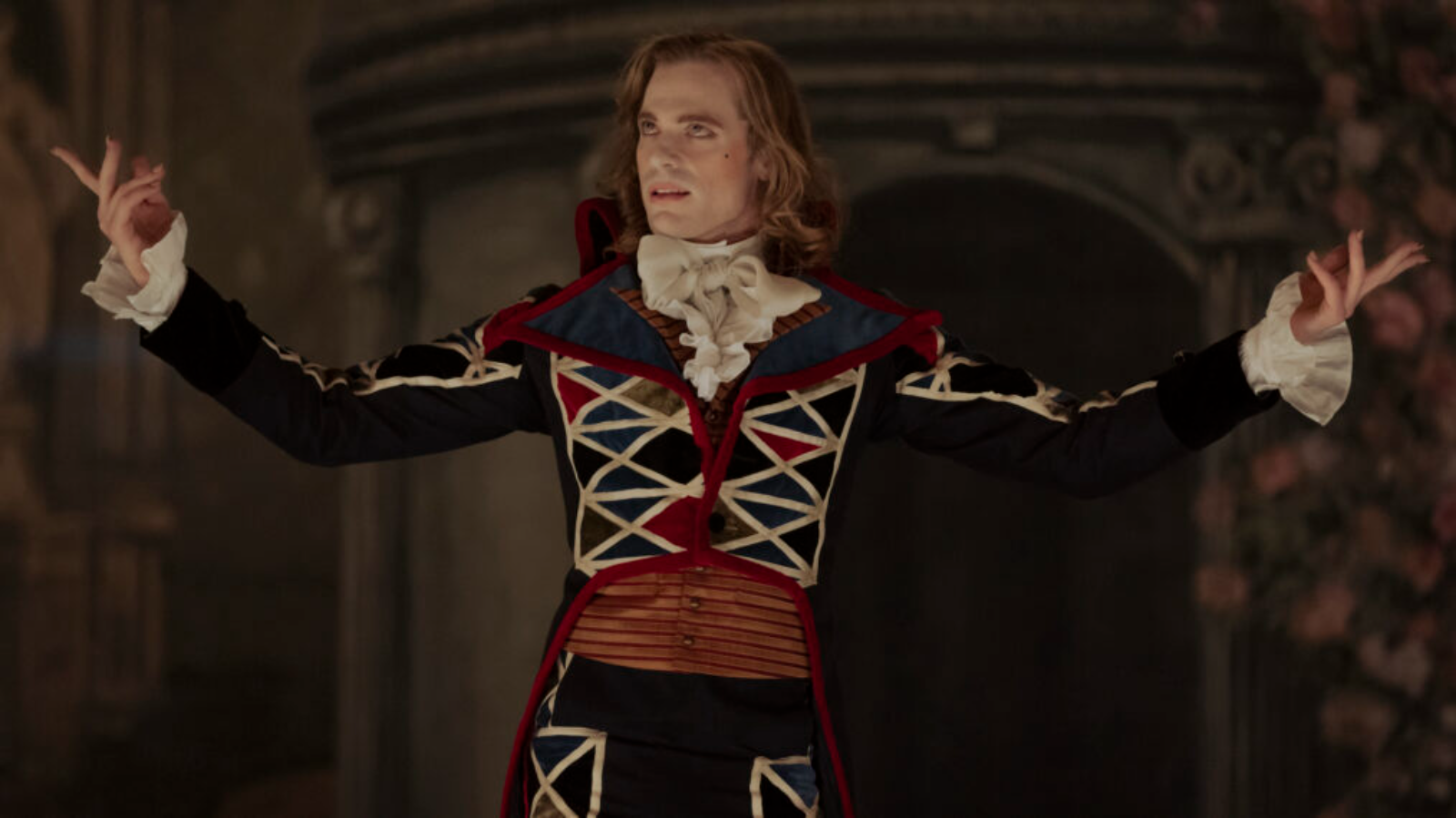
The world of fan engagement has evolved far beyond traditional merchandise, now extending into highly specialized and sensory experiences. A prime example is Black Phoenix Alchemy Lab’s (BPAL) recent official perfume collection inspired by Anne Rice’s iconic The Vampire Lestat series, specifically tying into the AMC television adaptation, Interview with the Vampire.
Scenting the Supernatural: Black Phoenix Alchemy Lab’s Unique Niche
Black Phoenix Alchemy Lab (BPAL) has, for decades, cultivated a unique niche in the indie perfumery market by creating artisanal oils inspired by literature, mythology, art, and pop culture. Their dedication to crafting complex, evocative scents that capture the essence of their source material has earned them a devoted following. This collaboration with AMC and the Anne Rice estate for The Vampire Lestat collection represents a significant expansion of their media tie-in portfolio, which already includes partnerships for works like Only Lovers Left Alive and Crimson Peak, demonstrating their expertise in translating narrative and atmosphere into olfactory experiences. BPAL’s approach goes beyond simple marketing; it’s about creating an immersive, sensory connection to beloved fictional worlds, allowing fans to quite literally "smell" the characters and settings they adore.
Capturing Anne Rice’s Legacy
The Vampire Lestat perfume collection is a testament to BPAL’s meticulous craftsmanship and deep understanding of Anne Rice’s rich, gothic universe. While Lestat, the "Brat Prince" himself, awaits his fragrant debut, the collection already features scents for other pivotal characters from Rice’s The Vampire Chronicles as interpreted by the AMC series. Louis de Pointe du Lac, the tortured protagonist, is represented by a delectable combination of "dark vetiver, bitter coffee, bay rum, osmanthus, magnolia, scorched sandalwood, dry patchouli, blood." These notes conjure a sensory portrait of Louis’s internal conflict and his melancholic existence: the darkness of his vampiric nature (vetiver, scorched sandalwood), his human memories (coffee, magnolia), and the ever-present reality of his sustenance (blood). Similarly, Armand, Gabriella, and even a "Vampire DJ of Some Renown" receive their olfactory interpretations, each blend carefully curated to reflect their personalities and roles within the narrative. The inclusion of scents for Lestat’s fictional songs, such as "Black Licorice," further blurs the line between story and tangible experience, offering fans an unprecedented level of immersion. This level of detail and thematic consistency underscores the collaborative effort to genuinely honor the source material.
The Expanding Universe of Fan Merchandise
This perfume collection highlights a growing trend in fan culture: the desire for increasingly immersive and multi-sensory experiences that extend beyond traditional media consumption. Fans are no longer content with just watching or reading; they seek ways to embody, interact with, and literally "breathe in" the worlds they love. Niche merchandise like BPAL’s perfumes caters to this demand, offering a unique form of personal expression and connection to fictional narratives. It represents the ultimate evolution of the media tie-in, transforming passive consumption into an active, sensory engagement. The success of such ventures signals a vibrant future for specialized fan products, demonstrating the profound and ever-expanding ways in which audiences connect with and celebrate their favorite stories and characters.
Broader Implications for Leisure and Culture
The diverse cultural offerings highlighted in this period—from a 40-year-old fantasy film to a new perfume line—underscore several significant trends in contemporary leisure and cultural consumption. Nostalgia continues to be a powerful driver, as evidenced by the enduring appeal of Labyrinth and the "greatest hits" aspect of Jackass. These familiar touchstones offer comfort and a shared cultural vocabulary across generations. Simultaneously, there’s a clear appetite for innovation and genre subversion, as seen in Kristina Ten’s fresh approach to speculative fiction and Sugar‘s unique take on neo-noir. Streaming platforms play an increasingly pivotal role in delivering diverse content, democratizing access to both established classics and groundbreaking new works.
Furthermore, the rise of specialized, immersive fan experiences, such as the Vampire Lestat perfume collection, indicates a growing desire for deeper, more personal connections to fictional worlds. This blurring of lines between media and lifestyle products reflects a broader cultural shift towards integrated, multi-sensory engagement. As technology evolves and creative boundaries expand, the landscape of entertainment continues to diversify, ensuring that there truly is "something for everyone," even amidst Portland’s persistent June Gloom.