
The End of an Era: Analyzing the Brutal and Poetic Series Finale of ‘The Boys’
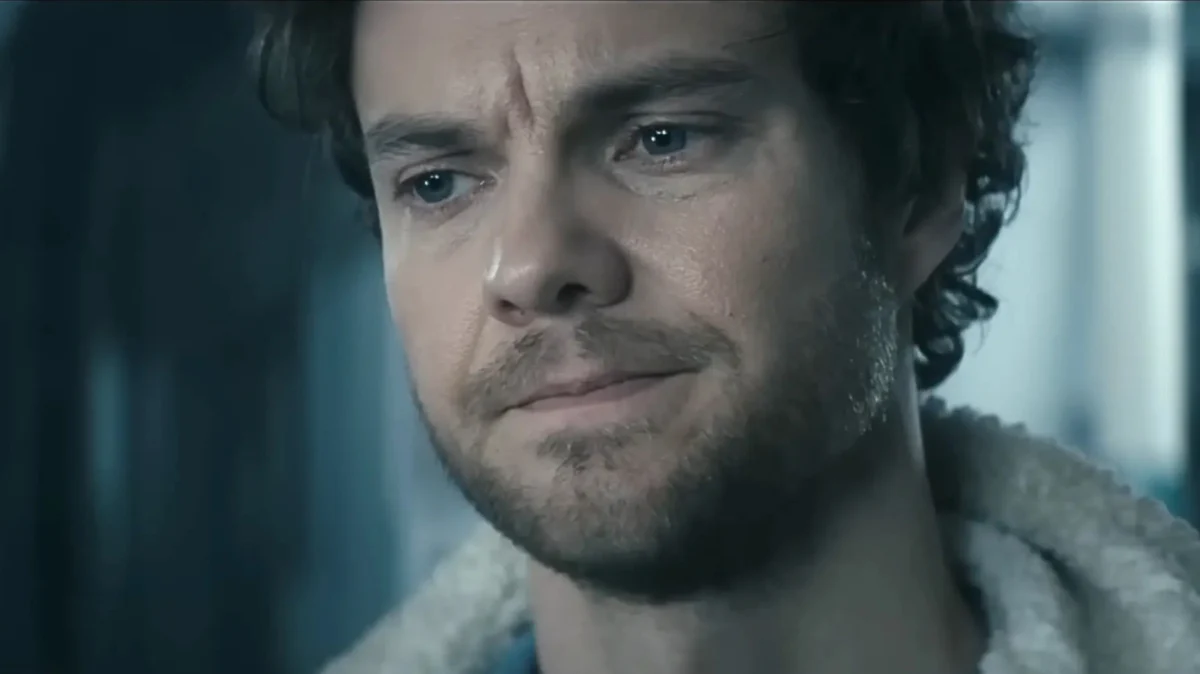
The long-running Prime Video flagship series The Boys has reached its violent, cynical, and ultimately somber conclusion with the Season 5 finale, titled "Blood and Bone." Since its debut in 2019, the show has served as a razor-sharp satire of superhero worship, corporate hegemony, and the darker impulses of American celebrity culture. In its final hour, showrunner Eric Kripke delivers a "scorched earth" resolution that balances visceral fan service with a sobering message about the permanence of systemic corruption.
Main Facts: The Fallout of ‘Blood and Bone’
The series finale, "Blood and Bone," centers on the final collision between the series’ two primary antagonists: Billy Butcher (Karl Urban) and Homelander (Antony Starr). The episode title refers to the pact the two made in Season 3—a promise to fight until only one remained.
The finale successfully closes the narrative loops for the original members of "The Boys" while delivering lethal justice to the Seven’s most prominent members. Key outcomes include:
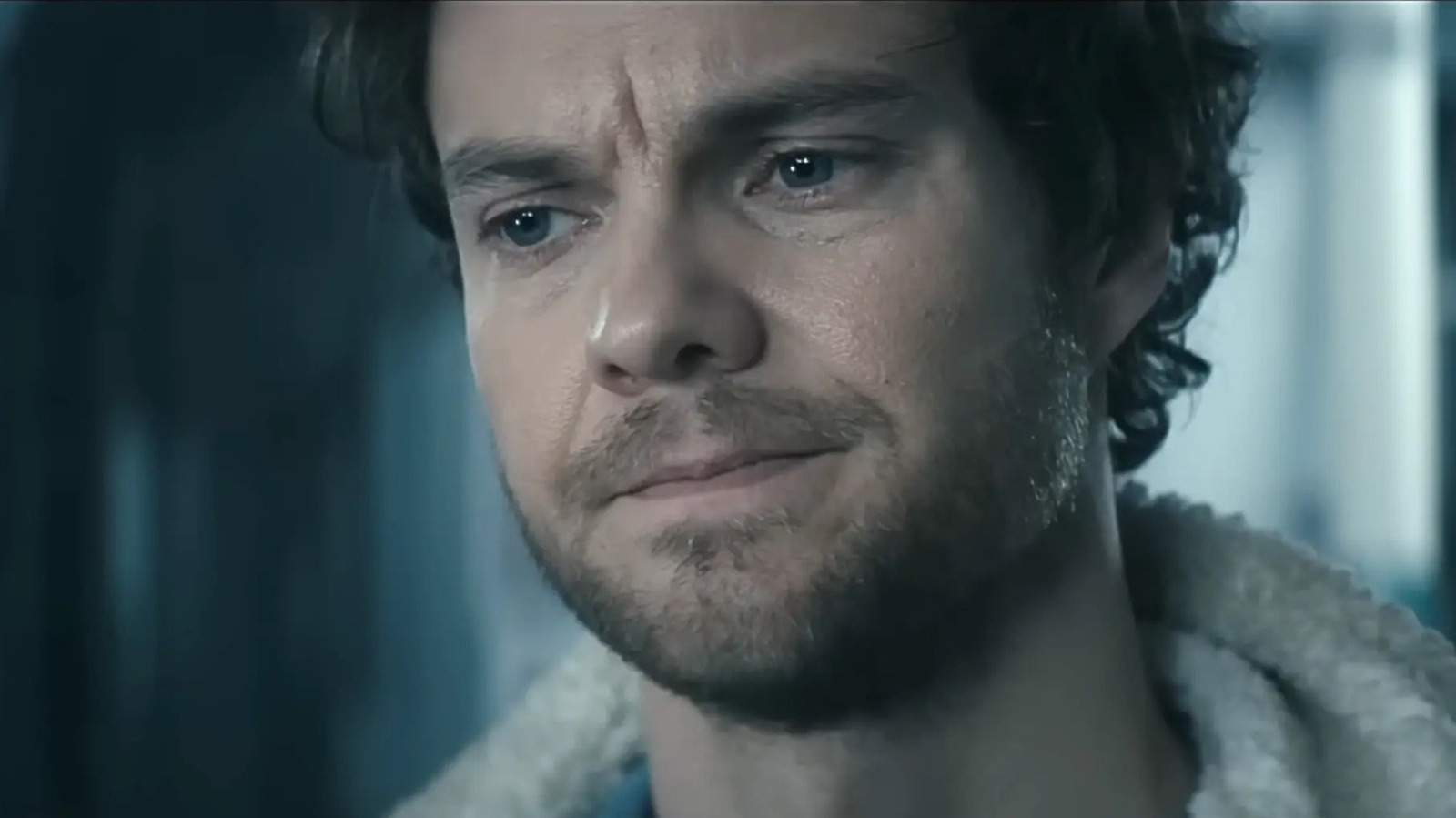
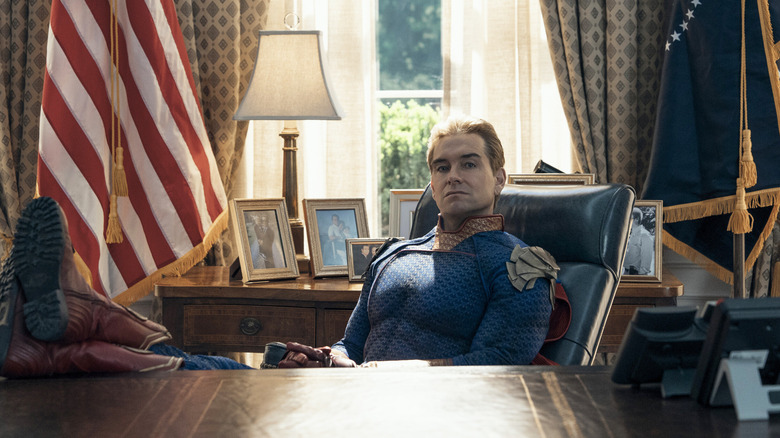
- The Death of Homelander: The "invincible" supe is depowered and executed in the Oval Office.
- The Fall of Billy Butcher: After succumbing to his genocidal impulses regarding the supe-killing virus, Butcher is killed by his own protégé, Hughie Campbell.
- The Survival of Vought: Despite the deaths of its "heroes," Vought International survives under the renewed leadership of Stan Edgar (Giancarlo Esposito).
- The Quiet Life: Survivors Hughie Campbell (Jack Quaid) and Annie January (Erin Moriarty) retreat from the front lines to pursue a domestic life, albeit one still shadowed by the existence of Compound V.
Chronology: The Final 60 Minutes
The finale begins in the high-stakes environment of a collapsing administration. Following the events of Season 5’s penultimate episode, the Boys—Hughie, M.M., Kimiko, and Starlight—coordinate a desperate infiltration of the White House. Their goal is no longer just survival; it is the total decapitation of the Vought-backed regime.
The Infiltration and the Oval Office Confrontation
The climax occurs when the Boys, aided by a brief moment of conscience from Vought executive Ashley Barrett, gain access to the President’s inner sanctum. The ensuing battle is less a superhero brawl and more a systematic dismantling of Homelander’s ego.
Kimiko (Karen Fukuhara) utilizes a refined, weaponized version of the Compound V-destroying beam (first seen via Soldier Boy), successfully stripping Homelander of his god-like abilities. For the first time in the series, the world’s most dangerous man is rendered human. The subsequent confrontation with Billy Butcher is not the epic duel Homelander expected, but a one-sided, humiliating beatdown that ends with Butcher using his signature crowbar to execute the fallen supe on the Resolute Desk.
The Viral Crisis
The victory is short-lived. Following Homelander’s death, Butcher’s psychological state fractures completely. Grief-stricken over the death of his dog, Terror, and the rejection of his ward, Ryan, Butcher attempts to release the supe-killing virus developed in Gen V into the building’s ventilation system. This would have resulted in a global pandemic, killing every individual with Compound V in their system, including Kimiko and Annie.
The Final Sacrifice
The series concludes its emotional arc as Hughie Campbell is forced to become the man Butcher always feared he would be. Recognizing that Butcher has become the very monster they set out to destroy, Hughie confronts him. In a moment of tragic self-defense and mercy, Hughie shoots Butcher, preventing the release of the virus and ending the crusade that started the series.
Supporting Data: Character Arcs and Poetic Justice
The finale of The Boys was meticulously structured to provide "karmic" endings for its ensemble cast, reflecting the moral choices they made throughout five seasons.
The Deep’s Marine Retribution
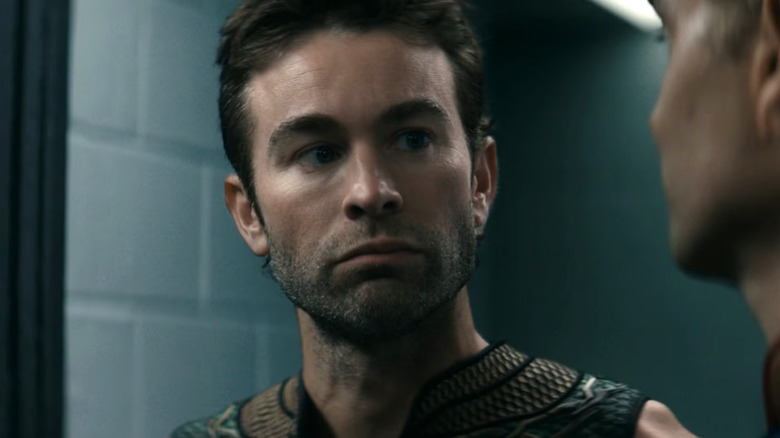
The death of The Deep (Chace Crawford) served as a direct callback to his original sin in the series premiere. Throughout the show, The Deep’s relationship with marine life was played for dark comedy, but in "Blood and Bone," it became his executioner. After being blasted into the ocean by Starlight, he was swarmed by the very creatures he had exploited and failed. The imagery of a giant octopus tentacle impaling him through the mouth served as a grim, symbolic mirroring of his history of sexual assault, providing a finality that the character’s pathetic nature had long delayed.
The Redemption of A-Train
While many characters died in the finale, A-Train (Jessie T. Usher) received his resolution earlier in the season. His arc from a shallow murderer to a man willing to sacrifice his life to save others provided the show with its rare moment of genuine heroism. His death in the Season 5 premiere set the tone for the finale: that redemption is possible, but the price is often total.
The Corporate Cockroaches: Ashley and Sage
The show’s cynical heart remained intact through the fates of the non-combatants. Ashley Barrett (Colby Minifie), the quintessential corporate enabler, survived the violence only to be impeached and arrested—a fate that, for a woman defined by status, is a living death. Similarly, Sister Sage (Susan Heyward) exited the series on her own terms. By allowing Kimiko to temporarily depower her, she escaped the burden of her "super-intelligence," proving that the smartest person in the room knew exactly when to leave.
Official Responses and Meta-Context
Critics and audiences have noted that the series finale deviates significantly from the original comic book ending by Garth Ennis and Darick Robertson. In the source material, the ending is a nihilistic bloodbath where Butcher systematically murders the remaining members of the Boys.
Showrunner Eric Kripke has gone on record in various interviews throughout the final season’s production stating that the television adaptation sought a "more hopeful, yet grounded" conclusion. The decision to have Hughie kill Butcher, rather than Butcher killing his team, shifts the focus from nihilism to the necessity of breaking cycles of violence.
The inclusion of the Gen V virus as a central plot point in the finale also served to unify the "Vought Cinematic Universe," ensuring that the stakes of the spin-off series had a direct and permanent impact on the main narrative’s resolution.
Implications: The Survival of the System
The most profound implication of "Blood and Bone" is the revelation that killing the "superheroes" does not kill the "system." The final scenes of the episode depict a world that has already moved on from Homelander.
The Return of Stan Edgar
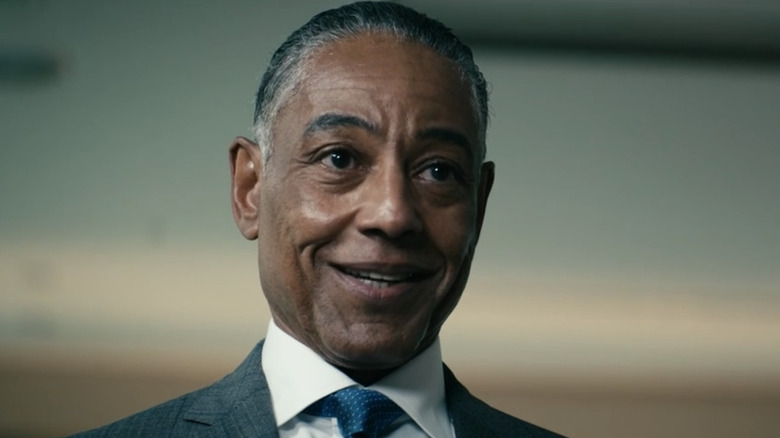
The return of Stan Edgar as the interim CEO of Vought International is perhaps the show’s most chilling conclusion. It suggests that while individual bad actors like Homelander can be removed, the corporate structures that created them are immortal. Edgar represents "soft power"—the ability to control the world through lobbyists, pharmaceutical patents, and public relations rather than laser eyes. The show ends with Vought poised to rebuild, likely without the volatile "celebrity" supes, focusing instead on more controllable, militarized applications of Compound V.
The Legacy of the Boys
For the survivors, the ending is bittersweet. Hughie and Annie’s move to a domestic life, running an A/V store, is a return to Hughie’s roots. However, Annie’s pregnancy and her decision to continue "street-level" superhero work suggest that the world will always need protectors, even if the "Golden Age" of the Seven is over.
The funeral of Billy Butcher, where he is buried next to his wife Becca, serves as the final period on a story about the cost of vengeance. As Hughie notes in his eulogy, Butcher was a man who "saved the world by being the biggest bastard in it," but his death was the only way to ensure the world stayed saved.
Conclusion
The Boys series finale, "Blood and Bone," succeeds by refusing to provide an easy, purely triumphant ending. It remains true to its themes: power corrupts, revenge is a hollow pursuit, and the "good guys" are often just the people who know when to stop fighting. By killing its lead antagonist and protagonist in the same hour, the show cements its legacy as one of the most uncompromising deconstructions of the superhero mythos ever committed to film. While the supes may be gone, the corporate shadow of Vought remains, leaving the door cracked for future stories in a world that is slightly quieter, but no less dangerous.


Leave a Comment