The Enduring Power of the Heroic Narrative: Why We Still Need Tales of Courage in a Complex World
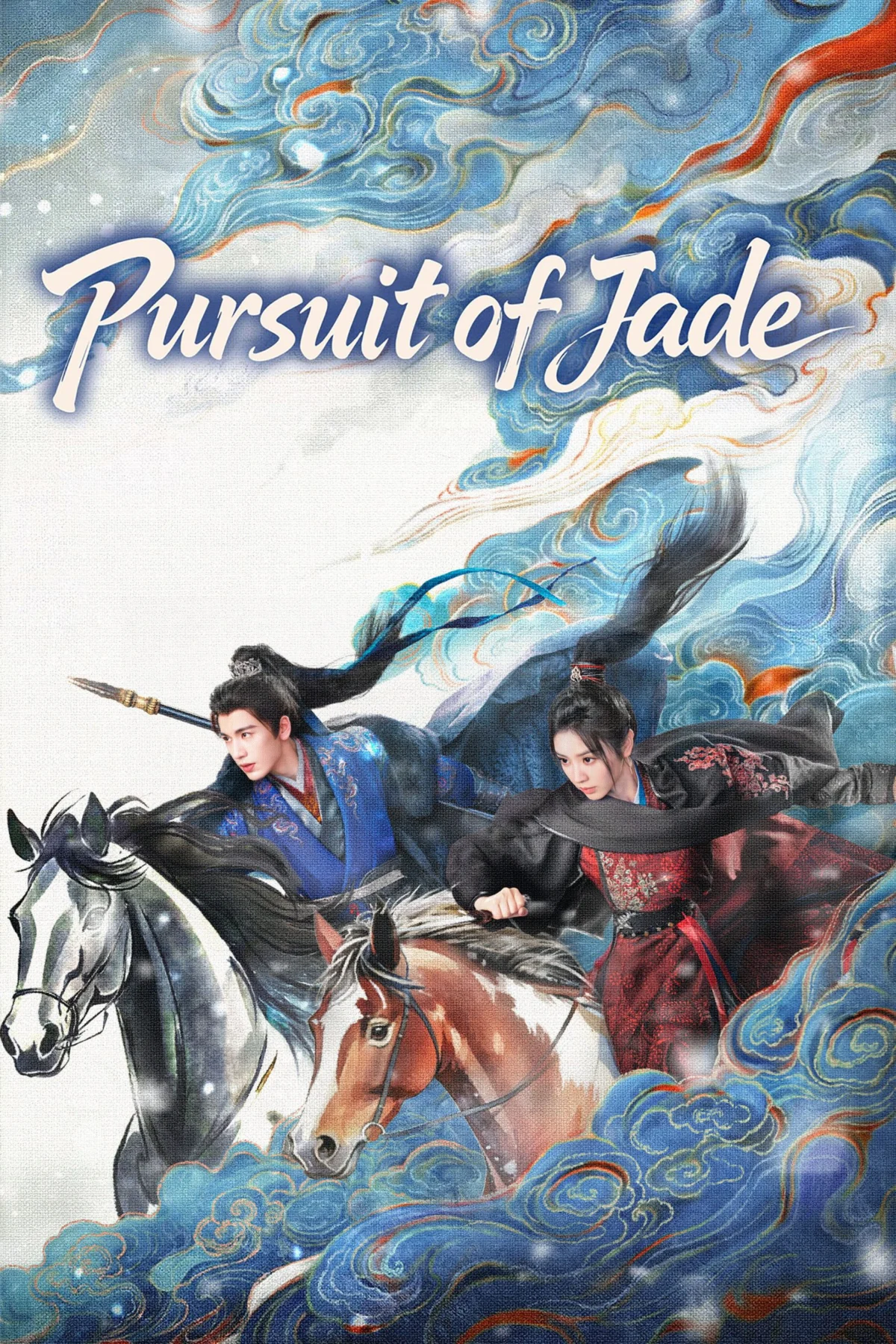
In an era often characterized by shades of gray and morally ambiguous protagonists, a fundamental question emerges: do we still need heroic stories? The author of this piece argues passionately that the answer is a resounding yes. Far from being mere entertainment, these narratives, when crafted with depth and sincerity, tap into a primal human need for inspiration, courage, and a vision of what is possible. This exploration delves into the profound impact of heroic storytelling, exemplified by a recent personal experience that underscored its vital importance.
The Dichotomy of Protagonist and Hero: Redefining Storytelling’s Core
The common perception often equates "hero" with "protagonist." However, a closer examination reveals a crucial distinction. A protagonist, by definition, is the engine of a narrative’s plot, the character whose journey drives the action forward. The antagonist, conversely, serves as the primary obstacle to this momentum. Crucially, the term "protagonist" carries no inherent moral weight or implication of virtue. Stories can, and often do, feature protagonists who are morally complex, flawed, or even outright anti-heroes. This trend towards exploring the "morally gray" has undeniably enriched the landscape of storytelling, offering nuanced reflections of life’s complexities and providing catharsis through the exploration of shadows and tragedies.

Yet, in our pursuit of sophistication, there’s a risk of overlooking the profound value of the genuinely heroic. Genre fiction, such as action-adventure and romance, often dismissed as less artistically significant due to their tendency towards "happily ever after" resolutions, actually harbors a deeper, symbolic truth. The inherent structure of a story arc, regardless of genre, is fundamentally heroic. It embodies a process of shedding the false, navigating trials, and emerging transformed—akin to the mythical phoenix. This journey, moving through darkness and back to the dawn, offers a powerful gift: a demonstration of what hope and courage can achieve. While the clarity of disillusionment is also a vital component of narrative, the enduring need for stories that ignite the archetype of heroism within our imaginations remains paramount.
A Personal Awakening: The Allure of Asian Dramas and the Resonance of "Pursuit of Jade"
This belief in the necessity of heroic narratives was recently solidified through a personal journey into the captivating world of Asian dramas. The author’s tentative dive into the 40-episode Chinese historical drama, Pursuit of Jade, proved to be a revelation, offering precisely the kind of narrative fulfillment that had been elusive elsewhere.

Set in a semi-fantastical medieval China, Pursuit of Jade centers on Fan Changyu, a young woman burdened with the responsibility of her family’s pig butchering business following the murder of her parents. Her life takes a dramatic turn when she discovers a mortally wounded stranger, Xie Zheng, a powerful general and nobleman. Driven by innate goodness, she risks everything to nurse him back to health. Unbeknownst to her, Xie Zheng, in a bid to protect her from a predatory uncle, agrees to a nominal marriage, thereby securing her family’s home.
What unfolds is a sweeping saga of love, separation, war, and a perilous quest for justice. Changyu embarks on her own heroic journey, eventually reuniting with Zheng, discovering his true identity, and together confronting a conspiracy that led to her parents’ demise while striving to save the empire. The series captivates with its stunning visuals, evocative soundtrack, humor, charm, a slow-burn romance, and epic wartime drama. The author describes an immersive experience, filled with laughter, tears, swoons, and moments of pure exhilaration, culminating in a binge-watch of the entire series followed by an immediate rewatch.

Despite some minor structural and pacing issues in its latter half, Pursuit of Jade provided a profound "story high" for the author, rekindling an appreciation for the power of narratives that transcend mere entertainment. It served as a potent reminder of why these kinds of stories are so crucial.
The Night of the Wildfire: When Fiction Becomes Fuel for Courage
The very night the author finished Pursuit of Jade, a terrifying reality intruded upon the fictional world. A phone call at 12:30 AM from her father delivered a stark warning: "You’ve got fires around you." Living on the edge of a high-risk wildfire area in Nebraska, an area already grappling with an extreme drought and the devastating aftermath of the Morrill Fire and South Fork Fire, the news was particularly alarming. The state had already seen nearly a million acres burn that year, with dire predictions of drought conditions potentially rivaling the Dust Bowl.

The fire, originating just two miles from the author’s home, raged with flames higher than nearby structures. Compounding the danger was a Red Flag Day with strong winds blowing directly towards her neighborhood. However, in a twist of fate that felt almost storybook-like, the wind unexpectedly subsided for an hour at dusk, granting neighbors and firefighters a critical window to contain the blaze. The fire was out before the author even went to bed, her father having learned of it through an internet news check rather than her own fire alert app. She still heeded his advice and spent the night at her parents’ home.
Despite the anticlimactic resolution, the experience was deeply impactful. The author’s lifelong fear of fire, amplified by the current drought conditions, had been tested. Yet, as she calmly executed her emergency "go plan," it was the narrative of Pursuit of Jade that echoed in her mind.

The Narrative Crucible: How Stories Forge Courage Before We Need It
The author’s immersion in the 40-hour drama had deeply ingrained its themes of courage and steadfastness. The music, the characters’ resilience in the face of hardship, and the legacy of their epic struggles resonated within her as she faced what, at that moment, felt like a significant personal threshold.
In the midst of the uncertainty and adrenaline, she felt an overwhelming sense of gratitude for the story she was carrying. The images, emotions, and archetypes from Pursuit of Jade acted as a portal to her own inner courage and resolve. In the days that followed, as she processed the lingering effects of the scare, she recognized the profound power of such unabashedly heroic stories. They offer a vision of the hardships we may face and, more importantly, imprint upon us the fundamental promise that we can overcome them.

This experience perfectly encapsulates the concept of "mythic fiction"—stories that bypass the rational mind and connect directly with the imaginal unconscious, accessing the pre-linguistic, archetypal foundations of human experience. The power of these narratives lies not in technical mastery or even explicit symbolism, but in their direct communication with a deeper part of ourselves. As Carl Jung observed, symbols are not consciously invented but are spontaneous products of the psyche, hinting at the unknown.
It was not a rational understanding or an intellectual appreciation of Pursuit of Jade that provided courage, but a sense of archetypal recognition. The story, like a tuning fork, resonated with an inherent capacity for heroism within. Stories, in essence, evoke and activate archetypes. They are an inevitably subliminal technology, capable of stirring within us not only evil but also goodness, cowardice but also courageous hope, cynicism but also sincerity and goodheartedness. These are the essential elements that sustain us through the weariness of daily life and empower us during moments of existential threat.

Six Pillars of Heroic Storytelling: Crafting Narratives That Inspire
Recognizing the vital role of heroic stories, the author offers six practical perspectives for writers aiming to create narratives that resonate with readers on a profound level:
1. Channel Heroism Before You Write Heroic Characters
The ability to craft resonant heroic stories begins with the author’s own capacity to tap into these archetypal forces. This connection is often discovered organically during the creative process—through daydreaming, outlining, drafting, and even editing. It’s not always a conscious endeavor but rather a state of being an "empty vessel, waiting to be filled" by these primal energies.

2. Write Heroic Archetypes, Not Just Heroic Actions
True heroic storytelling transcends merely depicting characters performing heroic deeds. While such actions can create impactful stories, the deeper caliber of narrative emerges when characters embody archetypes, such as the Hero. Pursuit of Jade, for instance, offered familiar tropes, but their presentation with sincerity and honesty returned them to a deeper, archetypal realm, making them feel more authentic and profound.
3. Remember Heroic Characters Come in Many Archetypal Forms
The concept of heroism extends beyond the singular "Hero" archetype. The author’s framework, detailed in Writing Archetypal Character Arcs, highlights six central transformation archetypes—Maiden, Hero, Queen, King, Crone, Mage—all of which demand immense courage. Steadfast archetypes like the Child, Lover, Parent, Ruler, Elder, and Mentor also embody forms of heroism. Even seemingly negative archetypes, like the Tyrant or Tempter, can evoke valuable responses when authentically integrated into a story arc.

4. Focus on the Feeling Readers Carry Away
Heroic stories need not always conclude happily or provide definitive answers. Their truth lies not in the words or even the characters’ final beliefs, but in the enduring feeling they leave with the reader. Drawing parallels to Aristotle’s concept of catharsis in tragedy, the author emphasizes that some stories, like Lord of the Rings or Children of Men, possess the power to fundamentally change us, descending into our symbolic depths and leaving us with a profound emotional takeaway. The ending of Children of Men, with its potent symbol of sacrifice and the dawning of a new day, exemplifies this.
5. Take Readers Through Death to Reach New Life
Storytelling is inherently a cycle of life, death, and rebirth. Heroic narratives, in particular, necessitate confronting death to offer life. Heroism arises from despair in the face of mortality; without darkness, there can be no heroism. The deeper the pit, the greater the heroism, and the starker the archetype.

6. Let Goodness Be Genuinely Good
While complexity is often valued, there are times when simplicity in goodness is profoundly effective. This is not to advocate for one-dimensional characters, but rather for the power of seeing a genuinely good person making the right choices despite facing harsh consequences. Archetypes, by their nature, can be simple. The sincerity of goodheartedness, devotion, and steadfastness, when tested by reality and ultimately prevailing, offers a powerful and uplifting experience for the audience.
The Enduring Language of Story
The experience with Pursuit of Jade and the subsequent wildfire scare transformed a personal entertainment into a profound lesson. It reaffirmed that story is not merely a language we use to communicate with each other, but a means by which we can speak beyond our limitations, connecting with deeper, archetypal imaginations. Through the act of telling and receiving stories, we engage in a transformative dialogue that can inspire courage, foster resilience, and remind us of the heroic potential that resides within us all. In a world that often feels overwhelming and uncertain, these tales of heroism offer a vital beacon, guiding us through darkness and illuminating the path towards a brighter future.