The Fabric of the Impossible: How SoHo’s Furry Puppet Studio Redefines Surrealism through Tangible Art
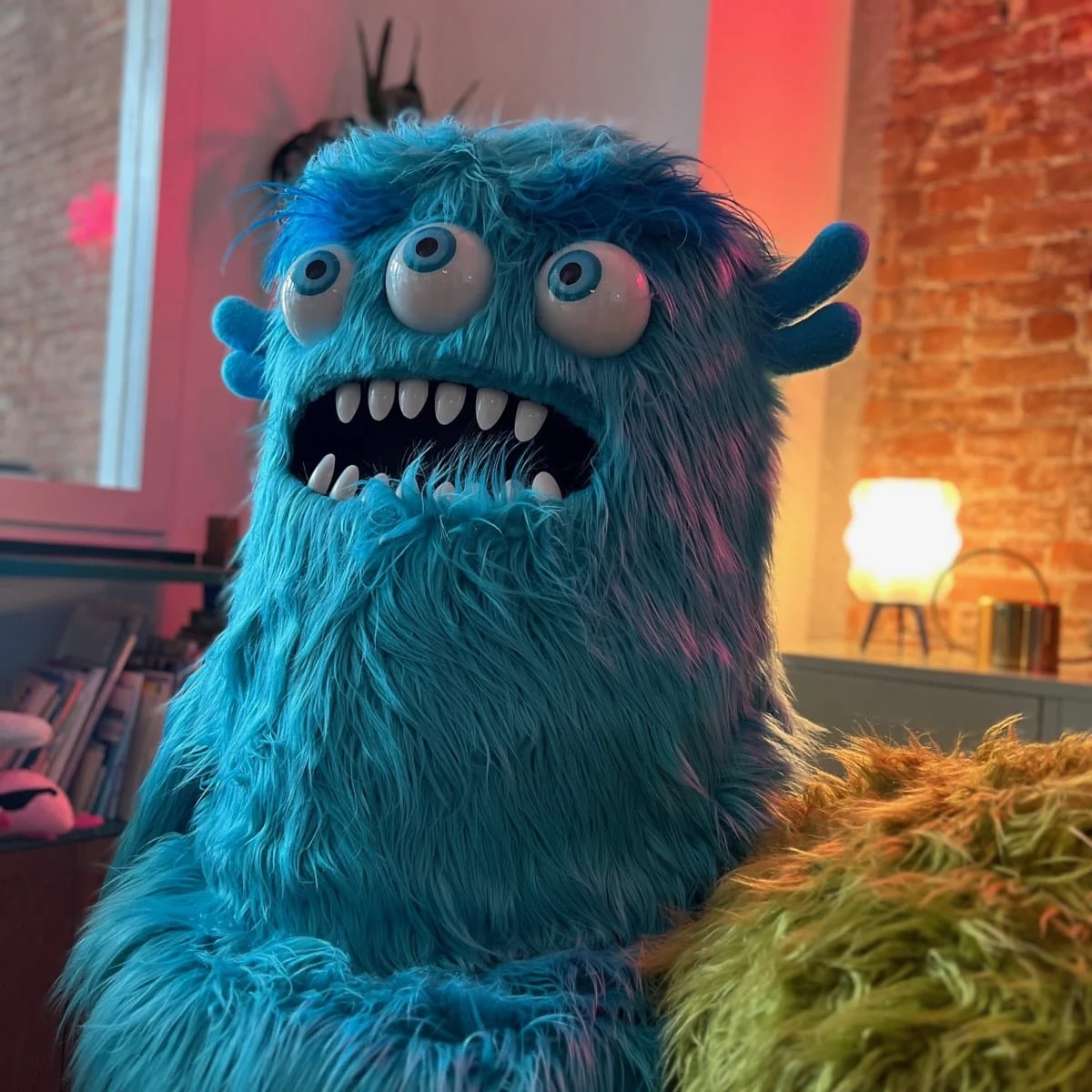
In the heart of Manhattan’s SoHo district, amidst the high-end fashion boutiques and minimalist galleries, exists a workspace that defies the conventional boundaries of modern design. Furry Puppet Studio, a specialized design house, does not produce garments or digital assets; instead, it crafts life. Specifically, it manufactures custom puppets and creatures by hand—beings that, according to the studio’s own description, constitute "pretty unusual work."
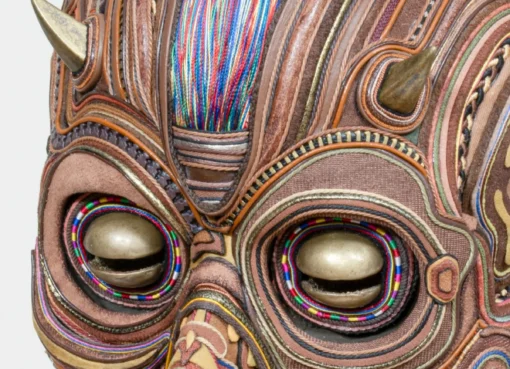
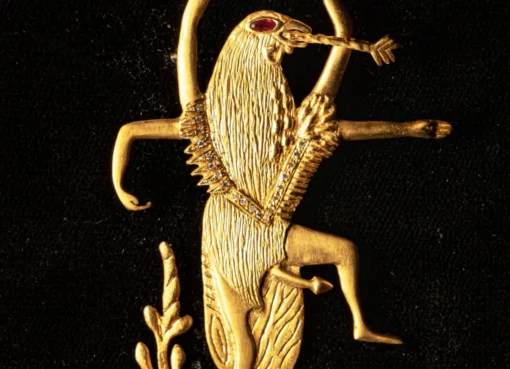
However, to categorize this studio merely as a commercial puppet shop is to miss the profound artistic lineage it occupies. Furry Puppet Studio represents a modern bridge between the avant-garde surrealist movements of the early 20th century and the tactile craftsmanship of the Jim Henson era. By examining their catalog, their methodology, and their historical predecessors, it becomes clear that puppetry is not just a medium for entertainment, but a physical manifestation of the surrealist pursuit: the attempt to insert the "marvelous" into the mundane.
Main Facts: The Intersection of Foam and the Fantastic
Furry Puppet Studio operates on a philosophy that aligns perfectly with the core tenets of Surrealism. While painters like Salvador Dalí or René Magritte used oil on canvas to challenge the viewer’s perception of reality, the artisans at Furry Puppet use foam, latex, and a proprietary material known as "dream fleece" to achieve the same goal in three-dimensional space.

The studio’s work is characterized by several key elements:
- Hand-Carved Precision: Unlike digital modeling, every creature begins as a solid block of foam. There is no "undo" button; the process requires a level of confidence and permanence that mirrors the high stakes of classical sculpture.
- The "Dream Fleece" Aesthetic: To achieve a texture that feels both familiar and otherworldly, the studio manufactures its own fabrics, ensuring that the tactile quality of their creatures cannot be replicated by off-the-shelf materials.
- The Hinge of Life: Founder Zack Buchman notes that the placement of the eyes is the final, most critical step. A fractional shift in an eyelid or a pupil can transform a creature from a menacing monster into a vulnerable companion, marking the exact moment the object begins to "look back" at the observer.
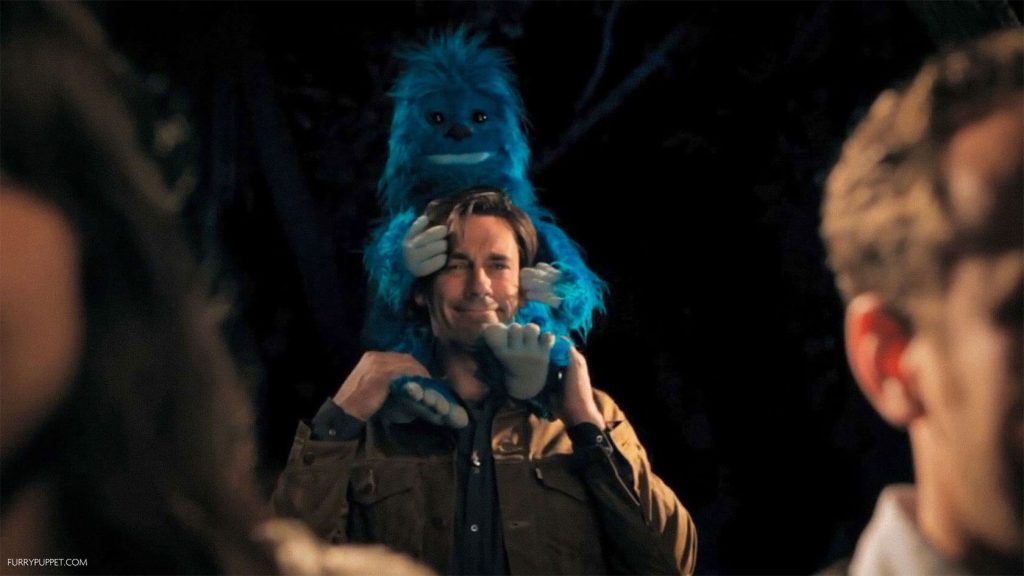
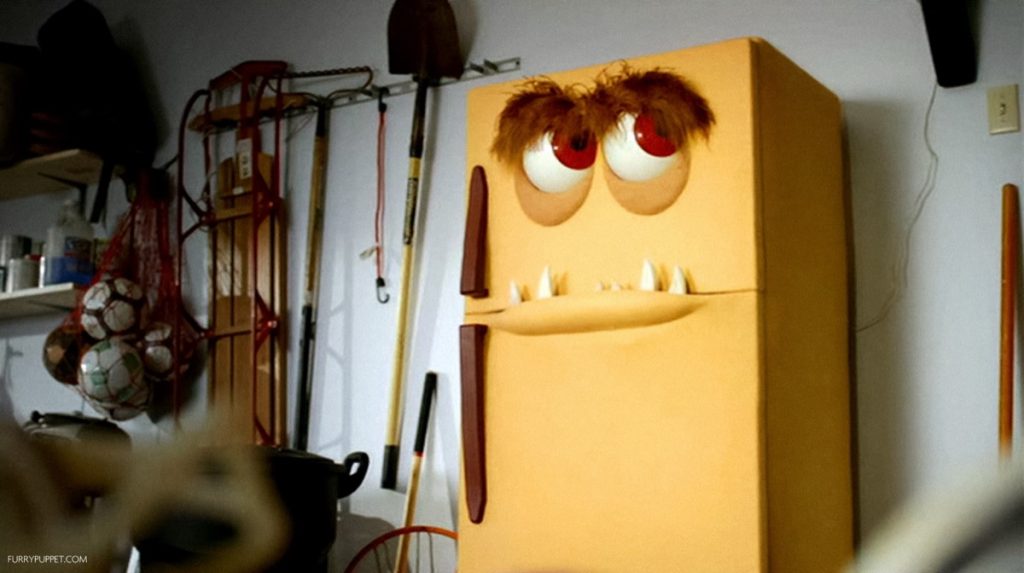
This approach has led to a portfolio that reads like a surrealist manifesto. From a lovelorn blue yeti hitchhiking with actor Jon Hamm to a refrigerator with heavy eyelids and a full set of teeth, the studio’s creations are designed to disrupt the ordinary world. This is "surrealism you can hold"—a tangible disruption of reality that forces the viewer to suspend disbelief through the sheer physical presence of the object.
Chronology: From Experimental Film to Street Ambush
The lineage of this work can be traced back through several decades of artistic evolution, moving from the experimental fringes of the 1960s to the street-level interventions of the 1980s.
The Henson Avant-Garde (1960s)
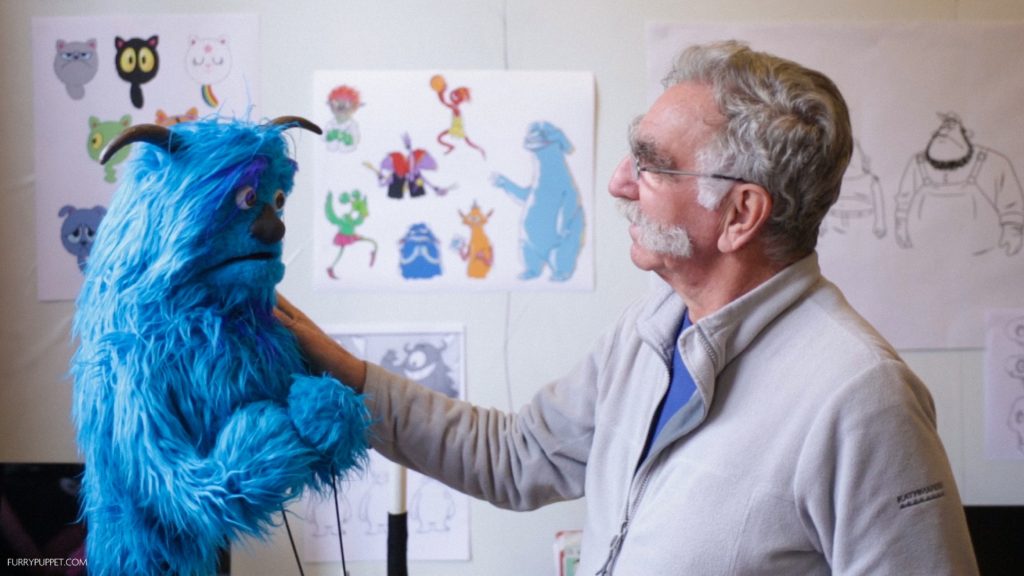
Long before Sesame Street became a cultural juggernaut, Jim Henson was an experimental filmmaker pushing the boundaries of the medium. In 1965, he produced Time Piece, a dialogue-free short film that utilized associative logic and rhythmic editing. Nominated for an Academy Award and screened at the Museum of Modern Art, Time Piece featured a man in a hospital bed, a cowboy shooting the Mona Lisa, and a gorilla on a pogo stick. This era established the puppet—and the puppet maker—as an instrument of the avant-garde, interested in the subconscious and the irrational long before they were adapted for children’s education.
The Big Nazo Intervention (1986–Present)
In 1986, Erminio Pinque, a RISD-trained illustrator, founded Big Nazo in Providence, Rhode Island. Pinque’s vision was to take puppetry off the stage and into the streets. By creating wearable, oversized foam creatures that "ambushed" public spaces, Big Nazo practiced a form of "public surrealism." This movement removed the safety of the proscenium arch, forcing unsuspecting citizens to interact with nine-foot-tall insects and aliens in their daily environments. This period reinforced the idea of "automatism"—the surrealist faith that accidental, unscripted interactions in the real world hold more truth than a planned performance.
The SoHo Renaissance (Modern Day)
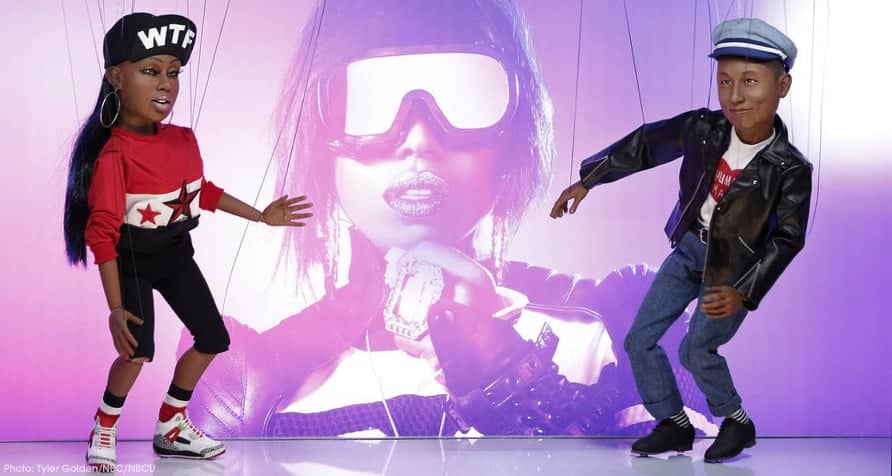
Furry Puppet Studio represents the contemporary peak of this timeline. Founded by Zack Buchman, an "outsider" who bypassed traditional collegiate training, the studio has refined the grit of Big Nazo and the experimentation of Henson into a high-end fabrication house. They have successfully integrated surrealist imagery into mainstream media, placing their uncanny creations in music videos for Missy Elliott and Pharrell, and on national broadcasts for CNN.
Supporting Data: The Iconography of the Uncanny
The effectiveness of Furry Puppet Studio’s work is supported by its adherence to deep-seated psychological motifs, most notably the "uncanny" as defined by Sigmund Freud and later applied to robotics by Masahiro Mori.
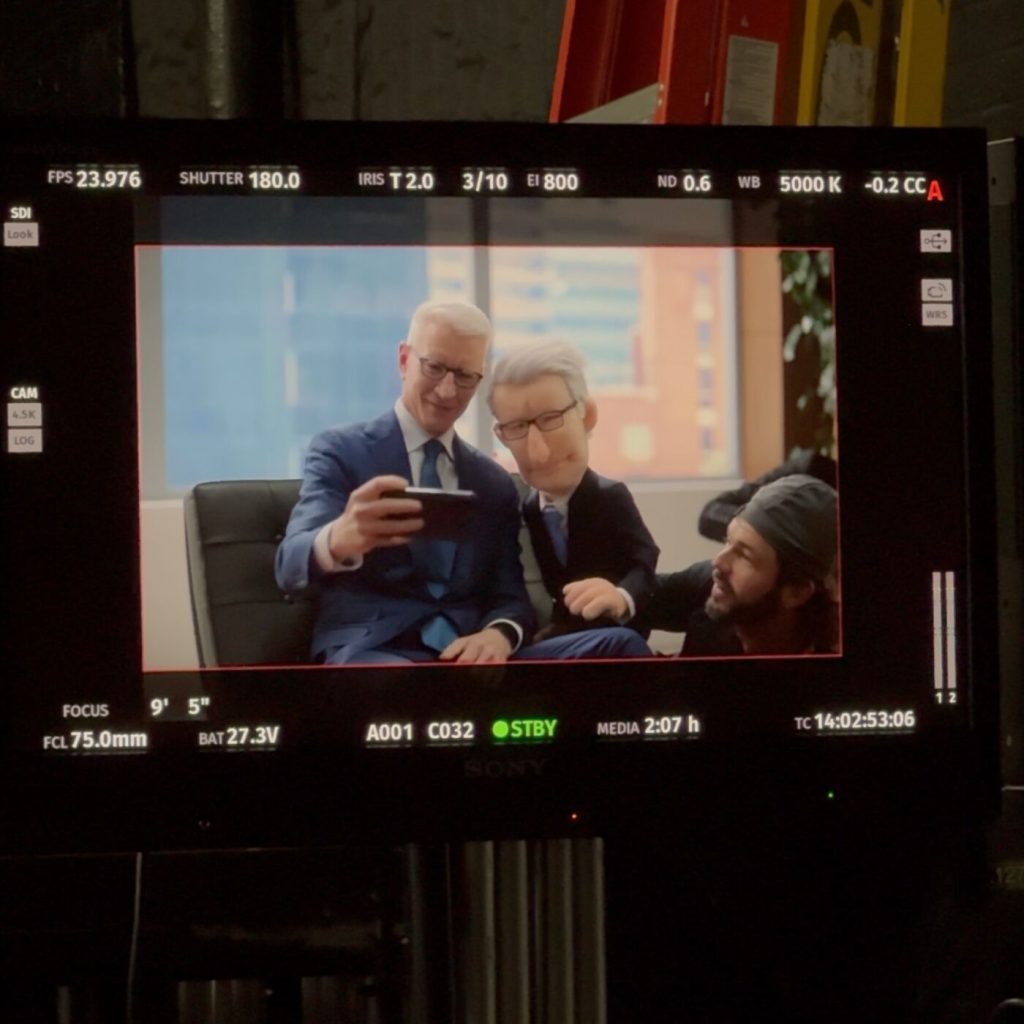
- The Doppelgänger Effect: For a CNN New Year’s Eve broadcast, the studio created puppet doubles of Anderson Cooper and Andy Cohen. This "double" motif is a classic surrealist trope that triggers a sense of unease and fascination. Seeing a human interact with a foam version of themselves forces a confrontation with the "other," a theme explored by surrealists like Hans Bellmer.
- The Animated Everyday Object: One of the studio’s recurring features is the personification of appliances, such as the aforementioned "living" refrigerator. This technique traces back to Meret Oppenheim’s fur-covered teacup or Magritte’s boots with human toes. By giving an appliance bushy brows and teeth, Furry Puppet catches the ordinary world in the act of being alive.
- Physical Mass and Weight: Unlike CGI creatures, which often lack a sense of "gravity" in the viewer’s mind, Furry Puppet’s creations possess physical mass. This weight is crucial for belief. When a dancer wears a shaggy green mascot suit or a street dancer operates a reengineered marionette of Missy Elliott, the physical struggle and momentum of the puppet communicate "life" to the human brain more effectively than pixels ever could.
Official Responses: Perspectives from the Creators
The creators themselves view their work not as mere toy-making, but as a high-stakes psychological exercise.
Zack Buchman, founder of Furry Puppet Studio, emphasizes the finality of their process: "Every creature starts as a block of foam somebody carves by hand, with no undo. Everything happens in-house. That single adjustment [of the eyes] is where the thing starts looking back at you." This "looking back" is the moment the object achieves autonomy—a central goal of the surrealist project.
Erminio Pinque of Big Nazo echoes this sentiment but focuses on the power of the unexpected: "The accidents, the things that go wrong on tour, are where the good juxtapositions come from." He describes his career as being "free to fail wonderfully," a perspective that mirrors the surrealist belief in the power of the subconscious and the beauty of the "chance encounter."
The team at Furry Puppet also includes Polly Smith, a legendary costume designer and co-inventor of the sports bra. Her involvement highlights the cross-disciplinary nature of the studio, where mechanical engineering, fashion design, and fine art converge to create something that defies categorization.
Implications: The Future of the Tangible in a Digital Age
As the world moves deeper into the realms of Artificial Intelligence and hyper-realistic CGI, the work of studios like Furry Puppet becomes increasingly significant. Their success suggests a growing cultural hunger for the "tangible surreal."
Navigating the Uncanny Valley
The "Uncanny Valley" describes the dip in human empathy that occurs when a non-human entity looks almost—but not quite—human. While many digital creators struggle to climb out of this valley, puppet makers have spent 75 years living on its edge. They understand how to tune a face until it reads as "alive" rather than "broken." This hard-won knowledge is becoming a blueprint for anyone—from filmmakers to prompt engineers—who seeks to create characters that resonate on a primal level.
The Value of Permanent Mistakes
In a world of infinite digital revisions, the "no undo" policy of foam carving serves as a reminder of the value of human intuition. The confidence required to make a permanent cut into a solid block of foam produces a specific kind of energy and "nerve" that is visible in the final product. This authenticity is what allows a viewer to forget they are looking at a manufactured object and instead accept the presence of a living being.
Surrealism as a Client Service
Perhaps the most intriguing implication is how Furry Puppet Studio has managed to monetize the avant-garde. By framing surrealist imagery as high-end custom fabrication, they have smuggled the "marvelous" onto national television and into global advertising campaigns. They are not just vendors; they are surrealists with a fabrication shop, proving that the strangest images of the last decade didn’t come from a computer—they were carved with a blade in a room in SoHo.
Ultimately, the work of Furry Puppet Studio, Big Nazo, and the Henson lineage serves as a reminder that the puppet is not a toy, but an avant-garde instrument. Whether it is a yeti on a roadside or a refrigerator with teeth, these objects exist to prove that the ordinary world is, at its heart, profoundly strange. Anyone wishing to understand the future of creature design or the evolution of surrealism should look closely at what is happening on the studio benches of SoHo: the foam is alive, and it is looking back.