The Final Curtain: AMC Kips Bay 15 and the Vanishing Cinematic Landscape of Manhattan’s East Side
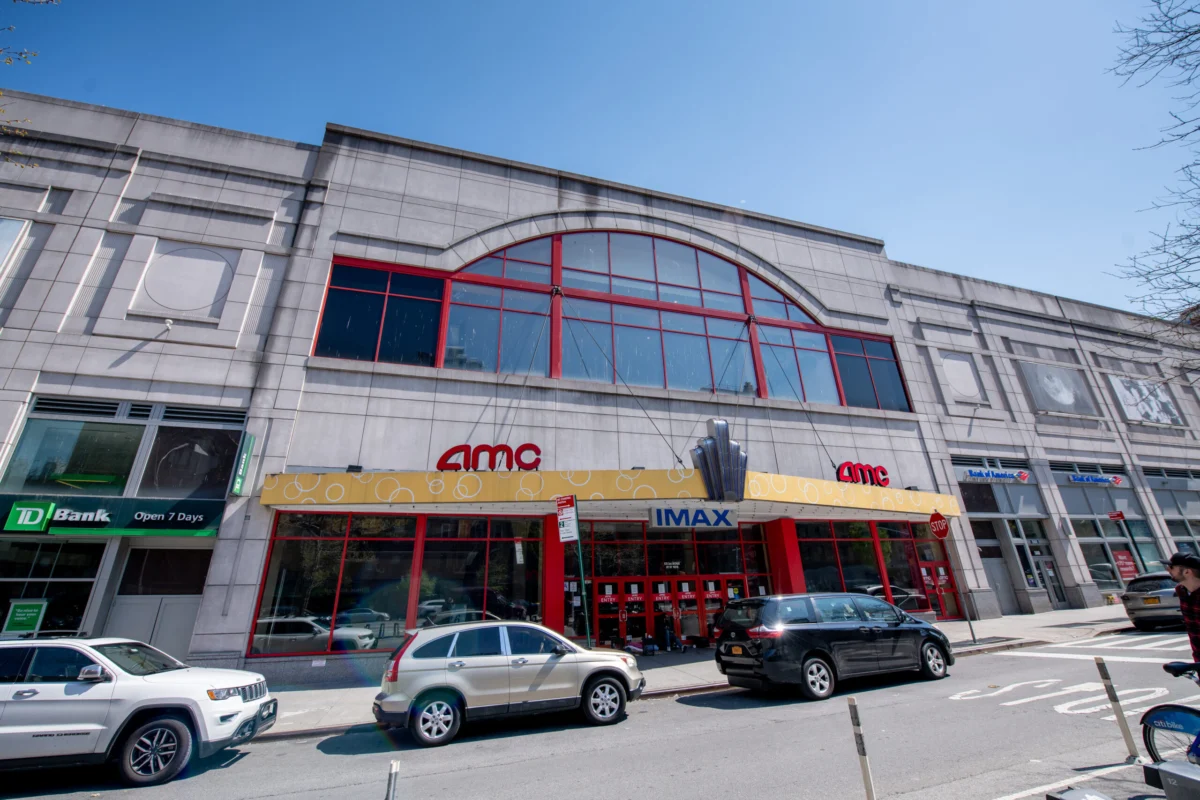
The cinematic heartbeat of Manhattan’s East Side has suffered a significant blow. In an announcement that has sent ripples through the New York City film community and the local Kips Bay neighborhood, AMC Theatres confirmed that the AMC Kips Bay 15—a cornerstone of the area’s entertainment for over a quarter-century—is slated for permanent closure. While the theater will remain operational through the end of 2026, its fate is sealed, marking the end of an era for one of the borough’s most significant multiplexes.
This closure is not merely a business transition but a symptom of a broader, more complex transformation within New York City’s real estate and cultural ecosystems. As the "magic of the movies" faces the harsh realities of Manhattan property values and shifting consumer habits, the loss of Kips Bay 15 represents a pivotal moment in the decline of the traditional moviegoing experience in residential Manhattan.
Main Facts: The Termination of a Cinematic Landmark
The closure of AMC Kips Bay 15, located at 570 Second Avenue, is the result of a strategic real estate maneuver rather than a simple expiration of a lease. According to an official AMC spokesperson, the property owner has exercised a contractual right to terminate the theater’s lease ahead of its scheduled expiration. This "early out" clause allows the landlord to reclaim the massive footprint occupied by the 15-screen facility, which includes a high-revenue IMAX auditorium.
While AMC will continue to program films and welcome guests for the next two years, the finality of the decision is absolute. The theater, which serves as the second-largest AMC multiplex in Manhattan, has long been a destination for both blockbuster releases and niche programming, serving a diverse demographic ranging from NYU medical students to long-term residents of the Murray Hill and Kips Bay neighborhoods.
The specific plans for the site following the 2026 closure have not yet been made public. However, in the context of Manhattan’s current development climate, industry analysts speculate that the space—occupying a prime corner of Second Avenue—is likely destined for a high-density residential or mixed-use commercial redevelopment, which typically yields higher returns for property owners than theatrical exhibition.
Chronology: From the 90s Megaplex Boom to the 2026 Sunset
The history of the Kips Bay 15 mirrors the rise and subsequent consolidation of the modern American movie theater industry.
1999: The Grand Opening
The theater first opened its doors in 1999 during the height of the "megaplex" boom. At the time, movie theaters were expanding rapidly, moving away from single-screen storefronts toward massive, multi-story entertainment hubs with stadium seating and digital sound. The Kips Bay location was designed to be a crown jewel for the East Side, offering 15 screens in a neighborhood that previously lacked a modern, high-capacity cinema.
2006: The AMC Acquisition
In 2006, AMC Theatres took over operations of the location as part of its broader expansion strategy in the New York market. Under AMC’s stewardship, the theater was upgraded to include an IMAX screen, a move that solidified its status as a premier destination for tentpole Hollywood releases. For nearly two decades, it served as a vital secondary hub to AMC’s flagship Lincoln Square and Empire 25 locations.
2018–2024: A Neighborhood in Retreat
The impending closure of Kips Bay 15 is the latest in a series of dominoes to fall on Manhattan’s East Side. The timeline of the neighborhood’s cinematic decline is stark:
- October 2018: The CMX CineBistro at Lenox Hill (62nd Street) closed its doors.
- May 2019: The 86th Street location of City Cinemas shuttered.
- September 2019: The iconic Beekman Theatre on Second Avenue ceased operations.
- 2024: The Third Avenue location of Cinema 123 by Angelika was placed on the market, leaving its future in doubt.
2026: The Final Credits
The end of 2026 will mark the official conclusion of AMC’s tenure at Kips Bay. This two-year "grace period" allows the theater to fulfill existing obligations and provides the community with a long goodbye, but it also underscores the slow-motion erosion of cultural infrastructure in the area.
Supporting Data: The Economics of Manhattan Exhibition
The closure of a 15-screen multiplex is a massive undertaking that reflects the changing economic viability of large-scale cinema in high-rent districts.
The Real Estate Premium
Manhattan real estate remains among the most expensive in the world. For a movie theater to be profitable, it requires immense square footage—space that is increasingly valuable for luxury condominiums or medical facilities. In Kips Bay, a neighborhood known for its proximity to major hospitals like NYU Langone, the demand for institutional and residential space often outweighs the revenue generated by ticket and popcorn sales.
The Footprint of AMC in NYC
Despite the loss of Kips Bay, AMC maintains a significant, albeit shrinking, presence in Manhattan. The chain currently operates:
- Empire 25 (Times Square): The highest-grossing theater in the country.
- Lincoln Square 13: Home to the city’s only true 70mm IMAX theater.
- 34th Street 14: Located near Madison Square Garden.
- Village 7 and 19th Street 6: Serving downtown audiences.
- Magic Johnson Harlem 9: A vital cultural hub for Upper Manhattan.
The loss of the Kips Bay 15 screens represents a significant reduction in AMC’s total seat count in the borough, potentially leading to increased congestion at other locations during major film releases.
Market Trends
The "streaming effect" and the post-pandemic shift in consumer behavior cannot be ignored. While 2023 saw a resurgence in box office numbers thanks to phenomena like "Barbenheimer," the overall frequency of moviegoing has not fully returned to 2019 levels. For landlords, the long-term stability of a movie theater lease is often viewed as less certain than a lease with a major medical provider or a residential developer.
Official Responses: Gratitude Amidst Heartbreak
The announcement of the closure has been met with a mixture of corporate resignation and community mourning.
An AMC spokesperson, in a statement provided to IndieWire, emphasized the theater’s role as a community anchor:
"The theatre has been an important part of the Kips Bay community and surrounding neighborhoods, providing guests with a place to enjoy the magic of the movies together. We are immensely grateful to our guests for their loyalty and support throughout the years."
While AMC expressed gratitude, the tone of the announcement remained clinical regarding the property owner’s decision. The "contractual right to terminate" language suggests that the decision was largely out of the exhibitor’s hands, placing the impetus for the closure squarely on the shoulders of the real estate interests that own the physical building.
Local residents have taken to social media and community boards to express their frustration. For many, the Kips Bay 15 was more than just a place to see a movie; it was a "third place"—a social space outside of home and work that contributed to the neighborhood’s vibrancy. The loss of the IMAX screen is particularly stinging for cinephiles on the East Side, who will now have to travel to the West Side or Lincoln Square for premium large-format experiences.
Implications: The Rise of "Cinema Deserts" and the Future of the City
The closure of AMC Kips Bay 15 carries heavy implications for the future of New York City’s urban fabric.
The Creation of a Cinema Desert
With the shuttering of Kips Bay and the previous closures of the Beekman and 86th Street theaters, a massive swath of Manhattan’s East Side is effectively becoming a "cinema desert." Residents from the 20s up to the 90s on the East Side will find themselves with fewer and fewer options for local entertainment. This forces audiences to congregate in a few "super-hubs" like Times Square or Lincoln Square, further homogenizing the city’s cultural map.
The Death of the Mid-Tier Multiplex
The Kips Bay closure signals the potential end of the "mid-tier" multiplex in high-cost urban areas. While "destination" theaters (like the Alamo Drafthouse or the high-end Metrograph) and "flagship" theaters (like Empire 25) can survive, the workhorse neighborhood multiplexes are being squeezed out. These are the theaters that provide the bulk of the screens for mid-budget films, documentaries, and foreign cinema—the very films that are already struggling to find space in a blockbuster-dominated market.
Real Estate vs. Culture
The Kips Bay situation highlights the ongoing tension between New York’s identity as a cultural capital and its reality as a real estate market. When a 15-screen theater is deemed less valuable than whatever will replace it, the city loses a piece of its public life. Theaters are unique in that they bring hundreds of people together in a shared experience; their replacement with private residences or office space represents a net loss in "social infrastructure."
Looking Toward 2026
As the countdown to the end of 2026 begins, the Kips Bay community will likely see a surge of nostalgia-driven attendance. However, the broader trend is clear: the East Side’s relationship with the silver screen is fading. While the "magic of the movies" will persist in the grand cathedrals of cinema in Times Square, the convenience and community of the neighborhood multiplex are becoming relics of a bygone New York.
The final details of the closure, including the exact date of the last screening, are expected to be finalized and announced in the coming months. Until then, the Kips Bay 15 remains a flickering light on Second Avenue, a reminder of a time when the multiplex was the beating heart of the American neighborhood.