
Empowering the Prosumer: Lidl Disrupts the Renewable Energy Market with Ultra-Affordable Balcony Solar Storage
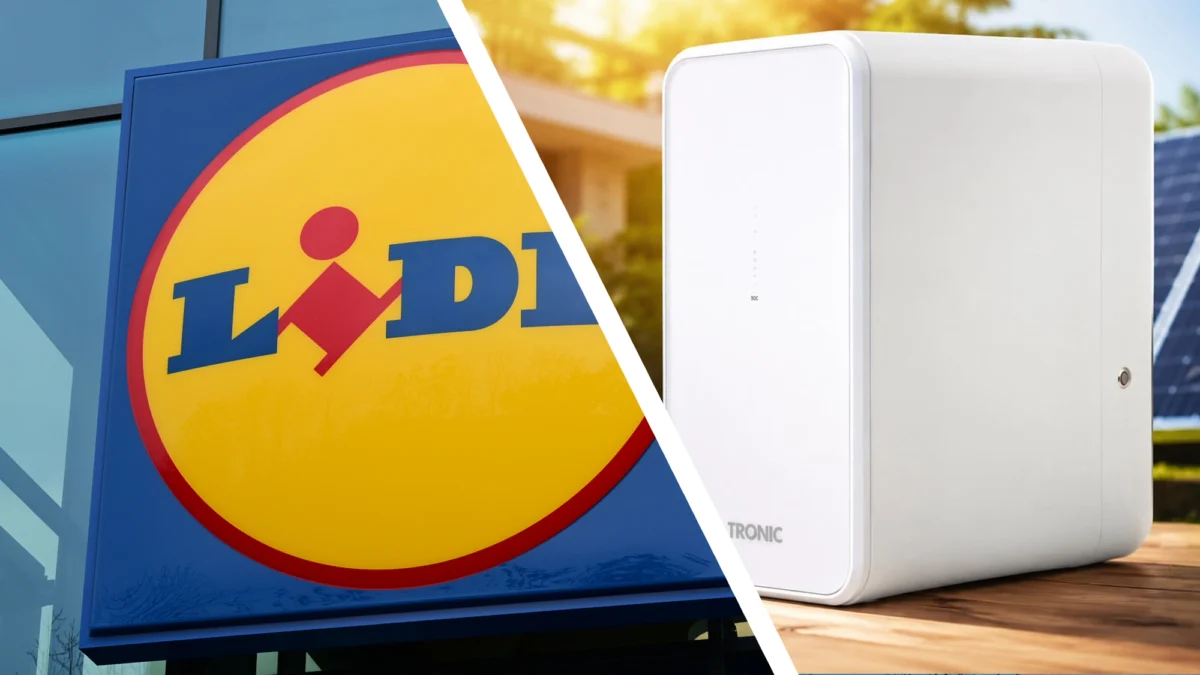
In an era defined by volatile energy markets and an urgent global transition toward sustainability, the German discount supermarket giant Lidl has made a significant strategic move. Traditionally known for its aggressive pricing on groceries and household essentials, Lidl is now positioning itself as a pivotal player in the decentralized energy revolution. The company recently announced the launch of a 2.24kWh balcony solar battery in Germany, priced at a market-shattering €299. This move represents more than just a new product line; it signifies the democratization of energy storage technology, making "prosumer" status accessible to apartment dwellers and renters who were previously excluded from the solar transition.
Main Facts: The Specifications of the Lidl Solar Battery
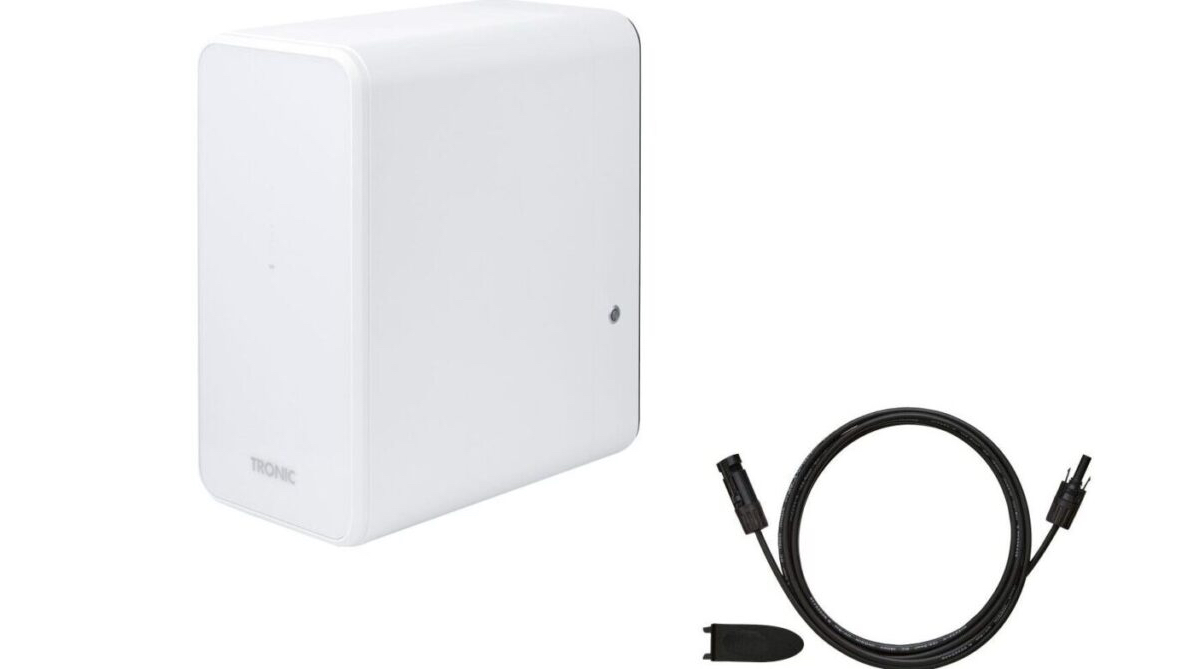
The centerpiece of this launch is a 2.24kWh lithium-iron-phosphate (LiFePO4) battery system designed specifically for "balcony power plants" (Balkonkraftwerke), which have seen an explosion in popularity across Central Europe. The unit is engineered to bridge the gap between energy generation and consumption, allowing users to store solar energy captured during peak daylight hours for use during the evening or on cloudy days.
Technical Specifications and Pricing
Lidl’s offering comes in two primary tiers. The base model is priced at €299 (approximately $325 / £255), while a "smart" version, compatible with the Lidl Home app via the Zigbee 3.0 protocol, retails for €399 ($435 / £340).
The technical parameters are tailored to meet current European regulatory standards:
- Capacity: 2.24kWh (2240Wh).
- Input Power: Supports up to 1,000W from solar panels.
- Output Power: Capped at 800W, aligning with recent German legislation (Solarpaket I) that raised the limit for plug-and-play solar systems from 600W to 800W.
- Durability: The unit carries an IP65 rating, ensuring it is dust-tight and protected against water jets, a necessity for outdoor balcony installation.
- Portability: Weighing approximately 19.8kg and measuring 310 × 170 × 350mm, it is compact enough for small urban outdoor spaces.
The battery is widely recognized as a rebranded version of the Marstek B2500-D. By leveraging its massive supply chain and retail footprint, Lidl is offering the unit at a price point significantly lower than the original manufacturer’s MSRP or rival products from premium brands like Anker or EcoFlow.
Chronology: From Groceries to Green Tech
The path to this product launch reflects a broader trend of "supermarket diversification." Lidl’s parent company, the Schwarz Group, has increasingly invested in logistics, digitalization, and sustainable infrastructure over the last decade.
Phase 1: The Smart Home Entry (2020–2022)
Lidl began its foray into technology by launching the "Silvercrest" and "Parkside" smart home lines. These products introduced consumers to the idea of buying sophisticated electronics alongside their weekly groceries. By utilizing the Zigbee protocol, Lidl built an ecosystem that allowed users to control lighting, heating, and security through a single app.
Phase 2: The Solar Pilot (2023)
In early 2023, Lidl launched its first "plug-and-play" solar starter kits in Germany. These kits, which included a single solar panel and a microinverter, sold out almost instantly. This proved there was a massive, untapped demand for affordable, DIY renewable energy solutions among urban populations.
Phase 3: The Storage Solution (May 2024)
Recognizing that solar panels are only half the equation, Lidl moved to solve the "intermittency" problem. Without a battery, any excess energy generated by a balcony panel during the day is fed back into the grid for free (in most residential setups). The launch of the 2.24kWh battery in May 2024 completes the circuit, allowing users to achieve a higher degree of energy self-sufficiency.
Supporting Data: The Economic and Regulatory Landscape
The success of Lidl’s energy products is underpinned by a perfect storm of economic pressure and favorable legislation.
The Rise of the Balcony Power Plant
Germany is currently the world leader in balcony solar adoption. According to data from the Federal Network Agency (Bundesnetzagentur), over 500,000 balcony solar systems were registered by the first quarter of 2024, with the actual number likely higher due to under-reporting.
The economic incentive is clear:
- Energy Prices: Wholesale electricity prices in Europe remain significantly higher than pre-2021 levels due to the geopolitical fallout of the war in Ukraine and the transition away from Russian gas.
- Return on Investment (ROI): At a price point of €299 for storage and roughly €300-€400 for panels, a complete system costs under €700. In a high-tariff environment, such a system can pay for itself in 4 to 6 years, while providing "free" energy for the remainder of its 15–20 year lifespan.
Regulatory Tailwinds
The timing of Lidl’s launch coincides with the "Solarpaket I" legislative package in Germany. This law simplified the registration process for balcony systems, removed the requirement for a specialized "Wieland" outlet (allowing standard Schuko plugs), and increased the inverter output limit to 800W. Lidl’s battery, with its 800W output, is perfectly calibrated for these new rules.
Official Responses and Market Positioning
While Lidl’s corporate communications typically focus on "quality at the best price," the strategic implications of this launch have drawn commentary from industry analysts and environmental advocates.
The Lidl Strategy
Lidl’s approach is a classic "loss leader" or "volume play." By offering energy storage at a price that leaves little room for traditional retail margins, they drive foot traffic and brand loyalty. An official spokesperson for Lidl Germany noted that the company aims to "actively support the energy transition for everyone," emphasizing that sustainability should not be a luxury reserved for homeowners with large roofs.
Industry Reaction
Competitors in the high-end portable power station market, such as Jackery and Bluetti, have traditionally focused on campers and emergency backup. Lidl’s entry into the permanent residential storage space forces these companies to reconsider their pricing structures. Reddit communities dedicated to climate change and DIY solar have hailed the move as a "game changer," with users noting that the price of storage has finally dropped below the "psychological barrier" of €150 per kWh.
However, some technical experts caution that while the price is excellent, the system is not "all-in-one." Users still need to purchase solar panels and a microinverter separately. Lidl has addressed this by offering these components in-store, creating a "one-stop-shop" for home energy.
Implications: A New Era of Energy Independence
The launch of the Lidl solar battery has far-reaching implications for the energy sector, urban planning, and consumer behavior.
1. Democratization of Green Technology
For decades, the benefits of solar energy were restricted to those who owned property and could afford five-figure installations. Balcony systems, bolstered by affordable storage, shift the power dynamic. Renters in high-rise apartments can now mitigate their carbon footprint and reduce their utility bills, fostering a more inclusive environmental movement.
2. Grid Stability and Decentralization
As thousands of these small batteries are deployed, they collectively form a "Virtual Power Plant" (VPP). While a single 2.24kWh battery is negligible, 100,000 units represent 224MWh of distributed storage. This can help smooth out demand peaks on the local grid, reducing the need for fossil-fuel-based "peaker" plants.
3. The Future of Retail
Lidl’s move suggests that the "big box" retailers of the future will not just sell food and clothes, but also infrastructure. We may see a future where supermarkets become the primary distributors of heat pumps, EV chargers, and residential wind turbines.
4. Expansion to the UK and Beyond
While currently a Germany-exclusive launch, the success of this product serves as a pilot for other markets. In the UK, where energy prices remain a top political and social concern, the introduction of such a system could be transformative. However, the UK faces different regulatory hurdles, including stricter "Part P" building regulations and a slower adoption of the plug-and-play solar standard. Should Lidl navigate these hurdles, they could potentially disrupt the UK energy market just as they disrupted the UK grocery sector a decade ago.
Conclusion
Lidl’s 2.24kWh balcony battery is a landmark product in the consumer electronics space. It represents the point where renewable energy technology moves from a niche hobbyist interest to a mainstream household commodity. By stripping away the high costs associated with traditional solar storage, Lidl is not just selling a battery; it is selling a tool for economic resilience. As the energy crisis continues to influence global economics, the "middle aisle" of the local supermarket might just hold the key to a more sustainable and affordable future.




Leave a Comment