
The Galactic Ripple Effect: How "The Mandalorian and Grogu" Redefines the New Republic Era
The latest cinematic foray into the Star Wars galaxy, "The Mandalorian and Grogu," presents a narrative that, while ostensibly a personal mission of rescue and survival, has effectively ignited a powder keg in the Outer Rim. The film’s explosive finale—marked by an unauthorized New Republic bombing run on Nal Hutta—threatens to dismantle the fragile peace maintained by Chancellor Mon Mothma and could potentially reshape the geopolitical landscape of the galaxy leading into the rise of the First Order.
Main Facts: A Rescue Mission Turned International Incident
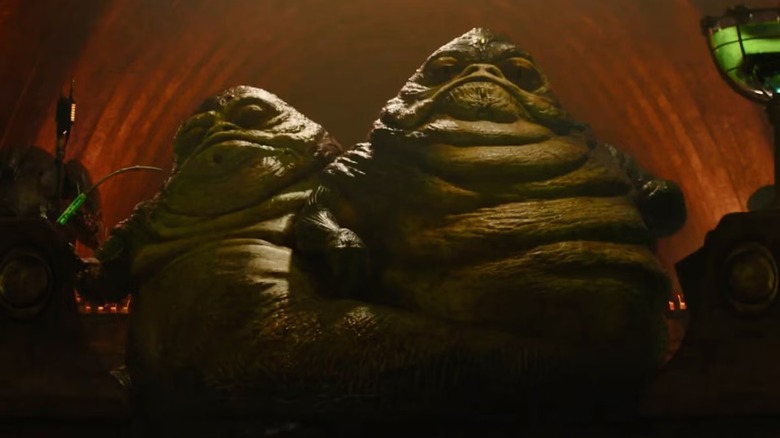
At the heart of "The Mandalorian and Grogu" is a mission that begins with the simplicity of a bounty hunter’s contract but ends with the gravity of a declaration of war. Din Djarin, the titular Mandalorian, and his apprentice, the Force-sensitive Grogu, find themselves entangled in the internal politics of the Hutt Clan. The objective: the extraction of Rotta the Hutt, the son of the legendary Jabba Desilijic Tiure, from the clutches of "The Twins."
The Twins, cousins to the late Jabba who first appeared in The Book of Boba Fett, have attempted to consolidate power in the vacuum left by Jabba’s demise and the subsequent takeover of his Tatooine palace by Boba Fett. By holding Rotta—the rightful heir to a significant portion of the Hutt Council’s assets—the Twins sought to dominate the Hutt Grand Council on Nal Hutta.
The climax of the film sees Din Djarin and Grogu infiltrating the Twins’ stronghold, a fortress guarded by the Droid Gotra—a militant droid rights faction turned mercenary army. However, the situation escalated beyond a stealth extraction when Colonel Ward (portrayed by Sigourney Weaver), a high-ranking officer within the New Republic’s Outer Rim task force, bypassed Senate protocols. Ward led a devastating bombing run that leveled the Hutt palace and decimated the Droid Gotra forces. While the mission was successful in rescuing Rotta and the Mandalorian, the collateral damage and the violation of Hutt sovereignty have created a diplomatic catastrophe.
Chronology of the Conflict: From Tatooine to Nal Hutta
The events leading to the "Nal Hutta Incursion" can be traced back through several years of galactic instability:
- The Death of Jabba the Hutt (4 ABY): The power vacuum in the Hutt Cartel begins, leading to infighting among the Kajidics (Hutt families).
- The Rise of Boba Fett (9 ABY): Fett claims Jabba’s throne on Tatooine, further alienating the Hutt Council and forcing the Twins to look elsewhere for power bases.
- The Abduction of Rotta (Approx. 12 ABY): Rotta, last seen as an infant during the Clone Wars, is kidnapped by the Twins to be used as a political pawn to coerce the Hutt Grand Council.
- The Mandalore-New Republic Accord: Din Djarin begins working as an independent contractor for New Republic Captain Carson Teva, operating in the "gray areas" of the Outer Rim where the Republic has no legal standing.
- The Nal Hutta Incursion: The events of the film culminate in the destruction of the Twins’ palace. This marks the first time since the Galactic Civil War that a New Republic military force has conducted a heavy-ordnance strike in the Hutt Space, a neutral and sovereign territory.
Supporting Data: The Power of the Hutt Cartel and the Droid Gotra
To understand the severity of these consequences, one must examine the entities involved. The Hutts are not merely "gangsters"; they are a sovereign collective that has maintained neutrality for millennia.
The Hutt Grand Council
During the Clone Wars, both the Galactic Republic and the Confederacy of Independent Systems (Separatists) went to extreme lengths to court the Hutts. This was due to the Hutts’ control over vital hyperspace lanes in the Outer Rim. Without Hutt cooperation, military logistics in the "Western Reaches" and the "Slice" of the galaxy become nearly impossible. By attacking a Hutt stronghold, the New Republic has effectively jeopardized their own supply lines at a time when they are already spread thin.
The Droid Gotra
The destruction of the Droid Gotra forces at the palace also carries weight. The Gotra is a shadowy organization with roots on Coruscant, known for advocating for droid rights through violent means. By acting as the Twins’ security force, they had found a lucrative, if dangerous, partnership. Their decimation by New Republic bombers will likely drive the remaining Gotra cells into the arms of the Imperial Remnant, providing the shadow government with a sophisticated network of droid saboteurs.
Official Responses: A Government Divided
The fallout from the bombing has reached the highest levels of the New Republic Senate on Chandrila. Sources close to the Chancellor’s office suggest a deep rift is forming between the executive branch and the military.
Chancellor Mon Mothma’s Stance
Chancellor Mothma has built her post-war career on the "Military Disarmament Act," a controversial policy aimed at reducing the New Republic fleet to 10% of its wartime size to signal a commitment to peace. The unauthorized strike by Colonel Ward is a direct affront to this philosophy. Reports indicate that Mothma is considering a formal apology to the Hutt Grand Council, a move that critics argue makes the Republic look weak in the face of criminal syndicates.
General Hera Syndulla and the "Adelphi Rangers"
While not directly involved in the Nal Hutta strike, General Hera Syndulla has long advocated for a more proactive military presence in the Outer Rim. Within the "Adelphi Base" community—the X-wing pilots who patrol the fringe—Colonel Ward is being hailed as a hero who did what was necessary to save a fellow soldier (Din Djarin). This internal friction suggests a growing "shadow military" within the Republic that is willing to operate outside the law to achieve stability.
The Hutt Grand Council’s Retaliation
From the humid palaces of Nal Hutta, the word is "vengeance." The Hutts have historically relied on bounty hunters and economic blockades rather than direct fleet engagements. Analysts predict a massive increase in bounties placed on New Republic officials and a significant hike in "tolls" for any merchant vessels passing through Hutt-controlled space.
Implications: The Shadow of Thrawn and the Road to the First Order
The consequences of "The Mandalorian and Grogu" extend far beyond the immediate survival of its protagonists. The instability created by the Nal Hutta Incursion serves as a perfect smokescreen for larger threats.
The Thrawn Factor
As seen in the return of Grand Admiral Thrawn from exile, the Imperial Remnant thrives on chaos. A war between the New Republic and the Hutt Cartel would force the Republic to divert its already limited resources away from hunting Imperial cells and toward protecting trade routes. Thrawn, a master of utilizing "third-party" conflicts to his advantage, likely views the destruction of the Hutt palace as a tactical gift.
The Fate of Colonel Ward
Colonel Ward’s decision to lead the bombing run likely marks the end of her conventional military career. A court-martial seems inevitable. However, in the Star Wars galaxy, disgraced officers often find new life in more radical factions. Whether she becomes a martyr for the "Pro-Rim" movement or is recruited into a more clandestine operation remains to be seen.
The Evolution of Din Djarin and Grogu
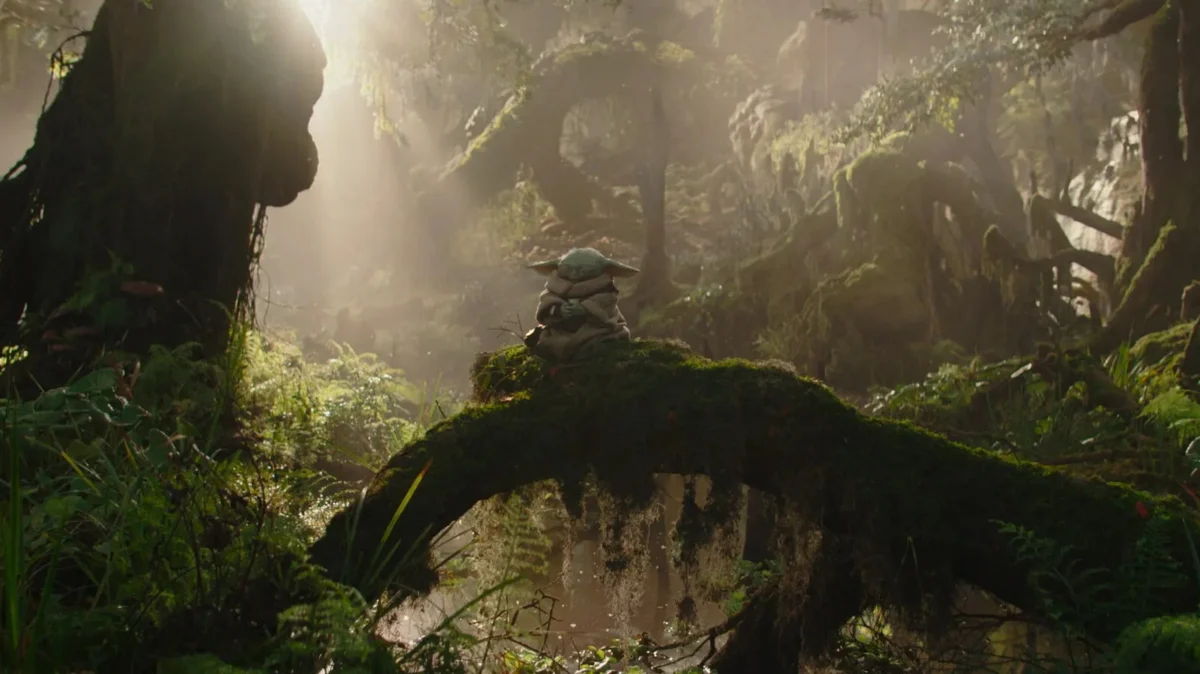
For the protagonists, the film changes their status from "independent contractors" to "galactic fugitives" in the eyes of the Hutts. Din Djarin has once again proven that his loyalty to his ward and his allies supersedes any law. For Grogu, the use of the Force in such a high-stakes environment—specifically his meditation on Nal Hutta and his role in the escape—suggests he is moving closer to a path that bridges the gap between Mandalorian creed and Jedi tradition.
Conclusion: A Galaxy on the Brink
"The Mandalorian and Grogu" serves as a reminder that in the Star Wars universe, no act of heroism is without a price. By saving one child—Rotta the Hutt—and protecting his own, Din Djarin may have inadvertently set the stage for a galactic conflict that the New Republic is ill-prepared to fight. As Han Solo famously learned, "angering the Hutts always has consequences," and this time, the entire galaxy may have to pay the tab.
The film is currently playing in theaters worldwide, but the story it has started is only just beginning to unfold across the broader tapestry of the Star Wars canon.


Leave a Comment