
The Terror: Devil in Silver – Episode 2 Unveils a Labyrinth of Horror and Systemic Neglect
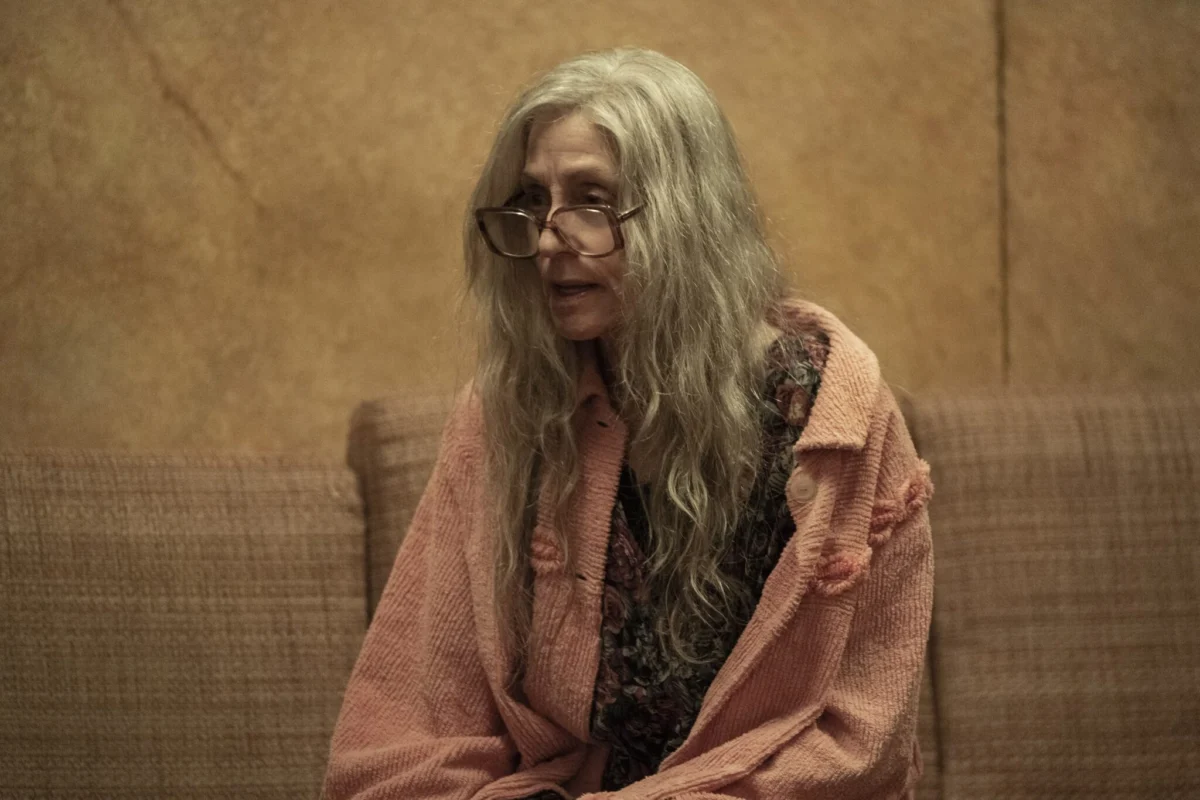
New Hyde Hospital’s grip tightens as "The Terror: Devil in Silver" delves deeper into the psychological torment and institutional failures haunting its patients. Episode two, titled "The Terror: Devil in Silver," plunges protagonist Pepper into a desperate struggle for freedom, while simultaneously exposing the chilling apathy of a system designed to contain rather than cure. From stolen cookies to brutal beatings and unsettling encounters with the supernatural, the narrative meticulously weaves a tapestry of despair, blurring the lines between mental illness and a very tangible, monstrous evil.
The latest installment intensifies the horror, both human and spectral, as the New Hyde Psychiatric Hospital reveals more of its sinister nature. The episode chronicles Pepper’s escalating desperation, Coffee’s tireless yet futile attempts to expose the truth, and the unsettling reality faced by patients trapped within a broken system. The chilling implication is clear: the true terror may not solely reside in the supernatural entity lurking in the shadows, but in the very fabric of an institution that dehumanizes and exploits its most vulnerable residents.
Episode Chronology: Descent into Desperation
Pepper’s Extended Confinement and Reckless Pursuit of Escape
The episode opens with the grim reality of Pepper’s situation: his initial 72-hour hold has been cruelly extended to a two-week involuntary commitment. This prolonged detention fuels his fury and a singular, reckless determination to escape. His impulsive nature, often characterized as abrasive but not inherently malicious, drives his actions. He ignores the potential consequences of breaking out, focusing solely on the immediate problem of his confinement. This shortsightedness has been a recurring theme, seen previously in his acquisition of drums, which inadvertently exacerbated his and Marisol’s difficulties.
In a desperate bid for freedom, Pepper seeks out Josephine’s keys, a detail he recalled from the previous episode. His anger and frustration override any logical thought about the ramifications of an unauthorized departure, which would undoubtedly lead to actual incarceration. When his pleas for Marisol’s help prove futile, his desperation reaches a peak. As visiting hours conclude, Pepper impulsively chases after Marisol, inadvertently knocking down the elderly grandmother of a patient named Loochie. This accidental collision ignites Loochie’s rage, leading to a brutal, one-sided beating of Pepper. Despite being the victim, Pepper is the one punished. He is heavily sedated, strapped to his bed, and gagged – a cruel irony that leaves him utterly defenseless. It is in this vulnerable state that he comes face-to-claws with the true horror of New Hyde: a viscous entity oozing from a ceiling hole directly above him, its grotesque form pressing against the restraining straps that paradoxically become his only shield against being "eaten alive."
Coffee’s Fruitless Crusade for Awareness and a Sinister Warning
Pepper is not alone in his desire to expose New Hyde’s dark secrets. The insightful and persistent Coffee dedicates his days to contacting external parties, meticulously documenting his calls in a binder. His mission is clear: "I mean to get the world to come in and see what’s here." Yet, like the staff within the hospital, those on the outside dismiss him, failing to take his concerns seriously or investigate his claims. His latest attempt to reach the comptroller ends in familiar futility.
The profound isolation of New Hyde’s patients is starkly highlighted by Coffee’s experience. He and Dorry are among the few who receive no visitors, lacking any external advocates. While Dorry appears to have resigned herself to her fate, Coffee remains defiant, pulling every string he can, no matter how frayed. His ultimate, almost desperate, attempt to contact the president underscores the systemic neglect. As one patient sagely observes, "White president, Black president, lady president, they’re all the same person. They ain’t worried about you or me for a second."
Following his failed call to the comptroller, Coffee receives a chilling call from a payphone within the hospital. A disembodied voice delivers a terrifying ultimatum: keep Pepper confined, or face deadly consequences. "The new man must not leave the hospital. Make sure he stays." This threat reveals a deeper, more organized conspiracy at play, suggesting New Hyde is not merely a dysfunctional institution, but a predatory one, actively suppressing any attempt to reveal its true nature.
The Perversion of Therapy: Dr. Badger’s Book Club
A pivotal scene unfolds during Dr. Badger’s book club, where patients are forced to attend. Badger, seemingly oblivious to their internal struggles, attempts to lead a discussion on Ken Kesey’s seminal work, One Flew Over the Cuckoo’s Nest. He reads excerpts, adopting a tone reminiscent of an inspiring educator, yet completely misses the ironic resonance for his captive audience.
The patients, however, are far from naive. An older Black man, whom Pepper sarcastically dubs "Statler and Waldorf," astutely refers to the main character not as McMurphy, but as "Nicholson," recognizing Jack Nicholson’s iconic portrayal in the 1976 film adaptation. This detail subtly underscores the patients’ lived experience and their cynical understanding of institutional power dynamics, far removed from Badger’s academic exercise. They recognize that while Badger frames the book as sympathetic to patients, he has failed to internalize its core lesson. They see themselves not as the voluntary patients McMurphy befriended, but as the "disturbed ward" residents, whose fate McMurphy considered "worse than death."
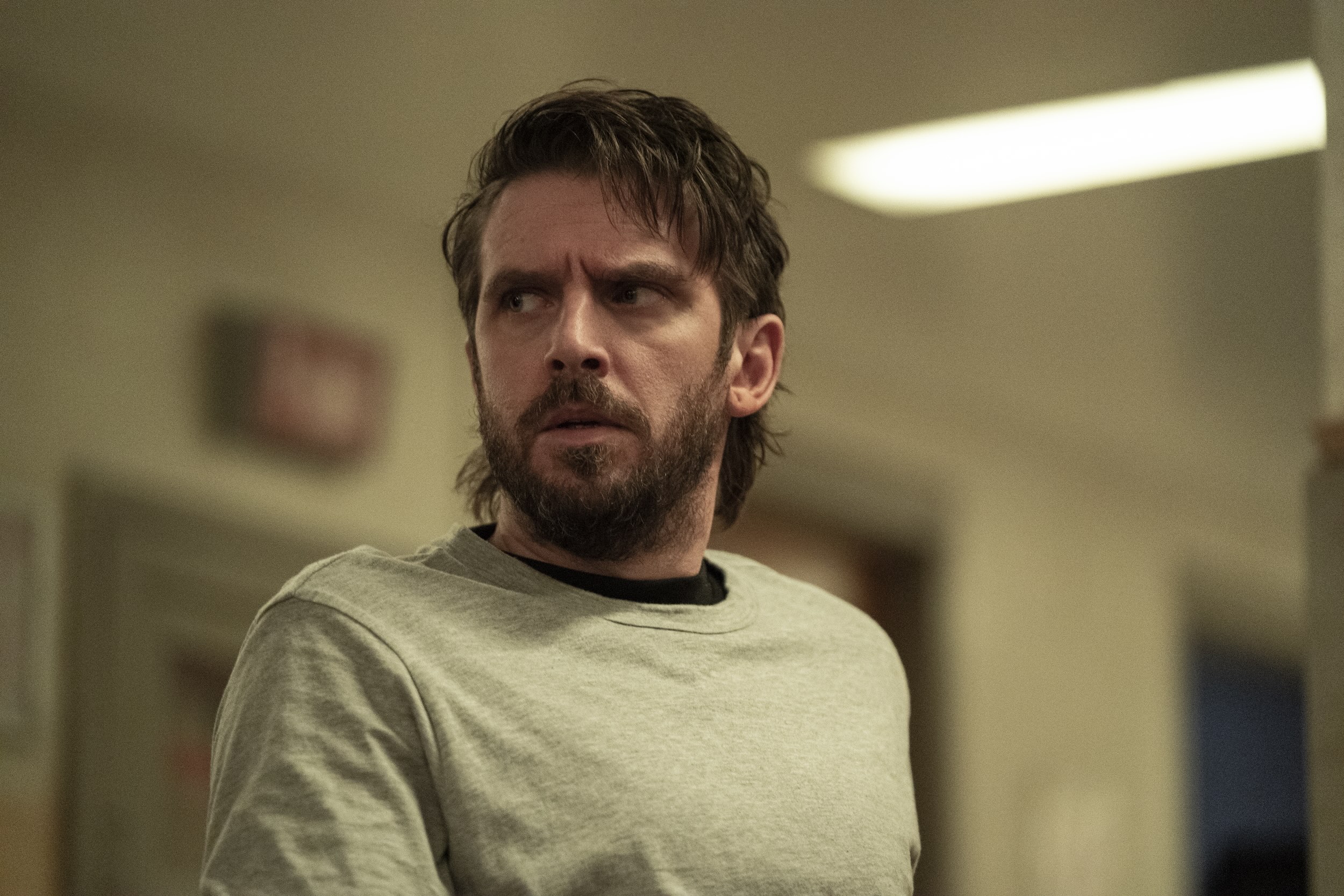
Badger’s patronizing approach, treating the adults like children, is starkly contrasted with Pepper’s demand for basic human decency. When Pepper asks Badger to request rather than order, the doctor responds with a petulant "please," momentarily granting the patients a fleeting taste of power. However, this brief capitulation is swiftly revoked as Badger reasserts dominance by abruptly ending the meeting, demonstrating the fragile and performative nature of their agency within the institution. This scene brilliantly encapsulates the power imbalance and the subtle forms of psychological torture inherent in such a system.
Supporting Data and Broader Implications: A System in Crisis
Beyond Kesey: A Critique of Deinstitutionalization’s Legacy
While One Flew Over the Cuckoo’s Nest serves as a thematic touchstone, "The Terror: Devil in Silver" explicitly states its divergence from a mere modern retelling. The series positions itself as a scathing commentary on the devastating legacy of deinstitutionalization, a policy championed by figures like Ronald Reagan. Kesey’s novel, published two decades before Reagan’s policies, critiqued institutionalization, but the show points to the subsequent defunding of mental health services that forced countless mentally ill individuals onto the streets and into prisons.
The statistics paint a grim picture of this enduring crisis. The Prison Policy Institute estimates that a staggering 43% of people in state prisons and 44% in local jails have mental illness diagnoses. Furthermore, 66% of individuals in federal prisons have received no mental health care while incarcerated. State hospitals, once a primary source of care, have faced decades of funding cuts, closures, and staff reductions. More recently, the "Big Beautiful Bill" enacted further cuts, slashing another $2 billion in funding for addiction and mental health services. This systemic abandonment forms the "soup" in which Devil in Silver simmers, highlighting how current mental health crises are not merely a continuation of Kesey’s critique, but a direct consequence of decades of policy failures. The show posits that the true horror lies in a society that has effectively criminalized mental illness, transforming hospitals like New Hyde into holding pens rather than healing centers.
The Dehumanizing Apparatus of New Hyde
At every level, the patients of New Hyde are systematically dehumanized. This process is not confined to the menacing entity but is deeply embedded in the daily operations and political oversight of the institution. Patients are treated as resources to be exploited, rather than individuals deserving of care and respect. This exploitation mirrors the political realities of incarcerated populations, where inmates count as residents for census purposes – bringing in state and federal funding – but are denied voting rights or any real say in their communities. Coffee’s repeated dismissal by the comptroller, despite being a "valued voter," exemplifies this callous disregard; he is merely a tally on a census sheet, his voice rendered irrelevant.
The staff, while not uniformly malevolent, often perpetuates this dehumanization. Scotch Tape, for instance, drags Pepper down the hall by his feet during visiting hours, a blatant act of disrespect witnessed by patients and their loved ones. This action, counterintuitive to the staff’s attempts to "clean up" for visitors, serves a more insidious purpose: to reinforce the hospital’s ultimate authority and to remind everyone that the patients are not truly people. Even Pepper, in his moments of frustration, contributes to this cycle, such as when he mocked Sammy for her jokes. While he later feels remorse, his actions highlight how easily individuals can internalize and perpetuate the dehumanizing behaviors of their environment. The system’s power lies in its ability to strip away identity and agency, leaving patients vulnerable to both institutional abuse and the supernatural entity that preys on their despair.
The Blurring of Reality: A Masterful Narrative Device
One of the show’s most compelling features is its deliberate ambiguity regarding what is real and what is a product of the patients’ fractured minds or the hospital’s sinister influence. This is masterfully demonstrated through shifts in perspective. For instance, Coffee perceives fluorescent lights flickering above the mysterious silver door immediately after receiving the threatening phone call, leading both him and the viewer to suspect the "Devil of New Hyde." However, later, from Pepper’s more clearheaded perspective, Scotch Tape is seen calmly fixing the bulb, suggesting it was merely a mundane, damaged fixture in a decaying hospital.
This constant shifting of perspective keeps the audience on edge, questioning the reliability of what they see and hear. It brilliantly mirrors the psychological disorientation experienced by the patients, amplifying the sense of terror and uncertainty. The show uses this technique not just for jump scares but to underscore the profound distrust the patients have in their environment and their own perceptions, making them even more vulnerable to the encroaching horror.
Official Responses and Systemic Neglect
The "official responses" within The Terror: Devil in Silver are not overt declarations but rather a pervasive pattern of dismissal, denial, and outright hostility. Coffee’s numerous calls to external authorities – including the local comptroller and even the president – are met with bureaucratic indifference. His concerns are brushed aside, his pleas for investigation ignored. This systematic neglect is the unspoken official policy, demonstrating that those with power are either complicit in New Hyde’s operations or simply unwilling to intervene.
The chilling phone call Coffee receives, threatening his life if Pepper is allowed to leave, represents a more active and sinister "official response." It confirms that there are forces at play, likely connected to the institution itself, that are determined to maintain the status quo and prevent any external scrutiny. This implies a level of corruption and control that extends beyond mere incompetence, pointing to a deliberate effort to keep the hospital’s secrets buried. The official response, in essence, is one of abandonment, punctuated by threats against anyone who dares to challenge the established order.
Character Studies: Navigating the Abyss
Pepper: The Impulsive Catalyst
Pepper is a deeply flawed yet compelling protagonist. His impulsive nature, often leading to self-sabotage, is a constant source of tension. He’s quick to anger, reckless, and prioritizes immediate gratification or problem-solving over long-term consequences. He perceives himself as a "spice that gives things a kick," but often comes across as abrasive. Yet, beneath this veneer, he is not truly malicious. When his "dickishness" causes harm, he typically shows remorse, indicating a moral compass that, while occasionally obscured by his circumstances or medication, remains intact. His struggle to break free, even selfishly, underscores the primal human desire for autonomy in the face of absolute control.
The Staff: Cogs in a Cruel Machine
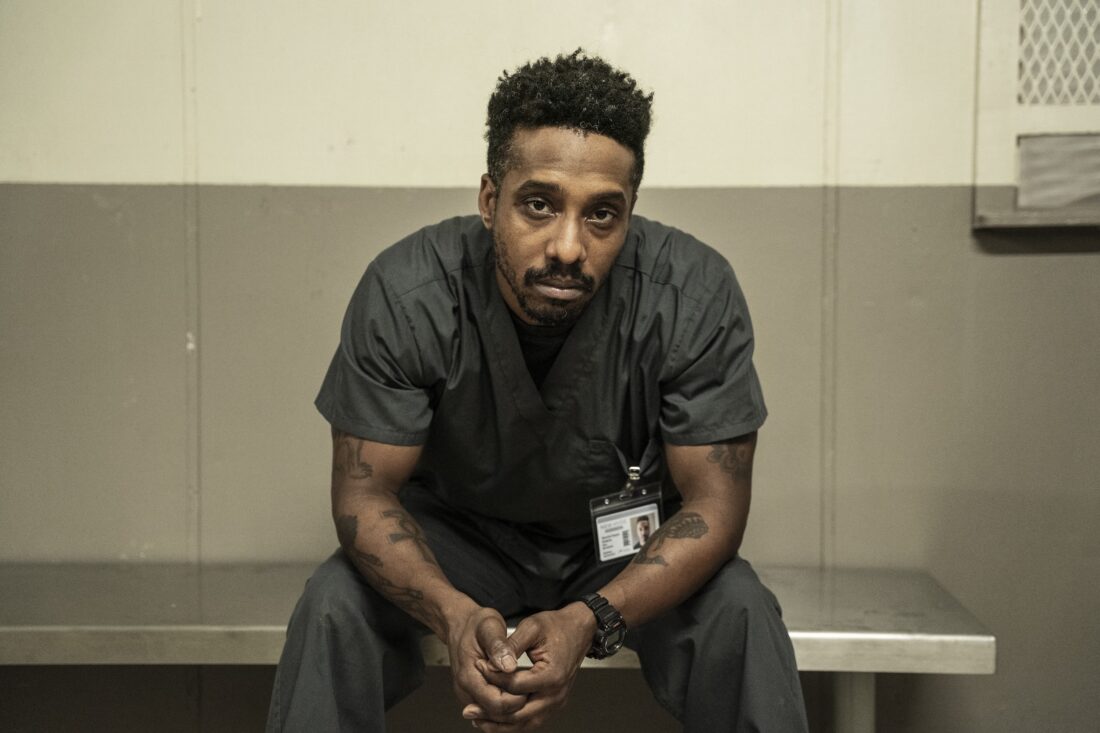
The staff at New Hyde, including Scotch Tape, Josephine, Miss Chris, Anand, and Badger, are presented with a nuanced complexity. They are not one-dimensional villains but individuals with their own motivations. Josephine sends money home to her family; Scotch Tape aims to complete his medical residency. This personal context complicates their roles, suggesting they are trapped within a system that compels them to participate in its dehumanizing practices, even if they are not inherently bad people. Scotch Tape’s passive-aggressive dynamic with Miss Chris, where he seemingly pokes at her while perpetrating his own cruelties, highlights the insidious ways power operates within the institution. Their actions, though often harmful, are products of a broken system rather than pure evil, making the horror all the more poignant.
The Patients: Voices of Despair and Resilience
The diverse group of patients offers various responses to their confinement. Dorry, initially seen stealing cookies, appears to have settled into a state of resigned acceptance, a chilling prospect for any new arrival. Coffee, however, embodies resilience and a fierce determination to fight, even when faced with overwhelming odds and utter dismissal. His efforts to contact the outside world, despite their futility, represent a refusal to be silenced. The book club scene reveals the collective cynicism and understanding among the patients, who see through Dr. Badger’s performative therapy. They are "the buffalo" at the edge of "the cliff" that is New Hyde, united in their shared experience of institutional abandonment.
Production Excellence: A Visceral Experience
Beyond its compelling narrative and thematic depth, "The Terror: Devil in Silver" excels in its technical and artistic execution. The show meticulously crafts a visceral and disorienting experience. Small, telling details abound, such as Coffee’s neat but wandering handwriting on lined paper, subtly conveying his internal state. The contrast of the faded "community" sign against a cracked ceiling and deflated balloons powerfully symbolizes the decaying ideals of the institution.
From off-center camera angles that create a sense of unease to the discordant musical score that amplifies tension, and the worn-down production design that reflects the hospital’s decay, every element of the show is "firing on all cylinders." This masterful blend of visual and auditory storytelling immerses the viewer in the oppressive atmosphere of New Hyde, making the psychological and supernatural horrors feel intimately real. The overarching plot is clear, yet the show’s intricate details and character development keep the audience deeply invested, eager to see how Pepper’s path will inevitably intertwine with the unfolding horrors.
Conclusion: Trapped in a Hell of Their Own Making
"The Terror: Devil in Silver" continues to be a chilling exploration of institutional horror, where the boundaries between mental illness, systemic neglect, and supernatural evil are constantly blurred. Episode two leaves Pepper bloodied, beaten, and bound, facing an unknown terror from the ceiling, a stark reminder of his utter powerlessness. The episode masterfully uses the ambiguity of its narrative to question perceptions of reality, while simultaneously delivering a potent critique of a societal system that has abandoned its most vulnerable.
Whether Pepper’s latest torment was inflicted by a monstrous entity or merely another patient, the outcome is the same: he is trapped in a hell of New Hyde’s making, a purgatory where no one with power truly cares, and escape seems increasingly impossible. Coffee and Pepper remain ensnared, their pleas for help echoing unheard in the desolate corridors of a decaying institution that embodies the terrifying legacy of a broken mental healthcare system. The show promises not just frights, but a profound and unsettling examination of human cruelty and the monsters we create, both within and without.



Leave a Comment