The Ghost Town That Became Real: Agloe’s Cartographic Conundrum
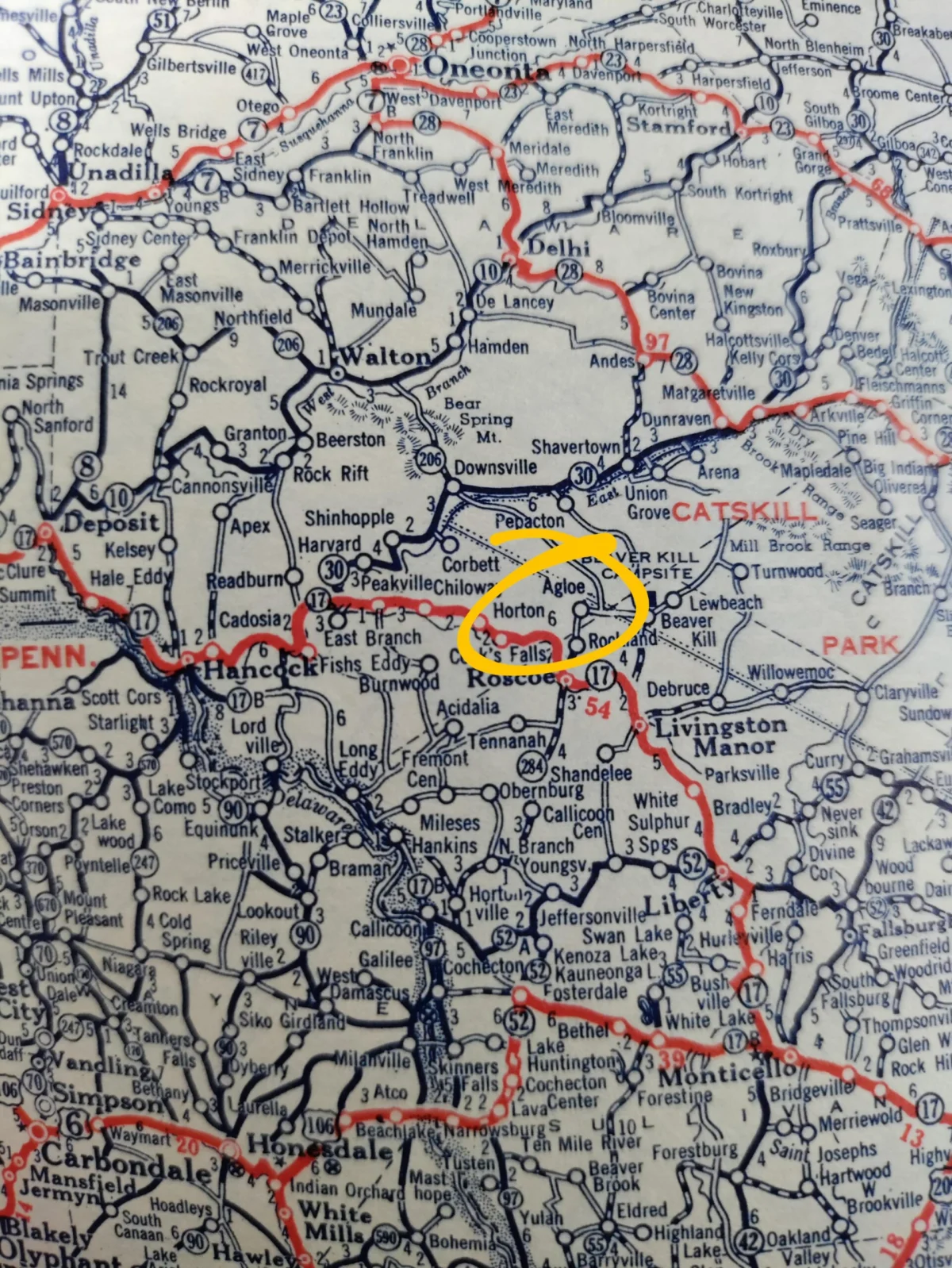
In the annals of cartography and storytelling, few phenomena are as captivating as the "paper town" – a fictional place intentionally placed on a map, not to guide travelers, but to safeguard the mapmaker’s intellectual property. This curious practice, designed to catch potential plagiarists, has a remarkable history, none more compelling than that of Agloe, New York. What began as a cartographer’s ploy to protect his work inadvertently birthed a real, albeit ephemeral, settlement, a testament to the peculiar interplay between fiction and reality.
John Green, a name synonymous with educational YouTube channels like Crash Course and beloved young adult novels such as "The Fault in Our Stars" and "Paper Towns," has long been fascinated by such historical curiosities. His novel "Paper Towns" itself draws inspiration from this very cartographic quirk, and it was through his popular Vlogbrothers channel, co-hosted with his brother Hank, that the story of Agloe was brought to wider public attention. This narrative, a blend of legal maneuvering, entrepreneurial spirit, and the sheer power of a name, offers a unique window into how something entirely fabricated can manifest in the tangible world, only to vanish again.
The Genesis of a Phantom: Agloe’s Cartographic Origins
The story of Agloe begins in the 1920s, with cartographers Otto G. Lindberg and Ernest Alpers. Commissioned by the Esso gas station chain (then Standard Oil of New York), their task was to create a comprehensive set of maps. In an era where map duplication was a significant concern, cartographers employed a clever, if somewhat mischievous, tactic: the insertion of "paper towns" or "copyright traps." These were fictional street names, landmarks, or even entire settlements designed to appear on their maps, but nowhere else. The logic was simple and sound: if a rival mapmaker’s product featured the exact same invented place, it provided irrefutable evidence of plagiarism.
Lindberg and Alpers, in their quest to protect their meticulous work, placed a fictitious hamlet named "Agloe" in upstate New York, specifically within Colchester, Delaware County. This tiny, imaginary dot on the map was intended to be nothing more than a defensive measure, a digital tripwire for any who dared to copy their cartographic efforts. Little did they know, this purely functional fabrication was about to embark on an extraordinary journey from the abstract realm of ink and paper to the concrete reality of physical existence.
From Ink to Existence: The Unforeseen Manifestation of Agloe
The peculiar destiny of Agloe began to unfold in 1930, approximately four years after its creation on the Esso maps. A business named Agloe Lodge Farms emerged, and crucially, it adopted the name of the fictional settlement. This enterprise later acquired a local fishing lodge and, in a move that blurred the lines between cartographic fiction and everyday life, began to use "Agloe" to refer to this establishment as well.
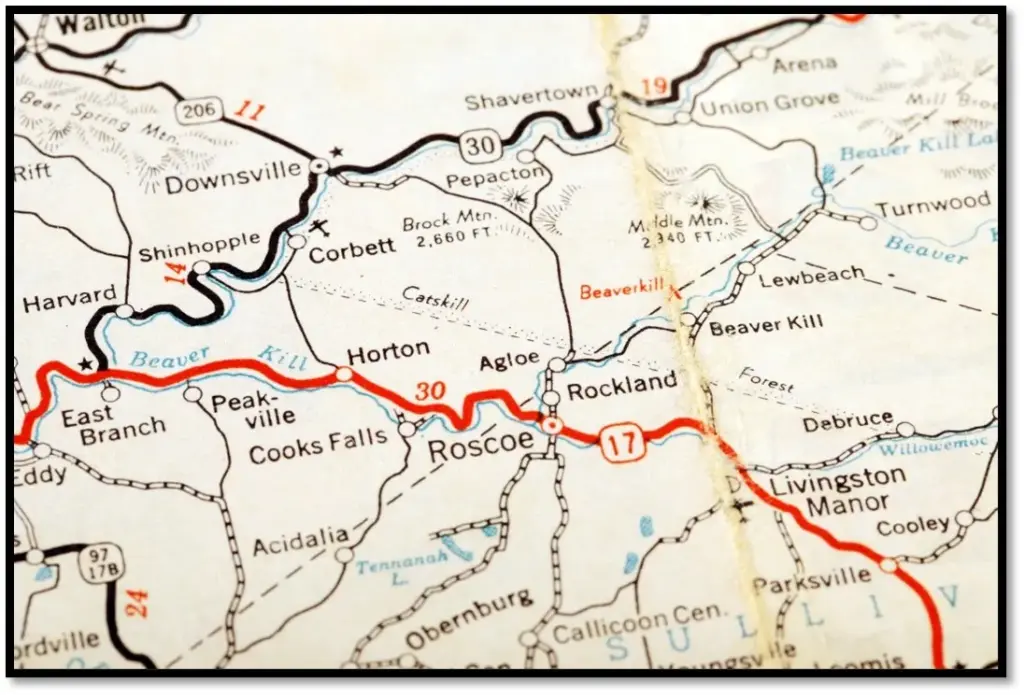
This seemingly minor adoption of a fictional name by a real business had profound implications. When Rand McNally, another prominent map publisher, included Agloe on its own maps, they were met with challenges regarding its inclusion. However, they could now cite official county records and the existence of Agloe Lodge Farms as justification. The "paper town," born from a desire to prevent copying, had inadvertently created a legal and administrative reality. Agloe, New York, was no longer merely a figment of a cartographer’s imagination; it had, at least in the eyes of the law and local commerce, become a real place.
The story of Agloe’s materialization is a striking example of how a label, once affixed and accepted, can gain a life of its own. It highlights the power of naming and the way official records and commercial activity can lend credence to even the most whimsical of origins. The town’s existence was not the result of organic growth or geographical significance, but rather the consequence of a clever legal tactic that, through a series of coincidences and business decisions, took root in the physical landscape.
The Echoes of Existence: Agloe’s Tangible Presence
For a period, Agloe was more than just a name on a map; it was a recognized entity. While it never grew into a bustling metropolis, it represented a unique historical footnote. The existence of Agloe Lodge Farms and the subsequent official recognition meant that for a time, one could, in theory, travel to Agloe, New York. It served as a tangible reminder of the cartographic prank that had, against all odds, given it life.
The journey of Agloe from a mere cartographic placeholder to a recognized location is a fascinating case study in the fluidity of place and recognition. It underscores that the definition of a "place" can be multifaceted, encompassing not just geographical coordinates but also legal status, commercial activity, and even popular perception. The story of Agloe resonates because it challenges our conventional understanding of how towns and settlements come into being, demonstrating that reality can sometimes be stranger, and more whimsical, than fiction.
The Fading Footprint: Agloe’s Demise and Digital Legacy
However, like many small settlements, Agloe’s existence was tied to the fortunes of its businesses. The Agloe Lodge Farms eventually closed down, and with the cessation of its operations, the physical basis for Agloe’s recognition began to erode. The unique circumstances that had brought the paper town into reality were no longer in play.
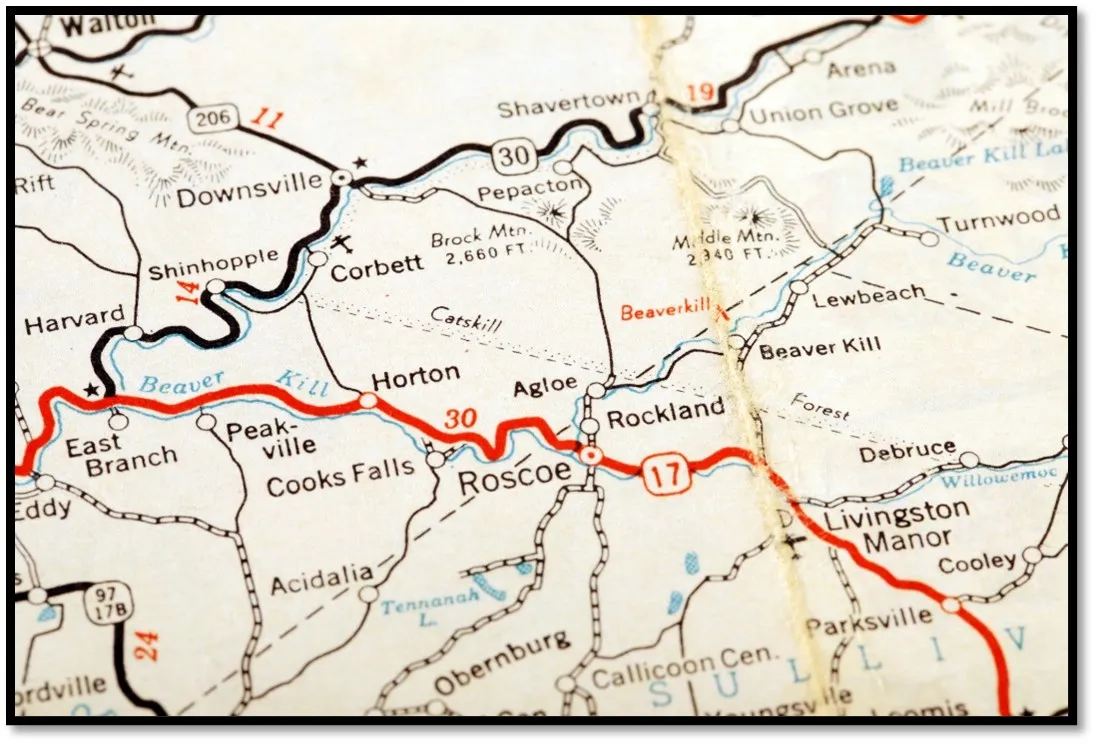
By 2014, when NPR’s Robert Krulwich reported on the story, an internet search for "Agloe, New York" would still yield results pointing to the location where Lindberg and Alpers had originally placed it on their maps. This digital echo persisted, a testament to the lasting impact of the cartographic misdirection. However, even this digital footprint proved to be impermanent. As Krulwich noted with a sense of wonder, just as his story was about to be published, a final check on Google Earth revealed that "Agloe" was no longer present. The digital ghost had finally vanished.
The disappearance of Agloe from digital maps is a poignant conclusion to its story. It signifies the ultimate triumph of reality over fiction, but also the enduring power of narrative. Even though the physical settlement and its digital representation have faded, the story of Agloe – the paper town that became real – continues to captivate and inspire, reminding us of the curious ways in which human ingenuity and the very concept of place can intertwine. For young readers, particularly those who imagine themselves embarking on fantastical journeys like Margo Spiegelman in "Paper Towns," the fading of Agloe might necessitate seeking out new, perhaps digital, frontiers for their imaginative adventures.
Supporting Data and Contextual Information
The phenomenon of paper towns is not unique to Agloe. Cartographers throughout history have employed similar tactics. These deliberate inaccuracies served a critical purpose in an era where maps were painstakingly drawn and duplicated, making them vulnerable to widespread copying. The insertion of a unique, invented element acted as a watermark, a verifiable sign of originality.
- The Purpose of Paper Towns: Primarily, paper towns were "copyright traps." Their presence on a map, and their absence on any other map, would strongly suggest that the other map was a direct copy. This legal protection was crucial for map publishers in a competitive market.
- The Case of "Argleton": Another well-documented example is Argleton, a fictional village in Lancashire, England, which appeared on some maps for decades. Like Agloe, its presence on official maps led to it being recognized as a place, even though it had no physical existence. This situation also highlights the potential for confusion and the difficulty in correcting such errors once they become embedded in official records.
- The Evolution of Mapping Technology: The advent of digital mapping and Geographic Information Systems (GIS) has, in some ways, made the concept of paper towns obsolete. However, the underlying principle of ensuring data integrity and originality remains relevant in the digital age, though the methods have evolved.
- John Green’s Fascination: John Green’s repeated engagement with the concept of paper towns, both in his novel and his YouTube content, speaks to a broader cultural interest in these liminal spaces where fiction and reality blur. His work often explores themes of identity, perception, and the search for meaning, making the story of Agloe a natural fit for his storytelling repertoire.
Implications and Broader Significance
The story of Agloe transcends a mere cartographic curiosity; it carries broader implications about the nature of reality, the power of naming, and the influence of information.
- The Social Construction of Reality: Agloe’s existence demonstrates how elements of our reality are, in part, socially constructed. The agreement of cartographers, businesses, and even legal systems to recognize Agloe as a place, however tenuous, brought it into being. This highlights how shared understanding and agreement can shape what we perceive as real.
- The Power of Narrative and Information: The story of Agloe is a powerful narrative that has endured and evolved. Its journey from a cartographer’s tool to a viral anecdote illustrates the potent force of storytelling in shaping our understanding of the world. The internet and platforms like YouTube have amplified this effect, allowing such fascinating historical tidbits to reach a global audience.
- The Ephemeral Nature of Place: Agloe’s eventual disappearance from maps, both physical and digital, underscores the ephemeral nature of many places. Settlements rise and fall, names are forgotten, and even documented realities can fade with time and changing circumstances. Agloe serves as a poignant reminder that even seemingly permanent fixtures of our landscape can be transient.
- The Blurring Lines Between Fiction and Fact: In an era saturated with digital information and increasingly sophisticated forms of media, the story of Agloe offers a compelling illustration of how the lines between fiction and fact can become blurred. It prompts reflection on how we verify information and the sources we trust to define our understanding of the world around us.
The tale of Agloe, New York, is a captivating testament to the unexpected consequences of human invention and the enduring power of narrative. It is a story that, much like the paper town itself, has etched a unique mark on the landscape of human interest, reminding us that sometimes, the most fascinating realities are born from the most improbable of fictions.