
The Golden Vein: How Witwatersrand Gold Forged Modern South Africa
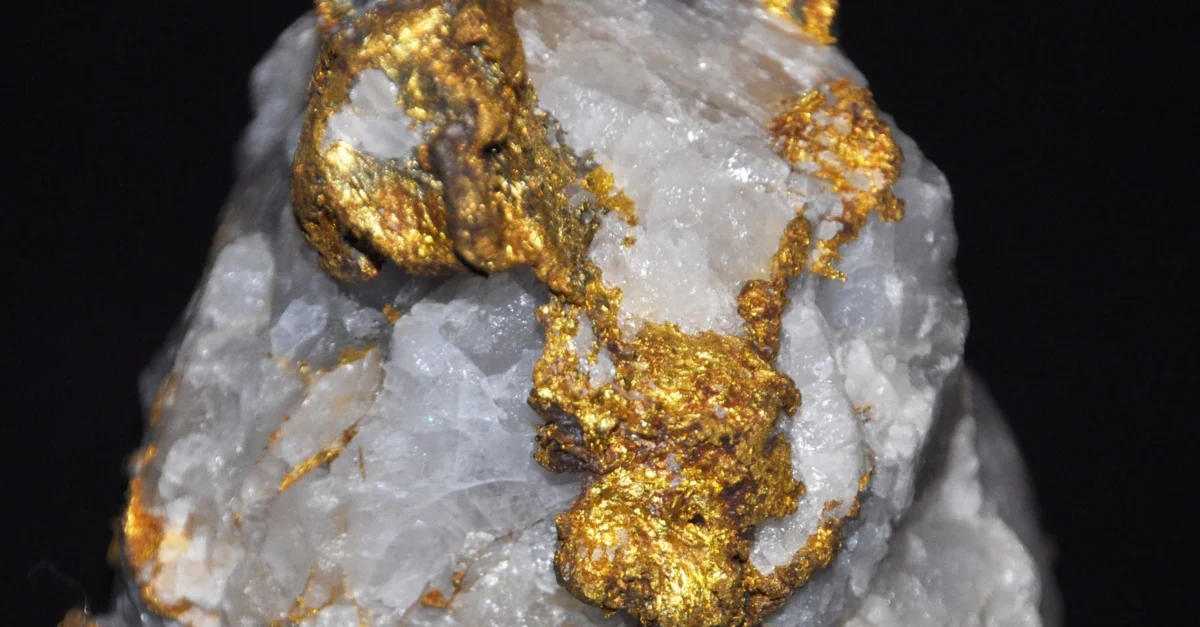
Johannesburg, South Africa – The year 1886 marked a pivotal moment in the history of Southern Africa, a year that saw the discovery of an immense treasure beneath the dusty plains of the Transvaal. The Witwatersrand Basin, or "the Rand" as it swiftly became known, revealed itself as the largest gold deposit the world had ever seen. Coupled with the earlier diamond finds at Kimberley in 1867, this golden revelation irrevocably transformed a largely agrarian region into a global economic powerhouse, but at a profound human cost. This unprecedented wealth triggered mass immigration, rapid urbanisation, and, most consequentially, the systematic creation of a deeply segregated and exploited workforce of Black Africans, laying the grim foundations for a century of racial injustice and conflict.
The staggering riches of the Transvaal, then a self-governing Boer republic, became a prime catalyst for the Anglo-Boer Wars, ultimately leading to a British takeover and the formation of the Union of South Africa in 1910. The story of Witwatersrand gold is not merely one of geological fortune, but a complex tapestry woven with threads of imperial ambition, economic exploitation, technological innovation, and the brutal dawn of institutionalised racial discrimination.
A Continent on the Cusp: Southern Africa Before the Gold Rush
In the early 19th century, Southern Africa held a primarily strategic, rather than economic, interest for the British Empire. The Cape Colony, established in 1806, and its vital Cape of Good Hope acted as an indispensable maritime waypoint for ships traversing the vast distances between Britain and its lucrative possessions in Asia, particularly British India. Natal, another British colony, was founded in 1843, further solidifying a British presence along the coastline.
However, British influence was not unchallenged. Beyond the indigenous African communities, a distinct European population, the Boers (meaning "farmers" in Dutch), had carved out their own existence. Descended from Dutch and French settlers, these Afrikaners, speaking their unique language of Afrikaans, had a strained relationship with the British authorities. The 1830s saw the "Great Trek," a mass migration of over 14,000 Boers inland, driven by a desire for independence, resentment over the British outlawing of slavery, and increasing population pressure on land around the Cape. This migration led to the establishment of independent Boer republics, notably the Transvaal (formally recognized in 1852) and the Orange Free State (1854). These republics were largely rural, their economies modest, centred on agriculture and limited trade. This tranquil, albeit politically charged, landscape was soon to be violently disrupted by geological fortune.
The Diamond Precedent: Kimberley’s Spark
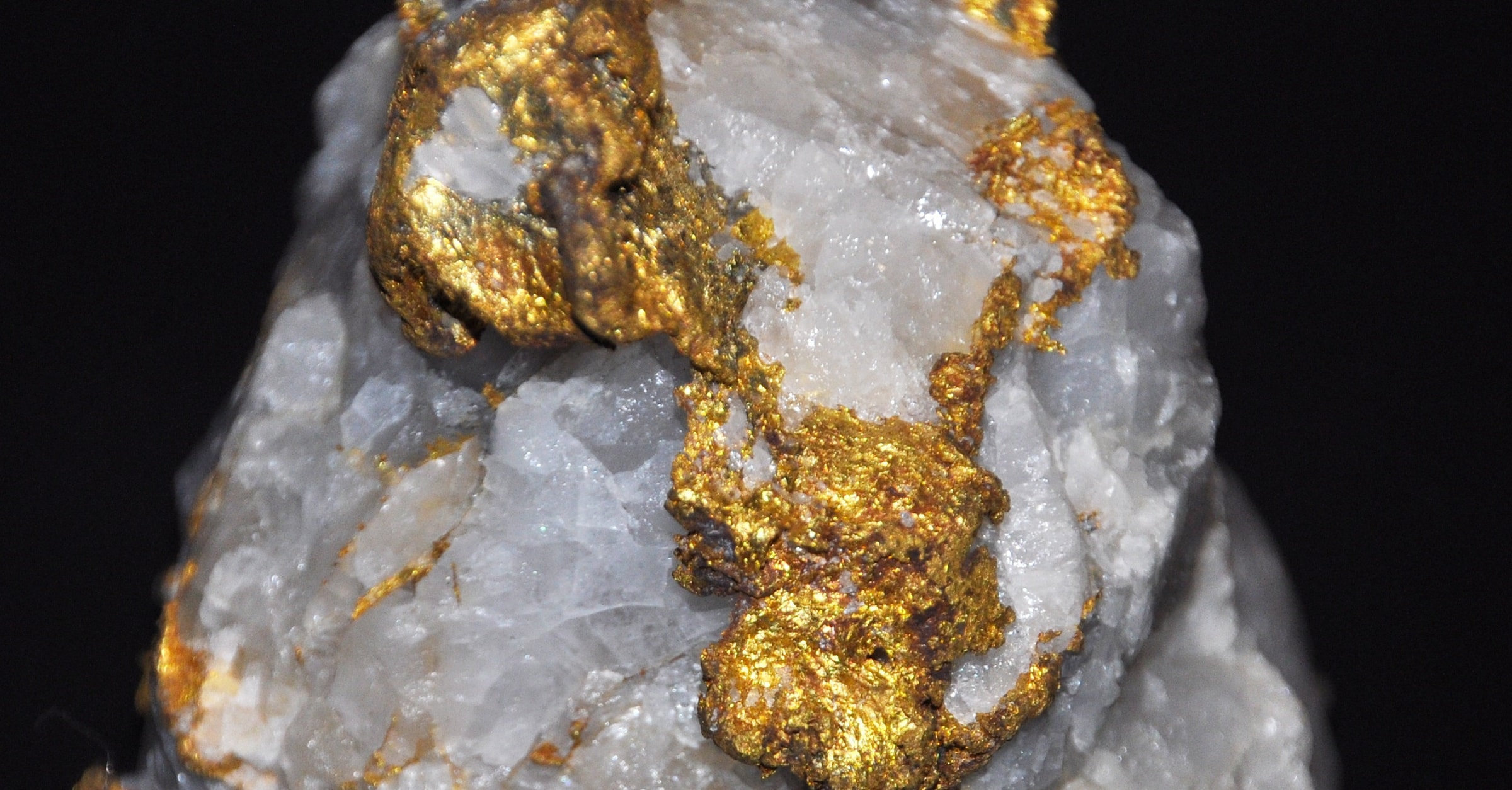
Before gold, diamonds set the precedent for Southern Africa’s mineral boom. The discovery of diamonds near Kimberley in 1867 created the region’s first mineral rush, attracting prospectors and capital from across the globe. The initial chaotic scramble for individual claims quickly gave way to consolidation, as the capital-intensive nature of deep-level mining favoured large companies over individual diggers. This process, spearheaded by powerful figures like Cecil Rhodes, established a template: immense wealth generation, rapid urbanisation around mining centres, and crucially, the introduction of a highly controlled, often coerced, and racially stratified labour system for Black African workers. Kimberley became a crucible where the economic and social mechanisms of later gold exploitation were first refined.
Witwatersrand: The Golden Revelation
While sporadic gold finds had been reported in the Transvaal for decades, the true scale of its riches remained hidden until February 1886. The credit for this pivotal discovery is typically given to George Harrison, an Australian prospector, who unearthed gold-bearing rock at Langlaagte farm in the Witwatersrand Basin. Harrison, like many at the time, was unaware of the colossal significance of his find. He had stumbled upon the outcrop of a massive gold belt, an arc of ore stretching nearly 31 miles (50 km) long and extending to depths of 1.8 miles (3 km), making it the deepest mining complex in the world.
The gold itself, beyond a thin surface layer, proved challenging to extract. It was primarily low-grade ore, yielding a mere 5 ounces (15 grams) of gold per tonne of rock. This meant that extraction was prohibitively expensive, requiring substantial capital investment in machinery and expertise. Consequently, as with the diamond fields, individual claims rapidly consolidated into the hands of a few powerful magnates. These were the "Randlords," many of whom had already amassed fortunes in Kimberley: figures like Julius Wernher, Barney Barnato, Alfred Beit, and the ubiquitous Cecil Rhodes. Their financial prowess and business acumen would shape the destiny of the region.
The news of the gold strike ignited a feverish global migration. Prospectors, engineers, and adventurers flocked to the remote Transvaal. Recognizing the inevitable influx, the colonial authorities quickly dispatched surveyors to identify a suitable settlement site. This nascent encampment would swiftly grow into Johannesburg, a sprawling metropolis that within a decade boasted 100,000 inhabitants. By 1900, its population swelled to 166,000, establishing it as the largest African city south of the Sahara. In its early days, Johannesburg earned a reputation as a frontier town of wild abandon, where fortunes were made and lost with equal speed, and morals were famously loose. One contemporary observer vividly described it as "Monte Carlo imposed on Sodom and Gomorrah," encapsulating its heady mix of wealth and licentiousness.
An Empire’s Economic Engine: Unprecedented Wealth and Global Impact
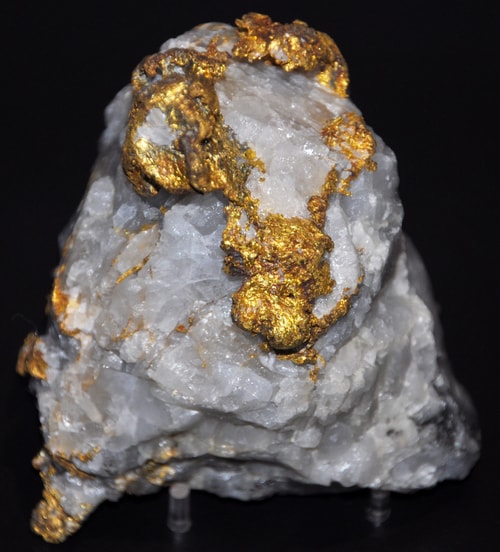
The immediate and most visible consequence of the Witwatersrand gold discoveries was the creation of staggering wealth. The Transvaal Republic, once a struggling agrarian state, was utterly transformed. It reaped an astonishing £4 million annually from mining royalties alone, a figure that doubled by 1896. This newfound fiscal strength turned Transvaal into "the richest independent state in Africa," enabling it to embark on ambitious infrastructure projects. Crucially, the republic constructed its own railway line from Johannesburg to Lourenço Marques (modern Maputo) in Portuguese East Africa, providing independent access to a port and bypassing British-controlled territories. This strategic move, coupled with significant investments in military hardware – importing state-of-the-art rifles, machine guns, and artillery from France and Germany – demonstrated the Transvaal’s burgeoning power and its determination to assert its independence against covetous British eyes.
The sheer scale of gold production was phenomenal and seemingly inexhaustible. By 1890, £10 million worth of gold was being exported, establishing it as the leading South African export. This figure skyrocketed to £25 million by 1905, and between £45 and £50 million (equivalent to approximately £5 billion today) by 1910. By 1915, South Africa alone was producing an astounding 40% of the world’s gold supply. International investors, from European aristocrats to American industrialists, eagerly bought shares in the Transvaal gold mines. Between 1886 and 1913, an estimated £116 million to £134 million was invested in the Witwatersrand, underscoring its global economic significance. At a time when gold was rapidly becoming the international monetary standard for currencies, the demand for this precious metal was insatiable, making the Rand a linchpin of the global financial system.
The Scramble for Gold: British Imperial Ambitions Intensify
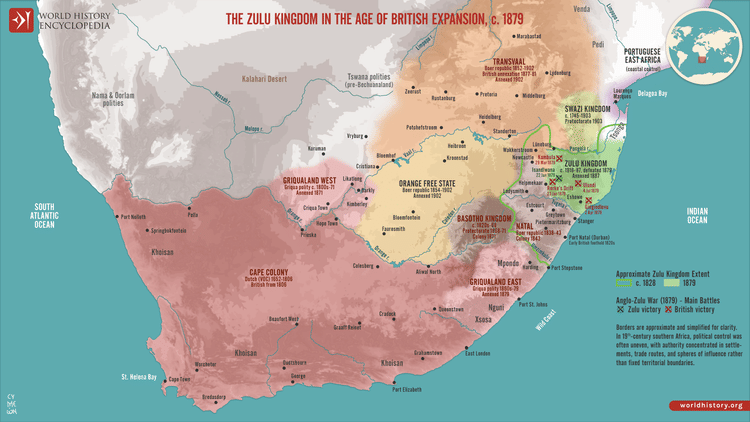
The immense wealth concentrated in the Boer republics inevitably intensified British imperial rivalry in the region. Britain, ever keen to secure its economic interests and expand its dominion, harboured a firm ambition to create a unified federation of South Africa that would encompass and protect the immensely lucrative diamond and gold mines. This grand plan had already seen significant progress with the British defeat of the formidable Zulu Kingdom in 1879, leading to Zululand becoming a crown colony in 1887 and its eventual absorption into Natal by 1897.
Despite their initial success in repelling British advances during the First Anglo-Boer War (1880-1881), the Transvaal Boers soon found themselves increasingly encircled. Throughout the 1880s and 1890s, Britain systematically expanded its control over surrounding territories, acquiring the Basutoland Protectorate (modern Lesotho) in 1884, the Bechuanaland Protectorate (modern Botswana) in 1885, Swaziland in 1893, and Pondoland in 1894. These strategic annexations tightened the imperial noose around the Boer republics. The allure of the Transvaal mines even fuelled the expansionist fantasies of figures like Cecil Rhodes, who sponsored expeditions north of the Limpopo River in the mistaken belief that similar riches awaited discovery there.
A Segregated Society: The Architecture of Labor Exploitation
The gold mines had profound and lasting consequences for the workplace and broader society, establishing a deeply entrenched system of racial hierarchy.
White Miners: Uitlanders and Disenfranchisement
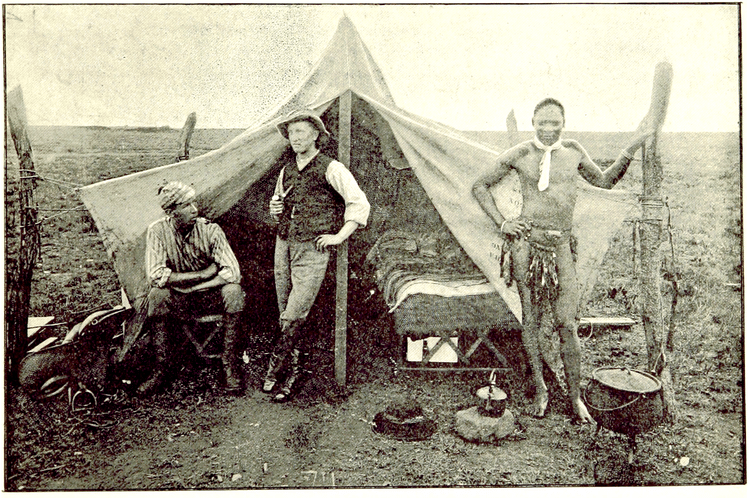
The promise of high wages attracted White miners from across the globe, with 44,000 arriving in Witwatersrand by 1896. This influx significantly altered the demographic landscape of Southern Africa; the White settler population grew from approximately 250,000 in 1870 to 600,000 by 1891. However, the Boers, particularly in Transvaal, were wary of these new arrivals, whom they disparagingly called Uitlanders (‘Outsiders’). Fearing a loss of political control, President Paul Kruger (1825-1904) enacted stringent laws, most notably requiring 14 years of residency before a White immigrant could vote in political elections. While these White workers enjoyed significantly higher wages (often more than ten times that of Black miners), they deeply resented their disenfranchisement, especially given their obligations to pay taxes and perform military service for the Transvaal government. This political grievance among the Uitlanders became a major point of contention for the British colonial authorities in Cape Colony and Natal, leading to the ill-fated Bloemfontein Conference of June 1889, which further exacerbated Anglo-Boer tensions.
Black African Miners: Systemic Discrimination and Coerced Labor
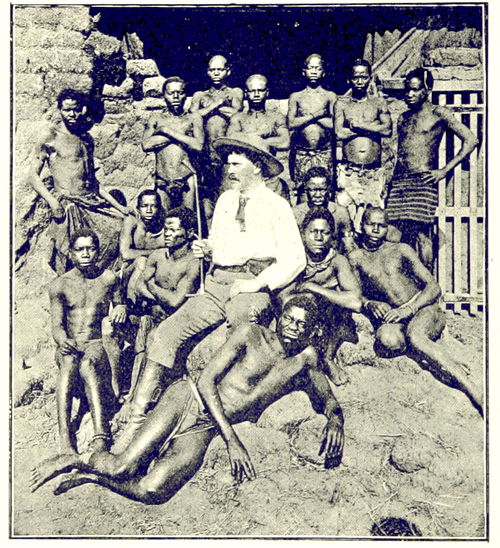
For Black African workers, who numbered over one million in the gold mines by 1899, the prejudice and exploitation were far more severe and systematic. Mine owners, driven by the low-grade nature of the ore and the high costs of extraction, relentlessly sought to keep labour costs to an absolute minimum. Black miners were explicitly denied the right to form trade unions, a fundamental right afforded to their White counterparts. Furthermore, powerful White worker unions actively protected their privileged positions, ensuring that cheaper African labour could not be employed for skilled mining jobs, thereby entrenching the racial division of labour.
In 1899, the powerful Chamber of Mines was formed, with one of its primary functions being the organised recruitment and maintenance of a cheap, unskilled labour force. The rationale offered for these subpar wages was that African workers were often employed seasonally and could supplement their income by returning to their rural farms – a justification that ignored the realities of their forced displacement and economic dependence on the mines. To further depress wages and maintain a docile workforce, mining companies began importing tens of thousands of Chinese indentured labourers in the early 20th century, who were often treated little better than slaves under brutal contract conditions.
The Compound System and Pass Laws
Black miners were subjected to a highly restrictive and dehumanizing system. They were obliged to live in caged compounds, isolated from the outside world, ostensibly to prevent the theft of gold. These compounds were often overcrowded, unsanitary, and controlled environments, designed to maximise labour efficiency and minimise dissent. Furthermore, Black Africans were required to carry passes to circulate freely in towns. Failure to produce a pass could result in harsh penalties, ranging from substantial fines to three weeks of hard labour. These discriminatory laws, enforced with brutal efficiency, were not merely isolated policies; they were the foundational elements of the system of apartheid that would later define South Africa, institutionalising racial prejudice and control.
Industrialisation and Infrastructure Boom
Beyond the social stratification, the mining boom spurred rapid industrialisation and infrastructure development, almost uniquely on the African continent. The burgeoning mining towns and burgeoning populations created an urgent demand for efficient transportation. In 1860, Southern Africa possessed a mere 1.8 miles (3 km) of railway and virtually no roads suitable for wheeled vehicles. By 1889, this had expanded dramatically to 2,050 miles (3,300 km) of railway lines, primarily connecting the mines to ports and supply centres. By 1914, an extensive network of 46,000 miles (75,000 km) of roads crisscrossed the region, facilitating the movement of goods, machinery, and labour, and forever altering the landscape.
The Second Anglo-Boer War and the Creation of South Africa
As the 19th century drew to a close, the simmering tensions between Britain and the Boer republics erupted into the Second Anglo-Boer War (1899-1902). The causes were multifaceted, extending beyond the immediate allure of gold and diamonds. However, the mineral wealth undeniably played a central role. The powerful mine magnates had actively plotted against the Transvaal government, famously funding and arming the failed Jameson Raid of December 1895, an ill-conceived attempt to spark an Uitlander uprising.
The British government harboured deep concerns that a wealthy and independent Transvaal might forge alliances with rival colonial powers, particularly Germany, thereby threatening British hegemony in Southern Africa. Furthermore, British financial interests in the region were enormous; by 1899, British investments in Transvaal totalled over £350 million, and a staggering two-thirds of Witwatersrand’s mines were owned by British shareholders. Protecting these vast investments and securing unfettered control over the gold supply became a paramount British objective.
Britain eventually emerged victorious from the brutal and costly Second Boer War. This victory paved the way for the realisation of the long-held British colonial dream: the formation of the Union of South Africa in 1910. This new self-governing dominion within the British Empire consolidated the Cape Colony, Natal, Transvaal, and the Orange Free State, absorbing territories like Zululand, Tongaland, and Griqualand.
However, the Union was born prosperous yet profoundly divided. Its very foundation was built upon institutionalised racial discrimination. Early legislative acts, such as the Mines and Works Act of 1911, explicitly excluded Africans from certain skilled mining jobs, cementing the racial hierarchy in the workplace. Even more far-reaching was the Natives Land Act of 1913, which dispossessed Africans of their ancestral lands, forcibly removing them to make them a captive, cheap labour force for the mines and burgeoning industries. These laws were not mere afterthoughts; they were integral to the economic model that sustained the Union.
The Enduring Legacy
Even after gaining independence in 1961, South Africa remained notorious worldwide for its deeply entrenched policies of racial segregation and discrimination, known as apartheid. The system, which drew heavily on the precedents set during the gold rush era, shaped every aspect of South African society for decades.
As noted in The Cambridge History of Africa, the gold-mining industry was far more than just an economic engine: "it was at the heart of the structure and evolution of modern South Africa – ‘it was there that…the first and most extensive industrial institutionalisation of racial discrimination in South Africa’ occurred." The golden vein of Witwatersrand, while bringing unparalleled wealth and accelerating modernisation, simultaneously etched a legacy of profound injustice and division that would scar the nation for generations, a legacy from which South Africa continues to heal and reckon with today.

Leave a Comment