The Growing Shadow of AI in Hollywood Concept Art: Masters of the Universe Joins the Controversy
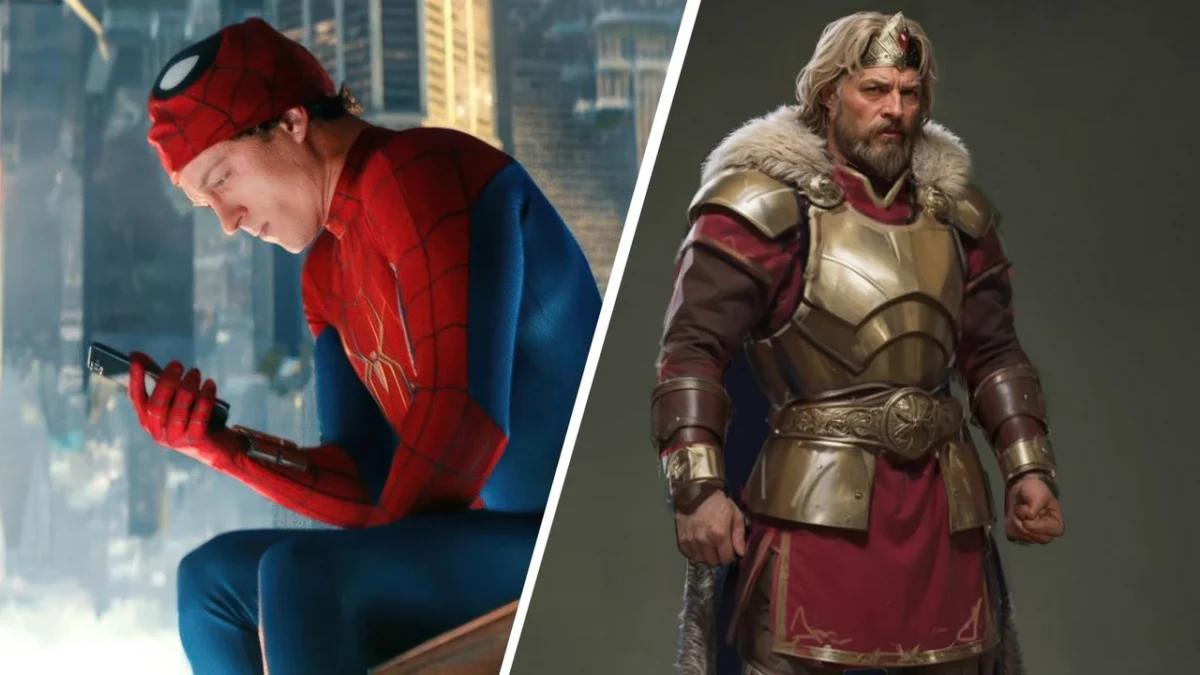
The whispers of artificial intelligence infiltrating the creative process in Hollywood have grown into a persistent hum, and recent revelations surrounding the concept art for "Masters of the Universe" suggest this is far more than a fleeting trend. Following closely on the heels of high-profile controversies involving "Spider-Man: Brand New Day," the use of AI in generating visual assets for major productions is once again igniting debate among artists, fans, and industry professionals. This latest development raises critical questions about artistic integrity, the future of creative work, and whether the industry is rapidly approaching a point of no return in its adoption of AI-generated content.
The Mounting Evidence: From Spider-Man to Eternia
The initial shockwaves regarding AI’s presence in visual media were amplified by discussions surrounding "Spider-Man: Brand New Day." Artists expressed concern that the practice of employing AI for movie concept art was already deeply embedded within studio workflows, often hidden from public view. The subsequent emergence of evidence suggesting AI’s involvement in the conceptualization of Travis Knight’s recent "Masters of the Universe" film serves as a stark confirmation of these fears.
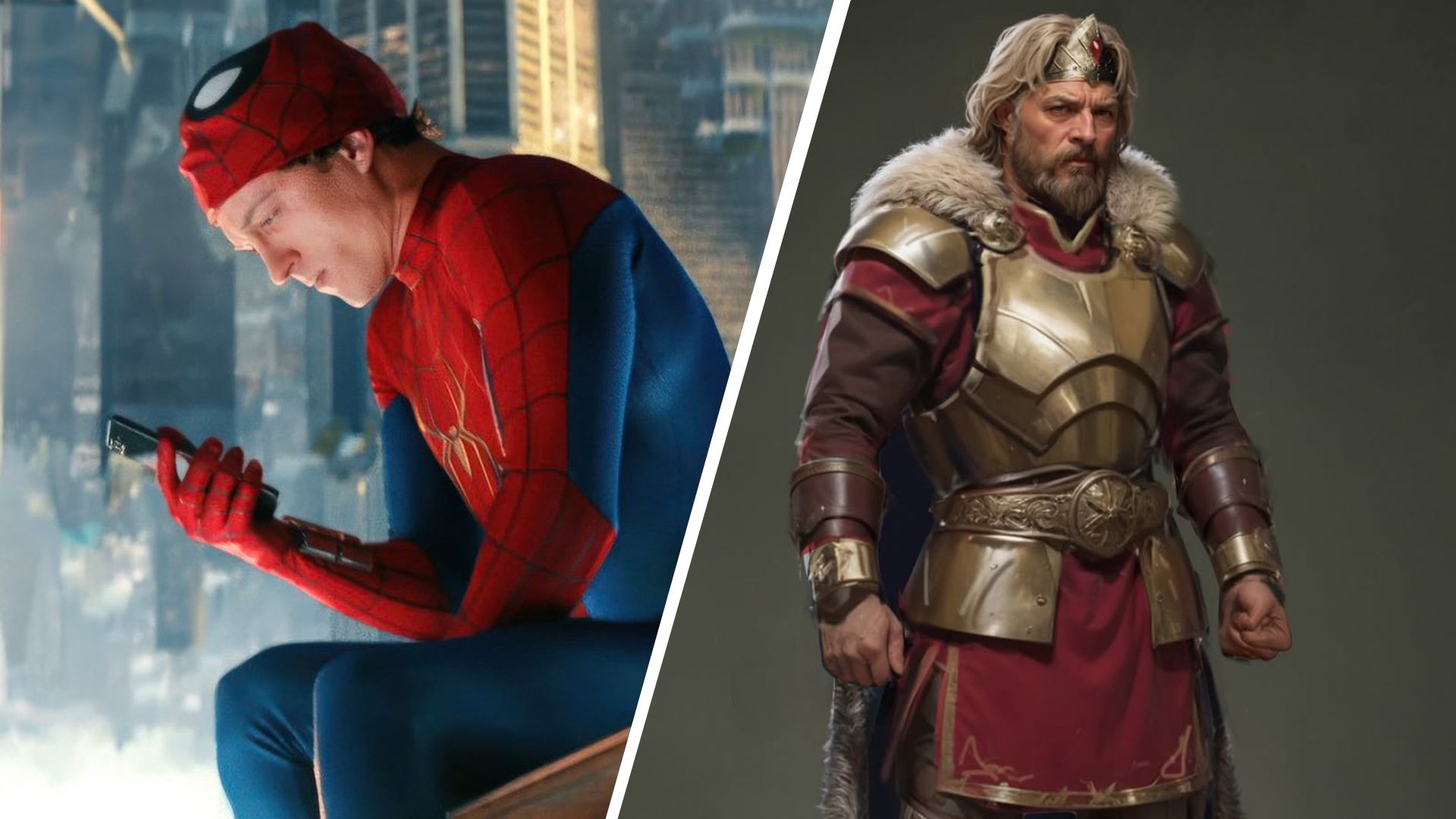
The controversy gained significant traction through social media platforms. A post on X (formerly Twitter) by user @cantworkitout highlighted the parallels between the "Spider-Man" and "Masters of the Universe" productions, stating, "Yet another AI generated image in movies that will end up in the artbook! Masters of the Universe used AI in art just like spiderman did." Accompanying this assertion was a visual comparison, showcasing what appeared to be AI-generated concept art for the film.
Chromatic Studio’s Defense: A Tool for Efficiency?
When directly questioned about the use of AI in their concept art, particularly regarding costume exploration sketches for King Randor, ruler of Eternos, Chromatic Studio, the visual development studio behind much of the film’s art, offered a measured response. In a statement made on Instagram, they explained, "Yes, we use AI as a tool when it speeds production up. The design work is ours." This justification centers on the argument that AI serves as a facilitator, accelerating the production pipeline without compromising the creative ownership of the human artists.
The studio’s perspective posits that AI can be a valuable asset in the initial stages of design, allowing for rapid iteration and exploration of numerous visual ideas. This argument is particularly resonant when considering the nature of concept art, which by definition is exploratory and often iterative. In this context, AI could theoretically enable concept artists to test a wider range of possibilities in a shorter timeframe, particularly for elements that may ultimately not be used in the final product.
The Unconvincing Justification: Art Books and Fan Disappointment
However, this defense has met with considerable skepticism from many within the artistic community and among fans. The notion that AI is merely a "tool" to "speed up production" has been met with sharp criticism. One prominent comment from a user stated, "AI slop + the guy who overpainted this clearly did not enjoy this, such a disappointment to see good outsourcing studios using such a disgusting method just to ‘speed up their process’." This sentiment reflects a deep-seated concern that the efficiency argument masks a fundamental devaluation of human artistry and craftsmanship.
The core of the rebuttal lies in the evolving role and visibility of concept art. While traditionally an internal developmental tool, concept art has increasingly become a public-facing component of a film’s marketing and fan engagement strategy. Art books, making-of documentaries, and online portfolios now regularly showcase these early visual explorations. This shift in visibility fundamentally alters the impact of using AI in concept art.
The Erosion of Admiration: What Are We Appreciating?
Historically, fans and aspiring artists have poured over art books to admire the skill, creativity, and technical proficiency of the artists who brought fictional worlds to life. They sought to understand the artistic journey, the brushstrokes, the character designs, and the environmental storytelling. When AI plays a significant role in generating these visuals, the question arises: what exactly are we meant to be appreciating or admiring?
If the foundational visual ideas are generated by an algorithm, the subsequent human input, while potentially skillful, might be perceived as mere refinement rather than original creation. This raises the uncomfortable prospect that the "art" being presented is less about the artist’s unique vision and more about the effective prompting and curation of AI outputs. The sentiment expressed by the original article’s author resonates strongly: "But when AI was used heavily in the process, what are we supposed to be appreciating or admiring exactly? The idea itself, I guess, but perhaps studios will need to stop showing their working so proudly if they’re going to insist on using AI."
The Slippery Slope: Implications for the Creative Industries
The repeated use of AI in concept art for major productions signals a potential paradigm shift in how creative assets are produced and valued.
Chronology of AI Controversies in Visual Media:
- Early 2020s: Growing discussions and concerns within artist communities regarding the ethical implications of AI art generation tools.
- Mid-2020s: Increased public awareness of AI art, often fueled by viral examples and debates on social media.
- "Spider-Man: Brand New Day" Controversy (Specific Date Not Provided in Original Text, but Implied as Recent): Significant backlash and public discussion surrounding the use of AI in concept art and promotional materials for the "Spider-Man" franchise. This event is cited as a precursor to further revelations.
- "Masters of the Universe" Concept Art Revelation (Implied as Following "Spider-Man"): Reports and visual evidence emerge suggesting AI’s involvement in the concept art for the recent "Masters of the Universe" film, directly linking it to the ongoing AI art debate.
- Ongoing Debates: Continuous discussions and artist protests against the use of AI in creative industries, particularly concerning copyright, intellectual property, and the displacement of human artists.
Supporting Data and Observations:
- Social Media Amplification: Platforms like X (formerly Twitter) and Instagram have become crucial battlegrounds for these discussions, with users sharing evidence and opinions that quickly go viral.
- Art Book Inclusion: The inclusion of AI-generated or heavily AI-assisted art in official "art books" is a significant point of contention, as these are often seen as definitive records of a film’s creative process.
- Artist Sentiments: A vocal segment of the artistic community expresses concern about job security, the devaluation of their skills, and the potential for AI to homogenize creative output.
- Studio Justifications: Studios and visual development houses often frame AI use as an efficiency tool, a means to accelerate workflows and explore more options within tight production schedules.
Official Responses and Industry Stance:
- Chromatic Studio’s Statement: As detailed, Chromatic Studio has acknowledged the use of AI as a tool for speeding up production, emphasizing that the "design work is ours." This represents a typical industry response of framing AI as an assistive technology rather than a replacement for human creativity.
- Lack of Universal Policy: There is no singular, universally adopted policy within Hollywood regarding the use of AI in concept art. This leads to a patchwork of practices across different studios and productions.
- Artist Unions and Guilds: Organizations representing artists and writers are actively engaged in discussions and negotiations to establish guidelines and protections regarding AI’s role in creative work. The Writers Guild of America (WGA) and SAG-AFTRA have made strides in incorporating AI provisions into their agreements, though the specifics for visual artists are still evolving.
- Legal and Ethical Frameworks: The broader legal and ethical frameworks surrounding AI-generated content, including copyright and intellectual property rights, are still in their nascent stages, contributing to the uncertainty and debate.
Implications for the Future:
- Redefinition of "Artist": The role of the artist may evolve from primary creator to that of a curator, prompt engineer, or editor of AI-generated outputs. This requires new skill sets and a re-evaluation of artistic value.
- Economic Impact: If AI can significantly reduce the cost and time of producing concept art, it could lead to fewer opportunities for human concept artists, particularly at entry and mid-levels.
- Homogenization of Aesthetics: Over-reliance on AI, which is trained on existing data, could lead to a more uniform and less diverse visual landscape in films and other media. The unique "voice" of individual artists might be harder to discern.
- Fan Engagement and Authenticity: The perceived authenticity of a film’s creative process could be undermined if fans feel the art they are celebrating is not a genuine product of human imagination and skill. This could impact fan loyalty and engagement.
- The "Point of No Return": The increasing integration of AI into workflows suggests that the industry is rapidly moving towards a future where AI-generated content is commonplace. The question remains whether this integration will be managed ethically and sustainably, ensuring that human creativity remains at its core, or if it will lead to an irreversible shift that prioritizes efficiency over artistic integrity.
The "Masters of the Universe" controversy, following closely on the heels of "Spider-Man," serves as a critical juncture. It forces a confrontation with the pervasive nature of AI in Hollywood’s visual development pipeline. The justification of AI as a mere "tool" for efficiency, while understandable from a production standpoint, rings hollow when the resulting "art" is presented to a public eager to connect with human artistry. The industry now faces the challenging task of navigating this evolving landscape, striking a balance between technological advancement and the preservation of artistic integrity and the livelihoods of creative professionals. The conversation has moved beyond whether AI can be used, and squarely into how it should be used, and what the ultimate cost will be to the art form itself.