The Invisible Interface: How the Kage GhostPad Aims to Revolutionize Desk Minimalism
In the modern era of the "battlestation" and the hyper-productive home office, the average desktop has become a crowded landscape of specialized hardware. From the Elgato Stream Deck used by broadcasters to standalone mechanical numpads for accountants and MIDI controllers for musicians, the quest for efficiency has paradoxically led to physical clutter. However, a new innovation emerging from the PC enthusiast community seeks to solve this "peripheral bloat" by hiding an entire suite of controls inside the one item every computer user already owns: a mouse mat.
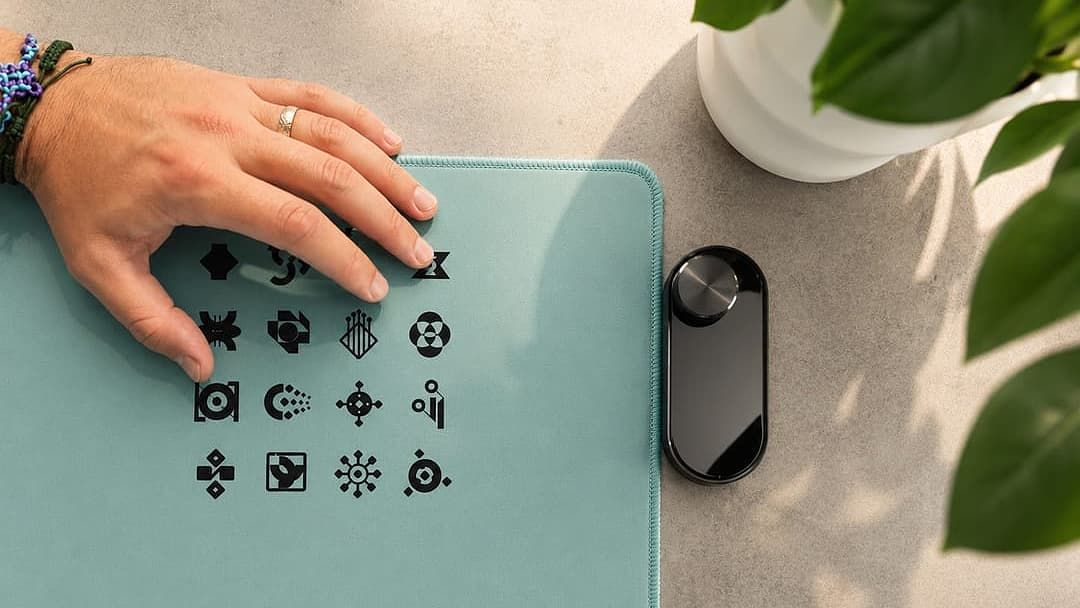
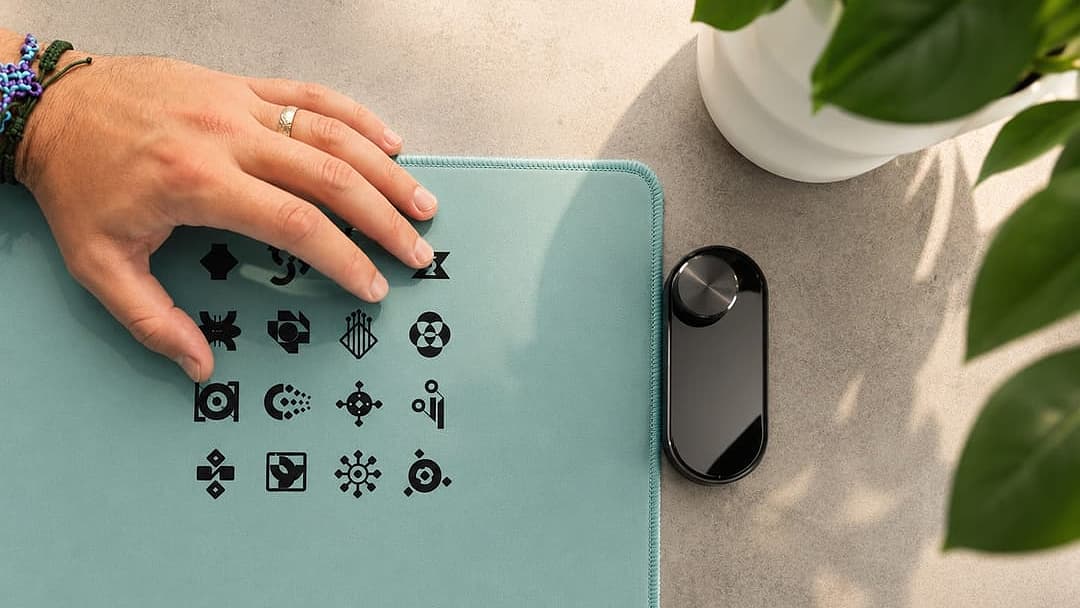
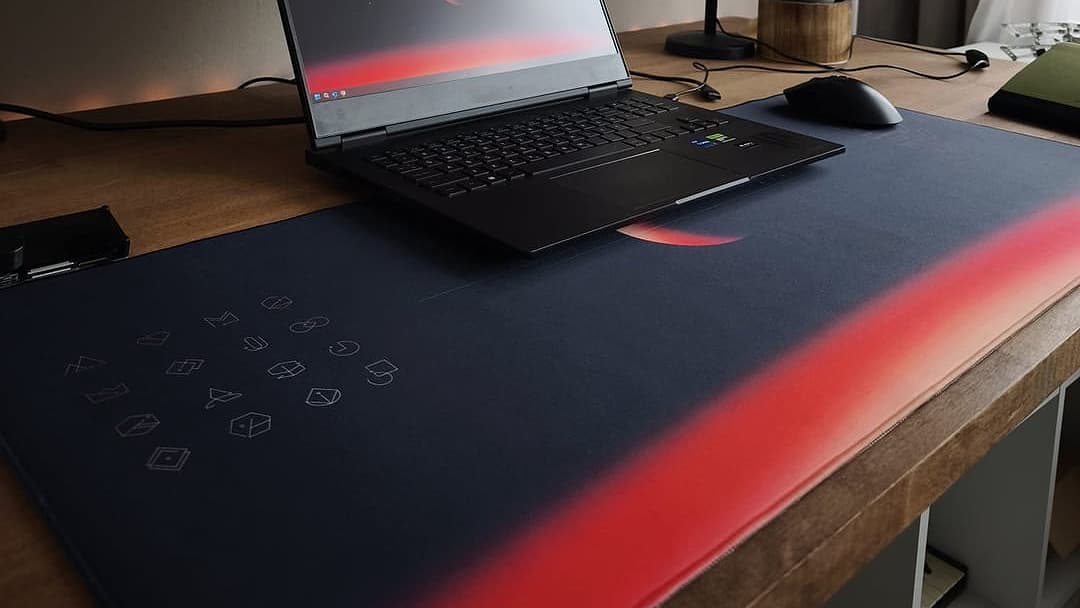
The Kage GhostPad, recently unveiled by independent developer Kage Tech, represents a significant shift in human-computer interaction design. By embedding 16 touch-sensitive zones beneath the surface of a high-quality desk mat, the GhostPad promises to replace a desk full of plastic boxes with a single, "invisible" interface.
Main Facts: Redefining the Desk Mat
At its core, the Kage GhostPad is a large-format desk mat that functions as a sophisticated input device. Unlike traditional macro pads that rely on physical switches and elevated buttons, the GhostPad utilizes capacitive touch technology integrated directly into the fabric and substrate of the mat.
Key Specifications:
- Input Zones: 16 fully programmable touch-sensitive areas.
- Tactile Profile: "No buttons, no bumps"—the surface remains completely flat.
- Feedback System: A detachable side-mounted LCD module provides real-time status updates, active mode indicators, and shortcut labels.
- Connectivity: A single USB connection to the PC.
- Software Ecosystem: A browser-based companion app for drag-and-drop customization, pressure threshold adjustments, and icon mapping.
- Durability: Water-resistant construction with swappable top surfaces for longevity and aesthetic variety.
The device is designed to be "stealth tech." When not in use, it appears to be nothing more than a premium, minimalist desk mat. However, with a specific touch, it can launch applications, execute complex macros, control media playback, or even send MIDI notes to digital audio workstations (DAWs).
Chronology: From Frustration to Prototype
The journey of the GhostPad began approximately two years ago. The creator, known by the Reddit handle cmajmus, found themselves increasingly frustrated by the physical limitations of a standard desk setup. Despite the digital world moving toward sleeker interfaces, the physical world of PC peripherals was moving toward more "boxes" on the desk.
"I was frustrated with having a Stream Deck, macro pad, MIDI controller, and numpad all eating desk space," the creator explained during the product reveal. "I wanted one thing that does all of it and disappears visually."
The development process involved several iterations of sensor placement and material testing. The primary challenge was creating a sensor array sensitive enough to detect intentional finger presses through the mat’s top layer, yet robust enough to ignore accidental input from a moving mouse or a resting palm.
In early 2024, the project reached a stage of functional maturity. After rigorous testing—including durability tests involving liquid spills—the creator felt confident enough to share the prototype with the broader PC community. The official reveal took place on major tech forums like Reddit’s r/pcmasterrace and r/desksetup in mid-2024, immediately garnering thousands of upvotes and sparking a conversation about the future of "invisible" peripherals.
Supporting Data: Technical Innovation and Customization
What sets the GhostPad apart from previous attempts at "smart mats" is its sophisticated approach to software and hardware integration.
Pressure Sensitivity and Accidental Input
One of the most frequent criticisms of touch-sensitive surfaces is the "accidental click." To combat this, Kage Tech implemented adjustable pressure thresholds. Through the companion app, users can calibrate exactly how much force is required to trigger a zone. This allows the user to rest their hand on the mat or slide a mouse over the active zones without triggering a shortcut. In a notable demonstration of this technology, the creator claimed that the mat could support a 0.5L beer mug without the weight of the liquid triggering the sensors.
The Software Layer
Unlike many gaming peripherals that require heavy, "bloatware" style desktop applications, the GhostPad utilizes a browser-based configuration tool. This follows a growing trend in the enthusiast keyboard community (such as VIA or VIAL) where the hardware is configured via WebHID or similar protocols. This ensures that the device remains platform-agnostic and does not consume system resources in the background.
Modular Aesthetics
Recognizing that mouse mats are high-wear items, the GhostPad features a modular design. The electronics are housed in a base layer, while the top surface—the part that comes into contact with the mouse and skin—is swappable. This allows users to change the "skin" of their mat if it becomes worn or if they simply want a new color scheme, without having to buy an entirely new electronic unit.
Official Responses: Community and Creator Insights
The reaction from the tech community has been overwhelmingly positive, though tempered with the healthy skepticism typical of crowdfunding projects.
On Reddit, user Jfaun echoed the sentiments of many, stating, "This is one of those things I see and am shocked it doesn’t already exist and I never thought of it myself." Another enthusiast, XLB135, highlighted the appeal to the growing "minimalist" movement: "As a minimalist with literally nothing on my desk other than a phone stand… this is very appealing to me."
In response to questions regarding the device’s lifespan and cleaning, the creator addressed concerns directly. While the mat is not machine washable due to the integrated electronics, its water-resistant coating allows for manual cleaning with a damp cloth and mild detergent. Furthermore, the ability to "deactivate" specific zones ensures that if a user has a particularly large keyboard that overlaps with the mat, they won’t suffer from constant phantom inputs.
Pricing and Market Positioning
The GhostPad is currently positioned as a premium enthusiast product. "Early bird" pricing is set at €129 (approximately $147 USD / £111 GBP). While this is significantly higher than the price of a standard "dumb" desk mat (which usually retails between $20 and $50), Kage Tech argues that the value proposition lies in consolidation.
A standard Elgato Stream Deck Mk.2 retails for roughly $150, and a quality MIDI controller or mechanical numpad can add another $50 to $100 to a setup. By combining these functionalities into a single footprint, the GhostPad seeks to offer a "value-per-square-inch" that traditional peripherals cannot match.
Implications: The Rise of the "Stealth" Workspace
The emergence of the Kage GhostPad signals a broader shift in the consumer electronics industry. For the past decade, the "Gamer Aesthetic"—defined by aggressive angles, RGB lighting, and visible hardware—has dominated the market. However, a counter-movement toward "Stealth Tech" and "Invisible Interfaces" is gaining momentum.
1. The Professionalization of the Home Office
As remote work becomes a permanent fixture for millions, the "home office" is often also a living room or bedroom. Users are increasingly looking for hardware that performs at a high level but blends into a home environment. A mouse mat that doubles as a control center allows a user to maintain a professional, clean aesthetic while retaining the power of a professional workstation.
2. The Future of Haptic Surfaces
The GhostPad’s success could encourage larger manufacturers like Razer, Logitech, or Corsair to explore integrated desk surfaces. We have already seen "Powerplay" mats from Logitech that charge mice wirelessly; integrating input sensors is the logical next step. The GhostPad proves there is a market for "active" surfaces that go beyond simple mouse tracking.

3. Challenges for Crowdfunding
Despite the excitement, the GhostPad faces the traditional hurdles of a crowdfunded hardware project. Manufacturing electronic textiles at scale is notoriously difficult, and maintaining consistent touch sensitivity across different environmental humidities and temperatures will be a significant engineering challenge.
Conclusion
The Kage GhostPad is more than just a novelty; it is a manifestation of the "less is more" philosophy applied to high-performance computing. By turning the largest unused surface area on a desk into a programmable interface, Kage Tech has addressed a pain point that many users didn’t realize they had until a solution was presented.
With crowdfunding set to begin in the coming months, the tech world will be watching closely to see if this independent project can successfully transition from a "ridiculously cool" prototype to a staple of the modern minimalist desk. If successful, the GhostPad may well mark the beginning of the end for the cluttered desktop, ushering in an era where our tools are always within reach, yet completely out of sight.