
The New Era of Aerial Immersion: The Rise of Consumer 360° Camera Drones
The landscape of aerial cinematography is undergoing a seismic shift. For years, the ability to capture high-fidelity, 360-degree spherical video from the sky was a luxury reserved for professional production houses and high-budget enterprise operations. These setups often involved "Frankenstein" rigs—drones modified to carry multiple wide-angle cameras or expensive, heavy professional 360 units that compromised flight stability and battery life.
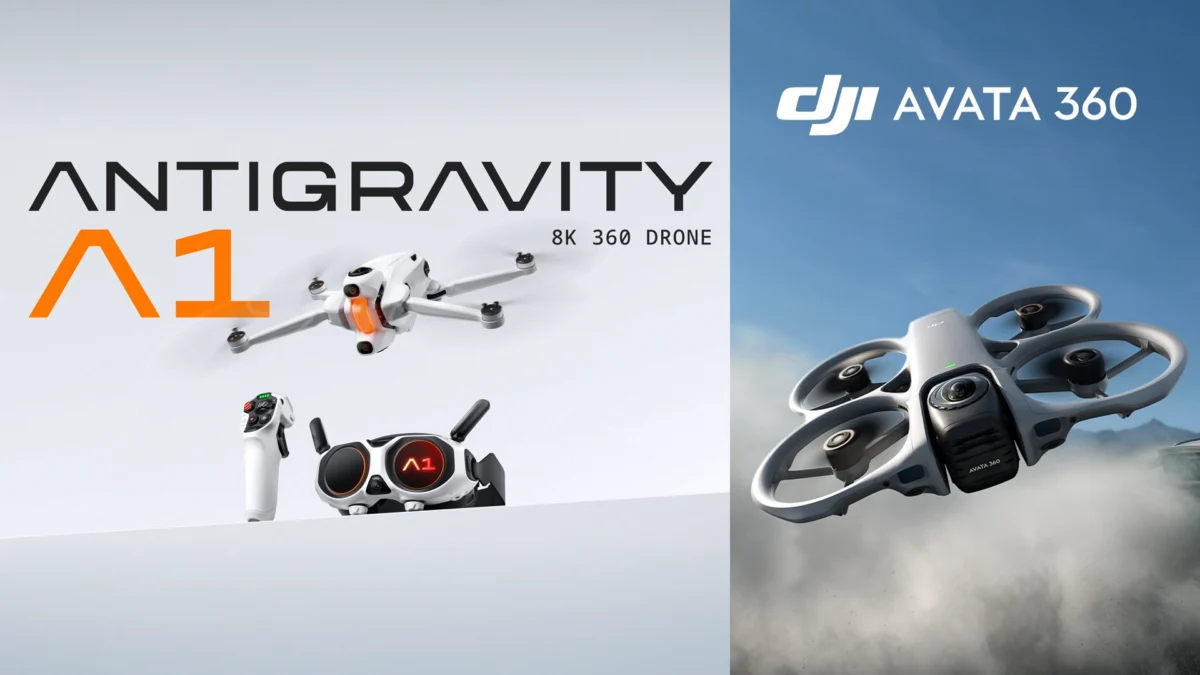
However, the recent entrance of the Antigravity A1 (a subsidiary of the Chinese powerhouse Insta360) and the DJI Avata 360 has signaled a new epoch. We are now seeing the democratization of 360-degree aerial capture, bringing 8K resolution and immersive VR integration to the consumer and amateur creator market. This report explores the technological breakthrough, the competitive landscape between the two dominant players, and the long-term implications for the VR and drone industries.
1. Main Facts: A Dual-Front Battle for the Sky
The current market is defined by two distinct philosophies regarding what a "360-degree drone" should be. On one side is the Antigravity A1, which prioritizes the virtual reality (VR) experience and lightweight portability. On the other is the DJI Avata 360, which emphasizes flight safety, image sensor quality, and traditional drone performance.
The Antigravity A1: The Immersion Specialist
The Antigravity A1, launched by a subsidiary of Insta360, is the first fully integrated 360-degree camera drone designed from the ground up to be a VR content creation tool. Priced at approximately $1,279 for the full package, it includes:
- Integrated 8K Optics: Capable of 8K at 30fps or 5.2K at 60fps.
- Weight Advantage: At just 249 grams with a standard battery, it sits just below the FAA’s registration threshold, making it highly accessible for casual users.
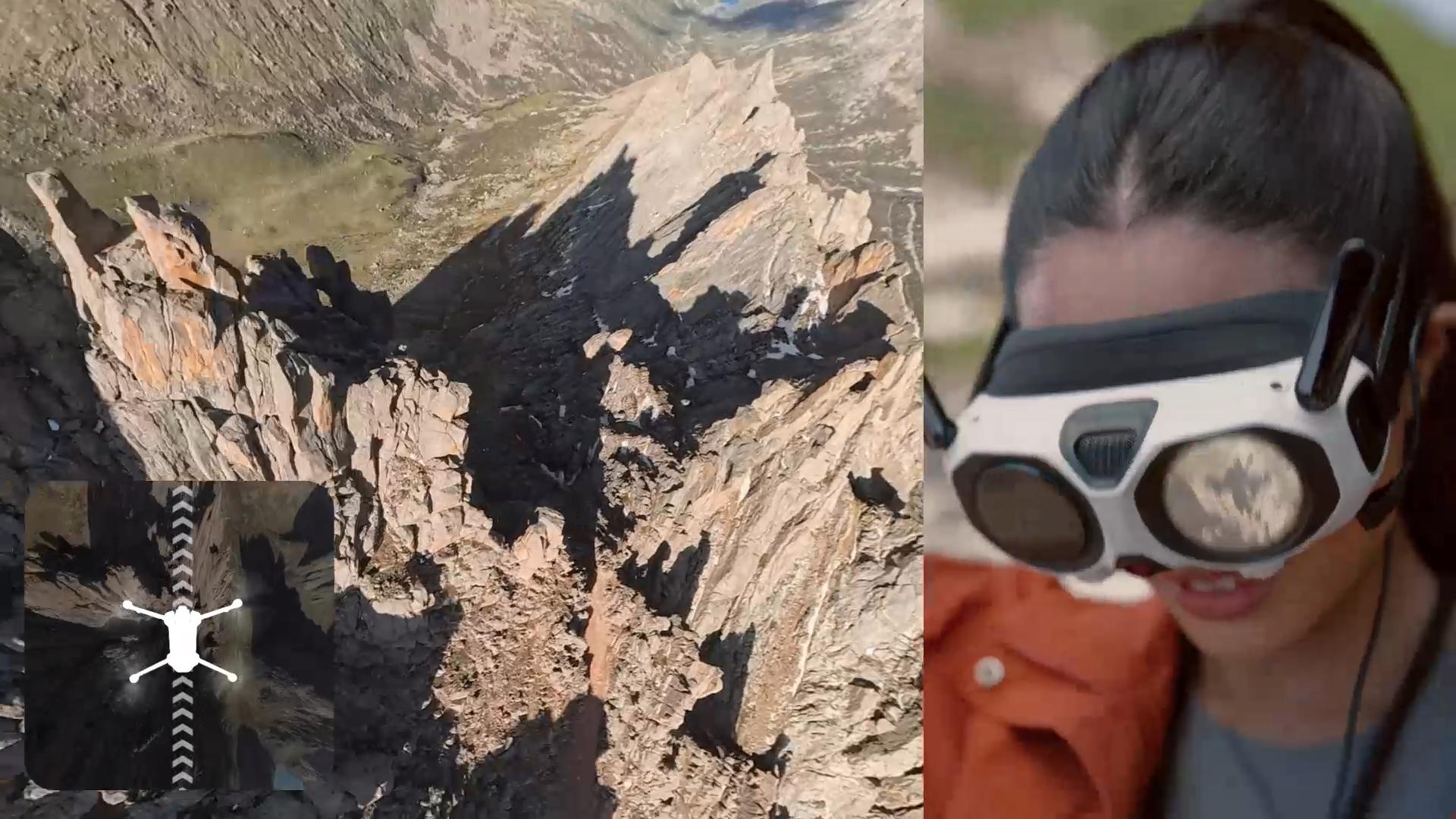
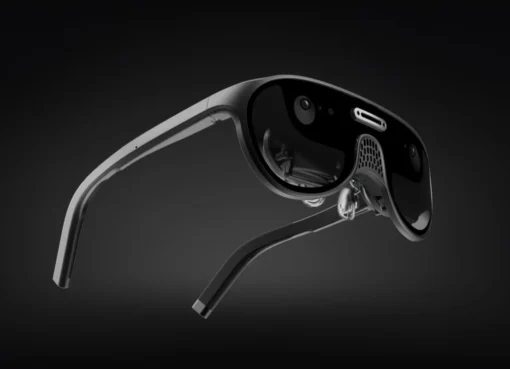
- A High-Spec VR Headset: Unlike most drone bundles, the A1 includes a headset featuring 2560×2560 micro-OLED panels, offering a visual fidelity comparable to high-end PC VR headsets like the Bigscreen Beyond.
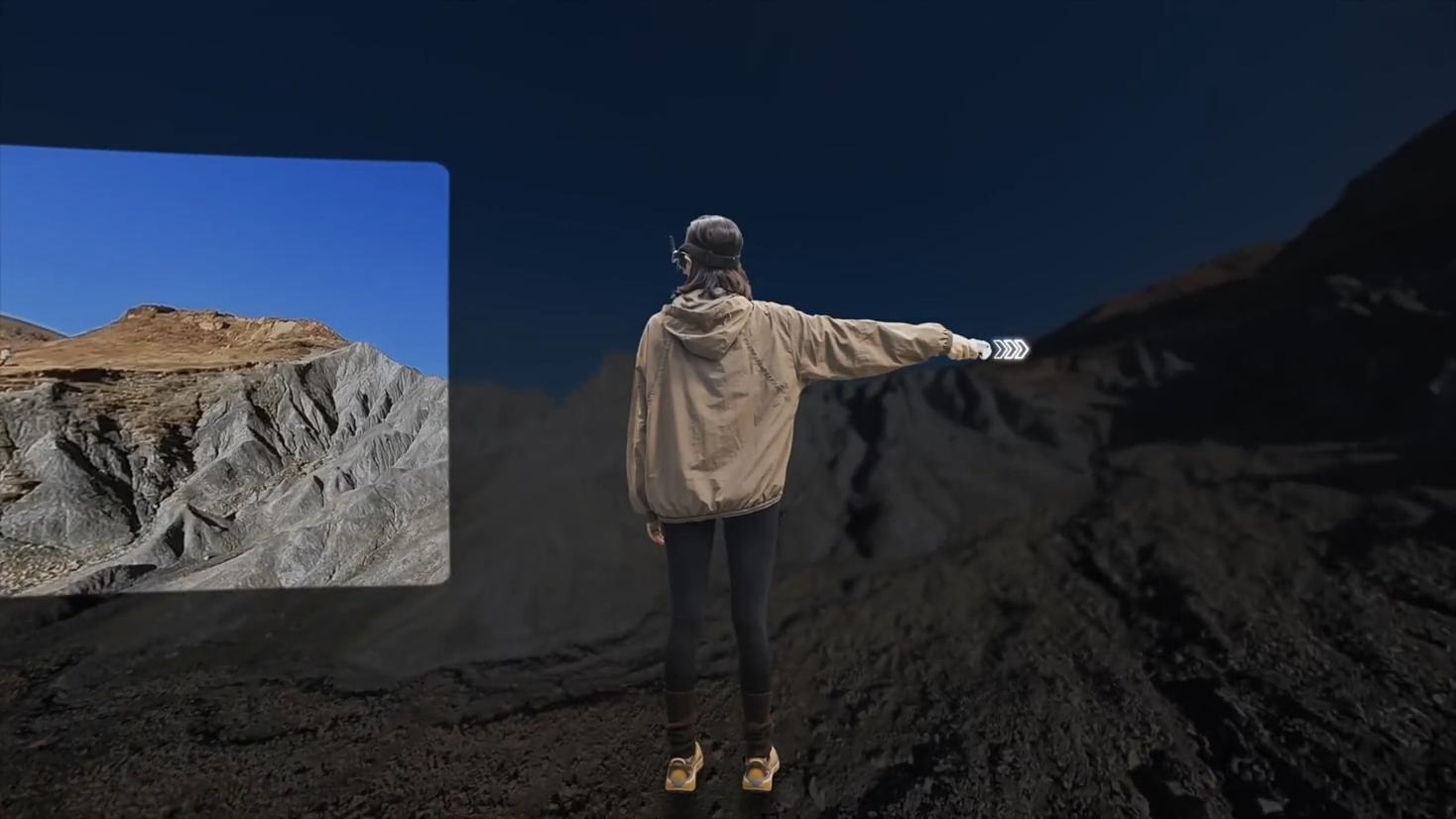
- Gamified Controls: It utilizes a "Motion Grip" controller that allows users to fly by pointing their arm, mimicking a 3DoF (Three Degrees of Freedom) flying game.
The DJI Avata 360: The Performance Powerhouse
DJI, the undisputed leader in the global drone market, responded in March 2024 with the Avata 360. While it serves the same 360-degree niche, its specs lean toward professional-grade imaging:
- Superior Frame Rates: 8K recording at 60fps, providing smoother motion for VR playback.
- Advanced Safety: Features omnidirectional obstacle avoidance and integrated propeller guards.
- Larger Sensor: Equipped with a 1/1.1-inch sensor, it offers better dynamic range and low-light performance than the Antigravity A1.
- Dual Utility: Includes a mechanically rotating camera block that allows for traditional single-lens 4K/60fps shooting, making it a "two-in-one" tool.
2. Chronology: From Attachments to Integration
The journey to the integrated 360 drone was paved by a decade of trial and error in the consumer camera space.
2017–2021: The Handheld Revolution
Handheld 360 cameras, led by the Insta360 One series and the GoPro Fusion/Max, proved that consumer-grade software could handle the complex "stitching" required to turn two wide-angle lenses into a seamless sphere. However, mounting these to drones remained a challenge. Early adopters used 3D-printed mounts, but the results were often plagued by visible "seams" where the drone’s body would obscure the view, or the weight would cause the drone to crash.
2022: The "Sphere" Experiment
Insta360 launched the "Sphere," a specialized attachment for the DJI Mavic Air 2 and 2S. While it was a step forward, it was an "add-on" solution. The extra weight shortened flight times, and the aerodynamic drag made flying in wind precarious. Furthermore, it didn’t offer a live 360-degree feed to a headset; it was a "shoot now, stitch later" workflow.
December 2023: The Birth of Antigravity
Recognizing that a dedicated platform was needed, Insta360 spun off the Antigravity brand. The launch of the Antigravity A1 in late 2023 marked the first time a drone was built around the 360-degree camera system rather than the camera being an afterthought. This allowed for an "invisible drone" effect, where the software perfectly removes the drone’s body from the footage.
March 2024: DJI Asserts Dominance
Not to be outdone, DJI leveraged its existing Avata platform to release the Avata 360. By utilizing their superior O4 transmission technology and larger sensors, DJI aimed to capture the "prosumer" segment of the market that found the Antigravity A1’s 30fps 8K limit too restrictive for high-speed action.
3. Supporting Data: A Technical Comparison
To understand the market positioning, we must look at the technical specifications that differentiate these two devices.
| Feature | Antigravity A1 | DJI Avata 360 |
|---|---|---|
| Max Video Resolution | 8K at 30fps | 8K at 60fps |
| Weight (Standard) | 249g | 455g |
| Sensor Size | 1/1.28-inch | 1/1.1-inch |
| 360° Photos | 55 Megapixels | 120 Megapixels |
| Max Flight Time | 39 mins (High-Cap Battery) | 23 mins |
| Goggles Decoding | 8K Native | 4K Max |
| Headset FOV | 70.5° x 70.5° | 38.8° x 22.4° (Goggles 3) |
| Safety Features | None (Exposed Props) | Omnidirectional Avoidance |
The Weight Threshold
The 249g weight of the Antigravity A1 is a critical data point. In the United States (FAA) and many European regions (EASA), drones under 250g are exempt from many of the more stringent registration and operational requirements. This makes the A1 the definitive choice for the "casual" creator. The DJI Avata 360, at 455g, requires formal registration and, in some jurisdictions, more restrictive flight paths.
The Display Disparity
While DJI has the better drone, Antigravity has the better "view." The Antigravity goggles offer a significantly wider Field of View (FOV) and higher-resolution playback. DJI’s goggles are limited to 4K decoding, meaning that even though the drone records in 8K, the pilot cannot see that full resolution in real-time. Antigravity’s 8K decoding allows for a much more "present" feeling during flight.
4. Official Positioning and Industry Response
While official press releases from both companies highlight "creative freedom," their strategic positioning reveals different targets.
Insta360/Antigravity’s Strategy:
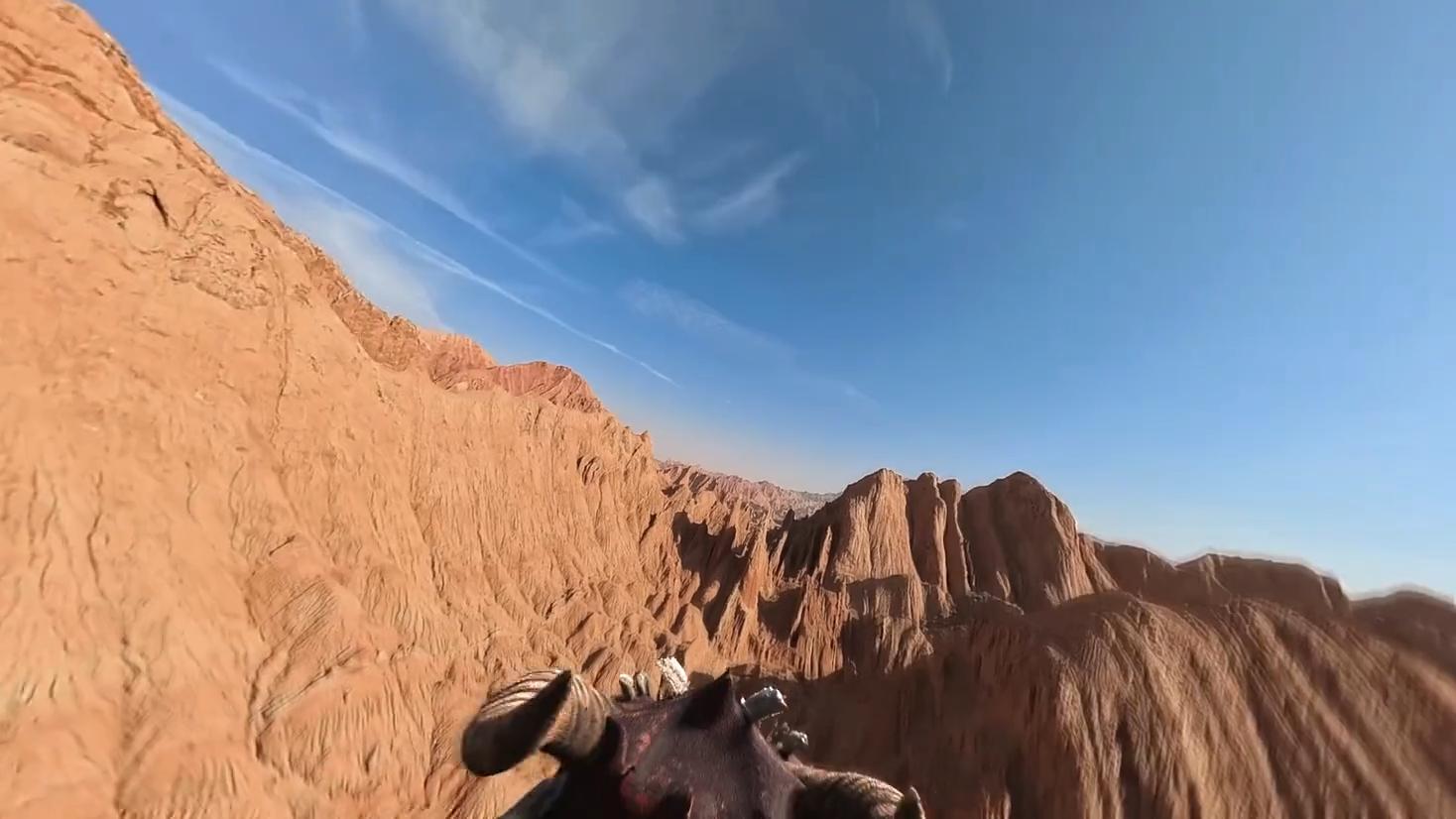
Antigravity is leaning heavily into the "gamification" of flight. By including features like AR dragon overlays and a motion-sensing wand, they are targeting the "Metaverse" generation. Their official stance emphasizes that the A1 is not just a drone, but a "flying VR camera." They are positioning the device as a companion to the Meta Quest 3 and Apple Vision Pro, focusing on the ease of sharing immersive content on platforms like YouTube VR.
DJI’s Strategy:
DJI’s response has been more conservative and safety-oriented. Their marketing focuses on "RockSteady" stabilization and "HorizonSteady" leveling. DJI is positioning the Avata 360 as a reliable tool for professional creators who need 360-degree plates for VFX or high-action sports videography. Their inclusion of propeller guards suggests they want this drone to be used in tighter, more complex environments where the Antigravity A1 would likely crash.
Market Reception:
Early reviews from the FPV (First Person View) community suggest a split. Pure drone enthusiasts prefer the DJI for its robust link and flight dynamics. However, VR enthusiasts are gravitating toward the Antigravity A1 for its superior headset and the "invisible drone" stitching quality, which is reportedly smoother due to the integrated design.
5. Implications: The Future of Spatial Content
The arrival of these drones has far-reaching implications for several industries.
The "Spatial Video" Boom
With the launch of the Apple Vision Pro, the demand for high-quality spatial and 360-degree content is at an all-time high. Previously, creating high-resolution aerial 360 content required a professional crew. Now, a single creator can capture 8K spherical environments. This will likely lead to a surge in "virtual tourism" and immersive journalism.
Safety and Regulation
As 360 drones become more common, regulators may have to rethink privacy and safety. A 360-degree camera captures everything in every direction, which could lead to increased privacy concerns in residential areas. Furthermore, the lack of obstacle avoidance on the lightweight Antigravity A1 poses a risk of mid-air collisions if operated by inexperienced pilots in crowded spaces.
The Decline of the Traditional Action Camera?
For years, the GoPro was the king of the "action" shot. However, the 360 drone offers something a GoPro cannot: the ability to "reframe" the shot after the flight. Because the drone records everything, the creator can choose the camera angle in post-production. This "shoot first, point later" workflow is becoming the standard for high-end content creation, potentially relegating traditional fixed-lens drones to a secondary role.
Conclusion
The Antigravity A1 and the DJI Avata 360 represent more than just new gadgets; they represent the maturation of the VR ecosystem. By solving the technical hurdles of weight, stitching, and live transmission, these companies have turned the sky into a limitless canvas for immersive storytelling. Whether you value the "VR-first" approach of Antigravity or the "safety-first" engineering of DJI, one thing is clear: the way we document the world from above has changed forever.


Leave a Comment