
The Silicon Vision: A Comprehensive Hands-On Review of Huawei’s AI Smartglasses
Main Facts: Huawei’s Strategic Leap into AI Wearables
In the rapidly evolving landscape of wearable technology, the convergence of Artificial Intelligence (AI) and eyewear has become the new frontier. Huawei, the Chinese telecommunications and consumer electronics titan, has officially entered this arena with its first dedicated pair of AI smartglasses. Positioned as a direct competitor to the industry-standard Ray-Ban Meta glasses, the Huawei AI glasses represent a significant pivot for the company, moving away from the purely audio-focused "Eyewear" series of the past toward a more sophisticated, vision-integrated AI assistant.
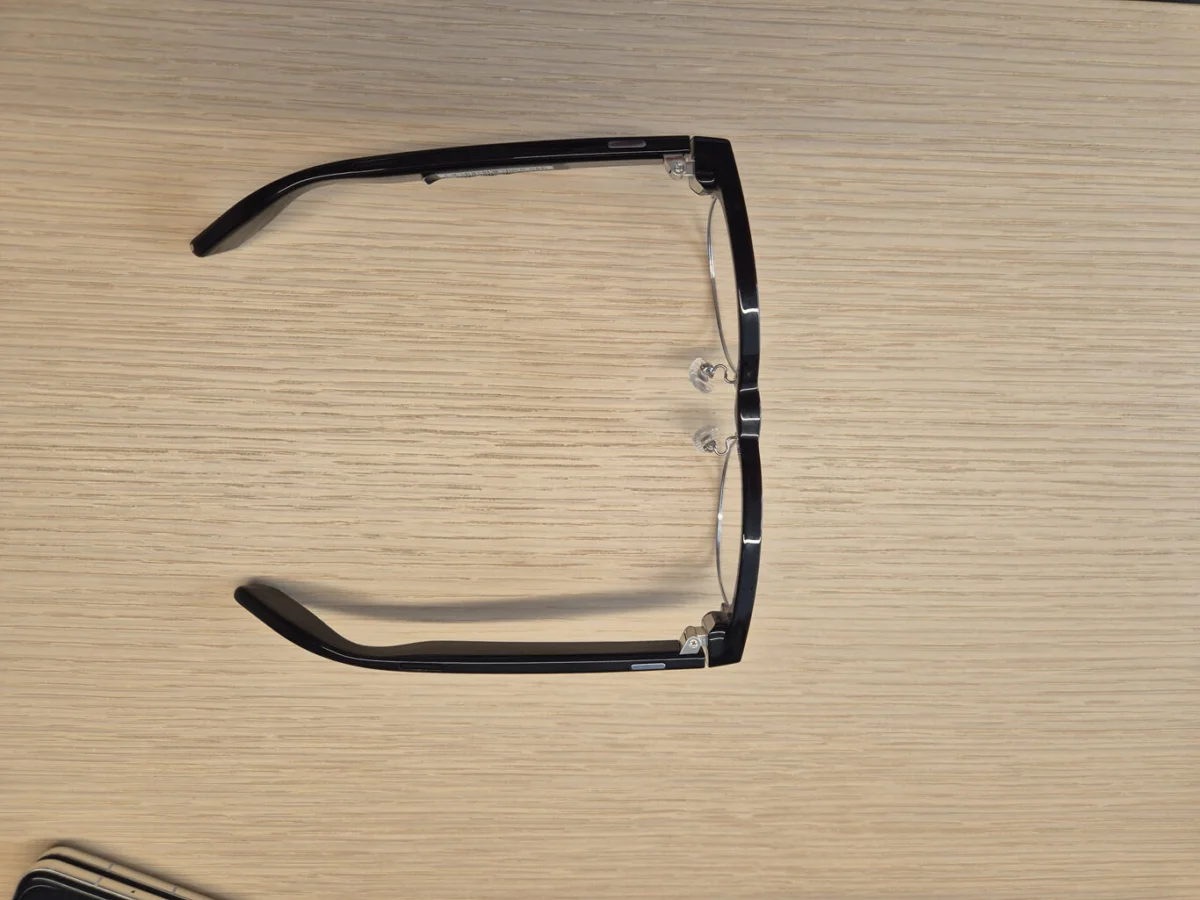
Launched initially for the domestic Chinese market, these glasses omit a heads-up display (HUD) in favor of a lightweight, audio-and-camera-centric design. Weighing in at a remarkably lean 35 grams for the frame (approximately 47 grams with lenses), the device prioritizes all-day comfort and seamless integration with the Huawei hardware ecosystem. Key features include a 12MP high-definition camera, the XiaoYi AI assistant, and a sophisticated directional audio system designed for conversational privacy.

Priced at approximately 2,499 RMB (roughly $368 USD), the device is a clear statement of intent. Despite ongoing geopolitical restrictions that limit Huawei’s footprint in Western markets, the AI glasses showcase a level of hardware refinement and battery optimization that could set new benchmarks for the category.
Chronology: From Concept to the Shenzhen Showroom
The journey to the current iteration of Huawei’s AI glasses has been one of incremental evolution. For years, Huawei partnered with fashion brands like Gentle Monster to produce smart audio glasses. However, those devices lacked the "vision" component—the camera—that defines the modern AI wearable category.

In late 2023 and early 2024, following the massive success of the Ray-Ban Meta collaboration, rumors began to circulate that Huawei was developing a "Vision" branded wearable that would bridge the gap between their audio glasses and their high-end VR/AR headsets. The culmination of this development was a recent, quiet launch in China, followed by the rollout of dedicated demonstration zones in flagship Huawei stores across major tech hubs like Shenzhen.
Our hands-on experience took place in one such flagship store in Shenzhen, facilitated by the World Association of Eye-care and Smartglasses (WAEA). Over a 30-minute intensive testing session, the device was put through its paces, focusing on its ergonomic profile, its ability to handle natural language processing via the XiaoYi assistant, and its real-world camera performance. This session provided a critical first look at how Huawei intends to dominate the "screenless" smartglasses market in Asia.

Supporting Data: Technical Specifications and Performance Metrics
To understand the Huawei AI glasses, one must look at the data that separates them from the plethora of white-label smartglasses emerging from the Shenzhen supply chain.
1. The Optical and Capture System
The glasses are equipped with a 12MP camera capable of capturing still images at a resolution of 4096 x 3072 pixels. Video recording is capped at 1920 x 1440 pixels at 30 frames per second (fps). While these specs are comparable to the Meta Ray-Bans, Huawei has integrated proprietary stabilization algorithms and a "tilt compensation" feature that ensures photos remain level even if the wearer’s head is slightly turned. A standout software feature is the "Automatic Sync," which pushes captured media to a paired Huawei smartphone instantly, bypassing the manual "import" steps required by many competitors.

2. Audio Engineering and Privacy
Huawei has utilized its expertise in acoustics to implement a "Reverse Sound Field" system. The glasses feature open-ear speakers located in the temples, but they are engineered to cancel out sound leakage. In testing, audio played at moderate volumes was virtually inaudible to someone standing just two feet away. Furthermore, the device includes a multi-microphone array that successfully isolated the wearer’s voice even in the ambient noise of a crowded retail environment.
3. Battery Longevity: A Category Leader
Perhaps the most impressive data point is the battery life. Huawei advertises:

- Mixed Usage: 12 hours.
- Continuous Music Playback: 9 hours.
- Continuous Voice Calls: 8 hours.
Compared to the 4-6 hours of mixed use typically seen in the smartglasses category, Huawei’s power management—likely aided by the efficiency of the Kirin-based wearable chips—represents a significant leap forward for "all-day" viability.
4. Build and Durability
The device is certified with an IP54 rating, meaning it is protected against dust ingress and water splashes. This makes it suitable for outdoor exercise and light rain, a necessity for a device marketed for constant use.
Official Responses: The Ecosystem Strategy
Huawei’s official positioning of the AI glasses is as a "peripheral hub" for the HarmonyOS ecosystem. Unlike standalone devices, these glasses are designed to work in tandem with a Huawei smartphone, which handles the heavy lifting for AI processing and data connectivity.

Company representatives emphasize the "XiaoYi" AI assistant as the soul of the device. By pressing a dedicated button on the left temple, users can initiate a continuous dialogue with the AI. Huawei’s official documentation highlights the assistant’s ability to recognize objects, translate text in real-time, and provide "proactive" reminders based on the user’s calendar and location.
Crucially, Huawei has addressed the growing concern over privacy in camera-equipped wearables. The company’s official stance is that the physical "Privacy LED"—a bright white light that blinks whenever the camera or AI vision is active—is a non-negotiable safety feature. This is a direct response to global concerns regarding "creeper" photography and unauthorized surveillance.

Implications: Geopolitics, Fashion, and the Future of the "Face Computer"
The emergence of the Huawei AI glasses carries weight far beyond a simple product launch. It highlights several critical trends and challenges in the global tech sector.
The Geopolitical Divide
The most glaring implication is the fragmentation of the global AI market. Because the XiaoYi assistant is optimized for the Chinese language and the glasses are deeply integrated with Huawei’s proprietary mobile services (which are restricted in the US and parts of Europe), we are seeing the birth of a "Two-World" tech reality. While the West uses Meta’s AI integrated with Instagram and WhatsApp, the Chinese market is gravitating toward Huawei’s ecosystem integrated with WeChat and Baidu. It is highly unlikely these glasses will see a Western release in their current form, creating a regional vacuum of innovation.

The Fashion vs. Function Struggle
Despite the technical prowess, the Huawei AI glasses still struggle with the "techie" aesthetic. Unlike Meta, which leveraged the heritage of the Ray-Ban brand, Huawei designed these in-house. The result is a solid, well-built product that lacks the "cool factor" required for mass-market fashion adoption. Our testing noted that while the frames felt solid, they appeared somewhat bulky on Western facial structures, suggesting a design language optimized for Asian ergonomics (specifically nose-bridge height and temple width).
The "Audio-First" Transition
The decision to omit a display is a calculated risk. By focusing on audio and AI, Huawei has avoided the pitfalls of high power consumption and the "glass-morphism" visual artifacts that plague AR glasses like the Xreal or Rokid. This suggests that the industry is realizing that for a wearable to be worn 16 hours a day, it must first be a great pair of glasses, and second, a useful assistant.

Accessibility and Translation
The live translation feature—which provides low-latency audio translation directly into the ear—has profound implications for international business and tourism. During the hands-on session, the ability to converse in English while receiving Chinese audio feedback demonstrated that smartglasses may finally solve the "Tower of Babel" problem more effectively than handheld smartphones ever could.
Conclusion: A Solid Foundation for Future Innovation
The Huawei AI glasses are not a revolutionary departure from the smartglasses formula, but they are perhaps the most refined version of the "camera-audio-AI" triad currently available in the Eastern market. By solving the battery life issue and perfecting the "automatic sync" of media, Huawei has removed two of the biggest friction points for users.

While the "techie" design and the language limitations of XiaoYi remain hurdles for global appeal, the device stands as a testament to Huawei’s resilience. As the company continues to iterate on its HarmonyOS platform, the AI glasses will likely evolve from a smartphone accessory into a primary interface—a "face computer" that allows users to keep their phones in their pockets and their eyes on the world around them. For now, they are a solid, professional-grade entry into a market that is only just beginning to see its full potential.




Leave a Comment