The Pivotal Election of 1864: A Referendum on War and the Future of a Nation
Main Facts
The United States Presidential Election of 1864 stands as one of the most critical electoral contests in American history, unfolding amidst the brutal crucible of the American Civil War (1861-1865). More than a mere political competition, it served as a profound national referendum on the Union’s continued prosecution of the war, the leadership of incumbent President Abraham Lincoln, and the very future of the nation itself. Voters were faced with a stark choice: endorse Lincoln’s unwavering commitment to total victory and the eradication of slavery, or opt for a negotiated peace, potentially leading to the Confederacy’s independence or a compromised Union.
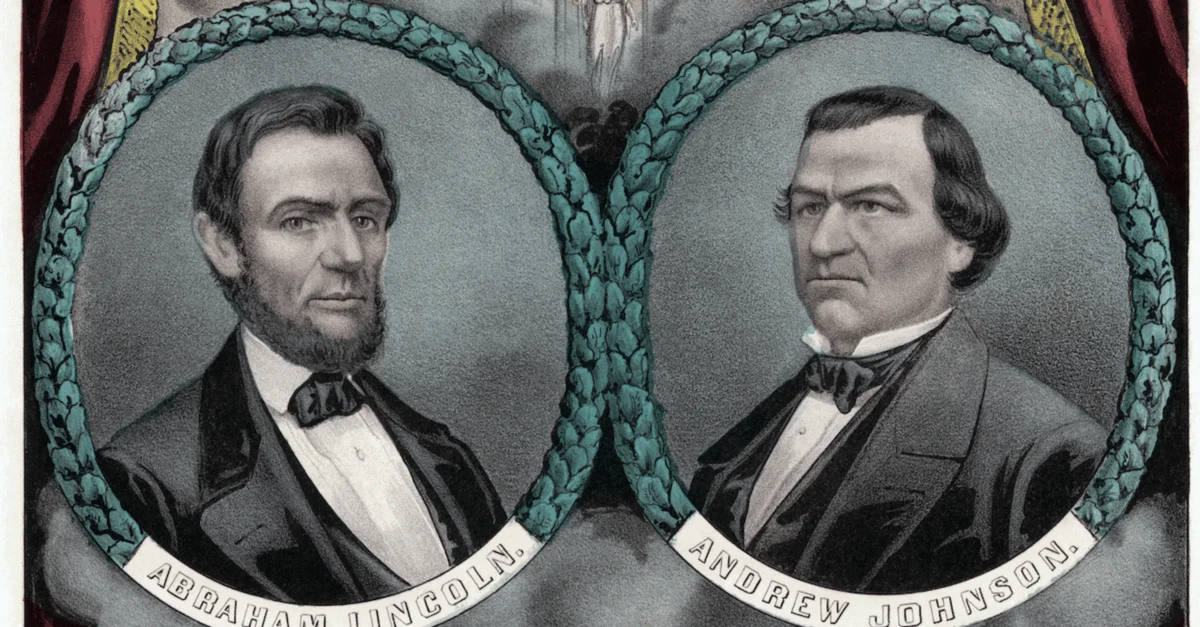
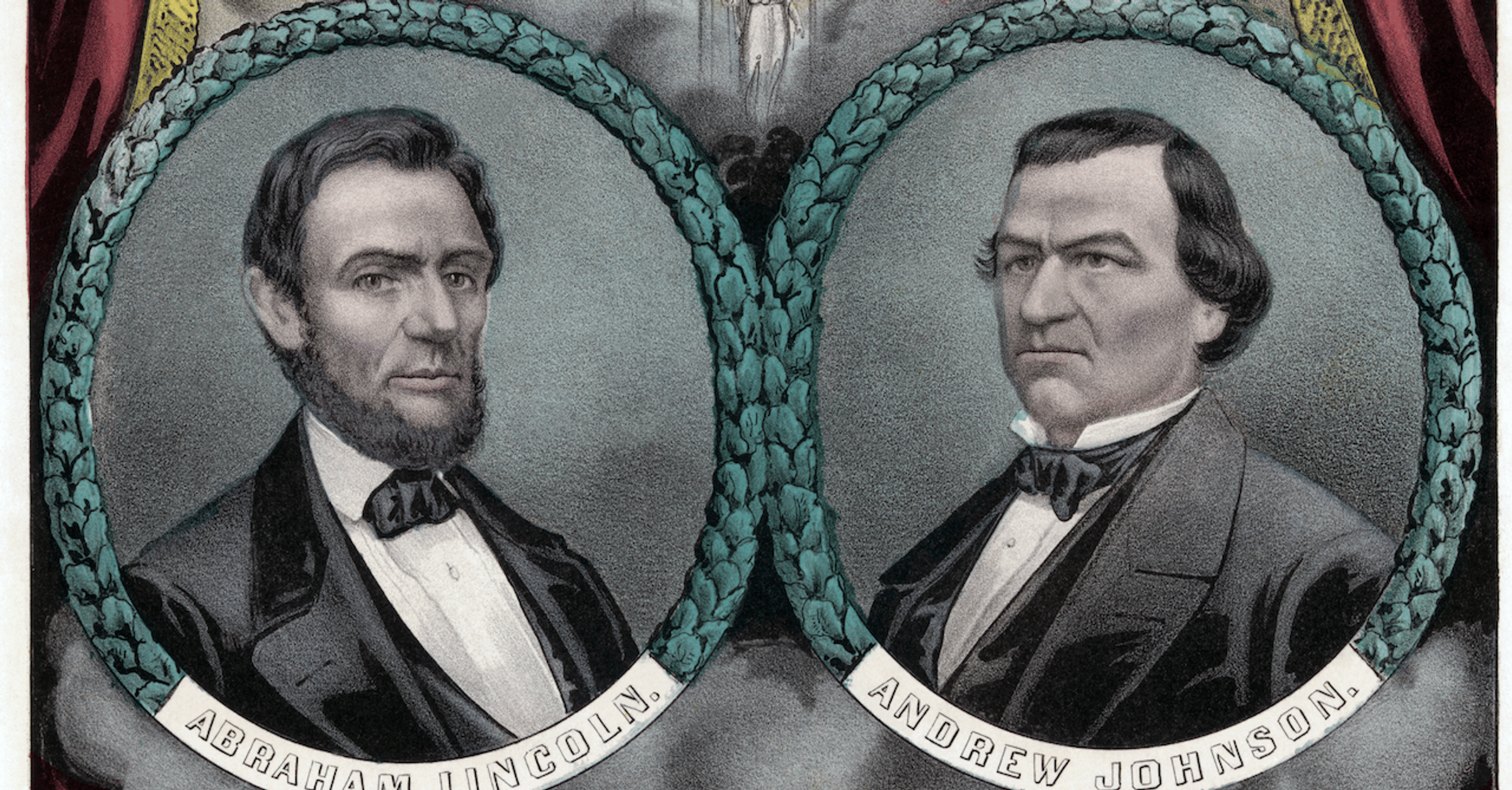
President Lincoln, representing the newly formed National Union Party (a coalition of Republicans and War Democrats), sought a second term on a platform of unconditional surrender for the Confederacy and a constitutional amendment to abolish slavery nationwide. His opponent, Democratic candidate General George B. McClellan, a former Union commander dismissed by Lincoln for his perceived caution, ran on a deeply fractured platform. While McClellan personally favored continuing the war, the Democratic Party’s official stance, heavily influenced by its "Peace Democrat" or "Copperhead" wing, advocated for an immediate cessation of hostilities and a negotiated settlement with the rebellious South.
The election’s outcome was dramatically influenced by battlefield events, particularly the relentless, high-casualty Overland Campaign in Virginia and General William Tecumseh Sherman’s capture of Atlanta in September 1864. Ultimately, Lincoln secured a decisive victory, carrying 22 of the 24 participating states, garnering 212 electoral votes and 55.02% of the popular vote. Crucially, he also commanded an overwhelming 75% of the soldier vote. This electoral mandate empowered Lincoln to steer the Union towards its ultimate triumph, ensuring the preservation of the nation and the definitive end of slavery, even though he would not live to see the war’s conclusion.
Chronology
- April 12, 1861: The Battle of Fort Sumter ignites the American Civil War. President Lincoln calls for 75,000 volunteers.
- August 30, 1861: General John C. Frémont issues an unauthorized proclamation freeing enslaved people in Missouri owned by Confederate sympathizers. Lincoln rescinds it, causing a rift with Radical Republicans.
- November 7, 1862: President Lincoln removes General George B. McClellan from command of the Army of the Potomac after the Battle of Antietam.
- January 1, 1863: Lincoln’s Emancipation Proclamation goes into effect, freeing enslaved people in Confederate-held territories and shifting the war’s moral objective.
- July 1863: Union victories at Gettysburg and Vicksburg significantly turn the tide of the war.
- May 4, 1864: General Ulysses S. Grant launches the Overland Campaign in Virginia, initiating a period of continuous, high-casualty fighting.
- May 31, 1864: Radical Republicans, dissatisfied with Lincoln’s pace on abolition, convene in Cleveland, Ohio, and nominate John C. Frémont under the banner of the Radical Democracy Party.
- June 7-8, 1864: The National Union Party convention is held in Baltimore, Maryland. Abraham Lincoln is renominated for President, and Andrew Johnson, a War Democrat from Tennessee, is selected as his running mate. The party platform calls for unconditional surrender and a constitutional amendment to abolish slavery.
- August 29, 1864: The Democratic Party convention meets in Chicago, Illinois. General George B. McClellan is nominated for President, with George H. Pendleton as his running mate. The party adopts a "peace platform" advocating for an immediate end to the war through negotiation.
- September 2, 1864: Union forces under General William Tecumseh Sherman capture Atlanta, Georgia, a critical strategic and psychological victory for the Union.
- September 22, 1864: Lincoln secures Frémont’s withdrawal from the race by agreeing to remove Postmaster General Montgomery Blair, a political foe of Frémont.
- November 8, 1864: Election Day. Voters cast their ballots across the Union states.
- December 1864: Lincoln’s victory is confirmed, giving him a clear mandate to continue the war.
- March 4, 1865: Abraham Lincoln is inaugurated for his second term.
- April 9, 1865: Confederate General Robert E. Lee surrenders at Appomattox Court House, effectively ending the Civil War.
- April 15, 1865: President Lincoln is assassinated, just days after the Union victory.
Supporting Data
The Election of 1864 was not merely a contest of personalities but a clash of fundamental ideologies regarding the nature of the Union, the morality of slavery, and the acceptable cost of conflict. The political landscape was deeply complex, reflecting the immense strains placed upon the nation by four years of brutal warfare.
-
The Weight of War Weariness: By 1864, the North had endured immense casualties. The "butcher’s bill" of Grant’s Overland Campaign, with engagements like the Wilderness, Spotsylvania Court House, and Cold Harbor, saw tens of thousands of Union soldiers killed, wounded, or captured in a matter of weeks. This unrelenting carnage fueled widespread "war weariness" and a desperate yearning for peace, even among those who initially supported the Union cause. Economic pressures, including inflation and the emotional toll of loss, further contributed to a national mood of exhaustion and doubt. Lincoln himself harbored deep anxieties about his reelection chances, even drafting a memo in August 1864 acknowledging the high probability of his defeat.
-
The Radical Republican Challenge: While Lincoln was widely supported by the majority of the Republican Party, a vocal faction, the "Radical Republicans," felt he was too slow and cautious in his approach to abolition and the broader transformation of the South. Figures like Thaddeus Stevens, Charles Sumner, and Benjamin Wade demanded immediate and total emancipation, civil rights for freedmen, and a punitive approach to Reconstruction. Their nomination of John C. Frémont, the "Pathfinder of the West" and a staunch abolitionist, was a direct expression of their dissatisfaction. Frémont’s earlier unilateral emancipation order in Missouri in 1861, which Lincoln had to revoke to prevent border states from seceding, epitomized the ideological chasm between Lincoln’s pragmatic incrementalism and the Radicals’ fervent zeal. Though Frémont’s campaign was unlikely to win, it posed a significant threat by potentially siphoning off crucial abolitionist votes from Lincoln, thereby aiding the Democrats. His eventual withdrawal, facilitated by Lincoln’s strategic removal of Postmaster General Montgomery Blair, was a testament to Lincoln’s political astuteness and his recognition of the critical need for a united pro-war front.
-
The Democratic Divide: War vs. Peace: The Democratic Party was a house divided. "War Democrats" like General McClellan believed in preserving the Union through military victory but often held more conservative views on slavery and federal power. They opposed Lincoln’s Emancipation Proclamation and the radicalization of the war’s objectives. In stark contrast, "Peace Democrats," derisively nicknamed "Copperheads" by their opponents, advocated for an immediate negotiated settlement with the Confederacy. Their motivations varied, ranging from genuine war weariness and concerns over federal overreach to overt pro-Southern sympathies, anti-abolitionist sentiments, and racial prejudice. Influential Copperheads like Clement Vallandigham, who had been exiled for his outspoken opposition to the war, pushed for a platform that condemned the war as a failure and called for an armistice. McClellan, a War Democrat, found himself in the uncomfortable position of running on a platform largely dictated by the Copperhead faction, a contradiction that weakened his appeal to many Union supporters.
-
The Strategic Formation of the National Union Party: Recognizing the deep divisions within the Union-supporting populace, Lincoln and his advisors made a brilliant strategic move by forming the National Union Party. This coalition transcended traditional Republican lines, actively inviting War Democrats to join a unified front dedicated to prosecuting the war to victory and abolishing slavery. The selection of Andrew Johnson, a Southern War Democrat from Tennessee who had remained loyal to the Union and served as its military governor, as Lincoln’s running mate was a masterstroke. It underscored the party’s commitment to national unity, signaled a willingness to integrate loyal Southerners, and served to mollify moderate voters who might have found Lincoln’s abolitionist stance too radical. This broad appeal was crucial for overcoming the formidable challenge posed by war weariness and the Democratic opposition.
-
The Soldier’s Vote: A remarkable feature of the 1864 election was the significant role of the soldier’s vote. Approximately one million American men were actively serving in the Union army, and 19 states had enacted provisions allowing these citizen-soldiers to cast their ballots from the field, a groundbreaking experiment in democracy. Despite McClellan’s past popularity as a commander, the rank and file largely rejected his party’s peace platform. Having endured immense sacrifices, they were unwilling to accept anything less than an honorable victory. Their sentiment, encapsulated by Lincoln’s famous campaign slogan, "Don’t change horses in the middle of a stream," overwhelmingly favored their commander-in-chief. This direct participation of fighting men in a referendum on their own conflict profoundly shaped the outcome, demonstrating their unwavering commitment to the Union cause and total victory.
Official Responses
The election was characterized by passionate rhetoric and starkly contrasting visions from the leading figures.
-
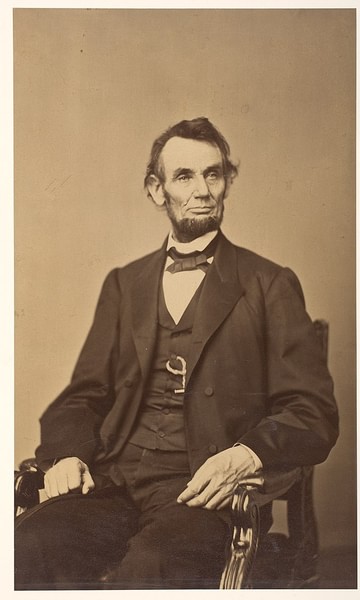
President Abraham Lincoln: Lincoln’s public statements and actions consistently emphasized the indivisibility of the Union and the moral imperative of ending slavery. Initially, his primary war aim was the preservation of the Union, but by 1863, he had inextricably linked this to the abolition of slavery. His Emancipation Proclamation and subsequent push for a constitutional amendment reflected this evolution. During the campaign, he articulated a clear, unwavering stance. "We all want peace," he said, "but none any but an honorable one." His campaign slogan, "Don’t change horses in the middle of a stream," was a pragmatic appeal to voters to maintain stable leadership during a critical juncture. Privately, however, Lincoln expressed profound doubts about his chances, fearing that the war’s high cost had turned the public against him. He famously wrote a sealed memorandum in August 1864, confessing, "This morning, as for some days past, it seems exceedingly probable that this Administration will not be re-elected." Yet, he resolved to "so co-operate with the President elect as to save the Union between the election and the inauguration; as he will have secured his election on such ground that he can not possibly save it afterwards." This revealed his deep concern for the Union above his own political fate.
-
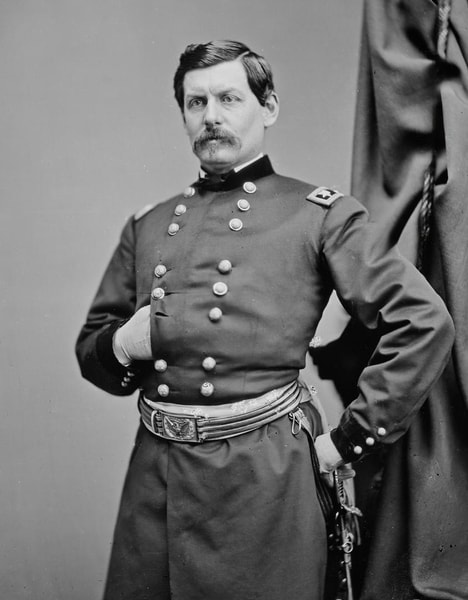
General George B. McClellan: Despite being a War Democrat, McClellan found himself constrained by the Democratic Party’s official "peace platform." While he personally believed the war should continue to preserve the Union, he was compelled to distance himself from Lincoln’s more radical war aims, particularly regarding emancipation. In his acceptance letter, McClellan tried to navigate this contradiction, stating his belief that "the Union is the one condition of peace." However, he also criticized the administration’s conduct of the war and expressed sympathy for the plight of Southern states. His position was inherently ambiguous, attempting to appeal to both war-weary citizens and those who desired a restoration of the Union without the radical social changes championed by Lincoln. This strategic ambiguity, however, often came across as indecisiveness, undermining his credibility among those committed to either total victory or immediate peace.
-
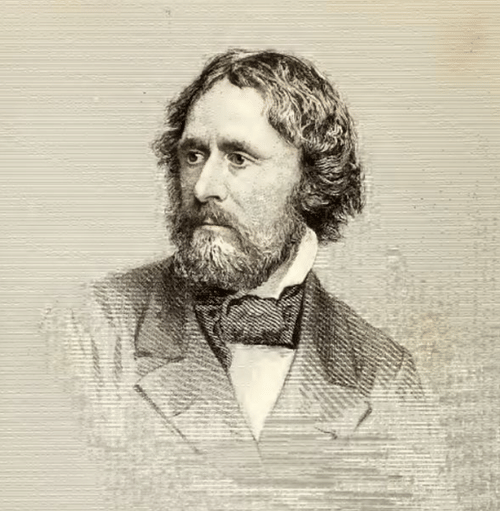
General John C. Frémont: Frémont, the Radical Republican candidate, was an uncompromising abolitionist. His early actions in Missouri and his subsequent presidential campaign underscored his belief that Lincoln was not aggressive enough in dismantling slavery. He viewed the war as a moral crusade against human bondage and criticized Lincoln for his perceived slowness. However, Frémont’s strong anti-slavery stance made him an unlikely bedfellow with the Peace Democrats. When the Democratic Party adopted its peace platform, Frémont denounced it, stating that he could not support a party that sought to "reestablish the Union with slavery," which he believed the Democratic platform implied. This fundamental disagreement with the Copperhead agenda ultimately paved the way for his withdrawal, which he negotiated with Lincoln’s allies under the condition of Postmaster General Montgomery Blair’s removal, demonstrating his personal animosity towards Lincoln’s inner circle.
-
General Ulysses S. Grant: As the Union’s commanding general, Grant understood the critical link between military success and Lincoln’s political viability. He recognized the immense burden placed upon the soldiers, stating, "they are American citizens, [and] they have as much right to [vote] as those citizens who remain at home. Nay, more, for they have sacrificed more for their country." Grant’s relentless Overland Campaign, despite its staggering casualties, kept constant pressure on the Confederate capital and its main army, preventing the South from achieving any significant victory that could bolster the peace movement. His strategic insights and military determination were indispensable in providing the "decisive battlefield success" Lincoln desperately needed.
Implications
The outcome of the 1864 election had profound and lasting implications, not only for the immediate conclusion of the Civil War but also for the subsequent trajectory of American history.
-
Mandate for Unconditional Victory: Lincoln’s decisive reelection provided an undeniable mandate for the Union to prosecute the war to its absolute conclusion, demanding the unconditional surrender of the Confederacy. It effectively repudiated the "peace at any price" movement championed by the Copperheads and ensured that the immense sacrifices made thus far would not be in vain. The election result sent an unmistakable signal to the Confederate leadership that the North would not falter, extinguishing any lingering hope that a change in federal administration might offer them a path to independence.
-
Ensuring the Abolition of Slavery: Beyond merely preserving the Union, Lincoln’s victory cemented the path toward the nationwide abolition of slavery. The National Union Party platform explicitly called for a constitutional amendment to end slavery, a promise Lincoln vigorously pursued in the months following his reelection. His second inaugural address, delivered in March 1865, eloquently articulated the moral dimensions of the war, framing it as divine retribution for the sin of slavery. Within months of his reelection, the Thirteenth Amendment was passed by Congress and sent to the states for ratification, a direct consequence of the mandate he received. This marked a revolutionary transformation of American society, fulfilling the promise of the Emancipation Proclamation and fundamentally altering the social and economic fabric of the nation.
-
Shaping Reconstruction: While Lincoln did not live to oversee the entirety of Reconstruction, his reelection provided a framework for his vision of national reconciliation and a "malice toward none, with charity for all" approach. His choice of Andrew Johnson, a Southern War Democrat, as his running mate was a deliberate move to bridge sectional divides and signal a more lenient path for the reintegration of the Southern states. Although Johnson’s subsequent presidency would diverge significantly from what many believed Lincoln intended, the initial direction set by the National Union Party aimed for a balanced approach to reuniting the country, prioritizing healing while ensuring the abolition of slavery.
-
Strengthening Federal Authority: Lincoln’s victory further solidified the power of the federal government, which had expanded significantly during the war to meet the demands of mobilization and conflict. The successful prosecution of the war, backed by popular mandate, reinforced the principle of national supremacy over states’ rights, a foundational shift that would define the post-war era. The ability of the Union to conduct an election, even amidst a civil war, and for its citizens to vote on the very continuation of that war, underscored the resilience of American democratic institutions.
-
The Enduring Legacy of Leadership: The 1864 election solidified Abraham Lincoln’s place as one of America’s most transformative leaders. His ability to navigate radical demands, unite disparate factions under a common banner, and maintain public support through immense hardship demonstrated extraordinary political skill and moral courage. His reelection was not just a personal triumph but a testament to the nation’s resolve to endure its "fiery trial" and emerge as a more perfect Union, free from the stain of slavery. The outcome of that pivotal election ensured that the United States would be preserved, not as a collection of squabbling states, but as a single, indivisible nation, forever changed by the crucible of war and the promise of liberty for all.