
The Prophet’s Approval: How Brian Herbert Validated Denis Villeneuve’s Vision of Dune
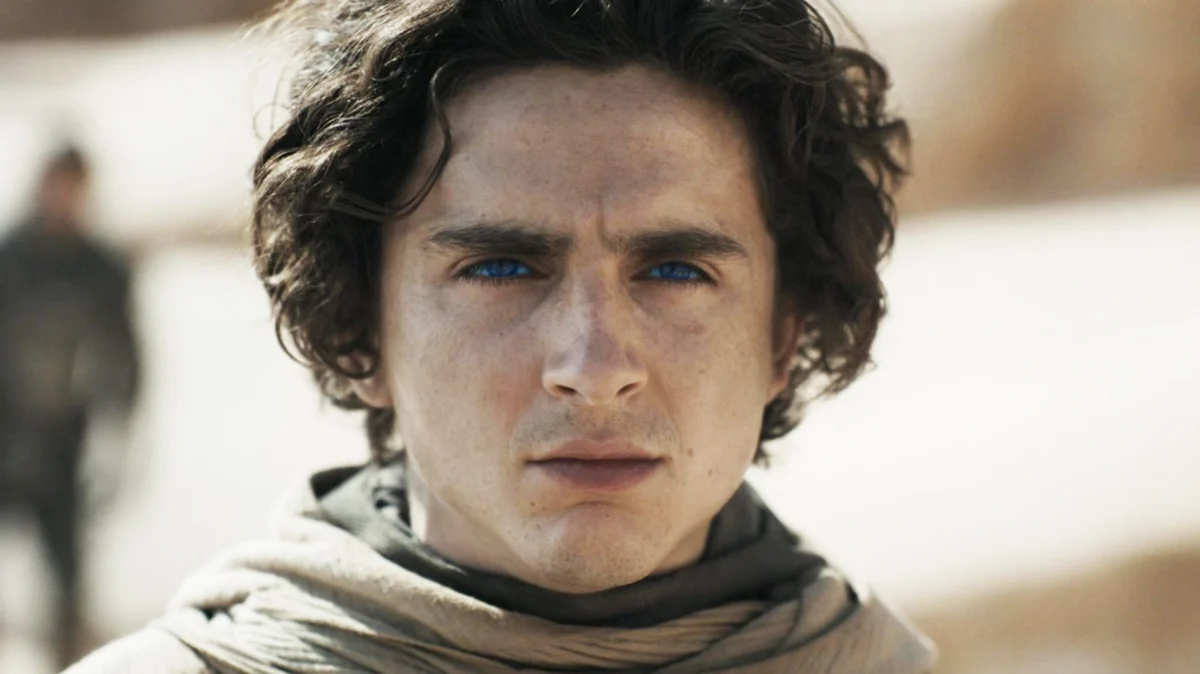
For decades, Frank Herbert’s 1965 masterpiece, Dune, carried a reputation that was as formidable as the desert planet Arrakis itself: it was deemed "unfilmable." The novel’s dense layering of feudal politics, ecological philosophy, religious messianism, and internal monologues presented a labyrinth that swallowed several ambitious filmmakers whole. From Alejandro Jodorowsky’s psychedelic, never-realized epic to David Lynch’s maligned 1984 attempt, the "Dune curse" seemed unbreakable.
However, the arrival of Denis Villeneuve’s two-part adaptation—Dune: Part One (2021) and Dune: Part Two (2024)—has not only shattered that curse but has also received the highest possible validation from the person closest to the source material. Brian Herbert, the son of Frank Herbert and the current steward of the Dune literary empire, has officially signaled his approval, crowning Villeneuve’s duology as the definitive cinematic interpretation of his father’s legacy.
Main Facts: A Seal of Approval from the Herbert Estate
In the wake of the massive critical and commercial success of Dune: Part Two, Brian Herbert took to social media to offer his definitive verdict. In a 2024 Facebook post that quickly circulated through the global "Duniverse" fandom, Brian revealed that he had attended a private studio screening of the second installment. His reaction was nothing short of effusive.
"It is gratifying to see my father’s story told with such great care," Herbert wrote. "When the new movie is combined with Dune: Part One, it is by far the best film interpretation of Frank Herbert’s classic novel DUNE that has ever been done."
This endorsement carries significant weight. As the author who took over the series following Frank Herbert’s death in 1986, Brian has spent decades expanding the lore of Arrakis. His validation serves as a bridge between the original 1960s counter-culture classic and the modern blockbuster era. For Brian, the success of the Villeneuve films is not just about box office receipts; it is about the "care" and "gratification" of seeing a complex literary structure translated into a visual medium without losing its intellectual soul.
Chronology: The Long Road to Arrakis
To understand why Brian Herbert’s praise is so significant, one must look at the fraught history of Dune on screen. The journey from page to screen has been a sixty-year odyssey marked by creative brilliance and spectacular failure.
The Jodorowsky Fever Dream (1970s)
The first major attempt to adapt Dune came from Chilean-French filmmaker Alejandro Jodorowsky. His vision was a 14-hour epic featuring Salvador Dalí as the Emperor and a score by Pink Floyd. While the project collapsed under its own weight, its concept art (by H.R. Giger and Jean "Moebius" Giraud) influenced nearly every sci-fi film that followed, including Star Wars and Alien.
The Lynch Experiment (1984)
In the early 1980s, producer Dino De Laurentiis hired David Lynch to bring Dune to life. The result was a 1984 film that remains a cult classic but was a box office disaster and a critical failure at the time. Interestingly, Frank Herbert himself was surprisingly supportive of Lynch. Before his passing in 1986, Frank praised Lynch for capturing the "texture" of the world, even if the narrative was condensed into an incomprehensible sprawl. However, Lynch himself eventually disowned the film due to studio interference.
The Miniseries Era (2000–2003)
In the early 2000s, the Sci-Fi Channel (now Syfy) produced a three-part miniseries, followed by an adaptation of Children of Dune. While these were praised for their faithfulness to the text and their inclusion of the more esoteric plot points, they lacked the cinematic scale and budget required to truly capture the grandeur of the Imperium.
The Villeneuve Revolution (2016–Present)
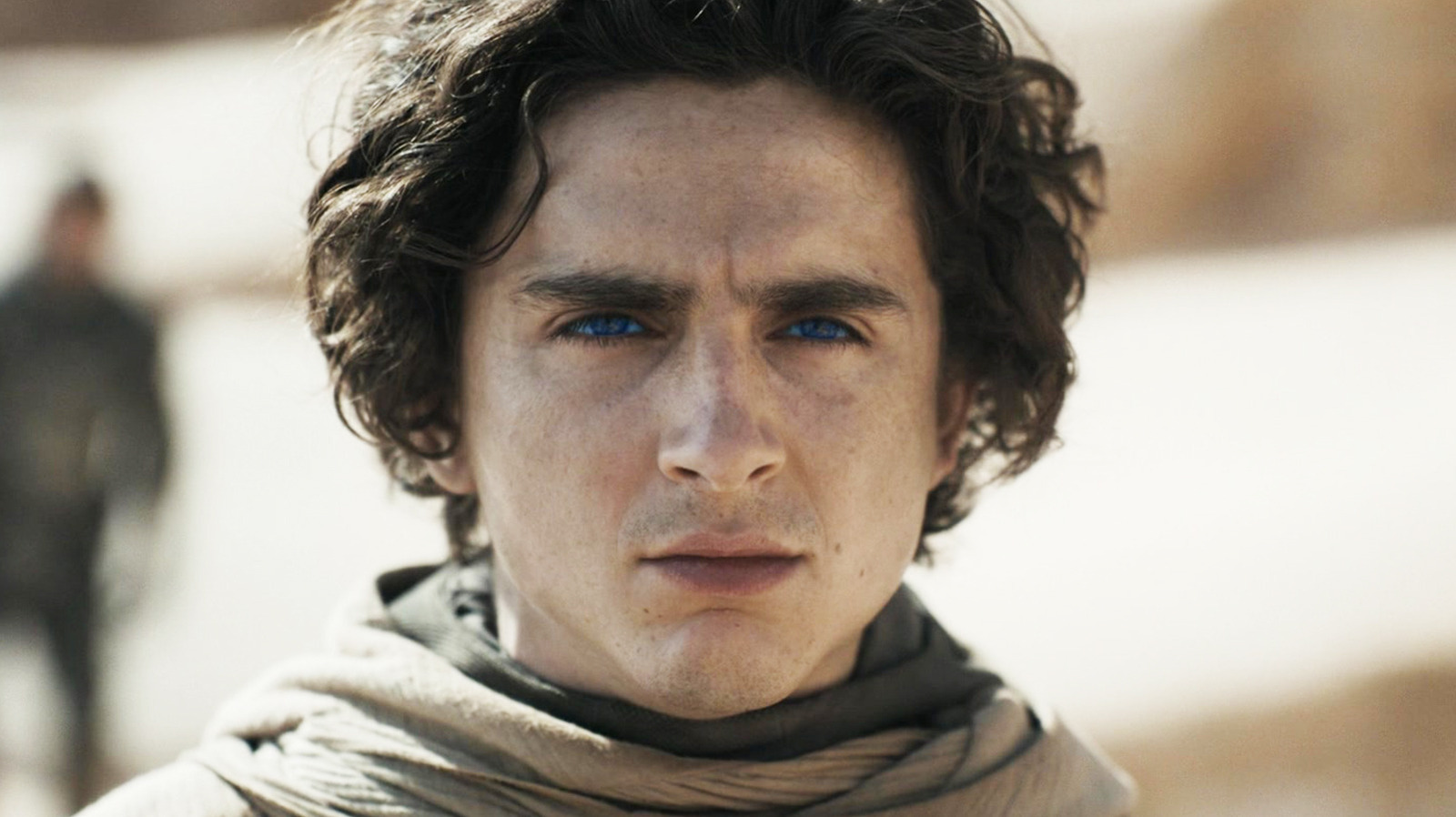
The modern era began in 2016 when Legendary Entertainment acquired the film and TV rights. Denis Villeneuve, a lifelong fan of the novel, insisted on splitting the book into two parts to ensure the world-building had room to breathe. This decision proved to be the masterstroke that finally unlocked the story for general audiences.
Supporting Data: The Scale of the Dune-Verse
Brian Herbert’s authority to judge these films comes from his deep immersion in the world his father created. While Frank Herbert wrote six original Dune novels, Brian, in collaboration with author Kevin J. Anderson, has expanded the library to include over 20 additional books.
These works—including the Prelude to Dune trilogy and the Legends of Dune series—explore the 15,000-year history of the Butlerian Jihad (the war against thinking machines), the origins of the Great Houses, and the secret history of the Bene Gesserit sisterhood. Having spent the last 25 years thinking about the mechanics of the Dune universe, Brian Herbert’s assessment that Villeneuve’s films are the "best interpretation" is backed by an unparalleled knowledge of the source material’s intricacies.
Furthermore, the data suggests that the general public agrees. Dune: Part Two became a cultural phenomenon, grossing over $700 million globally and maintaining a "Certified Fresh" rating on Rotten Tomatoes. The film’s ability to balance Brian Herbert’s demands for "discriminating fans" with the needs of a casual moviegoer is a feat rarely seen in big-budget franchise filmmaking.
Official Responses and Collaborative Efforts
Brian Herbert’s satisfaction with the films was not a matter of luck; it was the result of active collaboration. Unlike many authors who are sidelined during the Hollywood adaptation process, Brian was involved from the earliest stages of production.
Early in the development of Dune: Part One, Brian Herbert served as an executive producer and a creative consultant. He worked closely with producers Mary Parent and Cale Boyer, advising them on the expectations of the core fanbase. Brian famously communicated with screenwriter Eric Roth to ensure the creative vision remained tethered to the core themes of the 1965 novel.
"I was very involved in the early stages," Brian has noted in various interviews. His goal was to protect the "integrity" of the story while allowing Villeneuve the space to exercise his visual style. This collaborative spirit is a far cry from the notorious "author vs. studio" battles seen in adaptations like Stephen King’s rejection of Stanley Kubrick’s The Shining or Roald Dahl’s disdain for Willy Wonka & the Chocolate Factory. In the case of Dune, the estate and the director were in total alignment.
Implications: The Future of the Franchise and Dune: Messiah
The success of the first two films and Brian Herbert’s enthusiastic endorsement have paved the way for the future of the franchise. Legendary and Warner Bros. have already confirmed that a third film, based on Frank Herbert’s 1969 sequel Dune Messiah, is in active development.
The Deconstruction of the Hero
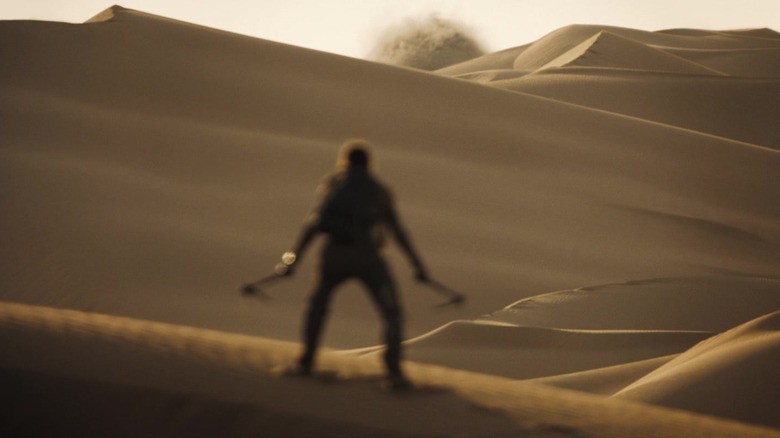
The implications for Dune: Part Three are profound. Frank Herbert wrote Dune Messiah as a direct response to readers who mistakenly viewed Paul Atreides as a traditional hero. The sequel is a darker, more claustrophobic deconstruction of the "Chosen One" trope, showing the horrific consequences of Paul’s holy war. Brian Herbert’s continued involvement ensures that this crucial thematic shift will be preserved. Villeneuve has already begun planting the seeds for this in Part Two, particularly through the revised characterization of Chani (played by Zendaya), who serves as the audience’s skeptical lens on Paul’s rise to power.
A Multi-Media Empire
Beyond the films, the Herbert estate is overseeing a massive expansion into television. Dune: Prophecy, a prequel series focusing on the origins of the Bene Gesserit, is set to debut on HBO. This series draws heavily from the Sisterhood of Dune novel written by Brian Herbert and Kevin J. Anderson.
The Legacy of Frank Herbert
Ultimately, Brian Herbert’s praise for Timothée Chalamet’s portrayal of Paul Atreides and Villeneuve’s sweeping direction serves as a final vindication for Frank Herbert’s vision. For years, Dune was considered too weird, too political, and too complex for the masses. Today, thanks to a director who respected the text and a son who guarded his father’s flame, Dune stands as the preeminent science fiction saga of the 21st century.
As the production for Dune: Messiah looms on the horizon, the "Herbert seal of approval" remains the project’s most valuable asset. It signals to the fans that the "Golden Path" of the cinematic franchise is in safe hands, ensuring that the sands of Arrakis will continue to shift and fascinate for generations to come.

Leave a Comment