From Chaos to Continuity: How ‘Evil Dead Burn’ Redefines a Horror Legacy
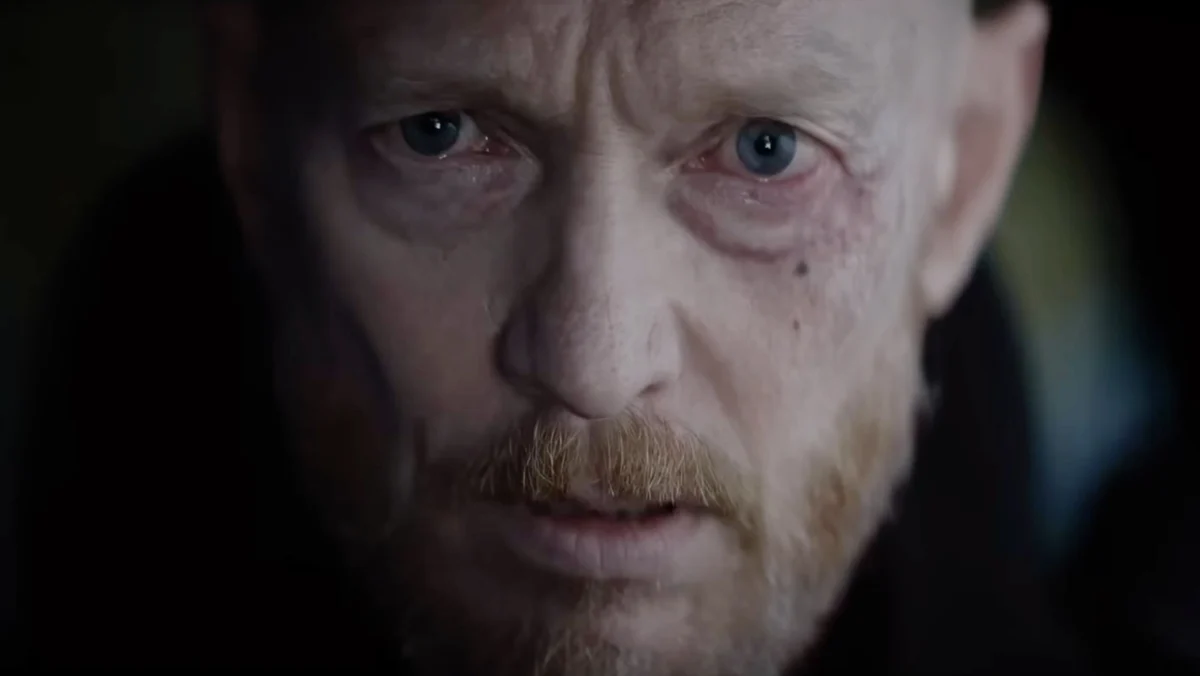
The Evil Dead franchise, birthed from the splatstick genius of Sam Raimi and the chin-forward charisma of Bruce Campbell, has long been celebrated for its anarchic spirit. For over four decades, the series thrived on a "rules-be-damned" approach to storytelling. Continuity was, at best, a suggestion; at worst, a casualty of complex licensing battles and creative whims. However, with the release of Evil Dead Burn, the legendary horror property has undergone a fundamental metamorphosis.
Directed by Sébastien Vaniček, Evil Dead Burn does something the franchise has never successfully attempted: it establishes a rigid, serialized narrative bridge between installments. By directly linking its events to 2023’s Evil Dead Rise, the film signals a new era for the series—one where lore, legacy, and logic finally intersect.
Main Facts: A New Chapter in the Necronomicon
Evil Dead Burn arrives as a bold expansion of the universe established in Lee Cronin’s Evil Dead Rise. While the franchise has historically functioned as a series of loosely connected nightmares, Burn serves as a direct narrative successor. The film introduces a new cast of characters, led by Hunter Doohan as Joseph and George Pullar as Will, but it anchors their struggle in the immediate aftermath of the previous film’s carnage.
The central plot revolves around the Price family, who find themselves targeted by the Deadite horde not through random chance, but through a calculated demonic agenda. The catalyst for this horror is the discovery of the Kandarian Dagger, a relic of immense power hidden by the family’s late patriarch, Benjamin Price. Unlike previous entries where the Deadites are merely agents of senseless slaughter, Evil Dead Burn portrays them as a coordinated force with a specific objective: reclaiming the tools that can de-possess their hosts.
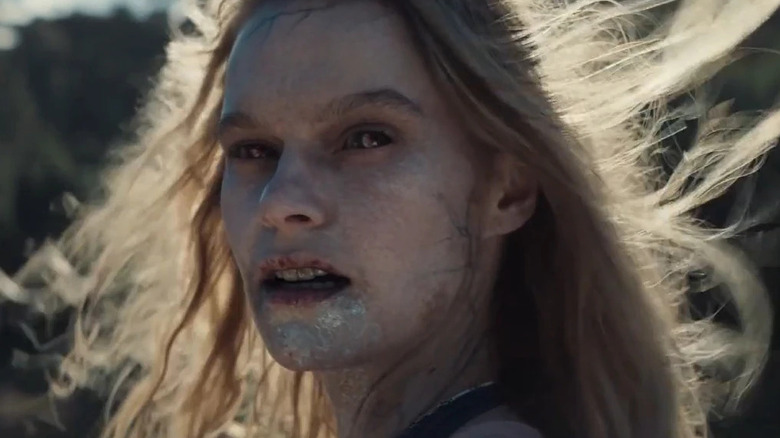
The film’s most significant contribution to the franchise is the return of Deadite Jessica (Greta Van Den Brink). Last seen in the opening/closing moments of Evil Dead Rise at a remote lake, Jessica’s reappearance in Burn marks the first time a specific Deadite entity has transitioned between films in a serialized fashion. This creative choice effectively ends the "reboot-lite" era of the franchise and establishes a cohesive, shared universe.
Chronology: The Evolution of Evil (1981–2028)
To understand why the continuity of Evil Dead Burn is so revolutionary, one must look at the fractured timeline of its predecessors.
The Raimi Era (1981–1992)
The original trilogy—The Evil Dead, Evil Dead II, and Army of Darkness—is famously inconsistent. Due to legal hurdles regarding the rights to the original 1981 film, Sam Raimi was forced to recap the story in Evil Dead II using new footage that fundamentally altered the ending of the first movie. Army of Darkness continued this trend, offering multiple endings (the S-Mart ending vs. the "Post-Apocalyptic" ending) that left Ash Williams’ ultimate fate in a state of flux until the television series Ash vs. Evil Dead (2015–2018) attempted to unify the timeline.
The Anthology Era (2013–2023)
Fede Álvarez’s 2013 Evil Dead was initially marketed as a reboot, though fans have long theorized it takes place in the same world as Ash Williams. It introduced the Naturom Demonto and focused on a gritty, humorless tone. A decade later, Evil Dead Rise shifted the action to a Los Angeles apartment complex, introducing a third volume of the Book of the Dead. While these films shared DNA, they functioned as stand-alone stories, connected only by the presence of a Necronomicon and the inevitable rise of the Deadites.
The Unified Era (2024–Present)
Evil Dead Burn breaks the anthology mold. By resurrecting Jessica and referencing the events of the "Lake Incident" from Rise, the film creates a linear timeline. This trajectory is set to continue with the announced 2028 film, Evil Dead Wrath, which is rumored to be a period piece set in 1972. The inclusion of a post-credits scene in Burn featuring the mangled remains of Ellie (Alyssa Sutherland) from Rise further cements the idea that these characters and their demons are part of a persistent, ongoing threat.
Supporting Data: The Mechanics of the Kandarian Dagger
A critical element of the "enrichment" Evil Dead Burn provides to the series is its focus on the Kandarian Dagger. While the dagger appeared in the original films, its role in Burn is more sophisticated.
In the original trilogy, the dagger was a weapon capable of harming Deadites, but it lacked a detailed mythological framework. In Burn, the dagger is presented as a "fail-safe"—an object capable of reversing the possession process without killing the host. This shift in the "rules" of the universe provides the Deadites with a tactical reason to terrorize the Price family.
Key Data Points in the New Lore:
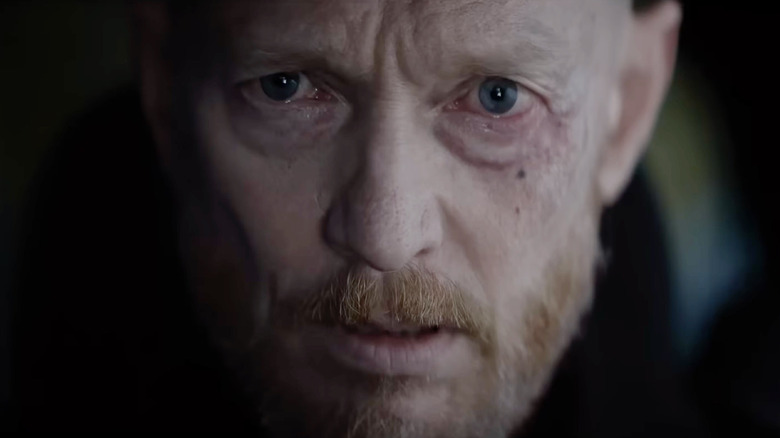
- The "Uber-Deadite": The character of Will, who remains in a state of constant combustion, represents a new tier of Deadite evolution. This suggests that the "Evil" is becoming more resilient and adaptive to physical trauma.
- The Price Family Connection: The discovery that Benjamin Price was a guardian of the dagger suggests that there has been a secret war against the Deadites occurring in the background of the entire franchise.
- The Three Books: Evil Dead Rise established that there are three distinct volumes of the Necronomicon. Burn hints that each book may have a corresponding relic (like the Dagger), creating a "set" of artifacts that could be the focus of future films.
Official Responses: Studio Strategy and Creative Vision
The shift toward a serialized universe is not merely a creative choice by director Sébastien Vaniček; it is a calculated strategic move by Warner Bros. Pictures and New Line Cinema.
Following the conclusion (or hiatus) of The Conjuring universe, New Line Cinema has been searching for a flagship horror brand capable of sustaining a multi-film narrative. The commercial success of Evil Dead Rise—which earned over $147 million on a modest budget—proved that the brand has significant "legs" beyond the involvement of Bruce Campbell’s Ash Williams.
Industry insiders suggest that the studio is modeling the future of Evil Dead after the "Interconnected Horror Universe" blueprint. In a recent press junket, Vaniček noted:
"We wanted to honor the chaos of Raimi, but we also wanted the audience to feel that the stakes are cumulative. What happened in that apartment building in LA matters here. The blood that was spilled there is still wet in our world. We are building a history, not just a series of isolated incidents."
Furthermore, producers Robert Tapert and Sam Raimi have publicly endorsed this new direction, noting that while the "Ash Saga" remains sacred, the "Necronomicon Universe" is vast enough to support a more traditional franchise structure.
Implications: The Future of the Deadites
The implications of Evil Dead Burn’s narrative choices are profound for the future of the horror genre. By introducing direct continuity, the franchise is moving away from the "disposable" nature of slasher and possession films.
1. The "Avenger-ization" of Horror
With the survival of certain Deadite entities and the introduction of artifacts like the Kandarian Dagger, the series is moving toward a potential "crossover" event. Rumors persist that the 2028 film Evil Dead Wrath will bridge the gap between the 1970s origins of the current books and the modern-day survivors. There is growing speculation that Jane Levy’s Mia (from 2013) and Lily Sullivan’s Beth (from Rise) could eventually team up.
2. The Return of Ash Williams?
The presence of a photograph of a younger Bruce Campbell in the Price household in Burn has sent fans into a frenzy. While Campbell has retired from playing Ash in live-action "physical" roles, the establishment of a unified timeline makes a cameo or a "mentor" role more plausible. If all these films exist in one world, the legendary "Chosen One" is out there somewhere, potentially watching these new outbreaks with a weary eye.
3. A Shift in Horror Philosophy
Most possession movies end with the demon being cast out or the protagonist dying. Evil Dead Burn suggests a third option: a world where the demonic infection is a persistent, looming shadow that cannot be simply "exorcised" away. By making the Deadites proactive hunters of their own weaknesses (the Dagger), the film elevates the antagonists from mindless monsters to a strategic supernatural plague.
4. Setting the Stage for ‘Evil Dead Wrath’
The 1972 setting of the next installment suggests a "prequel-sequel" hybrid. By establishing the rules of the Dagger and the persistence of the Deadites in Burn, the franchise can now look backward to explain how these items were lost or hidden, creating a rich tapestry of horror that spans generations.
In conclusion, Evil Dead Burn is more than just another "splatter" film. It is a foundational pillar for a new architecture of terror. By embracing continuity, Sébastien Vaniček has given the Evil Dead franchise something it never had before: a memory. And as any fan of the series knows, when the Deadites remember you, the nightmare is only just beginning.