
The Punctuation Panic: Is the War on AI Leading to a Literary Witch Hunt?
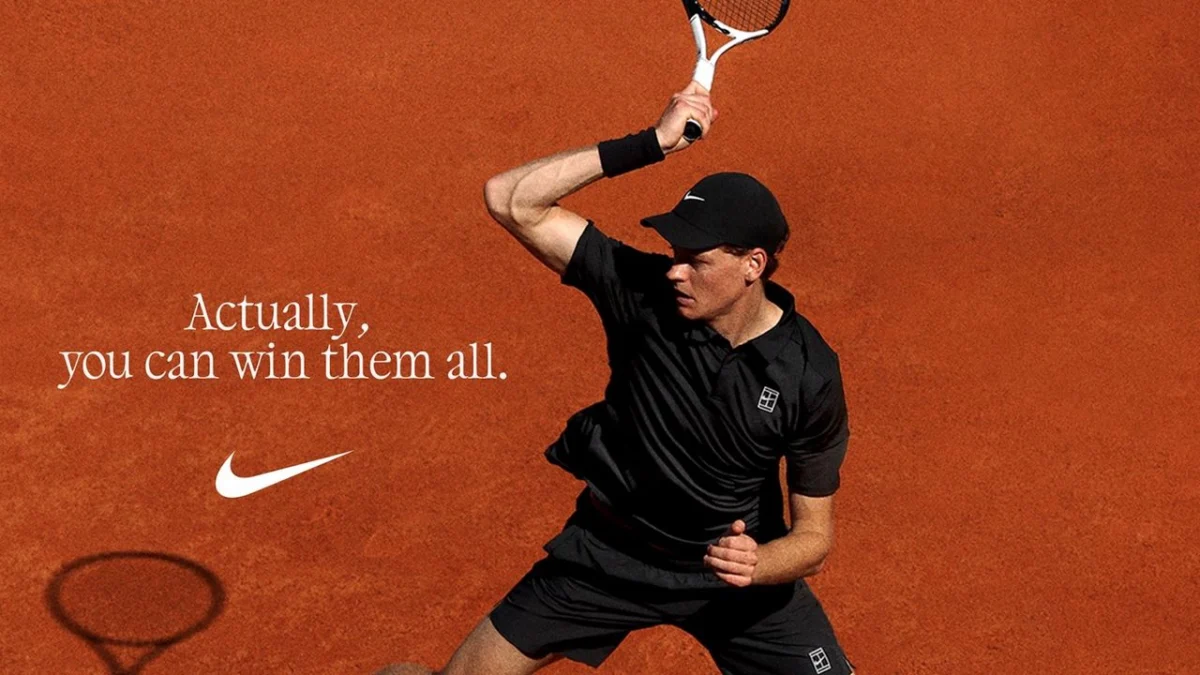
In the rapidly evolving landscape of artificial intelligence, the debate surrounding its influence on creative fields has reached a fever pitch. While the art world grapples with questions of authorship and originality in the face of AI-generated imagery, the literary sphere is experiencing its own peculiar brand of panic. This panic, however, seems to be increasingly fixated not on the substance of AI-generated content, but on the very building blocks of human expression: punctuation. A recent online firestorm, sparked by an accusation against Nike’s marketing team, highlights a growing trend of scrutinizing even the most polished writing for supposed "AI-isms," raising concerns about a potentially overzealous hunt for artificial intelligence in a realm where human creativity has long reigned supreme.
The Spark: Nike, Sinner, and the Em Dash Debacle
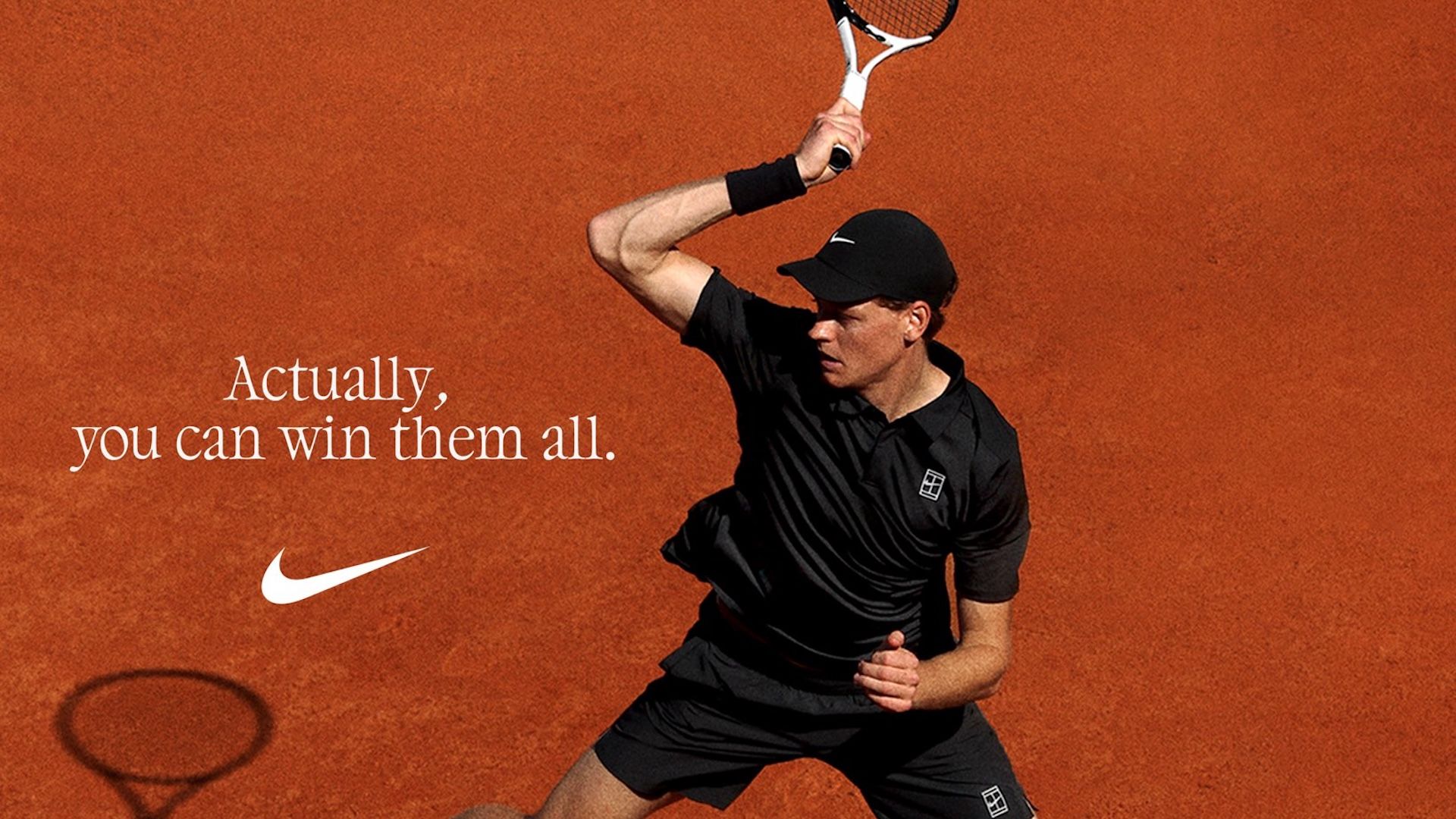
The controversy ignited this week when a viral post on X (formerly Twitter) pointed a finger at Nike, accusing the global sportswear giant of allowing a "GPT AI-ism" to slip into a promotional post for tennis champion Jannik Sinner. The alleged evidence? The inclusion of an em dash. This seemingly innocuous punctuation mark, a versatile tool for writers to denote a pause, an aside, or a strong emphasis, became the focal point of a digital outcry. Critics, echoing a chorus of digital disapproval, swiftly labeled the use of the em dash as a tell-tale sign of artificial intelligence, implying that Nike’s marketing team had failed to adequately vet their content for AI-generated patterns.
This incident, while seemingly trivial, taps into a broader anxiety surrounding the increasing sophistication of AI-generated text. For months, online platforms have been awash with content that bears the unmistakable hallmark of AI: short, declarative sentences, repetitive phrasing, and a general lack of genuine human voice. LinkedIn, in particular, has become a notorious breeding ground for these "obvious slop" posts, often characterized by generic motivational platitudes. However, the Nike incident suggests a dangerous escalation in this scrutiny, where even a grammatically correct and stylistically sound punctuation choice is now grounds for suspicion.
A Chronology of AI Scrutiny in Writing
The concerns about AI’s impact on writing are not entirely new, but they have gained significant momentum in recent years.
- Early 2020s: The rise of advanced language models like GPT-3 and its successors began to produce text that was increasingly difficult to distinguish from human writing. This sparked initial discussions about the potential for AI to automate content creation, from blog posts to news articles.
- Mid-2020s: As AI-generated content became more prevalent, so did the need for detection methods. However, these methods often focused on broad stylistic patterns, such as sentence length variation, vocabulary complexity, and the presence of certain transitional phrases.
- Late 2020s (leading up to the Nike incident): A noticeable shift occurred, with a growing tendency to attribute even moderately well-written content to AI. This was fueled by a public awareness of AI capabilities and a desire to identify and flag potentially inauthentic content. The "obvious slop" of early AI-generated text gave way to more sophisticated outputs, making the task of detection more challenging and, perhaps, more prone to overreaction.
- The Nike Incident (Present): The accusation against Nike exemplifies this overreaction. The use of an em dash, a standard and widely accepted punctuation mark, being branded as an "AI-ism" signals a concerning trend of misattribution and a potential erosion of confidence in human writers’ abilities.
The "Mystical Art" of AI Detection: Beyond the Em Dash
The article highlights the difficulty of accurately identifying AI-generated writing. While there are emerging techniques for detecting AI deepfakes in visual media, discerning AI-authored text remains a more "mystical art." The current panic suggests a societal shift towards associating any form of polished or even competently punctuated writing with artificial generation. This is a concerning development, as it risks penalizing good writing rather than identifying genuinely problematic AI outputs.
The author argues that this trend is creating a "bizarre cultural moment" where any writing that exhibits a degree of sophistication is immediately suspect. The implication is that human writing, to be considered truly authentic, must necessarily be flawed, hurried, or even riddled with typos. This is a counterintuitive and ultimately detrimental perspective, as it devalues clarity, precision, and the deliberate artistry that skilled writers employ.
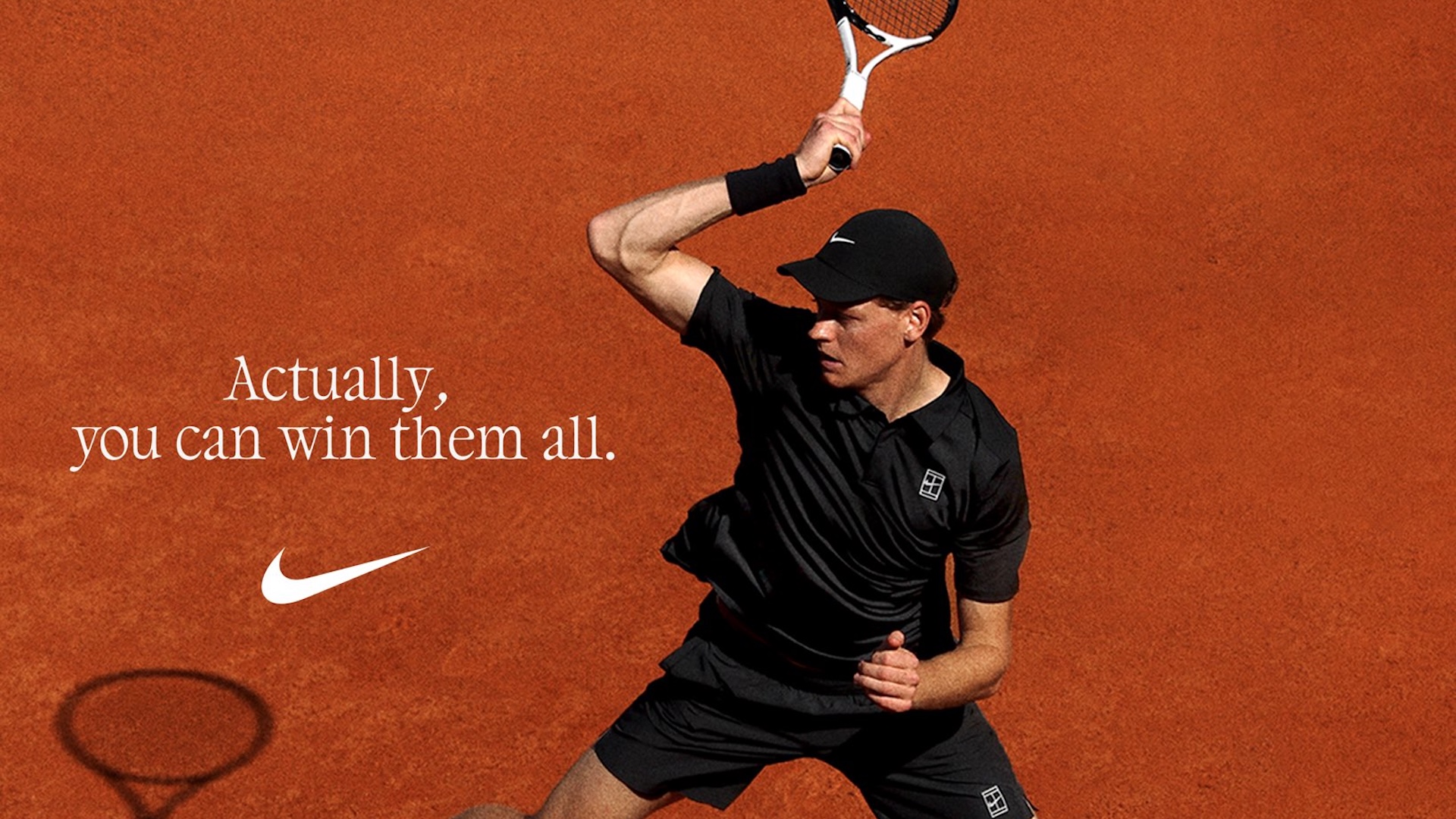
The em dash, once a respected tool in the writer’s arsenal, has become "collateral damage" in this war against machine writing. Its centuries-long history of use by esteemed authors is seemingly being disregarded in favor of a superficial, and arguably misguided, interpretation of what constitutes "human" writing.
Supporting Data and Expert Opinion
The article implicitly references the growing body of work and discussion surrounding AI and authorship. While not explicitly cited with statistical data, the sentiment reflects broader trends observed in the digital content landscape:
- Proliferation of AI Content: The sheer volume of AI-generated text flooding online platforms is undeniable. This has led to increased vigilance and a desire to differentiate between human and machine-created content.
- Anxiety in Creative Industries: Professionals in writing, journalism, and marketing are understandably concerned about the potential displacement of jobs and the devaluation of their skills due to AI advancements.
- The "AI Look": Early AI writing often exhibited predictable patterns. However, as models improve, these patterns become more subtle, leading to a situation where even sophisticated AI outputs can be mistaken for human writing, and vice-versa.
The article’s underlying argument aligns with a growing concern among writers and literary professionals that the anti-AI fervor is becoming overly broad and potentially misdirected. The Society of Authors, for instance, has introduced "Human Authored" labels, a testament to the need for clear differentiation in the marketplace. While intended to reassure readers and support human creators, the author of the article suggests that such measures, alongside disclaimers in books explicitly stating "no AI was used," might represent a "dystopian" outcome, underscoring the intensity of the current anxieties.
Official Responses and Industry Reactions
While there has been no formal "official response" from major AI developers or regulatory bodies specifically addressing the "em dash as an AI-ism" debate, the broader discourse is being shaped by several key players and trends:
- Social Media Platforms (X, etc.): These platforms are the battlegrounds where accusations and debates about AI content unfold. The viral nature of posts like the one targeting Nike demonstrates the power of these platforms in shaping public perception.
- Marketing Teams and Brands (Nike): Companies are increasingly aware of the scrutiny surrounding AI. Their response is often one of caution, aiming to ensure their marketing materials are perceived as authentic and human-generated. The Nike incident suggests that even well-resourced teams can face criticism.
- Literary Organizations (Society of Authors): Organizations like the Society of Authors are actively engaged in finding ways to protect human creators and provide clarity to consumers. The introduction of "Human Authored" labels is a direct response to the growing concern.
- AI Developers: Companies developing large language models are constantly improving their technology, making it harder to detect AI-generated content. Their focus is on capability and ethical deployment, but the downstream impact on detection and perception is significant.
- Journalists and Content Creators: Professionals in these fields are grappling with the dual challenge of using AI tools effectively while maintaining journalistic integrity and human voice. The anxiety expressed in the article is a reflection of these ongoing struggles.
Implications and the Future of Writing
The implications of this punctuation panic are far-reaching and potentially damaging to the creative process:
- Chilling Effect on Creativity: If writers fear that any display of technical skill or polished prose will be misconstrued as AI-generated, it could lead to a self-censorship that stifles creativity and discourages the pursuit of excellence. The author rightly points out that bad writers have always existed, and the existence of AI does not absolve human writers of their own potential shortcomings.
- Erosion of Trust: An overly zealous approach to AI detection, particularly one that targets fundamental elements of language like punctuation, could erode trust between creators and their audiences. If readers become hyper-vigilant about spotting "AI-isms," they might miss the genuine human connection and artistry in well-crafted writing.
- Misplaced Focus: The debate over the em dash distracts from more substantive issues, such as the ethical implications of AI-generated content, copyright concerns, and the potential for AI to be used for malicious purposes like spreading misinformation.
- The "Human Authored" Paradox: While intended to be reassuring, the widespread adoption of "Human Authored" labels could, as the article suggests, represent a "dystopian" future where the very act of being human needs to be explicitly declared on creative works. This implies a loss of inherent value in human creation.
The author’s core argument is a plea for a more nuanced and less panicked approach to AI in writing. The solution to the proliferation of synthetic content, they contend, is not to wage war on clarity, competence, or even the humble em dash. Instead, it lies in fostering a deeper understanding of AI’s capabilities and limitations, encouraging responsible AI development and deployment, and, crucially, continuing to champion and celebrate the unique, nuanced, and irreplaceable voice of human creativity. The current climate, however, suggests that this balanced perspective is a difficult, yet necessary, pursuit in the ongoing evolution of our digital and literary landscapes.

Leave a Comment