
The Pursuit of the Commuter Ideal: How the Velotric Discover 3 Redefines the Mid-Range E-Bike Market
The landscape of urban mobility has undergone a seismic shift over the last five years. As cities worldwide grapple with congestion and environmental mandates, the electric bicycle has transitioned from a niche hobbyist gadget to a primary mode of transportation. However, for the average consumer, the market has remained frustratingly polarized. On one end, budget-conscious models often demand significant compromises in safety and component longevity; on the other, high-end "boutique" bikes offer seamless experiences at prices that rival used automobiles.
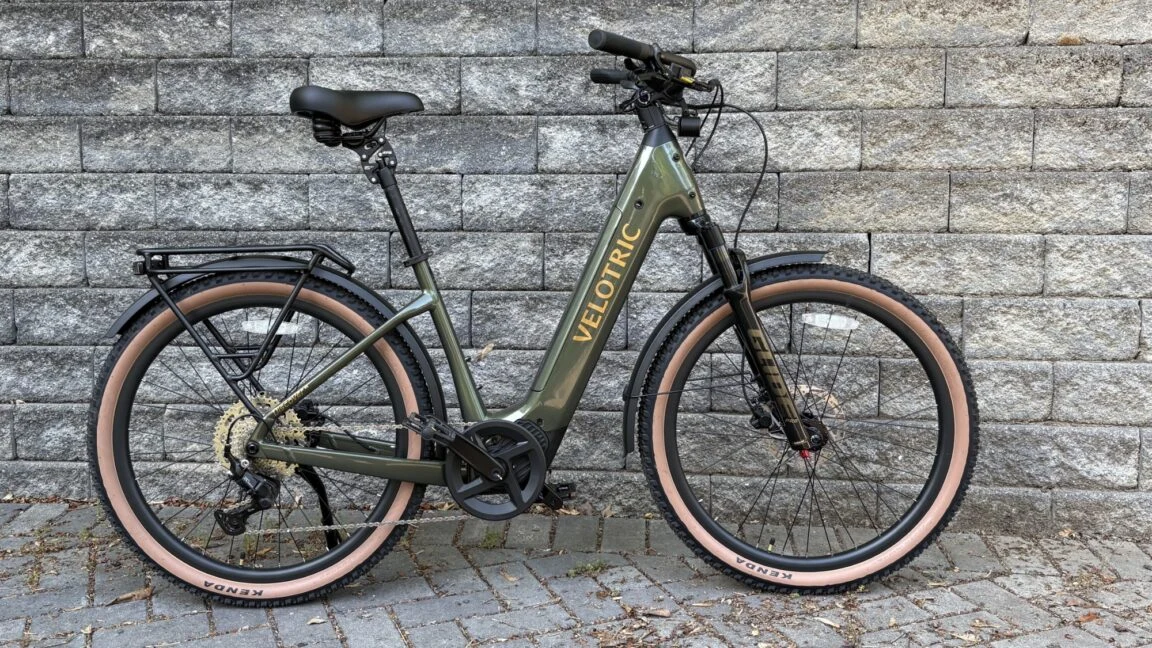
Enter the Velotric Discover 3. Priced at just under $2,000, this third-generation commuter bike attempts to bridge that chasm. By integrating a custom mid-drive motor with Shimano’s revolutionary Cues drivetrain, Velotric is positioning itself as the "Goldilocks" of the industry—offering a high-end, uncompromising ride at a price point accessible to the working professional.
Main Facts: A Convergence of Componentry and Customization
The Velotric Discover 3 is not merely an incremental update to its predecessors; it represents a fundamental shift in the company’s engineering philosophy. The most significant departure is the transition from a rear-hub motor to a sophisticated mid-drive system. While hub motors are cheaper to manufacture, mid-drive motors—positioned at the bike’s crank—provide superior weight distribution and leverage the bike’s existing gears, resulting in a more natural and efficient ride.
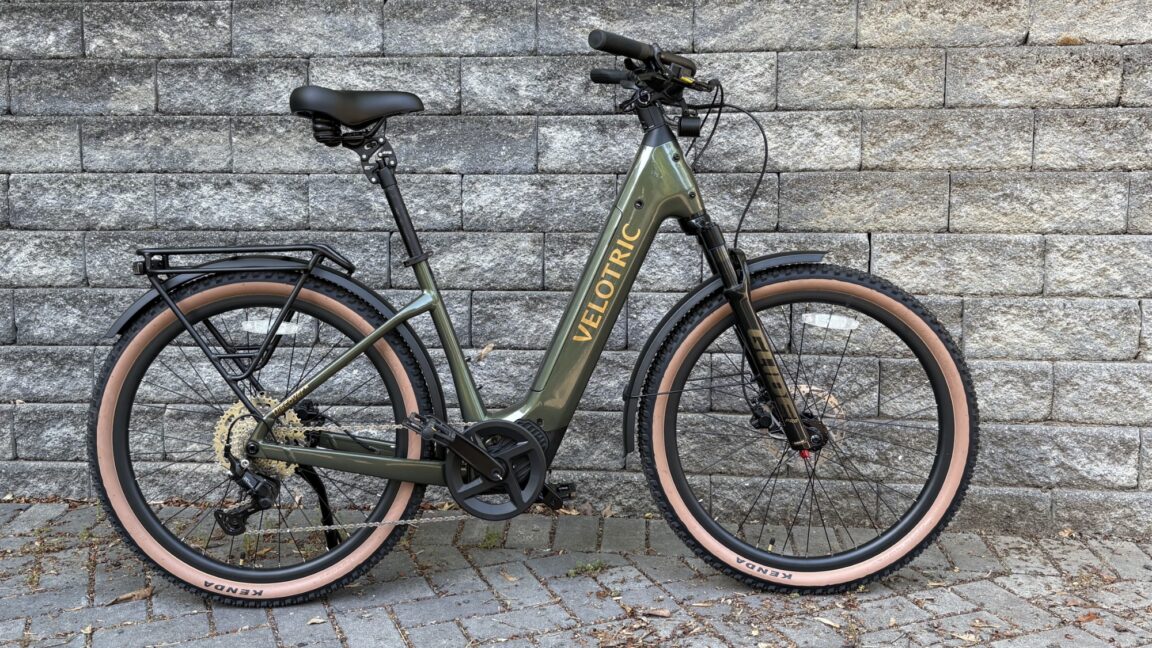
Key Specifications and Features:
- Powertrain: Custom-tuned mid-drive motor featuring a default torque sensor, with a software-switchable cadence sensor option.
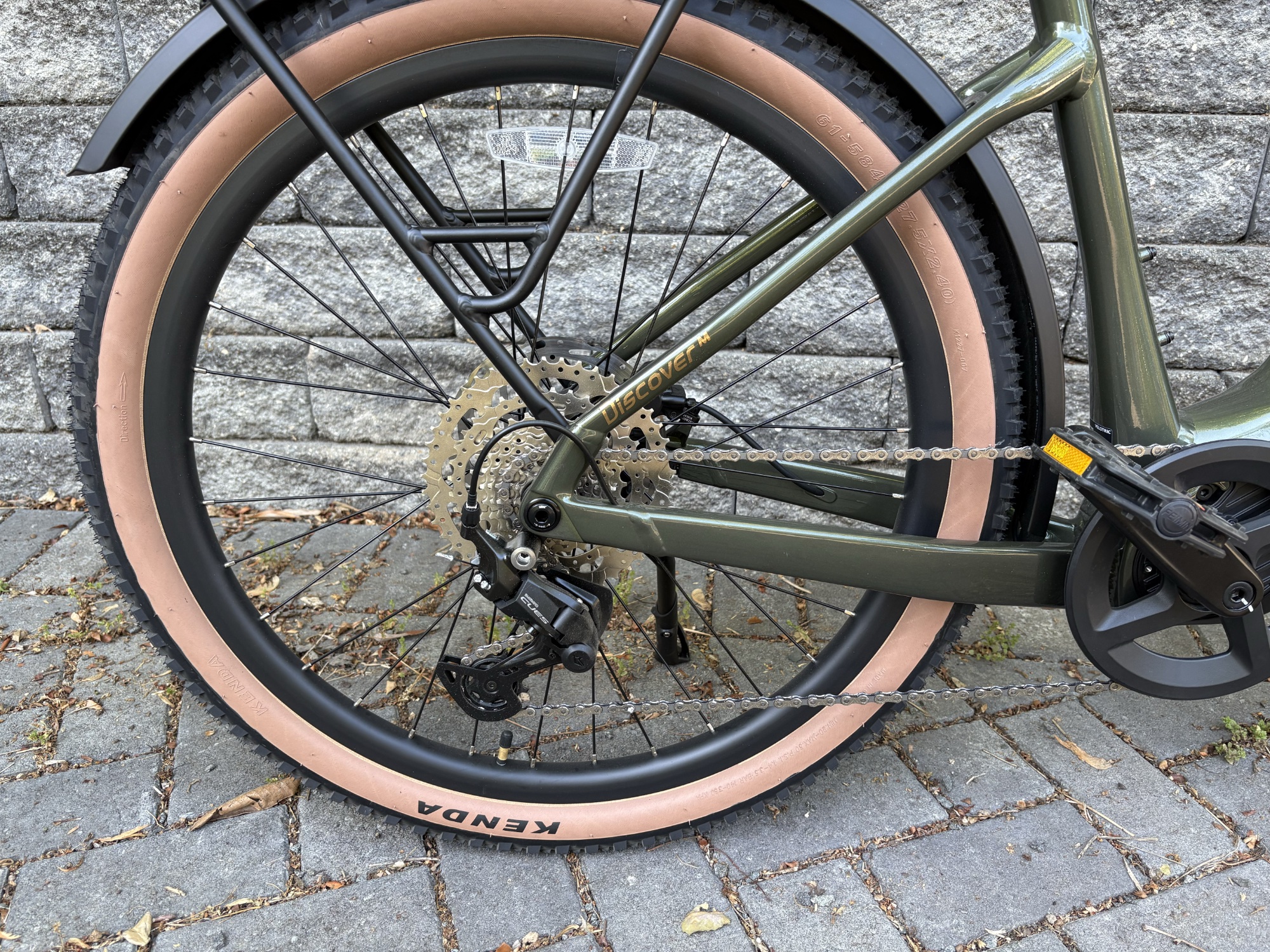
- Drivetrain: Shimano Cues 8-speed groupset, designed for durability and smooth shifting under the high-torque demands of e-bikes.
- Safety Standards: Fully UL-listed (Underwriters Laboratories), ensuring the battery and electrical systems meet rigorous fire and electrical safety benchmarks.
- Regulatory Versatility: Software-defined Class 1, 2, and 3 capabilities, allowing riders to toggle between speed and throttle limits based on local laws.
- Comfort Geometry: A reinforced U-shaped step-through frame designed for an upright, ergonomic posture.
- Tech Integration: Apple "Find My" and Google "Find My Device" compatibility, along with a dedicated smartphone app for deep customization.
Chronology: The Evolution of Velotric and the Discover Line
To understand the significance of the Discover 3, one must look at the trajectory of Velotric as a brand. Founded by hardware veterans with experience at major tech and micro-mobility firms, the company entered the market with a "no-gimmicks" approach.
2022: The Launch of Discover 1
The original Discover 1 was a "disruptor" in the budget space. It was a hub-motor bike that prioritized reliability over flashiness. While it relied on lower-end Shimano components (standard for the sub-$1,500 price bracket), it established Velotric’s reputation for solid frame geometry and dependable battery life.
2023: Market Expansion and Feedback Loops
Throughout 2023, Velotric aggressively expanded its footprint, moving beyond direct-to-consumer sales to establish a network of local dealers across the United States. This move was critical; it provided a service infrastructure that many of its competitors lacked. Feedback from these dealers and early adopters highlighted a demand for a "premium-feeling" bike that didn’t break the $3,000 barrier.
2024-2025: The Development of the Discover 3
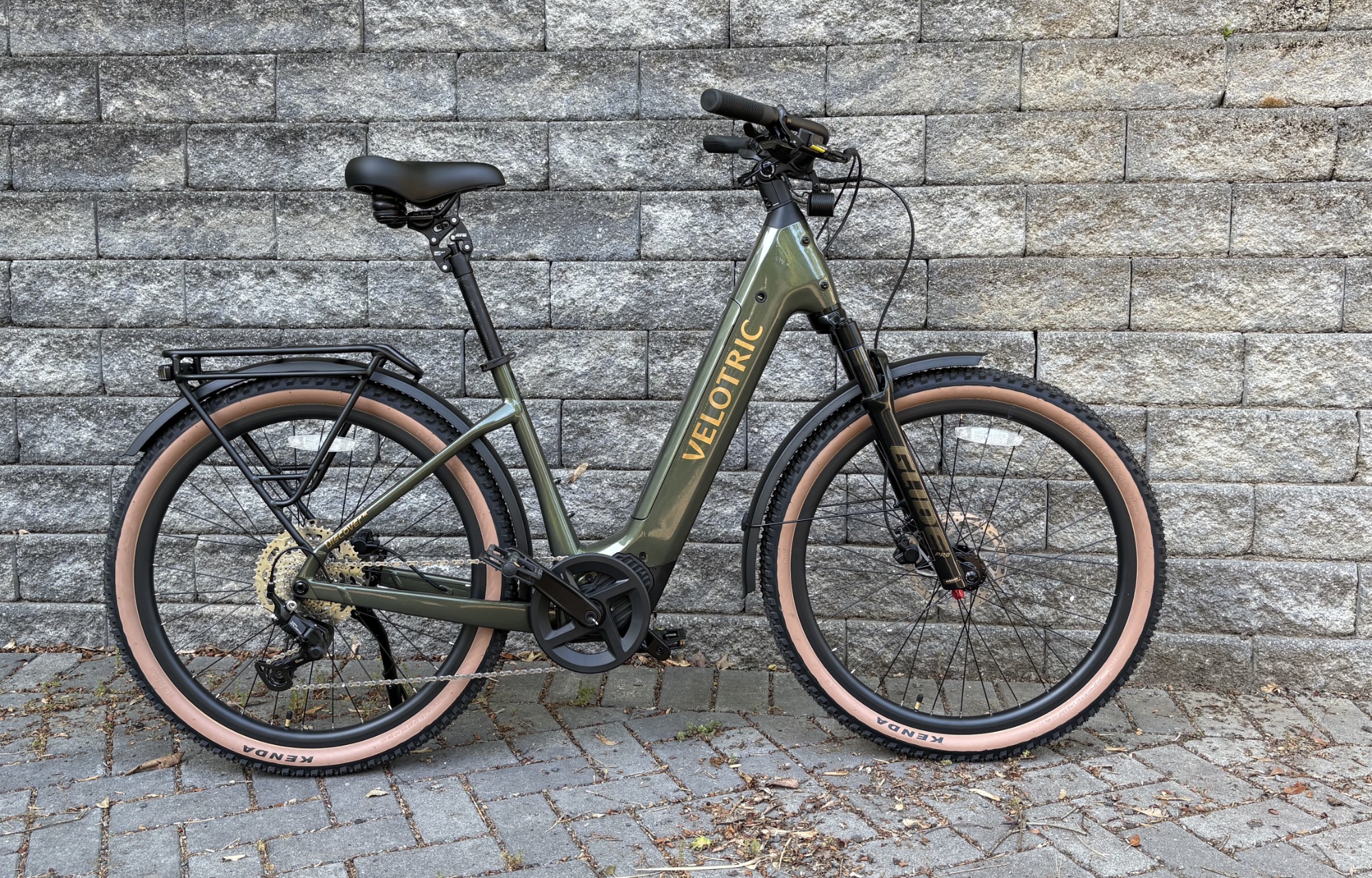
The development of the Discover 3 coincided with two major industry shifts: the tightening of UL safety regulations in cities like New York and Shimano’s release of the "Cues" ecosystem. Velotric spent this period moving "upmarket," ditching the hub motor for a mid-drive unit and overhauling the software interface to provide the most customizable experience in its class.
Supporting Data: Performance Under Pressure
The Discover 3’s performance is anchored by the synergy between its torque sensor and the Shimano Cues drivetrain. In traditional budget e-bikes, a cadence sensor acts as a simple "on/off" switch—once the pedals move, the motor kicks in. The Discover 3’s torque sensor, however, measures the actual force the rider applies to the pedals. This creates a "bionic" sensation where the motor amplifies the rider’s effort rather than replacing it.
Range and Efficiency
In real-world testing, the Discover 3 delivers on its promise of a 60–80 mile (approx. 100–130 km) range. This is achieved through a high-capacity battery that is integrated into the downtube for a clean aesthetic. When using the torque sensor in a mid-assist setting, the motor operates at peak efficiency, minimizing "phantom" battery drain.
The Shimano Cues Advantage
One of the most praised aspects of the Discover 3 is the inclusion of Shimano Cues. For years, the lower end of the e-bike market was plagued by "component soup"—a mix of Alivio, Altus, and Acera parts that were never intended to work together or handle the high torque of electric motors.
Shimano Cues rationalizes this by using a standardized tooth profile and chain width across its range. On the Discover 3, this translates to:
- Increased Longevity: The drivetrain is built to last three times longer than previous budget iterations.
- Smoother Shifting: Even under load (such as climbing a hill with motor assist), the Cues system reduces "chain crunch."
- Serviceability: Because Cues parts are interoperable, local bike shops can easily source replacements.
Ride Quality and Ergonomics
The bike features a "step-through" U-frame, which, despite the lack of a top tube, remains remarkably rigid. To combat the vibrations of urban asphalt, Velotric included adjustable front suspension and a shock-absorbing seatpost. Coupled with 2.4-inch wide "beefy" tires, the bike maintains stability even on poorly maintained roads.
Official Responses: Positioning and Regulatory Philosophy
Velotric has been vocal about its desire to lead the industry in safety and regulatory compliance. As e-bike battery fires became a headline concern in 2023 and 2024, Velotric was among the first "affordable" brands to pursue full UL certification for its entire power system.
"Our goal wasn’t just to make a faster bike, but a smarter one," a company representative noted during a recent product showcase. This "smart" approach is most evident in how the bike handles the complex patchwork of US e-bike laws.
In the United States, e-bikes are categorized into three classes:
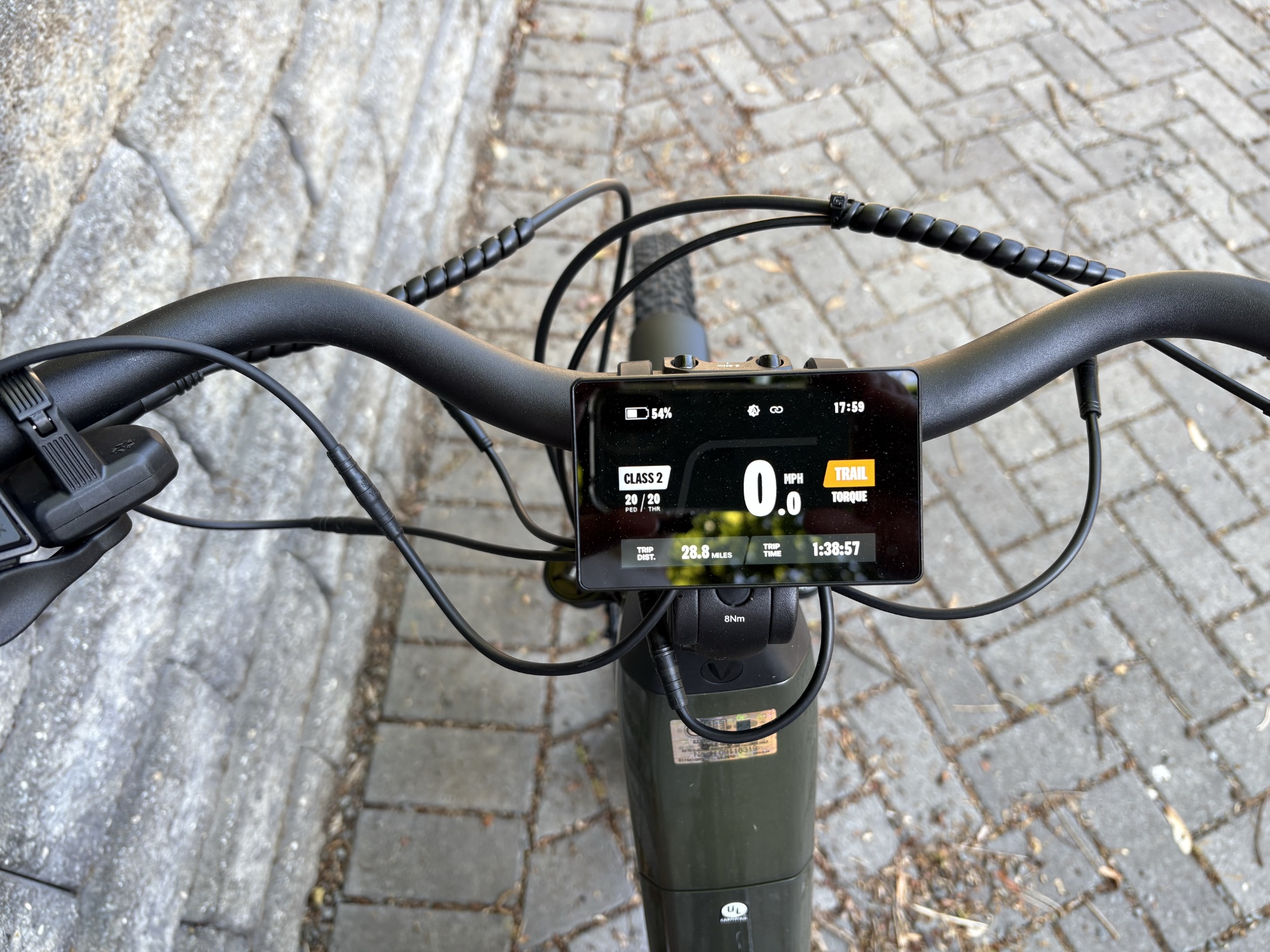
- Class 1: Pedal-assist only, up to 20 mph.
- Class 2: Throttle-assist allowed, up to 20 mph.
- Class 3: Pedal-assist only, up to 28 mph.
Many manufacturers skirt these rules by shipping bikes that are "technically" Class 2 but can be unlocked to Class 3 speeds while keeping the throttle active—a legal grey area. Velotric’s official response was to build a strict software toggle. If a rider selects Class 3 (28 mph), the throttle is automatically disabled to remain in strict compliance with the law. This attention to detail protects the consumer from potential legal liability and ensures the bike remains welcome on shared-use paths.
Implications: A New Standard for the "Commuter Class"
The success of the Velotric Discover 3 has significant implications for both the bicycle industry and urban planning.
For the Industry
The Discover 3 proves that mid-drive motors and high-quality drivetrains are no longer exclusive to the $4,000+ price bracket. By verticalizing their motor production (custom-built under contract) and adopting Shimano’s Cues early, Velotric has put immense pressure on "legacy" brands like Trek and Specialized to justify their higher premiums on entry-level commuter models. We are likely to see a "feature war" in the $2,000 range, benefiting consumers through better tech and higher safety standards.

For the Consumer
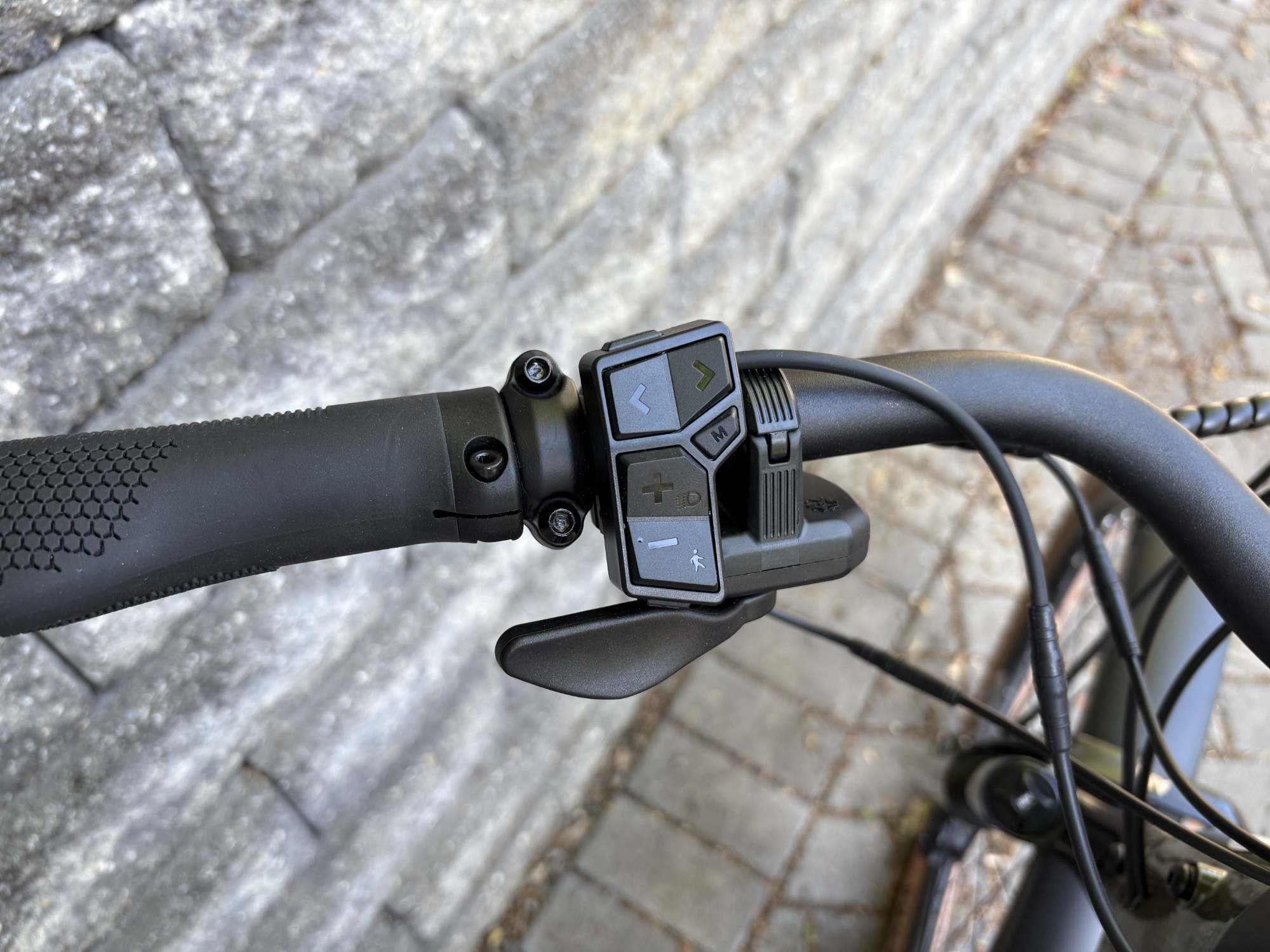
The "barrier to entry" for car-replacement commuting is lowering. A bike that can travel 70 miles on a charge, requires minimal maintenance due to robust components, and can be tracked via a smartphone provides a level of utility that makes the "car-free" lifestyle viable for a broader demographic. The inclusion of integrated turn signals and Apple "Find My" integration addresses the two biggest fears of urban cyclists: safety in traffic and theft.
The Verdict
The Velotric Discover 3 is a rare example of a product that listens to its market. It acknowledges that a commuter bike doesn’t need to be a mountain-climbing beast or a featherweight racer; it needs to be a reliable, comfortable, and safe tool. While the $2,000 price point is a step up from the "budget" category, the lack of compromises in the Discover 3 makes it a significantly better value in the long run.
By balancing sophisticated tech like torque sensors and GPS tracking with "old-school" reliability from Shimano, Velotric has created what may arguably be the most complete commuter package currently available on the market. For the person looking to trade their car keys for a helmet, the Discover 3 makes a compelling case that the future of commuting is not just electric—it’s accessible.




Leave a Comment