
The Novella’s Resurgence: From Publishing Anomaly to Indie Phenomenon, Championed by SFINCS
Main Facts
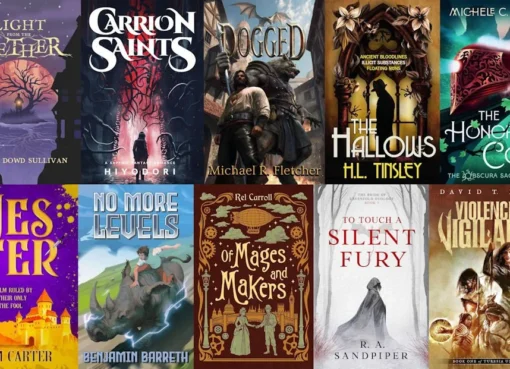
For decades, the novella has occupied a peculiar and often overlooked niche within the literary world, too substantial for a short story collection but too concise for a full-length novel. However, a seismic shift in the publishing landscape, spearheaded by independent authors and innovative platforms, has propelled this once-marginalized format into a vibrant spotlight. At the forefront of this resurgence is the Speculative Fiction Indie Novella ChampionShip (SFINCS), a dynamic competition born from grassroots enthusiasm that mirrors the success of its sister contest, the Self-Published Fantasy Blog-Off (SPFBO).
This article delves into the transformative journey of the novella, exploring its historical struggles, its definitional complexities, and its current triumph, particularly within the burgeoning independent publishing sphere. Through the lens of a veteran indie contest participant-turned-judge, we witness the crucial role SFINCS plays in identifying and celebrating exceptional short-form speculative fiction. The competition recently crowned its third champion, Jessica A. McMinn’s noir gaslamp fantasy, Parasitic Omens, a testament to the diverse and high-quality narratives flourishing in this once-underappreciated length. The author, having recently served as a judge for SFINCS, offers a unique perspective on the power and potential of the novella, highlighting its growing significance for both creators and readers in an evolving literary ecosystem.
Chronology
The Historical Predicament of the Novella
The novella’s journey through literary history has been marked by an enduring struggle for identity and market viability. While literary giants from Henry James to Ernest Hemingway famously embraced the form, its place in commercial publishing remained perpetually awkward. In the pre-e-publishing era, a novella was often caught in a publishing no-man’s-land. It was typically too long to be accepted by most literary magazines, which favored shorter stories for their limited page real estate and quicker consumption. Conversely, it was considered too short by traditional book publishers, who sought the higher profit margins and perceived market appeal of full-length novels. The economics of print production—typesetting, printing, binding, distribution—made publishing a slim volume less financially attractive than a hefty tome.
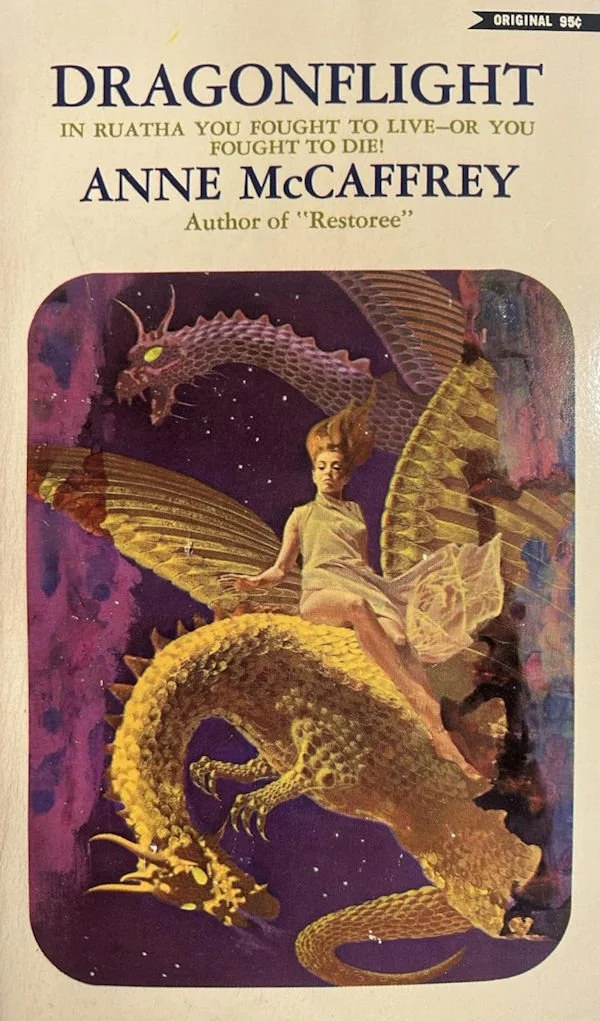
Aspiring writers throughout the late 20th and early 21st centuries were routinely advised to focus their efforts on either short stories, aiming for magazine publication, or fully developed novels, targeting major publishing houses. Novellas, if they were published at all, were largely reserved for established authors whose names alone could drive sales, or as part of anthologies where their length could be absorbed. Even with the establishment of the Hugo Award for Best Novella in 1968, a prestigious recognition of excellence in the science fiction and fantasy genre, the format continued to struggle for widespread commercial acceptance. This award, honoring works between 17,500 and 40,000 words, validated the artistic merit of novellas but did little to resolve their commercial quandary within the traditional publishing model. Iconic early winners like Anne McCaffrey’s Dragonflight (1968) showcased the form’s potential, yet its path to market remained arduous for most.
The Digital Dawn and Early Shifts
The advent of digital publishing began to chip away at these long-standing barriers. E-books and print-on-demand services fundamentally altered the economics of publishing, significantly reducing the overhead associated with production and distribution. Suddenly, the physical length of a manuscript became less of a dictating factor in its commercial viability.
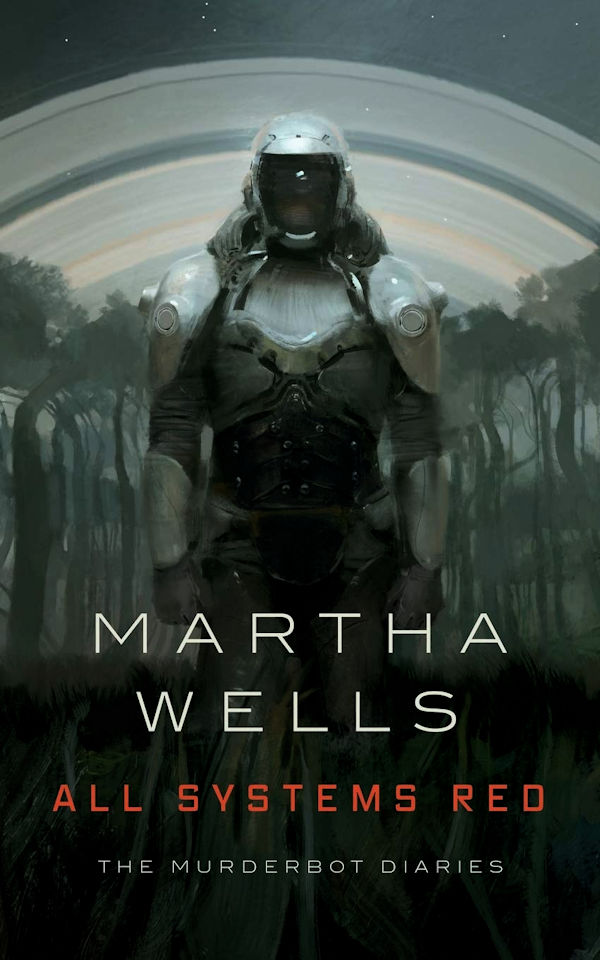
A pivotal moment in the novella’s modern resurgence came with the establishment of Tor.com as a pioneering platform. Launched in 2008 as a website dedicated to speculative fiction, Tor.com quickly began publishing shorter fiction, including novellas, online. Recognizing the growing appetite for high-quality, digestible narratives, Tor.com took a bold step in 2015 by launching its dedicated publishing imprint. This move was revolutionary, as it explicitly aimed to publish novellas as standalone physical and digital books, giving them the same marketing and distribution muscle typically reserved for novels. Tor.com’s strategy proved incredibly successful, demonstrating a robust market for the format. Their impressive catalog includes critically acclaimed and commercially triumphant series such as Martha Wells’s The Murderbot Diaries, Seanan McGuire’s Wayward Children, Nghi Vo’s The Singing Hills Cycle, and Nnedi Okorafor’s Binti. These works not only garnered numerous awards but also cultivated a loyal readership eager for compelling stories that could be consumed in a single, satisfying sitting.
The Indie Revolution and SFINCS’s Genesis
While Tor.com was validating the novella in traditional spheres, a parallel and even more expansive movement was brewing in the independent publishing community. Indie authors, unburdened by the financial and logistical constraints of traditional publishers, discovered the immense versatility and appeal of the novella. Initially, many used novellas as powerful marketing tools – enticing bonuses for newsletter subscribers, prequels to series, or side stories that deepened world-building without disrupting the main narrative arc. However, this soon evolved, with indie novellas increasingly being released as standalone titles or as integral, numbered entries within longer series, often indicated by decimal points (e.g., Book 1.5).

The sheer freedom of indie publishing allowed authors to experiment with length, genre, and subject matter without needing to conform to commercial expectations. Novellas became the perfect vehicle for exploring "extra" narratives, blending genres in unconventional ways, tackling "too weird" or super-niche concepts, or simply telling a story that naturally concluded at an in-between length. Many authors, including the judge-author of the original article, found novellas indispensable for character development, world-building exercises, or simply giving a particular idea the space it required without stretching it artificially into a novel.
The genesis of SFINCS itself is a powerful testament to this indie spirit. In 2023, a casual conversation on Twitter erupted among indie authors and reviewers, all lamenting the absence of a dedicated platform like SPFBO for novellas. The collective frustration and shared passion quickly coalesced into action. As is often the case in the tight-knit indie fantasy community, the transition from online discussion to grassroots initiative was swift and decisive. SFINCS (Speculative Fiction Indie Novella ChampionShip, pronounced "sphinx") was born, providing a much-needed stage for these innovative works. In just three years since its inception, SFINCS has processed and reviewed an astonishing 300 indie and independent small press novellas, showcasing the incredible breadth and depth of talent within this flourishing segment of the literary market. This remarkable volume underscores that the indie novella scene is not merely a niche but a significant, dynamic force shaping the future of speculative fiction.
Supporting Data
Defining the Novella: A Word Count Conundrum
At the heart of distinguishing a novella from its literary siblings lies the often-obsessive world of word counts. While seemingly arbitrary, word count provides an objective metric for length, unlike page count, which can be easily manipulated by formatting choices such as trim size, font, and margins. For authors and publishers, adherence to these guidelines is crucial for categorization and marketing.
Wikipedia, drawing on various industry standards, provides a widely accepted framework for fiction lengths:
- Short Story: Typically under 7,500 words.
- Novelette: Ranging from 7,500 to 17,500 words.
- Novella: Generally between 17,500 and 40,000 words.
- Novel: Exceeding 40,000 words.
However, these definitions are not rigid and are subject to significant "gray areas." The publishing landscape itself is constantly evolving. In earlier eras, the lower limit for a novel was often considered to be around 60,000 words, meaning a work of 45,000 words, which would be a novel today, might have been classified as a long novella or a short novel then. This historical shift means that what was once a novella could now technically qualify as a short novel, highlighting the fluidity of these classifications.
Moreover, genre plays a crucial role in reader perception. A 40,000-word epic fantasy, for instance, often feels much shorter to readers accustomed to the sprawling narratives typical of the genre, sometimes even being colloquially referred to as a novella despite technically being a novel. Conversely, a literary fiction piece of similar length might feel substantial. Most readers, ultimately, are less concerned with the precise word count (e.g., whether a story is 17,005 words and thus a novelette) and more with the narrative experience. They will often refer to a novella as simply "a book," much like they would a 200,000-word epic. The judge-author’s experience with SFINCS novellas, which typically ran between 90 and 200 pages on a tablet and were often available in physical editions, further underscores this point: the reading experience and accessibility transcend the strict technical definition.
Impact of Key Publishers and Series
The growing visibility and commercial success of novellas cannot be overstated, and much of this is attributable to the strategic efforts of entities like Tor.com and the sheer output of independent authors.
Tor.com’s commitment to the novella has profoundly influenced its perception within traditional publishing. By investing in these shorter works, marketing them robustly, and ensuring wide distribution, Tor.com demonstrated that novellas could be both critically acclaimed and commercially viable. Their list of published novellas reads like a "who’s who" of contemporary speculative fiction, featuring multiple award-winners and bestsellers. The Murderbot Diaries by Martha Wells, for example, has garnered numerous accolades, including Nebula, Hugo, and Locus Awards, proving that a shorter format can deliver complex characters and compelling plots without needing a novel’s length. Seanan McGuire’s Wayward Children series offers portal fantasy with intricate world-building and profound emotional depth, all within the novella structure. Nghi Vo’s The Singing Hills Cycle weaves lyrical prose and mythic storytelling into beautifully crafted narratives, while Nnedi Okorafor’s Binti series explores themes of identity, alien encounter, and cultural collision with remarkable power and conciseness. These works, among many others, have not only captivated readers but also served as a powerful validation of the novella’s artistic and commercial potential. They demonstrate that the format is not merely a truncated novel but a distinct narrative form capable of achieving immense impact.
Beyond traditional avenues, the independent publishing landscape has become a hotbed for novella creation. The statistic that SFINCS has evaluated 300 indie and small press novellas in just three years is a powerful indicator of this flourishing ecosystem. This volume suggests that for indie authors, the novella is not just an experimental venture but a mainstream component of their publishing strategy. This high output also points to a growing readership actively seeking out these shorter, often more focused, stories. The freedom afforded by indie publishing allows for rapid iteration, niche exploration, and direct connection with readers, making the novella an ideal vehicle for creative expression and market responsiveness.
Official Responses
Industry Acknowledgment and Validation
While "official responses" in the journalistic sense often refer to governmental or corporate statements, within the context of the publishing industry and literary forms, "official responses" can be interpreted as strategic decisions, awards, and community-led initiatives that collectively validate a particular format. The novella, once largely ignored, has seen significant and diverse forms of official acknowledgment in recent years.
The most long-standing "official response" to the novella’s artistic merit is the Hugo Award for Best Novella, established in 1968. This prestigious award, voted on by members of the World Science Fiction Society, has consistently recognized excellence in the form for over half a century. Its very existence, separate from short story and novel categories, underscores the literary community’s enduring belief that the novella is a distinct and valuable narrative length deserving of its own accolades. The continued celebration of novella winners year after year reinforces its artistic legitimacy.
More recently, Tor.com’s decision to launch a dedicated novella imprint in 2015 serves as a crucial commercial "official response." This was not merely an artistic endorsement but a calculated business strategy by a major publisher. By investing significant resources in acquiring, editing, marketing, and distributing novellas as standalone books, Tor.com effectively declared that these works have market value and can generate profit. Their sustained success with novella series like The Murderbot Diaries and Wayward Children has provided irrefutable proof that a substantial readership exists for the format, challenging long-held industry assumptions about the non-viability of shorter works. This move by Tor.com sent a clear signal across the industry that novellas are a legitimate and profitable segment of the market.
Finally, the very creation and rapid growth of SFINCS itself represent an "official response" from the independent speculative fiction community. Born from a collective lament on social media, SFINCS embodies a grassroots acknowledgment of the novella’s importance to indie authors and readers. Its mission, as stated on its website, is to "celebrate and promote the best self-published and independent small press speculative fiction novellas," providing a much-needed platform for critical evaluation and visibility. The tireless work of its organizers and judges, including the author of the original article, signifies a community-driven commitment to elevating the novella form. This initiative fills a critical void, offering authors an avenue for recognition and readers a curated list of high-quality works they might otherwise miss. It’s an "official response" that says, "These stories matter, and they deserve their own champion." While not a corporate or governmental decree, the collective action and sustained effort behind SFINCS carry significant weight within the indie publishing ecosystem, validating the novella’s place as an integral and celebrated part of speculative fiction.
Implications
The Novella’s Enduring Appeal and Future
The resurgence of the novella carries profound implications for authors, readers, and the publishing industry as a whole. In an age characterized by dwindling attention spans and information overload, the novella offers a compelling solution: a satisfying, complete narrative experience that respects the reader’s time. Many novellas can be consumed in a single sitting, making them perfect companions for commutes, lunch breaks, or for readers who find themselves behind on personal reading challenges like those on Goodreads. This accessibility broadens the appeal of reading and lowers the barrier to entry for new readers or those hesitant to commit to a lengthy novel.
For authors, the novella represents unparalleled creative freedom. It’s a canvas for experimentation, allowing them to explore complex ideas, intricate world-building, or nuanced character arcs without the pressure to pad a story to novel length. This freedom facilitates genre blending, the exploration of niche concepts, or the development of "extra" stories that enrich a series without derailing its main plot. The ability to publish these works independently means that authors can bypass traditional gatekeepers who might deem a story "too weird" or "in-between" for their lists. This fosters a more diverse and innovative literary landscape.
Economically, the implications are also significant, particularly in the digital realm where production costs are minimal regardless of length. While the cost of physical publishing may be rising, novellas still represent a more manageable investment for smaller presses or individual authors looking to offer print editions. For readers, novellas often come at a more accessible price point, encouraging discovery of new authors and series.
Competitions like SFINCS are integral to this evolving landscape. They don’t just crown champions; they act as powerful curators, elevating quality, providing invaluable visibility to deserving authors, and fostering a sense of community around the novella form. By showcasing the best of indie and small press novellas, SFINCS helps readers navigate the vast sea of self-published works, ensuring that exceptional stories find their audience. The contest effectively normalizes the novella as an integral part of longer series and a powerful standalone narrative, cementing its place in the modern publishing world.
A Call to Explore and Engage
The journey of the novella, from its historical marginalization to its current prominence, is a testament to the adaptability of literature and the innovative spirit of the independent publishing community. As the cost of physical publishing continues to fluctuate and reader attention spans shift, the novella is not merely surviving but thriving, carving out its well-deserved space in the literary spotlight.
For both seasoned novella enthusiasts and those new to the format, the SFINCS roster is an invaluable resource for discovering high-quality speculative fiction. Exploring the competition’s past finalists and champions, such as Jessica A. McMinn’s Parasitic Omens, offers a direct pathway to some of the most exciting and inventive stories being told today.
If you’re looking for a compelling narrative that fits into a busy schedule, or a fresh voice that defies traditional genre boundaries, give a novella a try. You’ll not only treat yourself to a fantastic story but also directly support the independent authors who are bravely pushing the boundaries of what literature can be.
Recommended Indie and Small Press SFF Novellas (from the judge’s personal list):
- Wicked is the Wind by David R. Slayton
- The Last Dragon of the North by Rebecca Crunden
- The Witch Collector by S. Harrison
- An Heir of Blood and Secrets by V.J. Valore
- Heart of Fire, Heart of Stone by M.L. Williams
- The Hand of the Trickster by M.L. Williams
- The Crimson Shadow by T.R. Cameron
- The Crimson Shadow: A Star-Touched Novella by T.R. Cameron
- Daughter of the Drowned Empire by Frankie Mallis
- Slayers of the Crimson Moon by K.J. Colt
- The Starlight Watchmaker by Lauren James
- The Serpent and the Shadow by Jessica S. Taylor
- The Beast of Ten by M.L. Williams
- A Spell for the Crown by Michelle Wilson
- The Last Stand of the Dragon Slayer by M.L. Williams
- The City of Dreams by M.L. Williams
- The Lord of Blood by M.L. Williams
- Of Fate and Furies by J.R. Potter
- The Thief of Legends by M.L. Williams
- A Song for the Dead by M.L. Williams
- The Demon King by M.L. Williams
- The Book of Lost Things by M.L. Williams
- The Shadow of the Serpent by M.L. Williams
- The Last King of Earth by M.L. Williams
- The Dragon’s Gift by M.L. Williams
- The Serpent’s Kiss by M.L. Williams
- The King’s Guard by M.L. Williams
- The Iron Daughter by M.L. Williams
- The Blood of the Dragon by M.L. Williams
- The Queen’s Assassin by M.L. Williams
- The Witch’s Familiar by M.L. Williams
What’s your favorite novella or novella series? And who do you think writes the best short form stories? Let us know in the comments!
Featured image by Lennart Heim.


Leave a Comment