
The Red and the White: Rediscovering the Forgotten Radicalism of ‘Son of Tomahawk’
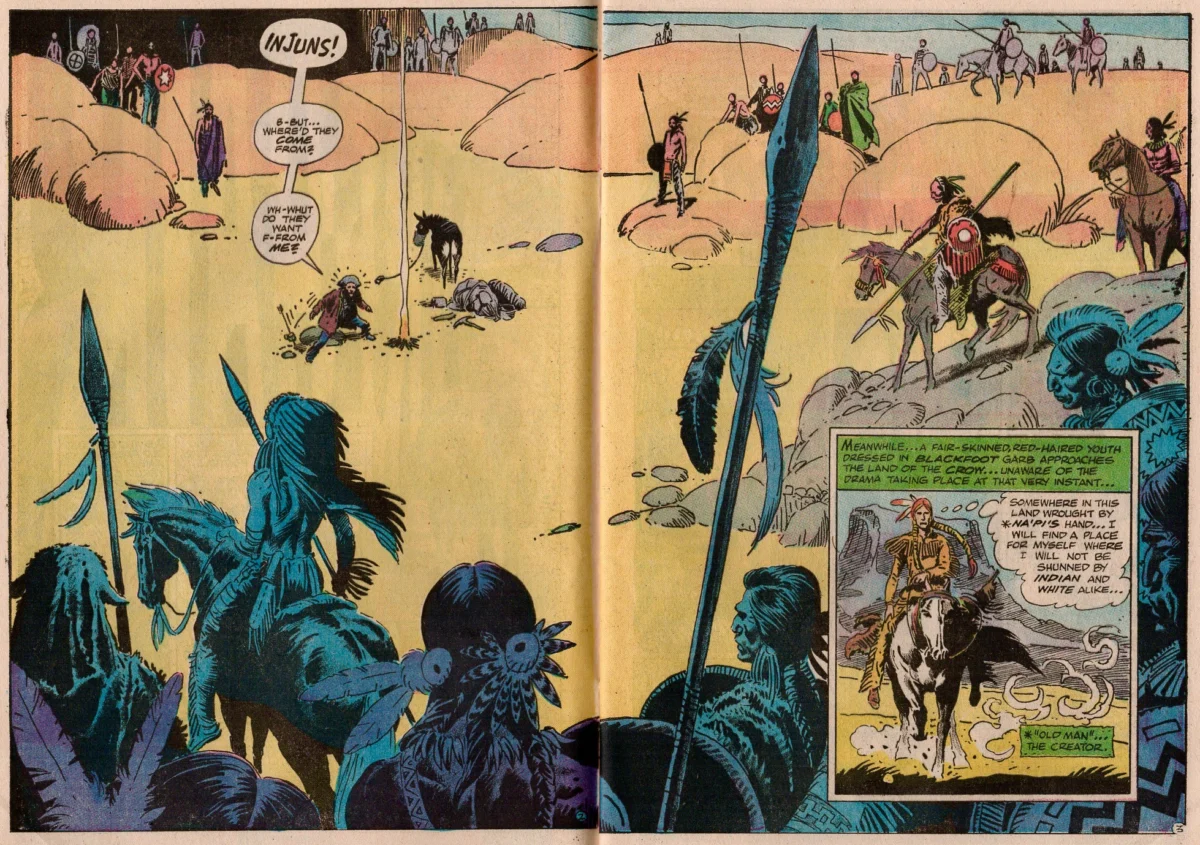
In the annals of American comic book history, few titles have undergone a transformation as radical or as overlooked as DC Comics’ Tomahawk. What began in the late 1940s as a standard, often regressive, frontier adventure strip was reborn in 1970 as Son of Tomahawk—a searing, atmospheric, and deeply subversive examination of American racism and the violent birth of a nation.
Long relegated to the dusty back-issue bins of history, the series has recently seen a resurgence in critical interest following its full reprinting in the anthology DC Finest Western: The Hangman Never Loses. This retrospective explores the main facts of the book’s creation, its place within the volatile social landscape of the 1970s, and its status as a masterpiece of the medium that challenged the myth of "Manifest Destiny" decades before the industry would embrace such nuance.
Main Facts: A Frontier Reimagined
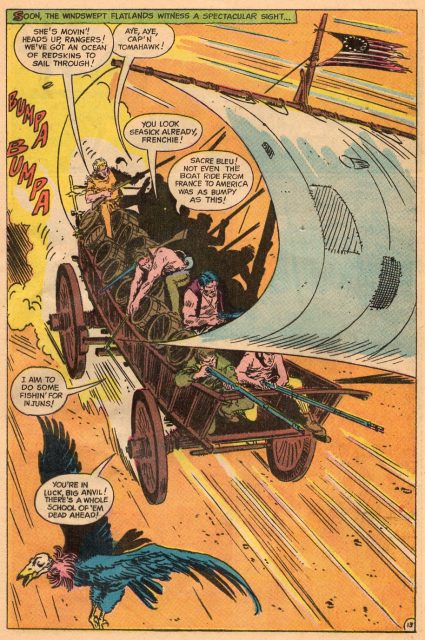
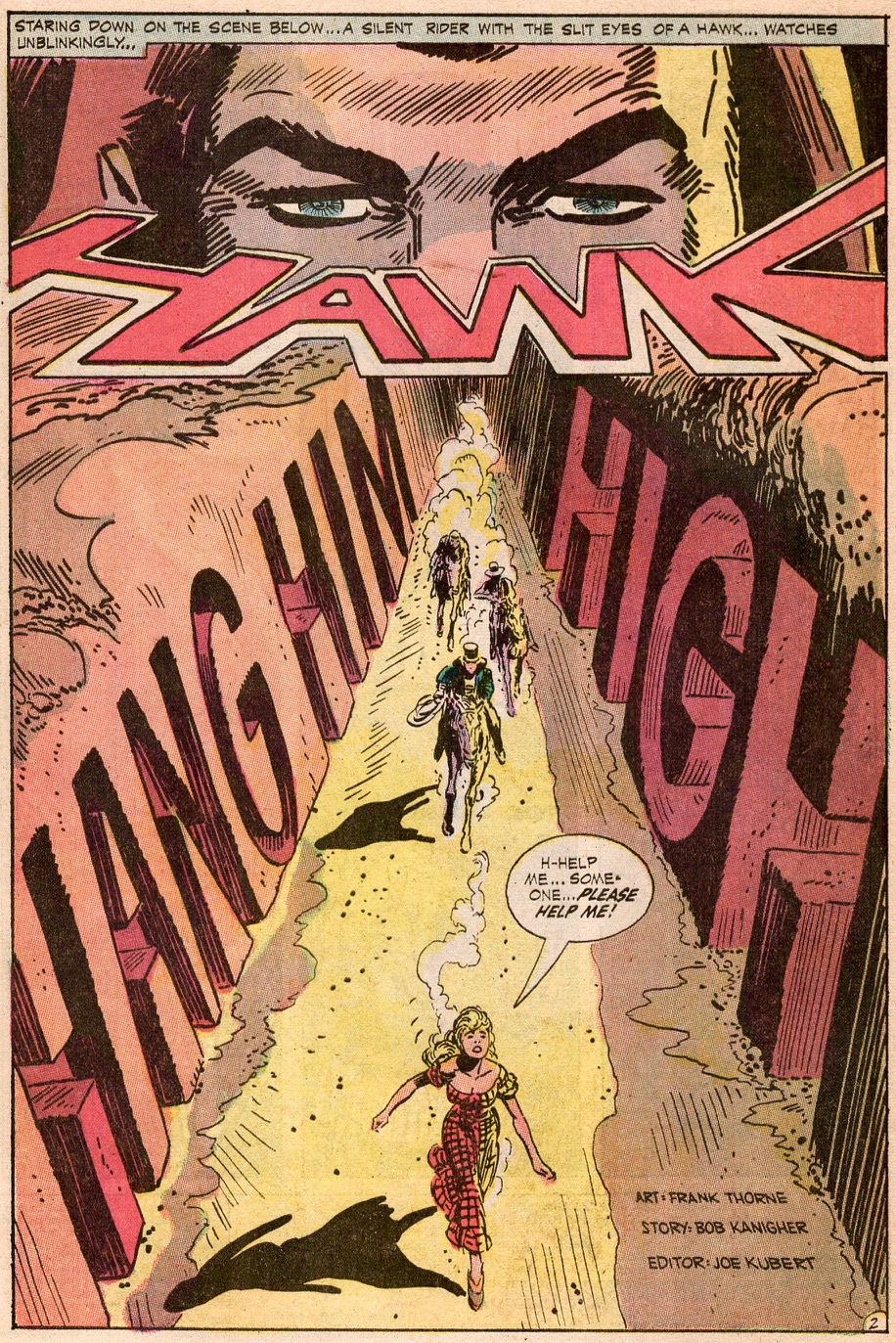
Son of Tomahawk was not merely a sequel; it was a thematic demolition of its predecessor. The original Tomahawk featured Tom Haukins, a white Revolutionary War hero leading a band of "Rangers" against nameless, villainous Native American tribes. By issue #131, under the editorial guidance of Joe Kubert, the book shifted its focus to Tom’s biracial son, Hawk Haukins.
The series, which ran for only ten issues (#131–#140) between 1970 and 1972, was produced by a "creative triangle" of industry veterans: writer Bob Kanigher, artist Frank Thorne, and editor/artist Joe Kubert. Together, they moved the setting from the 1770s to the 1850s, replacing the simplistic "cowboys and Indians" tropes with a nuanced exploration of identity, systemic oppression, and the inevitable cycle of violence that defined the American West.
Key Elements of the Series:
- The Protagonist: Hawk Haukins, a biracial young man (half-white, half-Iroquois) struggling to find a place in a society that views his existence as a contradiction.
- The Setting: Echo Valley, a multi-racial homestead that serves as a fragile utopia in a landscape of rising racial tensions.
- The Tone: Grim, Shakespearean, and visually expressionistic, utilizing new coloring techniques to depict a West that felt both beautiful and blood-soaked.
Chronology: From Colonial Myth to Post-Civil Rights Reality
The evolution of Tomahawk into its "Son" was not an accident of editorial whim; it was a direct response to a changing America.
The Catalyst (April 1970)
The seeds of change were sown in a letter column in Tomahawk #127. A reader named Kenny Chambers asked a deceptively simple question: "Why are the Indians always the villains? Why don’t you show how cruelly we treated them?" The then-editor Murray Boltinoff offered a defensive, traditionalist reply, but the question lingered. It reflected a broader cultural shift. In 1969, the American Indian Movement (AIM) had occupied Alcatraz, and historian Dee Brown was preparing to publish Bury My Heart at Wounded Knee.
The Kubert Takeover (December 1970)
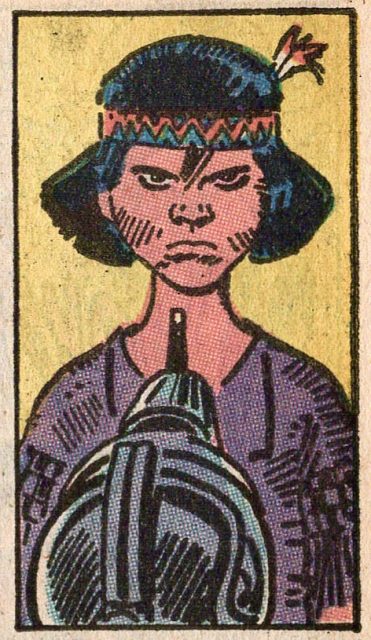
When Joe Kubert—a man fascinated by Native history and cultural exchange—took the editorial reins, he brought with him artist Frank Thorne and writer Bob Kanigher. Kubert had already experimented with these themes in his Firehair strip in Showcase. He recognized that the traditional Western was "old hat" and that the medium needed to engage with the reality of racial apartheid at the heart of American culture.
The Ten-Issue Run (1971–1972)
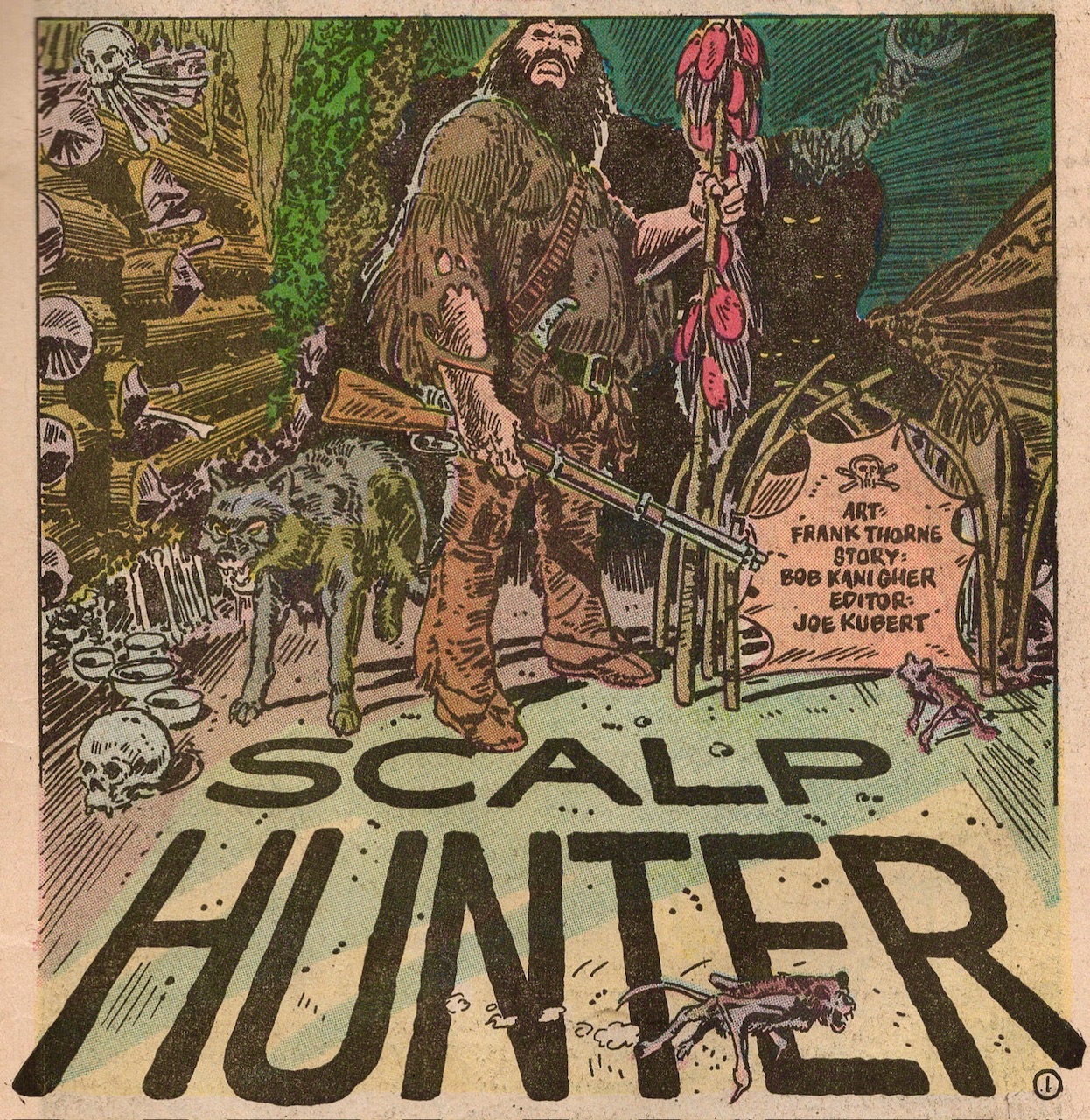
The series launched into a period of extreme industry volatility. While Kanigher wrote scripts that tackled slavery, scalp-hunting, and racial reconciliation, the industry was embroiled in a price war between DC and Marvel. Despite the high quality of the work, the book was canceled after issue #140, a victim of low sales and the lack of a subscription model to reach its niche audience.
Supporting Data: The Art and Ethics of the West
The brilliance of Son of Tomahawk lies in the synthesis of Frank Thorne’s evolving art style and Bob Kanigher’s abrasive, empathetic writing.
Visual Innovation
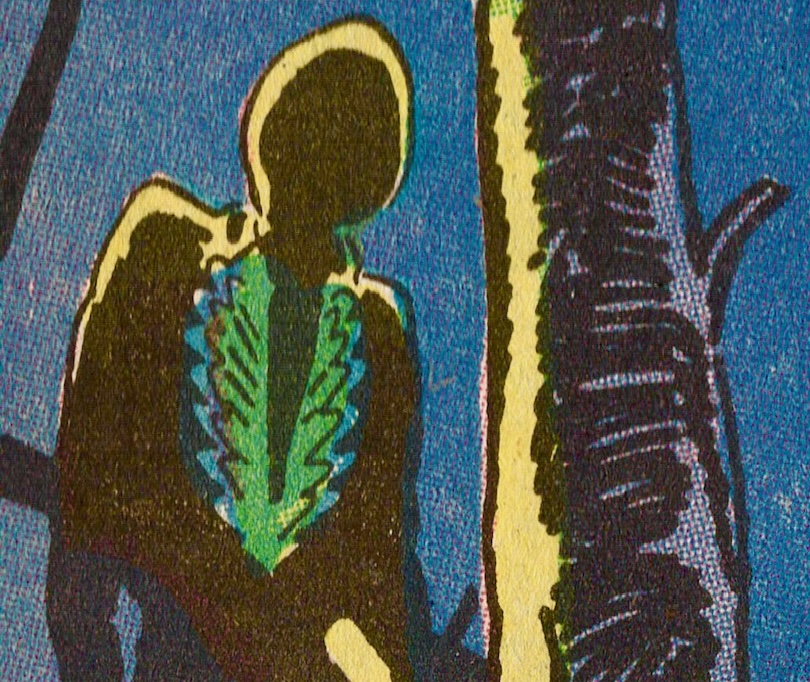
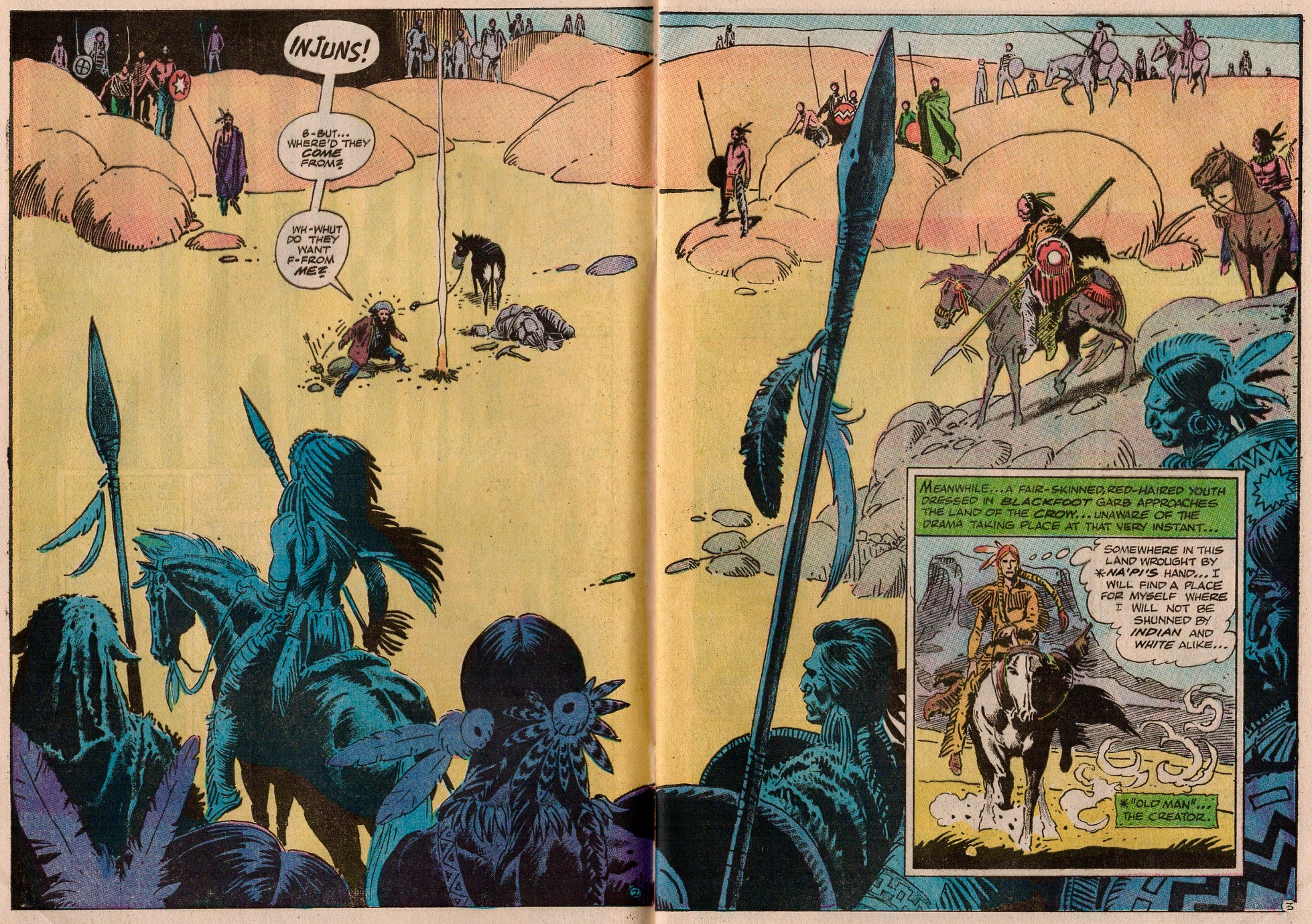
Frank Thorne, who would later find fame drawing Red Sonja, reached a creative peak during this run. Influenced by Kubert and Alex Toth, Thorne moved away from "clean" lines toward a more textured, ink-heavy expressionism.
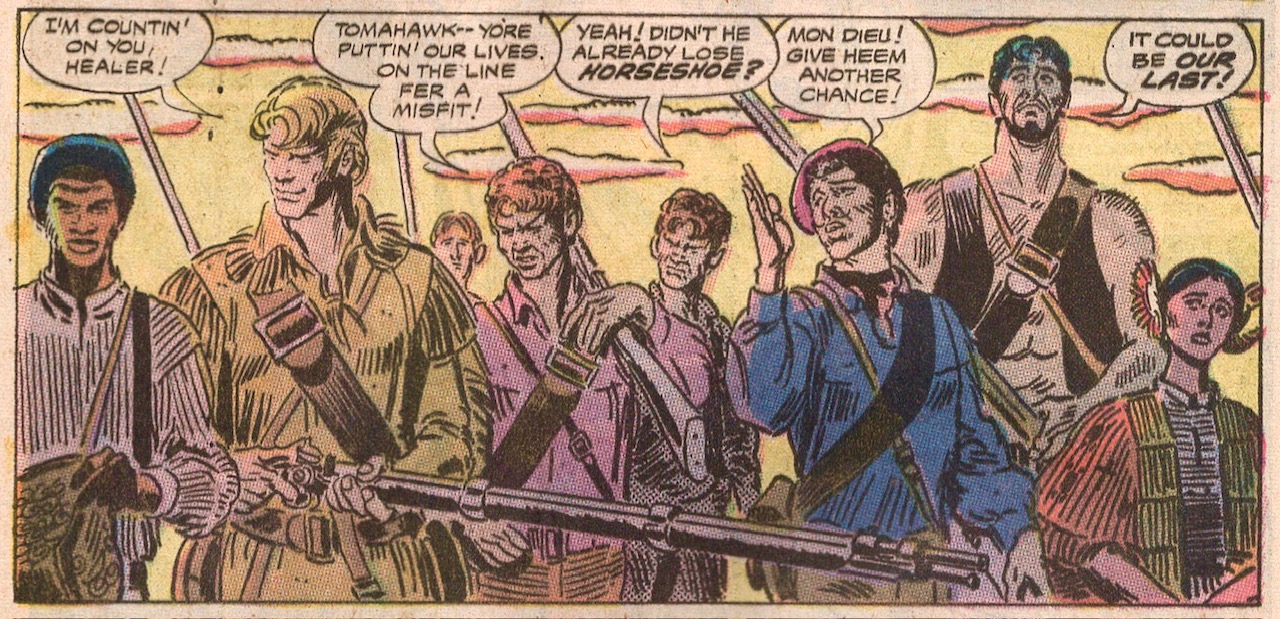
- Coloring: Using the newly discovered "tone yellow" mixing agent, the book featured a palette of dusty pinks, deep purples, and arid oranges. This allowed for cinematic sunrise sequences and atmospheric night scenes that were unprecedented in 1971.
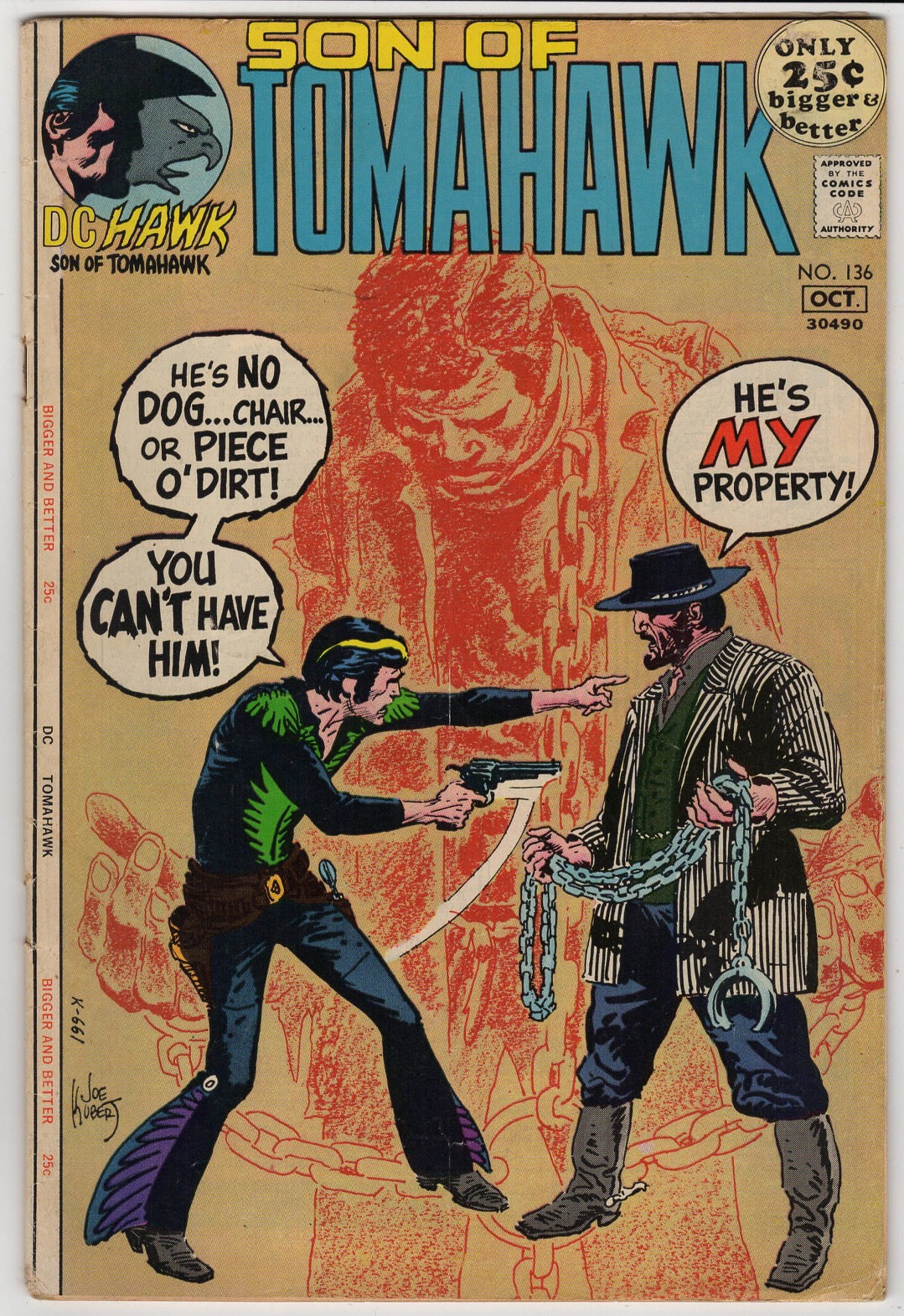
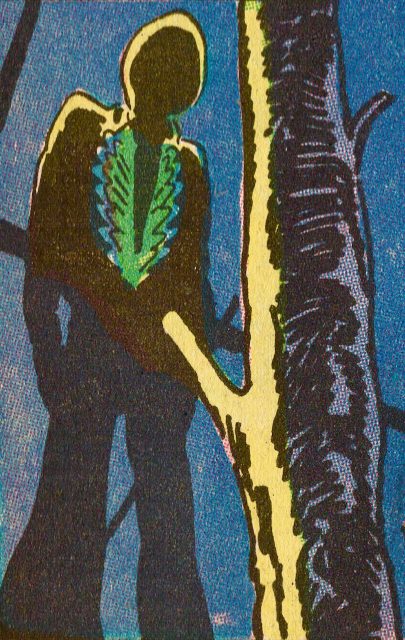
- Character Design: Hawk Haukins was designed with a "mod" sensibility—long hair with a blonde streak, bell-bottom chaps, and an eagle-motif tunic. He looked more like a 1970s rock star than a frontiersman, bridging the gap between the book’s 1850s setting and its 1970s readership.
Thematic Depth: "A Piece of Sky"
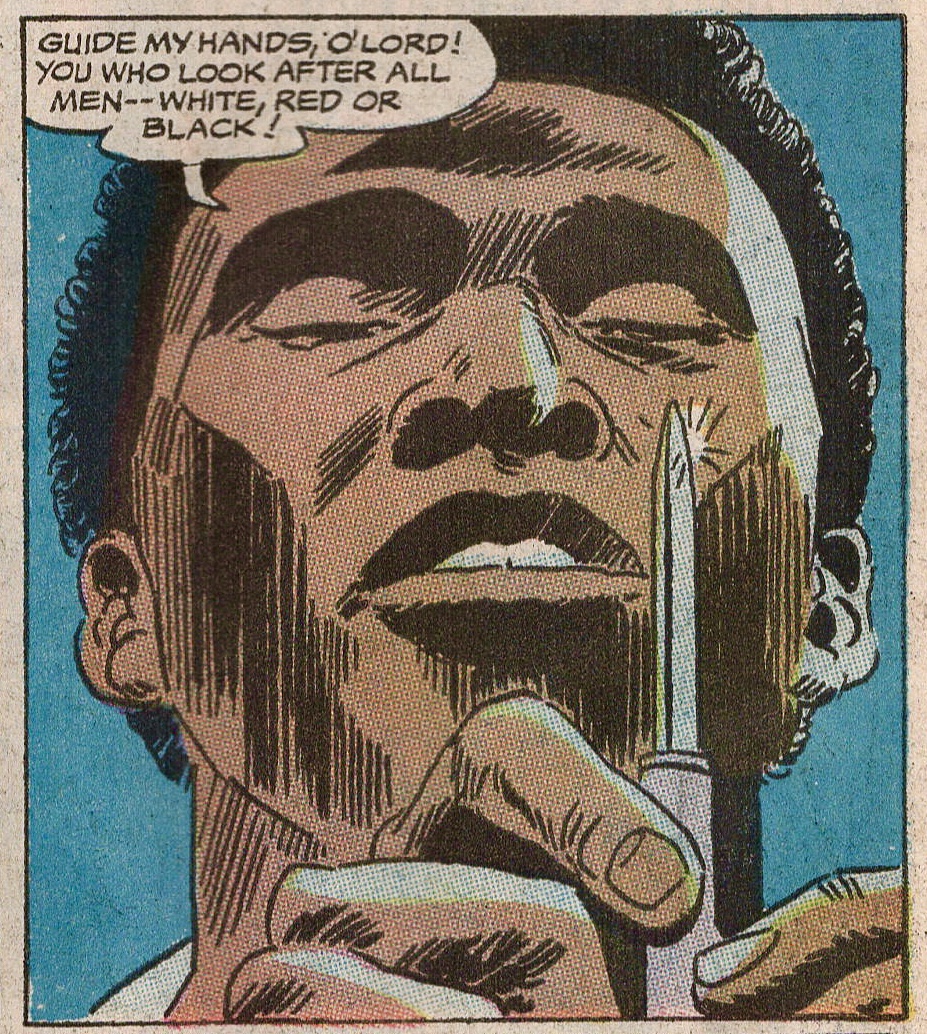
The series’ most significant entry is arguably issue #136, titled "A Piece of Sky." In this story, the Haukins family shelters a runaway slave named Jason and his pregnant wife, Mary.
- Subversion of the Patriarch: Tomahawk, the white hero of the Revolution, realizes the limitations of the nation he helped build. He offers Jason a piece of his own land, effectively abandoning the concept of white land ownership in favor of a collective, multi-racial community.
- The Tragic Reality: The story ends in violence, reinforcing Kanigher’s thesis that in 19th-century America, racial harmony was a target for destruction rather than a sustainable goal.
Official Responses and Industry Context
While contemporary reviews from the 1970s are scarce, the letter columns of the time provide a fascinating look at the "official" response from the readership and the creators.
The Reader Response
The "Smoke Talk" letter column revealed a divided audience. Older readers lamented the loss of the "Rangers" and the youthful, heroic Tomahawk. However, younger readers and college students praised the book’s "guts" in showing the "bitter hatred white men held toward the red man." Daniel Gheno, a frequent correspondent, noted that the book was finally treating Native characters as humans rather than "nobly savage" archetypes.
The Creator Perspective
In later interviews, Joe Kubert remained proud of the work, noting that he encouraged his readers to read Bury My Heart at Wounded Knee. Conversely, Bob Kanigher, known for his abrasive personality, often downplayed his role in the book’s specific direction, yet his scripts from this era show a marked increase in social consciousness. Frank Thorne viewed the book as a vital stepping stone, a place where he learned to master the "mystical" and atmospheric qualities of the page.
The 2026 Perspective
With DC Comics finally reprinting the series in full, modern editorial voices have characterized Son of Tomahawk as a "lost masterpiece." The decision to include it in the DC Finest line suggests a recognition that the book was decades ahead of its time in its portrayal of biracial identity and historical revisionism.
Implications: Why ‘Son of Tomahawk’ Matters Today
The legacy of Son of Tomahawk is not found in high sales figures or a long-running franchise, but in its moral and aesthetic courage. It represents a moment when the "Big Two" publishers allowed creators to use the Western genre as a mirror for the nation’s soul.
1. The Deconstruction of the Western Myth
The book implicitly argues that the American West was not won through "civilization," but through the systematic violent exclusion of non-white bodies. By centering a biracial protagonist, the series forces the reader to confront the fact that America’s history is one of "blood in and blood out."
2. The Birth of the "Graphic Novel" Sensibility
Before the term "graphic novel" was popularized in the 1980s by works like Watchmen or The Dark Knight Returns, Son of Tomahawk was utilizing sophisticated visual storytelling and mature themes. Its use of silent pages, expressionistic color, and non-linear anecdotes paved the way for the "prestige" format of later decades.
3. A Mirror for the Present
In an era of renewed focus on racial justice and the reassessment of historical monuments, Son of Tomahawk feels remarkably contemporary. Its depiction of a family trying to maintain a "peaceable kingdom" amidst a rising tide of white supremacy and systemic greed resonates with modern social dialogues.
Conclusion
Son of Tomahawk was a "shooting star" in the comic book firmament—brief, brilliant, and largely unobserved. It was the product of three men who had spent their lives in a commercial industry and decided, for a brief ten-month window, to tell a story that was true rather than just profitable.
As it emerges from the wilderness of forgotten archives, the series stands as a testament to the power of the medium. It proves that even within the confines of a "silly cowboy comic," there is room for rage, for passion, and for a searingly honest look at the American experiment. For those seeking the "treasure" of the medium’s history, Son of Tomahawk remains an essential, if haunting, map of where we have been and where we have yet to go.


Leave a Comment