The Chronicler of a Generation: Inside the Life and Legacy of Garry Trudeau
By [Your Name/Journalist Name]
Published June 30, 2026
For over half a century, the American experience has been reflected, refracted, and recorded through the four panels of a comic strip. Garry Trudeau’s Doonesbury is more than a staple of the funny pages; it is a sprawling, Dickensian document of the Baby Boomer generation, capturing its transit from campus radicalism to the heights of the establishment.
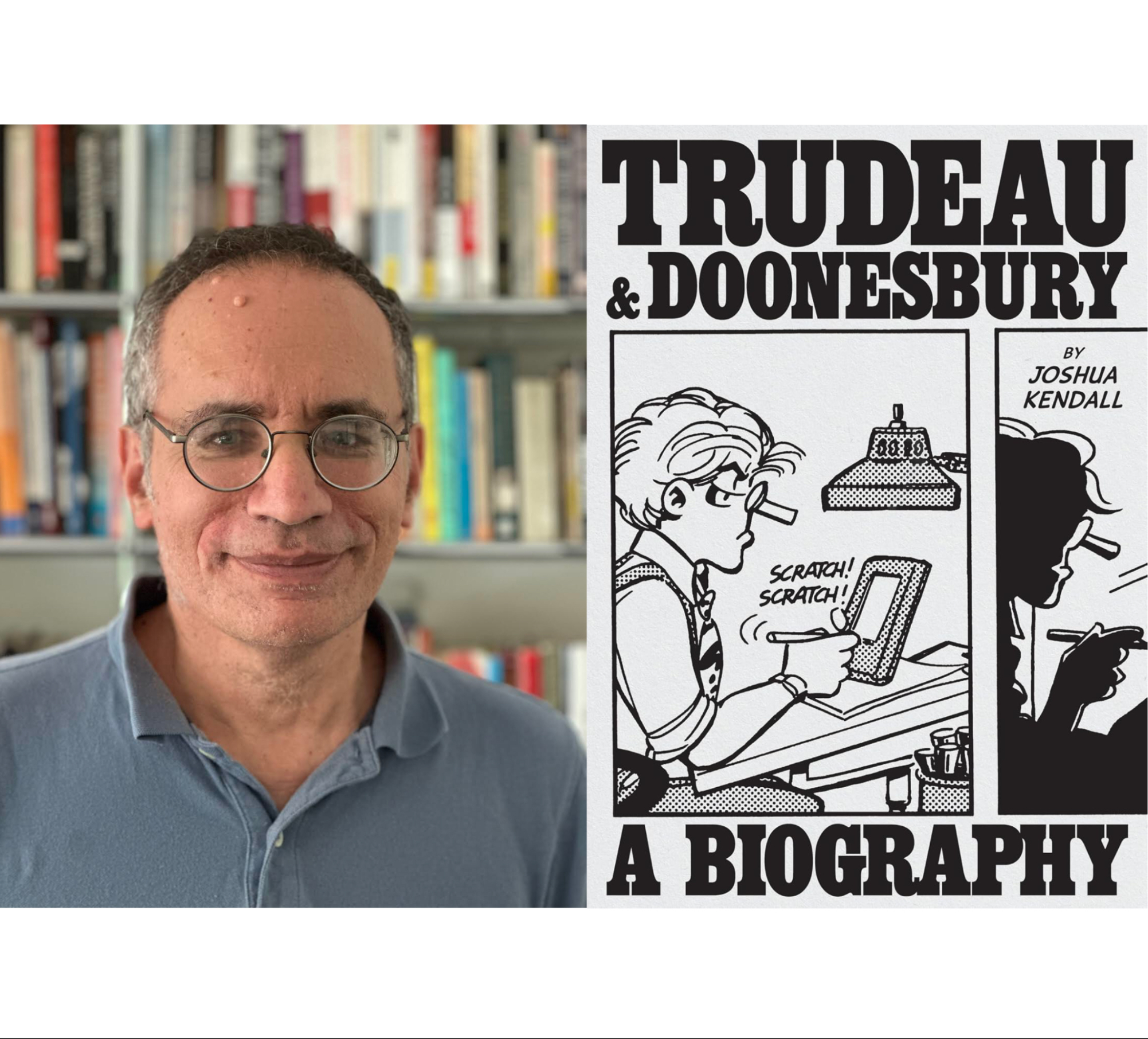
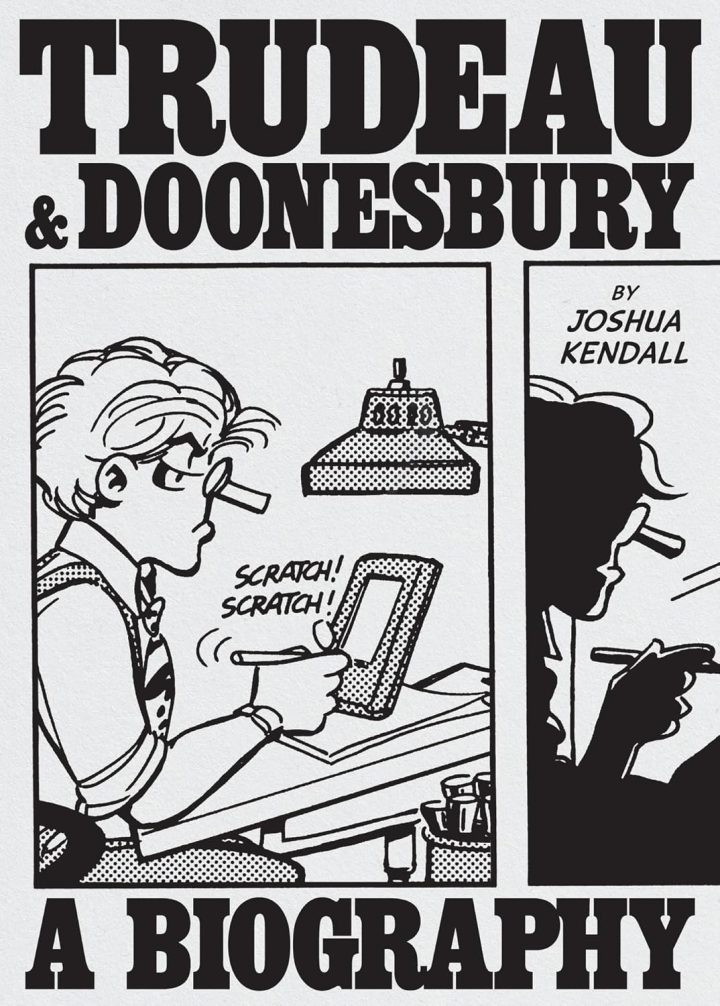
With the recent publication of Trudeau & Doonesbury: A Biography: The Cartoonist Who Turned the News into Art (Abrams, 2026), author Joshua Kendall offers an unprecedented look into the life of the famously guarded Pulitzer Prize winner. In a recent dialogue with The Comics Journal, Kendall explores how a campus strip at Yale evolved into a national barometer of political and social change, and how its creator, despite his reticence, became one of the most influential journalists of the 20th and 21st centuries.
Main Facts: The "First Draft of History" in Four Panels
Garry Trudeau’s Doonesbury stands as a watershed moment in the history of syndicated comics. Launched into national syndication in 1970, it broke the mold of the "gag-a-day" format by introducing character-based continuity, heavy political commentary, and a willingness to engage directly with the zeitgeist.
Biographer Joshua Kendall argues that Trudeau’s work functions as a "first draft of history." While historians like Rick Perlstein (author of Nixonland) have noted that their academic work often mirrors the ground Trudeau already covered, the strip’s primary innovation was the "intermingling of fact and fiction." By placing real-world figures like Henry Kissinger, George W. Bush, and Donald Trump alongside fictional characters like Mike Doonesbury and B.D., Trudeau created a satirical framework that prefigured the "fake news" humor of The Daily Show and The Colbert Report.
The biography highlights several key facets of Trudeau’s career:
- The Dual Identity: Trudeau views himself as much a journalist as a cartoonist, utilizing extensive research and interviews to ground his satire.
- The Evolutionary Arc: Unlike most comic strips where characters remain frozen in time, Doonesbury characters age, evolve, and face the consequences of their life choices.
- The Shift in Medium: From the peak of newspaper influence to the digital-first era, the strip has navigated the collapse of traditional media while maintaining its cultural relevance.
Chronology: From Yale to the Modern Era
1968–1970: The Yale Ferment and Bull Tales
The strip began as Bull Tales in the Yale Daily News. It was deeply parochial, focusing on campus figures and the specific anxieties of Ivy League life during the Vietnam era. Figures like Yale President Kingman Brewster and SDS leaders were the primary targets.
1970–1983: National Syndication and the "De-Yaleifying" Process
When Jim Andrews of Universal Press Syndicate picked up the strip, he issued a directive: Trudeau had to "de-Yaleify" the content to make it relatable to a national audience. This led to the creation of "Walden College," a fictional stand-in that allowed Trudeau to comment on the broader sexual revolution, drug culture, and political scandals like Watergate and "Koreagate."
1983–1984: The High-Profile Hiatus
At the height of his fame, Trudeau took a nearly two-year hiatus. This period was transformative. He spent time writing the Doonesbury musical for Broadway and collaborating with director Robert Altman on the HBO series Tanner ’88. When he returned to the drawing board in 1984, the strip underwent a visual and narrative overhaul. The "Feiffer-esque" simplicity was replaced with more detailed graphic design, and, crucially, the characters began to age in real-time.
2004–Present: The Veteran Focus and Sunday Format
In the wake of the Iraq War, Trudeau’s focus shifted significantly toward the experiences of veterans. The "PTSD strips," featuring the character B.D. losing a leg and struggling with mental health, earned Trudeau widespread acclaim from the military community. In 2014, Trudeau transitioned the strip to a Sunday-only format, allowing him to focus on long-form storytelling and his television projects, such as the Amazon series Alpha House.
Supporting Data: Sociological and Artistic Impact
The impact of Doonesbury can be measured by its massive cultural reach and its ability to spark national conversation. Kendall’s research highlights several data points that underscore Trudeau’s influence:
- Viral Reach Before the Internet: In 1977, a single mention of NBC reporter Judy Woodruff in a Doonesbury strip was credited with "changing her life," making her a household name overnight—a phenomenon Kendall compares to going viral on modern social media.
- Broadcast Dominance: The Doonesbury Thanksgiving special in the late 1970s garnered 22 million viewers, outperforming the legendary Peanuts specials of the same era.
- The "Dickensian" Archive: The Dbury@50 digital collection contains five decades of daily strips, creating a searchable archive of American social evolution that few other mediums can match.
- Artistic Transition: Kendall notes that Trudeau’s post-1984 style moved away from the minimalist influence of Jules Feiffer toward a more "Dickensian" illustrative style, which Kendall describes as a "step backward into classic cartoon history" that paradoxically allowed for more complex storytelling.
Official Responses: Insights from the Biographer and Subjects
In his interview with Zach Rabiroff, Joshua Kendall sheds light on the process of profiling a man who "doesn’t do the ‘I’ thing."
On Trudeau’s Reticence:
Kendall notes that Trudeau’s personality is shaped by his "WASPy preppie" upbringing—a culture of privilege where emotional exposure is discouraged. "Garry is the other way [from his wife, Jane Pauley]," Kendall says. "He likes to let his work speak, and even in his work, he doesn’t reveal much of what’s going on inside him."
On the "Rosebud" Moment:
Kendall discovered a paper Trudeau wrote at Yale titled "The Role of the Visual Arts in My Life." In it, Trudeau revealed a period of deep depression during his time at St. Paul’s prep school. "He found a very supportive art teacher who helped him get through his depression," Kendall explains. "For Garry, if he can sit in his studio and draw, he can make sense of things for himself."
On Political Perceptions:
Despite being labeled a liberal firebrand, Trudeau often describes himself as "apolitical." Kendall clarifies this, suggesting that Trudeau views himself as a "healer" of society, much like his father and grandfather were medical doctors. While he has been a fierce critic of the Nixon and Bush administrations, he also took aim at Democrats like Jimmy Carter and Bill Clinton, maintaining a stance that verbal battles are a necessary part of a functioning democracy.
Implications: The Legacy of Satire in a Polarized Age
The publication of this biography comes at a time when the medium that birthed Doonesbury—the daily newspaper—is in terminal decline. This shift has profound implications for the future of political satire.
The Loss of the "Common Square"
Kendall points out that the daily newspaper used to be the "place" where a cartoonist could go viral across all demographics. In today’s fragmented media landscape, satire is often siloed into echo chambers. Doonesbury, in its Sunday-only format, remains one of the few surviving links to a time when a single comic strip could command the attention of the entire nation.
The Evolution of Masculinity
One of the most significant implications of Kendall’s work is the documentation of Trudeau’s personal growth regarding feminism and social justice. "The original Bull Tales are really sexist," Kendall admits. "Later, he was really embarrassed by that and became an ardent feminist. There’s not enough of that in the world right now, particularly in men." This evolution mirrors the broader (if uneven) progress of the Baby Boomer generation.
The Trump Era as a Final Act
Trudeau’s recent focus on Donald Trump—a figure he has been satirizing since the 1980s—has turned the strip into what Kendall calls an "editorial strip." By bringing Trump into direct contact with his fictional characters, Trudeau exerts a form of narrative control over a political climate that many find chaotic. It is a way of "making sense of things" for both the creator and his aging audience.
As Garry Trudeau enters the twilight of his career, Kendall’s biography serves as a reminder that Doonesbury was never just about the jokes. It was an ambitious, decades-long project to preserve the "cultural obsessions and political scandals" of an era in newsprint, ensuring they would be remembered not as fleeting headlines, but as art.