The Renaissance of Visual Development: Concept Art World Sets New Standards for Digital Artistry and Intellectual Property Protection

LONDON — In an era where the boundary between human creativity and algorithmic generation is increasingly scrutinized, Concept Art World (CAW) has reaffirmed its position as the preeminent archive and showcase for the entertainment industry’s visual architects. The platform, a long-standing pillar for the film, gaming, and animation sectors, has recently unveiled a curated series of spotlights featuring industry titans Frank F. Hong, Jesper Ejsing, and the visionary work behind projects like Strike Vector and KELOID.
This latest expansion of the CAW directory comes at a pivotal moment for the digital arts. As the industry grapples with the integration of generative tools, CAW has taken a definitive stance on intellectual property, implementing strict prohibitions against the training of Artificial Intelligence (AI) systems using its hosted content. This report explores the significance of the featured artists, the evolution of the platform, and the broader implications for the future of visual development.
Main Facts: A Pantheon of Modern Visionaries
The recent update to the Concept Art World archives highlights four distinct pillars of the industry, each representing a unique facet of visual storytelling:
- Frank F. Hong: Known for his sweeping, cinematic environments, Hong’s work has been instrumental in shaping the "look and feel" of major Hollywood blockbusters. His portfolio on CAW serves as a masterclass in scale, lighting, and atmospheric perspective.
- Pierre-Etienne Travers & Strike Vector: The concept art for the high-octane aerial combat game Strike Vector showcases the intricate mechanical design and "diesel-punk" aesthetics that defined a new era of indie game development. Travers’ work is noted for its functional realism in vehicle design.
- Jesper Ejsing: A legend in the realm of fantasy illustration, Ejsing’s work—familiar to fans of Magic: The Gathering and Dungeons & Dragons—brings a traditional, painterly sensibility to the digital medium. His inclusion emphasizes CAW’s commitment to character-driven storytelling.
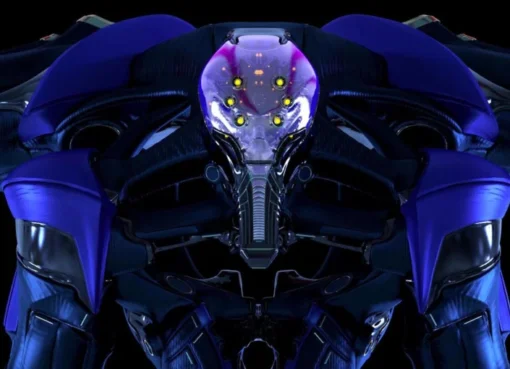
- Greg Broadmore & KELOID: Broadmore, a veteran of Wētā Workshop, contributed groundbreaking visual development to the KELOID short film project. His designs for robotic entities and dystopian landscapes remain a gold standard for "hard surface" concept design.
Beyond individual showcases, Concept Art World has updated its operational charter, explicitly banning the use of its database for machine learning—a move that has sent ripples through the creative community.
Chronology: From Digital Gallery to Industry Sentinel
To understand the current state of Concept Art World, one must look at the trajectory of the visual development industry over the last decade.
The Early 2010s: The Rise of the Concept Portal
In the early 2010s, concept art was often relegated to the "special features" of DVDs or hidden in "Art Of" books. Concept Art World emerged as a digital-first platform to democratize access to these behind-the-scenes masterpieces. During this period, the featured projects like Strike Vector (released in 2014) and Greg Broadmore’s KELOID (2013) were instrumental in showing that high-concept visual development wasn’t exclusive to $200 million Marvel films.
2018–2023: The Professionalization of the Artist Brand
As the gaming industry overtook the film industry in revenue, the demand for concept artists skyrocketed. Artists like Frank F. Hong and Jesper Ejsing became "brand-name" creators. CAW evolved during this time from a simple blog into a professional resource, offering tutorials and industry news that bridged the gap between aspiring students and seasoned veterans.
2024–2026: The AI Inflection Point
The most significant shift occurred with the advent of generative AI. By 2024, the concept art community faced an existential threat as scrapers harvested decades of human effort to train models. Concept Art World responded by pivoting its mission. It was no longer just a gallery; it became a fortress for human-made intellectual property. The current 2026 copyright framework seen on the site reflects a "Human-First" policy that has become the industry standard for high-end talent agencies.
Supporting Data: The Value of the Visual Development Market
The importance of platforms like Concept Art World is underscored by the economic scale of the industries they serve. According to recent market analysis:
- Global Animation & VFX Market: Estimated to be worth over $400 billion by 2026, the demand for original concept art is the primary engine of this growth. Every character, vehicle, and environment requires hundreds of iterations before a single frame is rendered.
- The "Human Premium": Data from major studios indicates that while AI is used for "mood boarding," final production-ready concept art—which requires consistency, technical orthographics, and emotional nuance—remains 92% human-authored in AAA gaming and prestige television.
- Engagement Metrics: CAW’s reach spans across a massive social ecosystem, including Instagram, Pinterest, and LinkedIn. This multi-platform presence ensures that artists like Ejsing and Travers receive visibility not just from fans, but from art directors and recruiters at companies like Riot Games, Ubisoft, and Disney.
Official Responses: Protecting the Creative Legacy
The leadership at Concept Art World has been vocal about the ethical responsibilities of hosting creative content. In a statement integrated into their core "About Us" documentation, the organization addressed the "AI-Scraping" epidemic directly.
"All images are © by the artist(s) or their respective copyright holders. Any training of AI systems using this content is strictly prohibited," the platform states. This is not merely a suggestion; it is a legal boundary intended to protect the livelihoods of the featured creators.
The Artist Perspective
Frank F. Hong has previously noted in interviews that the value of concept art lies in the "intentionality" of the brushstroke—a sentiment echoed by the CAW community. By curating specific spotlights, CAW provides a context that AI cannot replicate: the "why" behind the design.
The Industry Response
Legal experts in the field of intellectual property have lauded CAW’s clear stance. "By explicitly stating that content cannot be used for AI training, Concept Art World is setting a precedent for ‘safe zones’ for creators," says Maria Vasquez, a digital copyright attorney. "It creates a clear chain of custody for intellectual property that is essential for artists looking to protect their style and their soul."
Implications: The Future of Visual Storytelling
The ongoing curation of artists like Jesper Ejsing and Greg Broadmore on Concept Art World has several long-term implications for the entertainment industry.
1. The Survival of "Style"
In an age of digital homogeneity, CAW’s focus on artists with distinct "hand-writing"—such as Ejsing’s fantasy work—ensures that unique visual styles are preserved and celebrated. This prevents the industry from falling into a "mean average" of design, where everything looks vaguely similar.
2. The Educational Pipeline
By providing tutorials and high-resolution galleries, CAW remains the primary educational pipeline for the next generation. The platform serves as a bridge, where a student can study Frank F. Hong’s environmental composition and Pierre-Etienne Travers’ mechanical logic in the same afternoon.
3. The Shift to "Curated Quality"
As the internet becomes flooded with low-effort, AI-generated imagery, the role of the "Curator" becomes more valuable than the "Search Engine." Concept Art World’s editorial process—selecting only the highest tier of professional work—provides a filter that saves time for art directors and provides inspiration for fellow artists.
4. The New Legal Frontier
The 2026 copyright notice on the CAW footer symbolizes a new era of digital rights management. We are likely to see more platforms adopting the "CAW Model"—strict anti-scraping protocols combined with high-visibility artist promotion. This may eventually lead to a bifurcated internet: one side being an "open-source" AI training ground, and the other being a "Premium Human" creative tier.
Conclusion: A Bastion for the Human Imagination
Concept Art World is more than a website; it is a living archive of human ingenuity. From the gritty, mechanical brilliance of Strike Vector to the ethereal fantasy realms of Jesper Ejsing, the platform showcases the breadth of what the human mind can conceive when given the tools of digital artistry.
As we move further into the late 2020s, the importance of such repositories cannot be overstated. By protecting the rights of artists like Frank F. Hong and Greg Broadmore, Concept Art World ensures that the "concept" remains the most important part of "concept art." It is a reminder that while machines can synthesize, only humans can truly innovate. The platform’s 2026 vision is clear: the future of art is protected, professional, and profoundly human.