The Democratization of Digital Humans: Poly Hammer Releases Free Core Edition of Character DNA for Blender
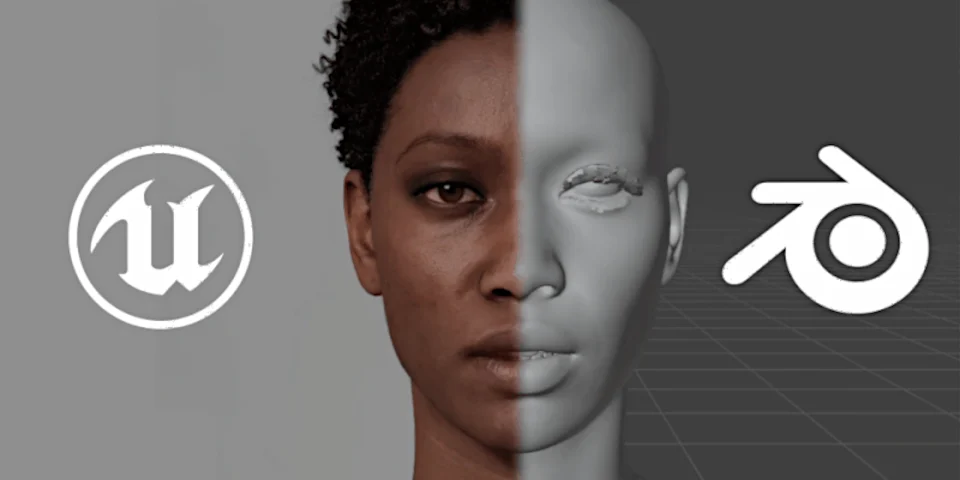
July 17, 2026 — In a move that further bridges the gap between high-end game engine technology and the open-source creative community, Poly Hammer has announced the release of the free "Core" edition of its acclaimed Character DNA add-on for Blender. Formerly known as the Meta-Human DNA add-on, the tool facilitates a seamless, bidirectional workflow between Epic Games’ MetaHuman framework and Blender, allowing artists to edit, animate, and refine hyper-realistic digital humans without leaving their primary modeling environment.
The release marks a significant milestone in the evolution of character pipelines, driven largely by recent shifts in Epic Games’ licensing and open-source contributions. By providing a pre-compiled, accessible version of the tool, Poly Hammer has effectively removed the technical and financial barriers that previously hindered independent developers and small-scale studios from fully customizing MetaHuman assets.
Main Facts: A New Era for Blender-to-Unreal Workflows
The Character DNA add-on serves as a sophisticated bridge for the MetaHuman .dna file format. This format is the proprietary "blueprint" of an Epic MetaHuman, containing the complex rigging logic, facial blendshapes, and skeletal data that allow for industry-leading realism.
Key features of the newly released free Core edition include:
- Direct .dna Import: Users can bring MetaHuman files directly into Blender 4.5+ with full rig integrity.
- Animation Support: The tool supports the import of animations generated via MetaHuman Animator, allowing for high-fidelity facial performance capture to be tweaked within Blender.
- Data Baking: Artists can bake complex deformation data into the mesh, ensuring that modifications made in Blender translate accurately back to the Unreal Engine environment.
- Export Capabilities: The core edition allows for the export of modified scene data back into the MetaHuman’s .dna file, maintaining compatibility with the Unreal Engine 5.6+ ecosystem.
- Ease of Installation: Unlike previous iterations, the add-on now includes a pre-compiled version of Epic’s RigLogic library, eliminating the need for users to manually build the software from source code.
While the Core edition is now free under a GPLv3 license, Poly Hammer continues to offer a "Pro" edition for $79, which includes advanced tools such as the RBF (Radial Basis Function) Editor, and maintains its separate commercial "Character Control Rig" for professional-grade animation workflows.
Chronology: The Road to Open-Source Integration
The journey toward a free, integrated MetaHuman-Blender pipeline has been a multi-year progression of software updates and shifting corporate philosophies.
March 2025: The Genesis
Poly Hammer originally released the "Meta-Human DNA add-on for Blender" as a purely commercial product. At the time, the tool was a breakthrough for the community, as it offered the first reliable way to bypass the "walled garden" of the MetaHuman Creator. However, users were required to jump through several technical hoops, including compiling the RigLogic library themselves due to licensing restrictions.
June 2025: Epic Games’ Licensing Pivot
A major catalyst for the tool’s development occurred when Epic Games updated its licensing terms for MetaHumans. Previously, MetaHuman assets were strictly bound to Unreal Engine. The 2025 update allowed developers to use MetaHumans in competing engines like Unity and Godot, or even sell customized MetaHuman-based characters on third-party marketplaces. This change vastly increased the demand for a tool that could export MetaHuman data into agnostic formats via Blender.
March 2026: The RBF Editor and Rebranding
Poly Hammer rebranded the tool to "Character DNA" to reflect its broader utility. They introduced the RBF Editor in the Pro version, allowing for more complex muscle and skin deformations. This established a tiered system where the most advanced rigging tools remained paid, while the basic import/export functionality was refined for a broader audience.
May 2026: Character Control Rig Release
Recognizing that the standard MetaHuman rig is often difficult to animate manually, Poly Hammer released the Character Control Rig. This separate add-on generated a more user-friendly animation interface within Blender, further cementing the software as a viable alternative to Maya for character TDs (Technical Directors).
July 2026: The Open-Source Breakthrough
The final piece of the puzzle fell into place when Epic Games open-sourced its MetaHuman Rig Logic library as part of the new MetaHuman DevKit. This allowed Poly Hammer to legally distribute the pre-compiled binaries required for the add-on to function. Consequently, Poly Hammer decided to make the Core edition free, capitalizing on the massive influx of users interested in the open DevKit.
Supporting Data: Technical Specifications and Requirements
To ensure stability and performance, Character DNA has been optimized for the latest iterations of both Blender and Unreal Engine.
System Compatibility
The add-on is cross-platform, supporting:
- Windows 10/11
- Linux (Ubuntu 22.04+ recommended)
- macOS (Silicon-based Macs optimized)
Software Requirements
- Blender 4.5 or higher: The add-on utilizes the latest Python API enhancements in Blender for faster data processing.
- Unreal Engine 5.6+: Support is specifically tailored for the latest .dna schema updates introduced in the 5.6 branch of UE.
- Poly Hammer Account: While the software is free and GPLv3, a free registration on the Poly Hammer website is required to access the download and documentation.
Feature Comparison: Core vs. Pro
| Feature | Core Edition (Free) | Pro Edition ($79) |
|---|---|---|
| .dna Import/Export | Yes | Yes |
| Animation Baking | Yes | Yes |
| MetaHuman Animator Support | Yes | Yes |
| Pre-compiled RigLogic | Yes | Yes |
| RBF Editor | No | Yes |
| Advanced Bone Constraints | No | Yes |
| Priority Support | No | Yes |
Official Responses and Market Context
The release has been met with significant enthusiasm from the Blender Foundation and independent VFX artists. While Poly Hammer has not released an official "quote-unquote" press release, their blog post detailing the move highlights a strategic shift toward a "community-first" model.
"The decision to open-source RigLogic by Epic Games was the green light we needed," the Poly Hammer development team stated in their technical blog. "By making the Core edition of Character DNA free, we are enabling millions of Blender users to participate in the MetaHuman ecosystem. Our revenue model will now focus on high-end production tools like the RBF Editor and the Control Rig, which are essential for studio-level work but perhaps not necessary for hobbyists or students."
Industry analysts suggest that this move is a defensive and offensive play. By offering a robust free tool, Poly Hammer establishes itself as the "standard" for MetaHuman-Blender interoperability, effectively pre-empting any potential free alternatives that might have emerged following Epic’s open-sourcing of the DevKit.
Implications: How This Changes the Industry Landscape
The release of a free Character DNA Core edition has several far-reaching implications for the CGI, gaming, and metaverse industries.
1. The Erosion of the "Maya Monopoly"
For years, high-end character rigging and facial animation were the exclusive domain of Autodesk Maya, largely because the proprietary tools for engines like Unreal were built with Maya in mind. Character DNA provides Blender with a professional-grade parity in the MetaHuman pipeline. This is likely to accelerate the trend of small-to-mid-sized studios migrating their character departments to Blender to save on licensing costs.
2. Democratization of High-Fidelity Avatars
With the barriers to entry lowered, we can expect to see a surge in high-quality digital humans in non-gaming sectors. Independent VTubers, educators, and social media content creators can now customize MetaHumans with unique facial structures or clothing in Blender and bring them back into Unreal Engine for real-time broadcasting.
3. Expansion of the MetaHuman Ecosystem
By allowing MetaHumans to be easily edited in Blender and then moved to Unity or Godot (as per Epic’s 2025 license change), Epic Games is positioning MetaHuman as the "universal language" of digital characters. Poly Hammer’s tool acts as the translation layer that makes this universality practical for the average artist.
4. A New Standard for Add-on Development
The move from a paid-only model to a "freemium" model—where the core engine is open-source (GPLv3) and advanced editors are proprietary—sets a precedent for other Blender add-on developers. It balances the need for commercial viability with the open-source ethos of the Blender community.
5. Impact on "MetaHuman Animator"
The ability to bring MetaHuman Animator data into Blender for "cleanup" is perhaps the most significant workflow improvement. Performance capture often requires manual tweaking of keyframes to fix glitches or enhance expressions. Doing this in Blender, which many artists find more intuitive for graph editing than Unreal’s internal tools, will likely result in higher-quality facial animation across the board in indie productions.
In conclusion, Poly Hammer’s release of the free Character DNA Core edition is more than just a software update; it is a symptom of a broader shift toward interoperability in the 3D industry. As the lines between game engines and DCC (Digital Content Creation) tools continue to blur, tools that facilitate the movement of complex data like .dna files will become the backbone of the next generation of digital storytelling.