
The Resonance of Endurance: A Review of "In Minor Keys" at the 2026 Venice Biennale
The 2026 Venice Biennale will likely be remembered as the moment the international art world finally shifted its center of gravity. At the heart of this transformation is the main exhibition, In Minor Keys, a sprawling, soulful, and deeply political presentation that challenges the long-held Eurocentric monopoly on "high art." Curated by the late Koyo Kouoh and realized by a dedicated team of her closest collaborators, the exhibition marks a departure from the aesthetics of overt rage, opting instead for a profound exploration of endurance, ritual, and the quiet power of the "minor key."
Main Facts: A Posthumous Triumph of the Global Majority
The 61st International Art Exhibition of the Venice Biennale, titled In Minor Keys, features 111 artists from across the globe, with a historic emphasis on Africa, the Caribbean, and their respective diasporas. The exhibition is staged across two primary venues: the Central Pavilion in the Giardini and the cavernous spaces of the Arsenale.
The exhibition’s primary objective is to center the voices of what Kouoh termed the "Global Majority"—those historically disenfranchised by colonial structures but who possess an "endless endurance." Rather than a traditional display of protest, the show functions as a "hymn" to those who navigate the world with both melancholy and "riotous joy."
Tragically, the exhibition is also a memorial. Koyo Kouoh, the charismatic Cameroonian-Swiss curator and former director of Zeitz MOCAA, passed away from liver cancer at age 57, just weeks after being appointed to the role. The show was completed by a curatorial quintet: Rasha Salti, Marie Hélène Pereira, Gabe Beckhurst Feijoo, Siddhartha Mitter, and Rory Tsapayi. Their work has ensured that Kouoh’s vision remains intact, creating an atmosphere that favors "calm, centeredness, and self-forgiveness" over the "clenched fist" of traditional political art.

Chronology: From Appointment to Ancestral Frequency
The journey of In Minor Keys began in early 2025 with the high-profile appointment of Kouoh, a figure celebrated for her work in decolonizing institutional spaces. Her vision was immediate: she sought to move beyond the "major keys" of Western triumphalism and industrial progress, focusing instead on the subtle, often overlooked frequencies of human existence.
By mid-2025, Kouoh had established the conceptual framework and a preliminary artist list. However, her sudden illness and subsequent death in late 2025 sent shockwaves through the global art community. In the months that followed, her hand-picked team of researchers and curators stepped in to fulfill her outlines. They worked not merely as administrators, but as stewards of a legacy, ensuring that the exhibition felt like a cohesive spiritual journey rather than a fragmented retrospective.
The opening week in May 2026 was marked by a somber yet celebratory tone. Instead of the usual corporate-sponsored galas, the Biennale opened with a moving procession in the Giardini led by artist María Magdalena Campos-Pons, dedicated to the memory of Kouoh and the novelist Toni Morrison. This set the stage for an exhibition that treats art not as a commodity, but as a "shrine" to collective survival.
Supporting Data: Highlights from the Giardini and Arsenale
The exhibition is structured around "shrines" and "monumental interventions" that bridge the gap between historical trauma and contemporary resilience.
The Giardini: Shrines and Architectures of Care
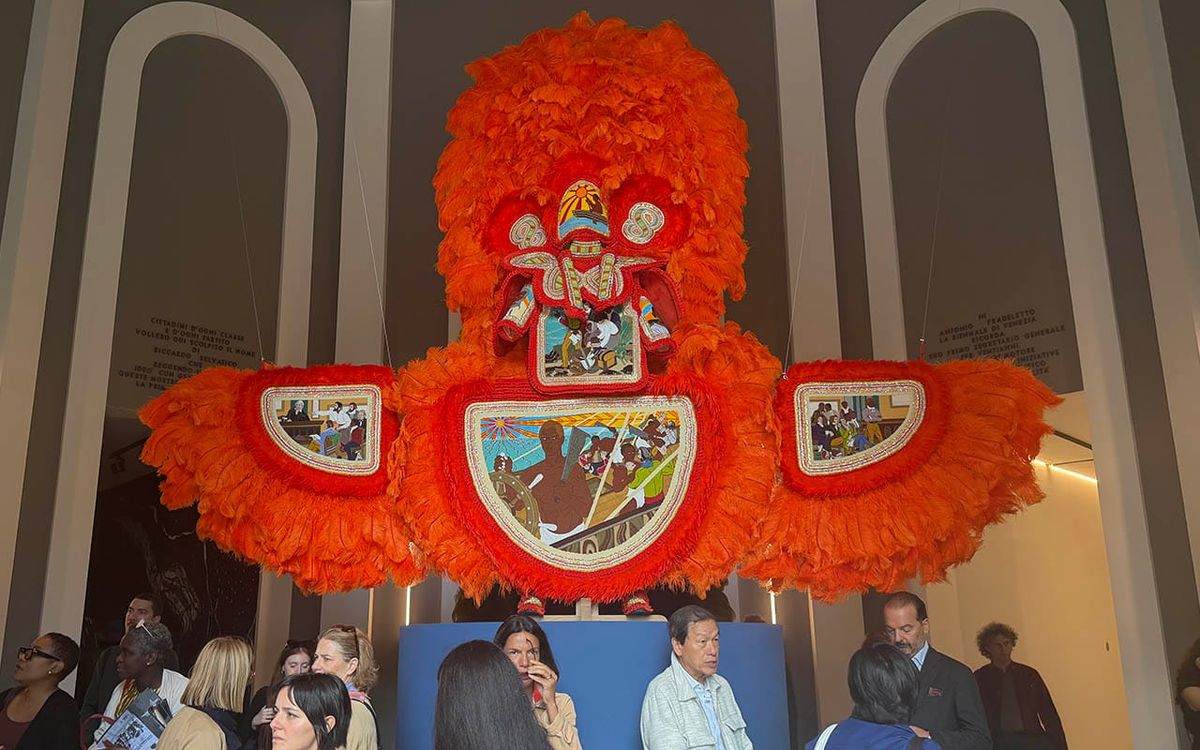
In the Central Pavilion, the tone is established by Big Chief Demond Melancon’s Amistad Takeover (2026). A towering, meticulously beaded Mardi Gras costume from the New Orleans Black Masking tradition, it serves as a vibrant assertion of Black sovereignty and craftsmanship.
Nearby, the exhibition pays homage to two of Kouoh’s greatest inspirations:
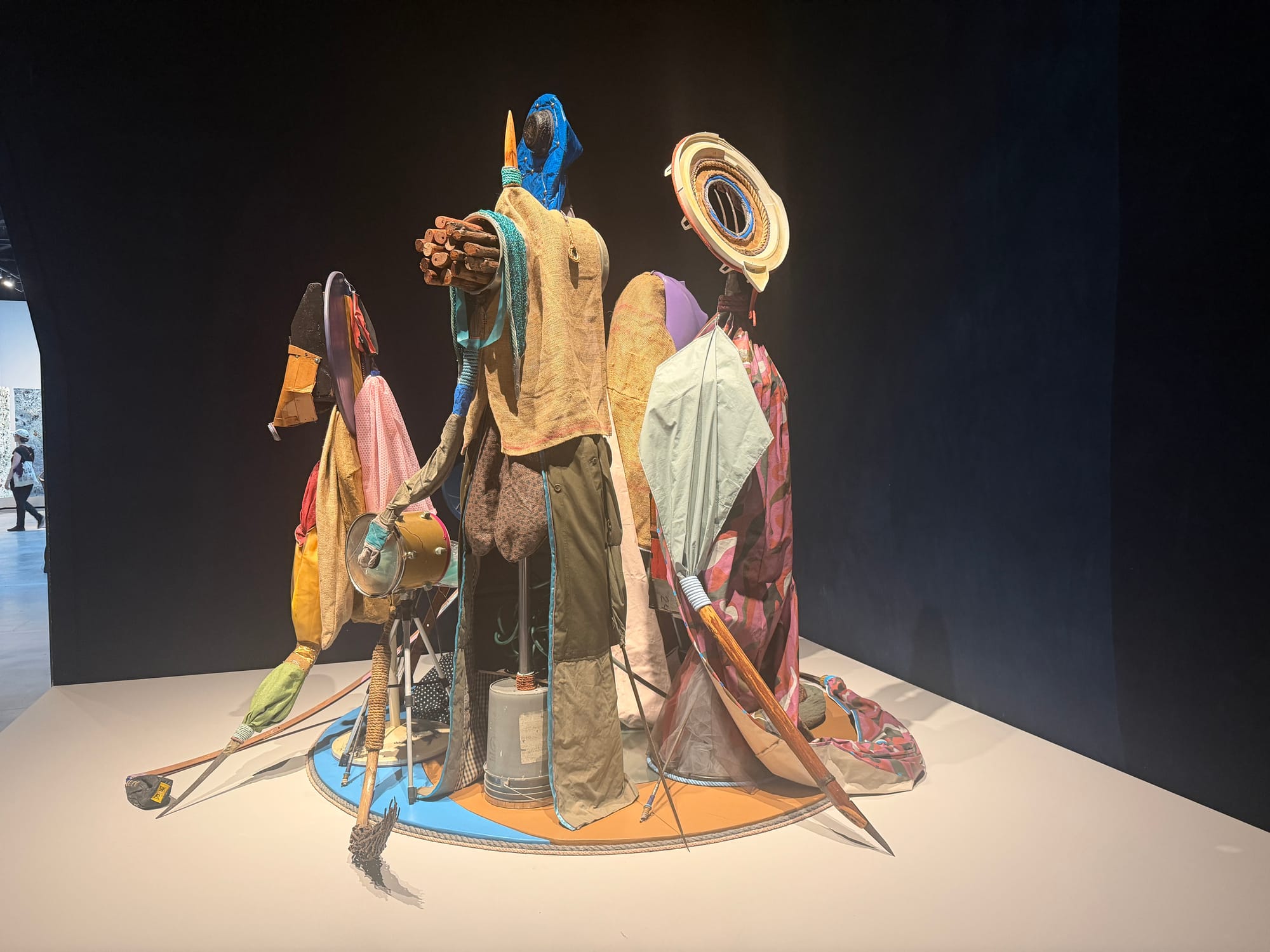
- Issa Samb (Senegal): A posthumous installation juxtaposes Samb’s tools, charms, and paintings with the legacy of Marcel Duchamp, arguing for a West African lineage of the "readymade" that is rooted in spiritual utility rather than secular irony.
- Beverly Buchanan (US): Known for her "shacks" and "shotgun houses," Buchanan’s work explores the "architecture of care" within the American South, highlighting the dignity found in structures haunted by the history of chattel slavery.
The Arsenale: Cartographies of Displacement and Growth
The Arsenale hosts the more expansive, immersive works. Key installations include:
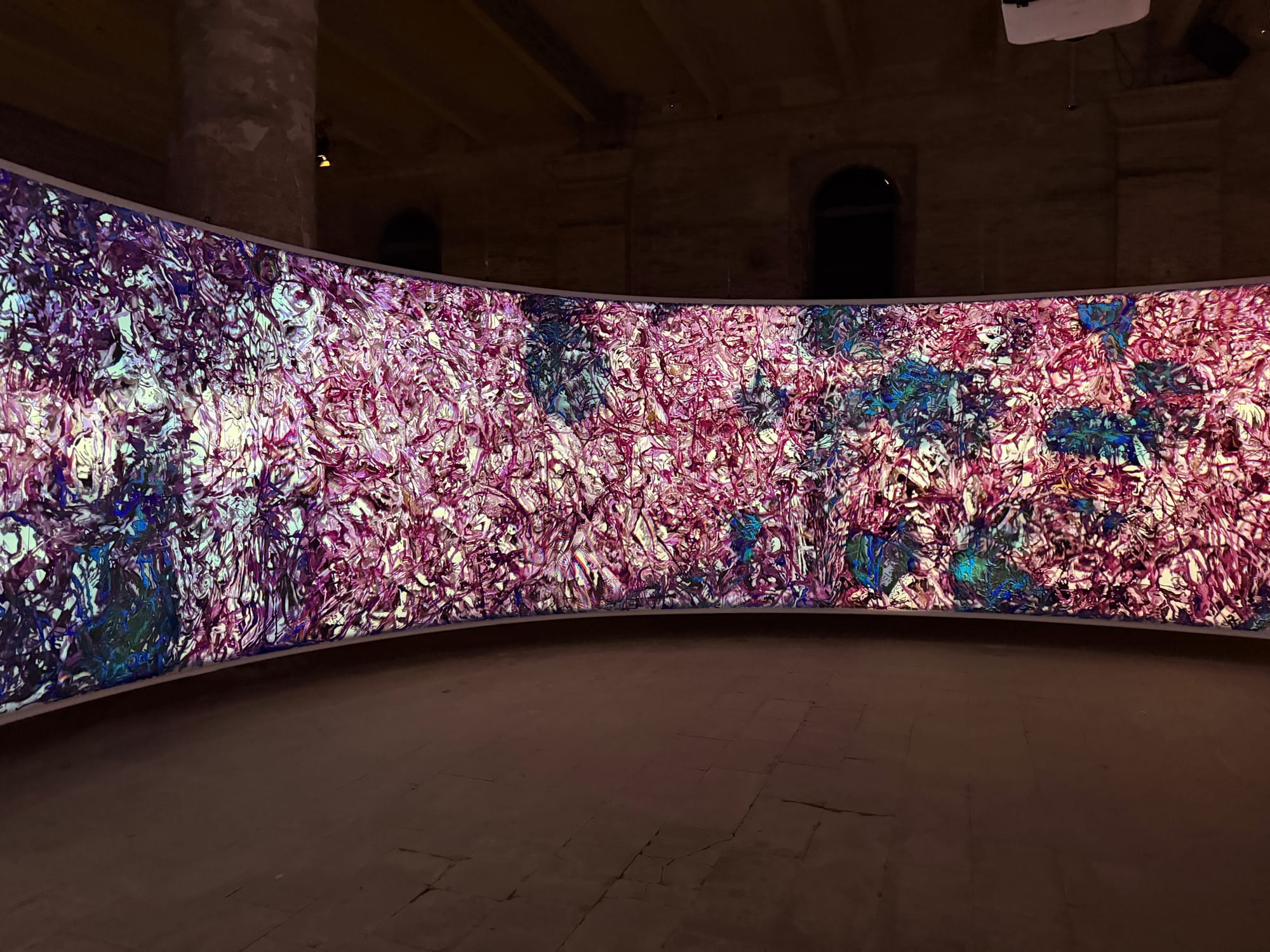
- Khaled Sabsabi (Australia/Lebanon): His digital installation features ethereal phantoms moving behind a massive circular canvas, creating a space of meditative reflection. Sabsabi’s inclusion is particularly significant given the political pressure he faced from pro-Israel lobbies prior to the Biennale.
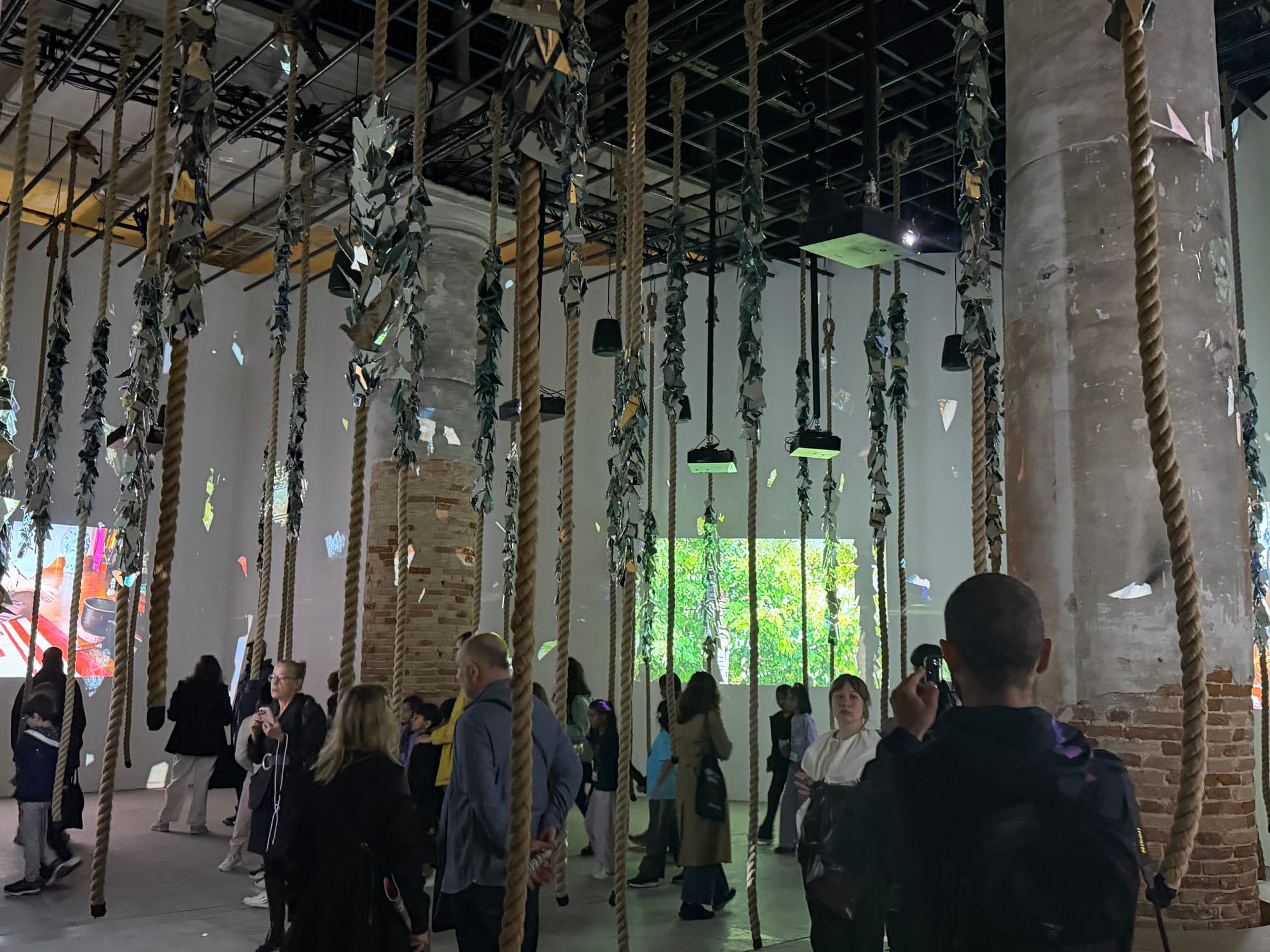
- Kader Attia (France/Algeria): A labyrinth of shattered mirrors and dangling robes that forces viewers to confront the "fragmented self" created by colonial legacies.
- Linda Goode Bryant (US): Building on her Project Eats initiative, Bryant installed a fully functional organic vegetable farm within the Giardini, bringing the politics of food sustainability and Black land ownership into the heart of Venice.
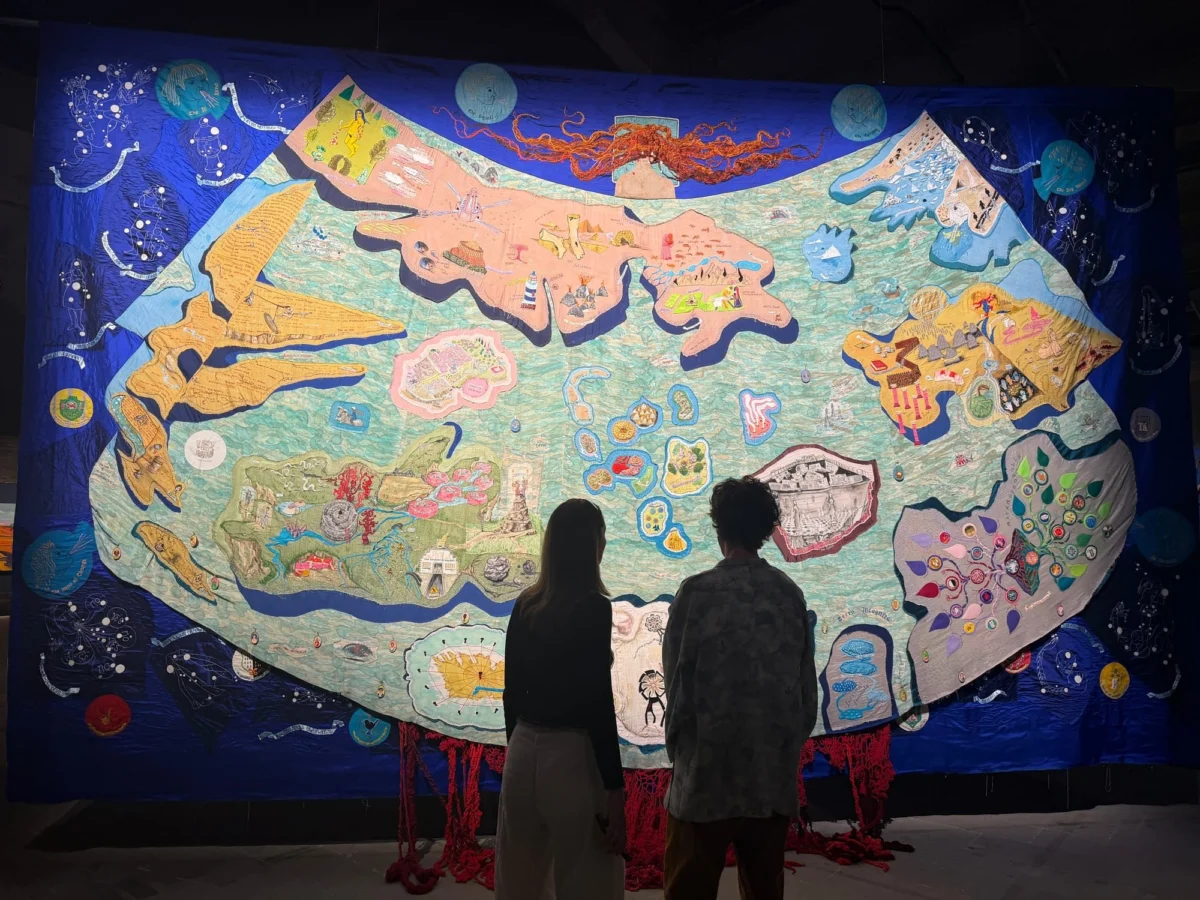
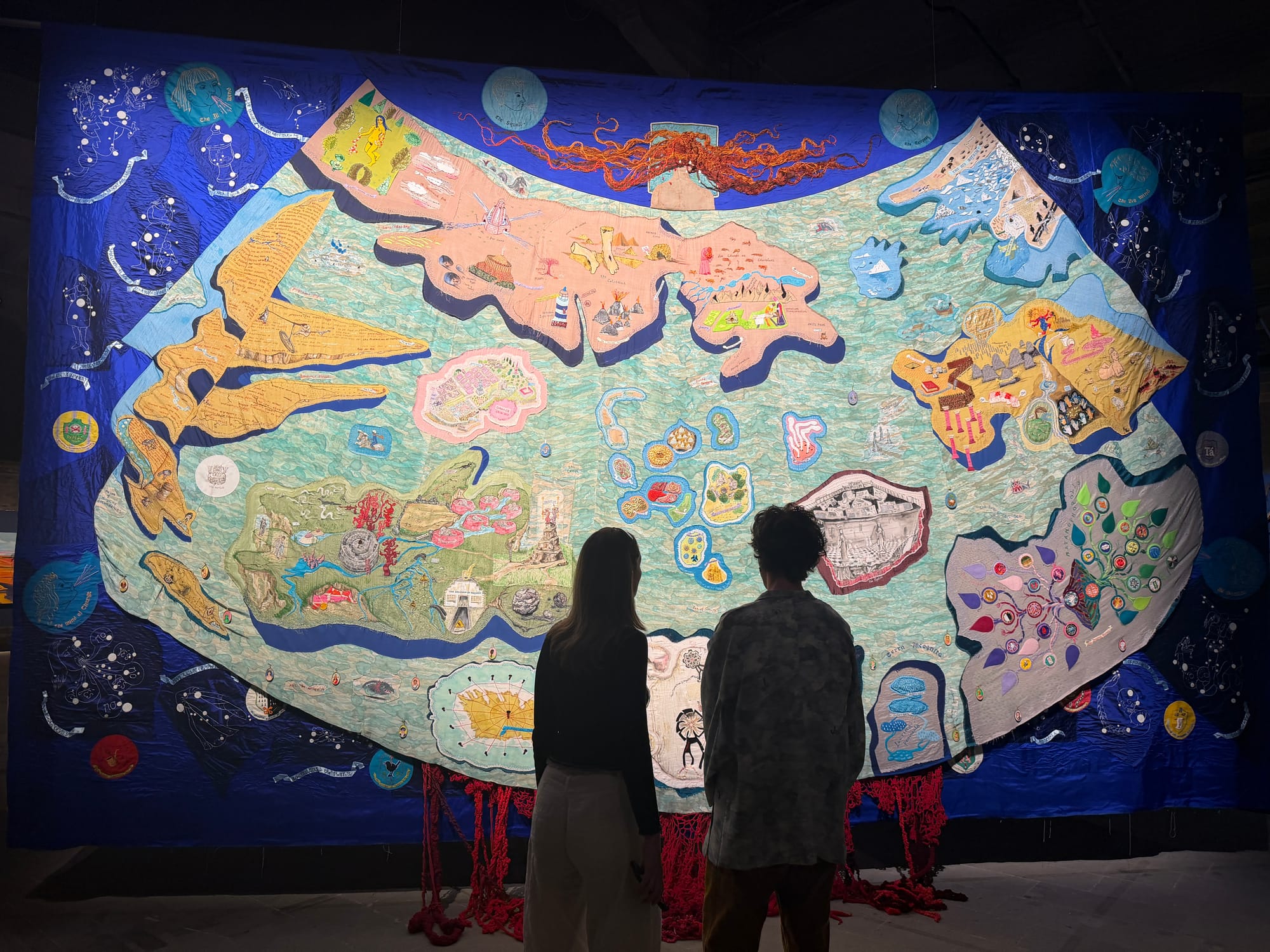
- Thania Petersen (South Africa): A monumental tapestry tracing the migration of Sufi music through Afro-Asia, showcasing the cultural "minor keys" that have survived centuries of maritime trade and oppression.
Official Responses and Political Turbulence
The 2026 Biennale has not existed in a vacuum. It has been buffeted by the most intense political activism in the event’s history. Official responses from traditional art institutions have been mixed, with some critics labeling the atmosphere a "collapse" of the Biennale’s traditional prestige.
However, the "collapse" is viewed by others as a necessary rebirth. The 2026 edition saw:
- Massive Protests: Hundreds of artists and activists staged demonstrations against the continued presence of an Israeli pavilion amidst the ongoing humanitarian crisis in Gaza.
- A Historic Strike: For the first time in the Biennale’s history, a coordinated strike by artists and pavilion workers disrupted the opening weeks, demanding a stronger institutional stance against genocide and systemic inequality.
- Jury Resignation: The resignation of the award jury sent a clear message that the current structures of artistic "validation" are no longer compatible with the urgent ethical demands of the Global South.
While institutional leadership initially struggled to contain these developments, the curators of In Minor Keys chose to integrate the protest energy into the exhibition itself. Solidarity statements and protest signs were not removed but were instead recognized as part of the "living archive" of the show.
Implications: The Subterranean Quietude of Resistance
The ultimate implication of In Minor Keys is the redefinition of what "political art" can be. By setting aside "rage and retribution," the exhibition suggests that the most radical act for the oppressed is to find a moment of "calm and self-forgiveness."
This philosophy is best embodied in the work of Mohammed Joha, a Gaza-born painter now living in France. His series, No Shelter, uses fabric and cardboard to create abstract collages of the tents and tin shacks inhabited by displaced Palestinians. The work is not a roar of anger, but a devastatingly quiet record of loss. Joha, who lost his mother, twin sister, and her entire family to airstrikes, represents the "endless endurance" that Kouoh sought to honor.
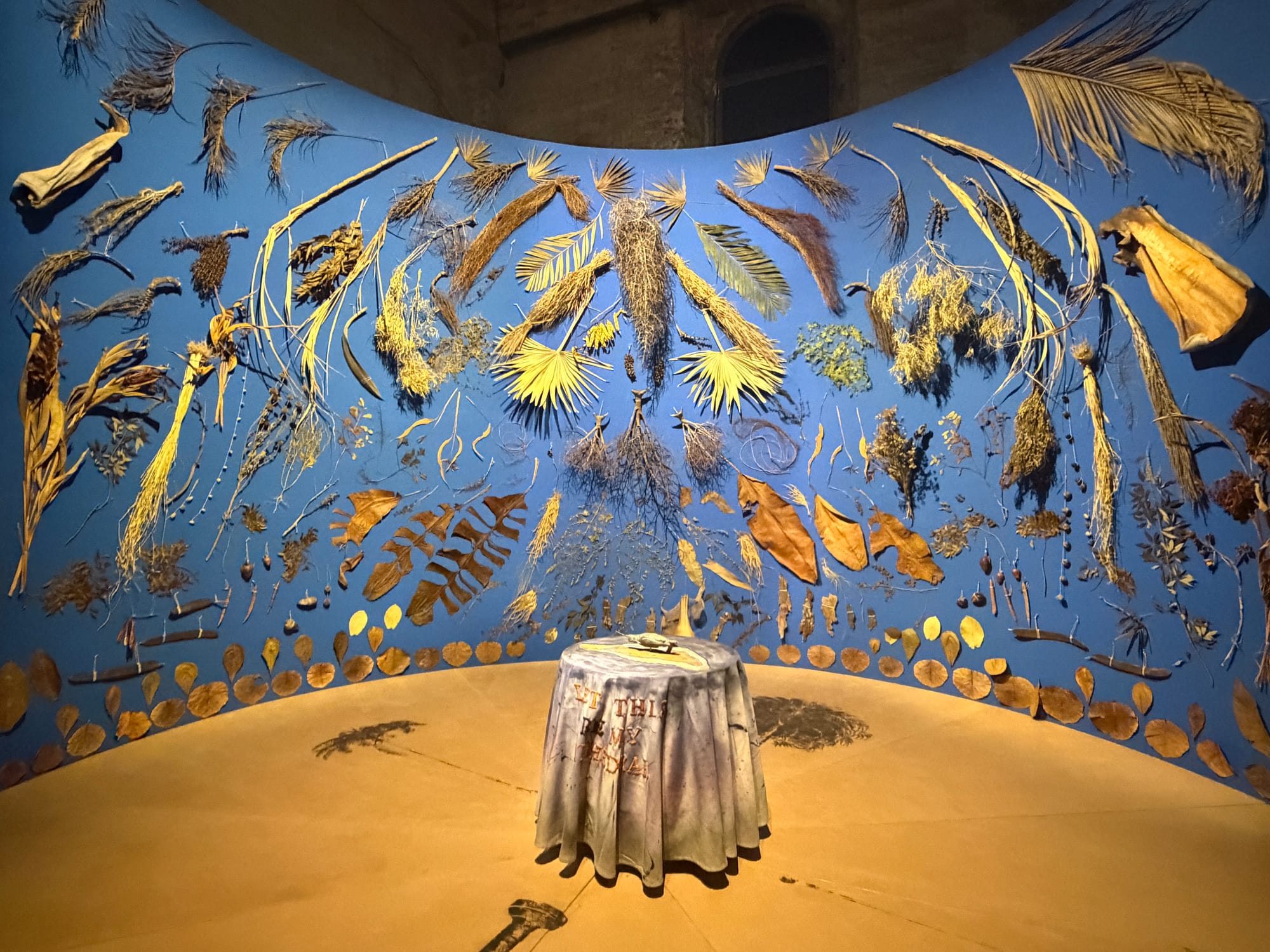
In Minor Keys proves that the "Global South" is not merely a geographic designation, but an "ancestral frequency"—a way of being that sees the human spirit as inextricably linked to the soil and the past. By moving away from the "major keys" of Western progress—which have so often been played at the expense of others—the 2026 Venice Biennale has created a space for a more truthful, resonant, and ultimately more human global conversation.
As Kouoh’s curatorial statement instructed: "Take a deep breath, exhale, drop your shoulders, close your eyes." In doing so, the visitor finally hears the music that has been playing in the background of history for centuries.

Leave a Comment