The Return of the Persistent Metaverse: Somnium Space’s Strategic Re-Entry to Steam
Main Facts: A Strategic Pivot for the Web3 Pioneer
In a move that signals a significant shift in the landscape of social virtual reality and blockchain-integrated gaming, Somnium Space has officially announced its return to the Steam platform. Scheduled for a December release—with SteamDB listings pointing toward a late 2026 window—the move marks the end of a multi-year hiatus from the world’s most dominant PC gaming storefront. However, this return comes with a substantial caveat: to comply with Valve Corporation’s strict anti-cryptocurrency policies, the Steam version of Somnium Space will be stripped of its native blockchain and NFT functionalities.
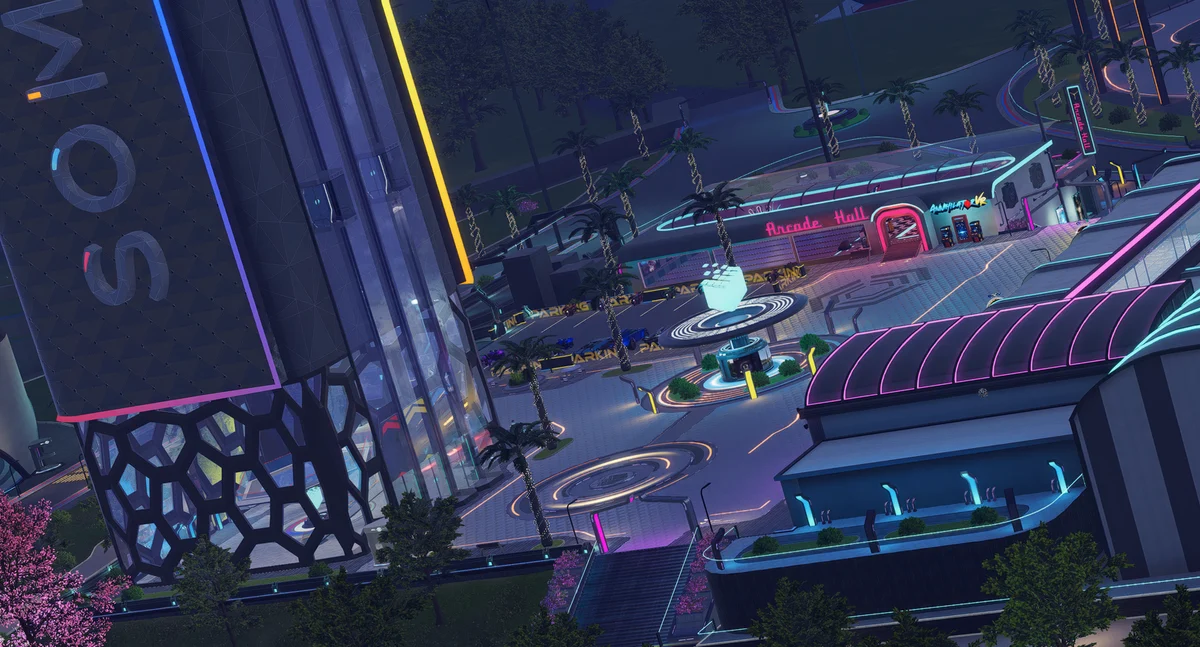
Somnium Space, an expansive, persistent social VR platform designed specifically for adults (18+), has long been a standard-bearer for the "open metaverse" concept. Since its inception, the platform has differentiated itself from competitors like VRChat or Meta’s Horizon Worlds by offering a singular, persistent world where users own land as non-fungible tokens (NFTs) and participate in a decentralized economy powered by the CUBE utility token.
The upcoming Steam re-release represents a "hybrid" approach to distribution. While the standalone version of the app—available via the Somnium website and other third-party launchers—will continue to tout full blockchain integration, the Steam version will function as a "blockchain-free" gateway. This version will focus on the core social and creative aspects of the platform, allowing users to meet, explore, and build without the prerequisite of interacting with a digital wallet or crypto-assets. This strategic pivot aims to tap into Steam’s massive user base, which remains largely untapped by the Web3 gaming sector due to Valve’s 2021 ban on NFT-based commerce.
Chronology: From Early Adoption to the "Great Crypto Purge"
To understand the weight of Somnium Space’s return to Steam, one must examine the tumultuous history between Valve and the emerging blockchain gaming industry.
2017–2019: The Foundation and Early Steam Presence
Somnium Space entered the VR scene during the first wave of consumer headset adoption. Unlike many other VR projects of the era that focused on instanced, room-based social interactions, Somnium envisioned a "Ready Player One" style persistent universe. In 2018, the platform successfully launched on Steam, finding a niche audience of VR enthusiasts and creators. During this period, the integration of blockchain was an experimental layer rather than a core requirement for entry.
2020–2021: The CUBE Token and the NFT Explosion
As the NFT market began to surge in 2020, Somnium Space leaned heavily into its decentralized vision. The platform launched the CUBE token, an ERC-20 utility token used for in-game transactions, and moved its land parcel system to the Ethereum (and later Polygon) blockchain. This period saw Somnium Space become a premier destination for digital real estate speculators and VR developers looking for true digital ownership.
October 2021: The Valve Ban
The relationship between Somnium Space and Steam hit a definitive wall in October 2021. Valve updated its "Rules and Guidelines" for developers, explicitly stating that applications built on blockchain technology that issue or allow the exchange of cryptocurrencies or NFTs were no longer permitted on the platform. Valve’s reasoning centered on the volatility of the assets and the potential for fraudulent activity, which the company felt it could not adequately police within its ecosystem. Consequently, Somnium Space—along with dozens of other "Web3" games—was removed from the storefront.
2022–2025: Independence and Hardware Innovation
Following its removal from Steam, Somnium Space did not retreat. Instead, it doubled down on its community and expanded into hardware. The company announced and eventually released the Somnium VR1, a high-end, modular PC VR headset designed for enthusiasts. By operating through its own launcher and focusing on high-fidelity graphics and persistent world-building, the platform maintained a dedicated, if somewhat insulated, user base.
2026: The Return to the Walled Garden
The announcement of the December 2026 Steam release date marks a full circle for the company. By developing a version of the software that circumvents the blockchain requirement, Somnium Space is effectively acknowledging that while the "Open Metaverse" is the goal, Steam remains the undisputed gatekeeper of the PC VR audience.
Supporting Data: The Mechanics of a Persistent World
The technical and economic structure of Somnium Space is what sets it apart from more mainstream social VR platforms. To understand what Steam users will be experiencing, it is necessary to look at the platform’s core pillars.
Persistent World vs. Instanced Rooms
Most social VR apps, such as VRChat, rely on "instancing." When a room reaches capacity, a new "instance" of that room is created. In contrast, Somnium Space is a singular, contiguous map. If a player walks from the city center to the outskirts, they are traversing a physical distance shared by every other player currently online. This persistence is key to the platform’s value proposition for virtual land, as "location" actually matters—parcels near popular hubs or scenic vistas command higher value.
The 18+ Demographic and Content Safety
Somnium Space is strictly rated for adults 18 and older. This allows for a more mature social environment, free from the "squeaker" phenomenon (young children in public lobbies) that has plagued platforms like Meta Horizon Worlds and VRChat. This demographic focus has fostered a community of artists, developers, and entrepreneurs who utilize the platform for professional networking and complex creative projects.
Technical Fidelity and Modularity
Somnium Space has consistently pushed for higher graphical fidelity than its competitors. It supports full-body tracking, advanced haptics, and was one of the first platforms to integrate with high-end hardware like the Somnium VR1. The Steam version is expected to leverage these high-fidelity assets, positioning itself as a "premium" social VR experience compared to the more cartoony aesthetics of its rivals.
The Dual-Economy System
For the Steam release, Somnium Space will likely implement a dual-rail economy. While the blockchain-enabled version allows for direct wallet connection and NFT trading, the Steam version will utilize traditional fiat "rails" (like Stripe or Steam’s own internal wallet) for basic purchases, or simply restrict the buying and selling of land to the external web portal. This ensures that a Steam user can enjoy the social and exploratory aspects of the game without ever interacting with the blockchain.
Official Responses and Industry Context
While Valve has remained characteristically quiet regarding individual games, the company’s stance on blockchain remains a point of intense industry debate. In past interviews, Valve CEO Gabe Newell has expressed skepticism toward the current state of NFTs, citing "uncontrolled" volatility and the prevalence of "sketchy" actors in the space.
Artur Sychov, the founder and CEO of Somnium Space, has been a vocal advocate for digital sovereignty. In various statements, Sychov has emphasized that Somnium Space’s goal is to provide a permanent home for digital lives—a "Final Destination" for the metaverse. By returning to Steam, Sychov is not necessarily abandoning the blockchain vision; rather, he is expanding the funnel through which new users can enter that vision.

Industry analysts suggest that Somnium Space’s return is a pragmatic response to the "Metaverse Winter." After the hyper-inflated expectations of 2021 and 2022, many pure-play blockchain metaverses (such as Decentraland or The Sandbox) have struggled with low daily active user (DAU) counts. By re-entering the Steam ecosystem, Somnium Space gains access to millions of VR-ready users who may have been intimidated or put off by the "crypto-first" branding of the past.
Implications: A New Blueprint for Web3 Gaming?
The re-release of Somnium Space on Steam carries several long-term implications for the VR industry and the broader gaming market.
1. The "Hybrid" Distribution Model
Somnium Space is providing a blueprint for other blockchain-based developers. The lesson is clear: if you want to scale, you cannot ignore the traditional platforms. By creating a "lite" or "compliant" version for Steam while maintaining a "full" version on independent launchers, developers can satisfy both the mass market and the decentralized community. This could lead to a wave of other "exiled" crypto games returning to Steam under similar conditions.
2. Validation of the Persistent Metaverse
If Somnium Space finds success on Steam, it will validate the demand for persistent, high-fidelity virtual worlds over instanced social apps. It may pressure other developers to move away from the "hub-and-spoke" model of world-building and toward more cohesive, singular digital geographies.
3. The Future of Digital Ownership
The removal of blockchain features for the Steam version raises interesting questions about the nature of digital ownership. If a player on Steam buys a virtual item through fiat currency, do they "own" it in the same way a blockchain user does? Somnium Space will have to navigate the technical and legal complexities of bridging these two user bases—ensuring that a "non-crypto" user can still interact meaningfully with the "crypto-owned" assets of their neighbors.
4. Steam’s Evolving Policy
While Valve’s policy remains "no NFTs," the return of Somnium Space suggests a softening of the enforcement—or at least a more nuanced interpretation. If a game is compatible with NFTs but does not require or promote them within the Steam client, Valve appears willing to host it. This "don’t ask, don’t tell" approach to external blockchain integration could become the new status quo for the storefront.
Conclusion
Somnium Space’s return to Steam in December 2026 is more than just a software update; it is a strategic repositioning of one of the VR industry’s most ambitious projects. By bridging the gap between the decentralized ideals of Web3 and the massive, centralized reach of Valve’s platform, Somnium Space is betting that the future of the metaverse lies in accessibility rather than ideological purity. Whether the Steam audience—often skeptical of anything associated with the word "crypto"—will embrace this persistent universe remains to be seen. However, for those looking for a mature, high-fidelity, and truly persistent social VR experience, Somnium Space’s return to the world’s biggest stage is a landmark moment in the evolution of digital space.