The Dawn of Photorealistic Telepresence: Meta’s "Project Phoenix" and the Future of Hologram Calling
The landscape of spatial computing is poised for a significant paradigm shift as Meta Platforms Inc. prepares to unveil its most ambitious hardware and software integration to date. According to recent reports from The Information and corroborating evidence found within Meta’s own firmware, the tech giant is set to demonstrate "Project Phoenix"—a premium, ultralight mixed reality headset—at the Meta Connect 2026 conference.
Central to this unveiling is not just the hardware itself, but a breakthrough in social presence: a full-body, photorealistic "Hologram" calling experience powered by Meta’s long-gestating Codec Avatar technology. This move represents Meta’s definitive answer to Apple’s "Spatial Personas" and a major step toward Mark Zuckerberg’s ultimate vision of the "holy grail" of communication—digital telepresence that is indistinguishable from physical reality.
Main Facts: Defining Project Phoenix and Holographic Calling
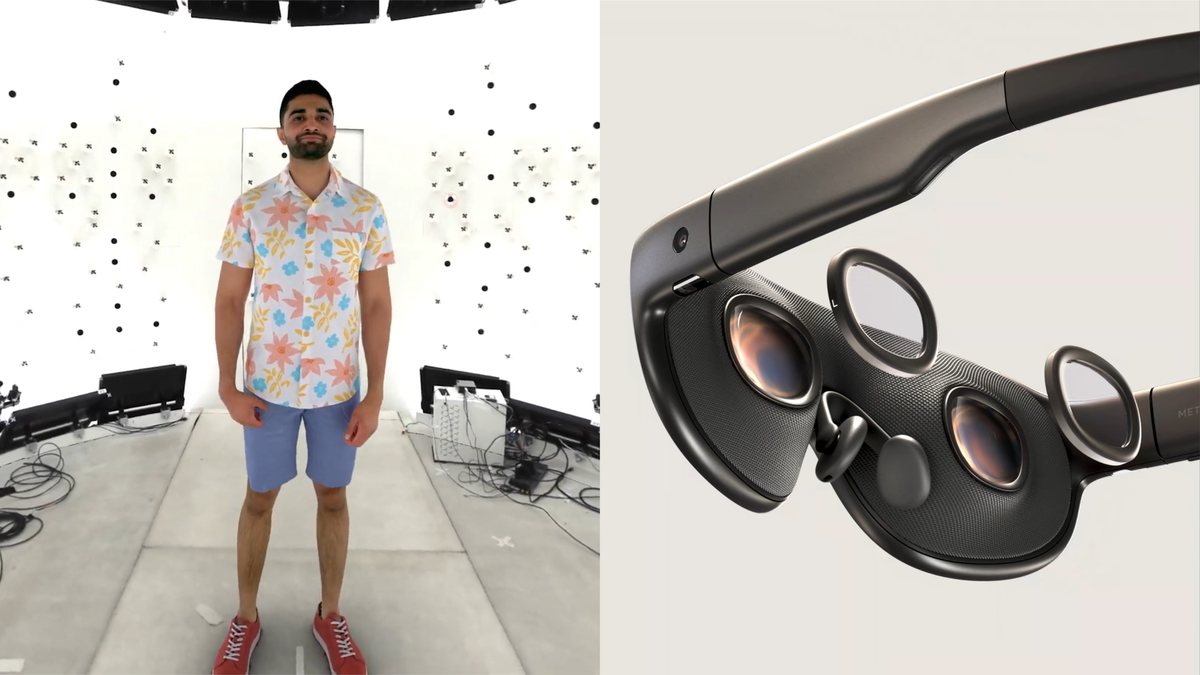
Project Phoenix (also identified in internal documentation under the codenames "Stanley" and "Loma") is designed to succeed where the Meta Quest Pro faltered. It is a high-end, "open-periphery" device that prioritizes comfort and aesthetics without sacrificing computational power.
The Hardware Architecture
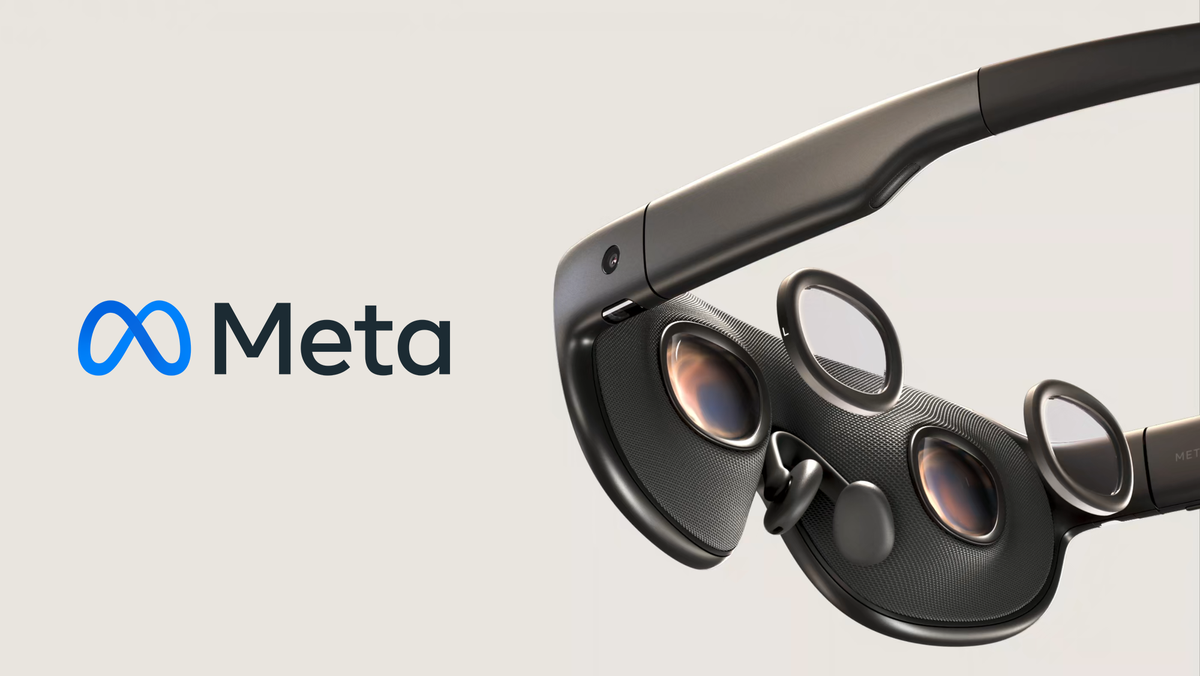
Unlike the standalone Quest 3 or Quest 3S, Project Phoenix utilizes a "tethered compute puck" architecture. By offloading the battery, processing units, and thermal management systems to a external module—likely worn on a belt or placed in a pocket—Meta has been able to reduce the headset’s front-end weight significantly. The result is a form factor that more closely resembles bulky safety glasses than a traditional VR goggle.

Technical specifications gleaned from Horizon OS firmware suggest the device utilizes high-resolution Passthrough VR (Mixed Reality) rather than see-through optics. While some marketing materials may refer to it as "VR Glasses," it operates on the same fundamental principle as the Quest 3: using external cameras to digitize the physical world and re-render it to the user with digital overlays.
The "Hologram" Experience
The headline feature for Connect 2026 is expected to be a live demonstration of "Hologram Calling." This system leverages "Codec Avatars"—photorealistic 3D representations of users generated through machine learning. Unlike the stylized, cartoonish avatars currently found in the Quest ecosystem, these holograms aim for total fidelity, capturing subtle facial expressions, skin textures, and body language.

Reports indicate that Meta’s Chief Technology Officer, Andrew Bosworth, may appear as a full-body hologram during the keynote speech, demonstrating the system’s ability to project a lifelike human figure into a remote viewer’s physical space in real-time.
Chronology: The Road to Photorealism
The journey to Project Phoenix and Codec Avatars has been a multi-year endeavor, transitioning from high-end laboratory prototypes to consumer-ready mobile applications.

- 2019–2021: The Research Phase: Meta’s Reality Labs Research (formerly Oculus Research) began publishing papers on Codec Avatars. Early versions required a "Project Warhol" capture rig—a massive spherical structure equipped with hundreds of cameras and lights—to create a single digital likeness.
- October 2022: Meta Connect: Mark Zuckerberg first teased the progress of Codec Avatars, showing a pre-rendered conversation between two photorealistic versions of himself and Andrew Bosworth.
- September 2023: The Lex Fridman Interview: In a watershed moment for the technology, Zuckerberg appeared on Lex Fridman’s podcast via a VR interview. Both participants used prototype Codec Avatars rendered on high-end PCs. The interview went viral, demonstrating that the "uncanny valley" was finally being bridged.
- 2024–2025: Mobile Distillation: Meta researchers published "SqueezeMe" and other papers detailing how these massive AI models could be "distilled" to run on mobile-class hardware, such as the Snapdragon chips found in the Quest series.
- August 2026: Firmware Leaks: Deep dives into Horizon OS and the Meta AI mobile app revealed strings for "Hologram Calling," "Hologram Setup," and visual assets showing photorealistic avatars being used in conjunction with smart glasses and the Phoenix headset.
Supporting Data: Firmware Insights and Technical Foundations
The existence of Project Phoenix is no longer a matter of speculation, as Meta’s own software updates have provided a roadmap for the device’s capabilities.
Horizon OS Discoveries
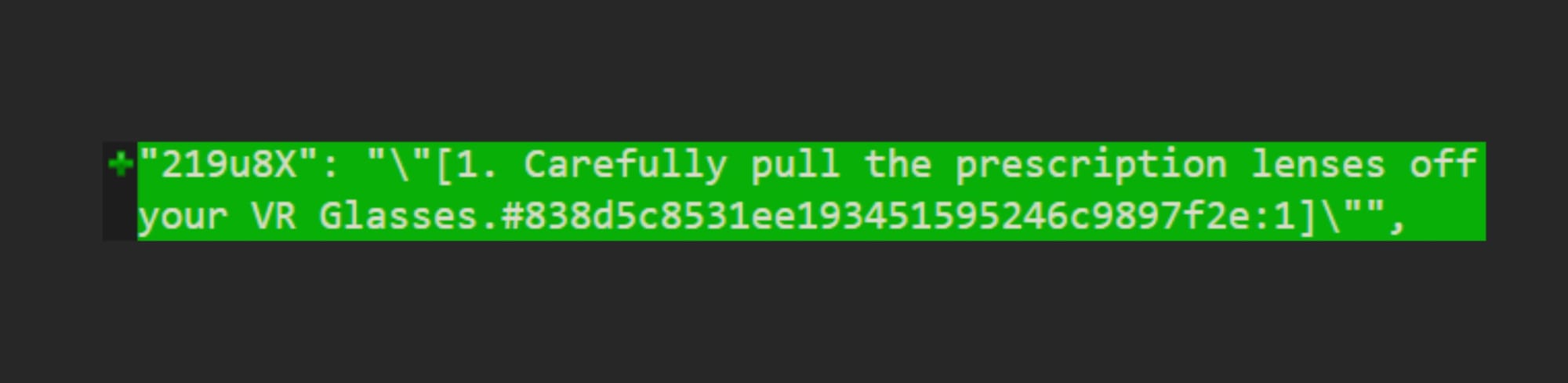
Recent builds of Horizon OS (the operating system formerly known as Quest OS) have revealed clear visuals of the Phoenix headset. These assets show a slim visor connected by a thin cable to a circular compute puck. Furthermore, strings found in the "Prescription Lens" firmware package explicitly reference "VR Glasses," suggesting Meta is leaning into a more lifestyle-oriented branding for the device.
Large-Scale Codec Avatars (LCA)
A critical technical backbone for this launch is a research paper titled "Large-scale Codec Avatars: The Unreasonable Effectiveness of Large-scale Avatar Pretraining." This research, presented at CVPR 2026, showcased a model capable of generating full-body avatars from limited input (such as a few smartphone selfies) and driving them using only the inward-facing and SLAM (Simultaneous Localization and Mapping) sensors on a headset. This eliminates the need for the expensive "capture rigs" of the past, making the technology accessible to the average consumer.
Productivity and Entertainment
Internal reports describe Phoenix as a "productivity and entertainment tool." Marketing plans for 2026 reportedly focus on two primary use cases:
- Virtual Screens: Allowing users to replace multiple physical monitors with high-resolution floating windows.
- Immersive Cinema: Positioning the device as a premier way to watch films in a virtual theater environment, rivaling the "Cinema" mode on the Apple Vision Pro.
Official Responses and Executive Involvement
While Meta has not officially confirmed the specific details of "Project Phoenix," the company’s leadership has been increasingly vocal about the upcoming Connect 2026 event.
In a recent internal review, Mark Zuckerberg and Andrew Bosworth reportedly vetted the hologram-like video call experience. Sources close to the project suggest that the decision to feature a live "hologram" of Bosworth was made to emphasize the low latency and high fidelity of the current system.

When asked for comment on the leaked firmware strings, Meta spokespeople have maintained their standard policy of not commenting on "unreleased hardware or internal roadmaps." However, during the Q2 2026 earnings call, Zuckerberg noted that "the next generation of wearable AI and spatial computing will focus on bringing people together in ways that feel physically present," a clear nod to the Codec Avatar initiative.
Strategic Implications: The Future of the Metaverse
The launch of Project Phoenix and Hologram Calling carries immense weight for Meta’s long-term strategy and the broader tech industry.

Competitive Positioning
Meta is currently locked in a "presence war" with Apple. While Apple’s Vision Pro introduced "Personas," many critics found them to be somewhat ghostly or "uncanny." If Meta can successfully deliver full-body, photorealistic avatars that feel grounded in the user’s environment, they could reclaim the narrative that Meta is the leader in social VR/MR.
The Shift to "VR Glasses"
By moving toward the "VR Glasses" terminology and utilizing a compute puck, Meta is attempting to solve the "social acceptability" problem that has plagued VR since its inception. A lighter, sleeker device that doesn’t isolate the user from their surroundings (via open-periphery design) is more likely to see adoption in office environments and public spaces.

Privacy and Data Concerns
The move toward photorealistic avatars and sensor-heavy headsets is not without controversy. The Information has noted mounting privacy concerns regarding the amount of biometric data required to "drive" a Codec Avatar. Meta will likely face intense scrutiny regarding how facial tracking data and "body-pose" telemetry are stored and whether this data could be used for advertising or emotional profiling.
The End of the "Avatar" as We Know It
For a decade, the "Metaverse" was represented by legless, cartoon characters. Project Phoenix marks the end of that era. By prioritizing photorealism, Meta is signaling that the metaverse is not a place for "escapism" into a digital fantasy, but a "tool for extension" of the real world.

Conclusion
Meta Connect 2026, scheduled for September 23-24, is shaping up to be a defining moment for the company. Project Phoenix represents the culmination of billions of dollars in R&D and a high-stakes bet that users want photorealistic telepresence more than they want stylized virtual worlds. If the live demo of Andrew Bosworth’s hologram succeeds, it may well mark the beginning of the end for traditional 2D video calling, ushering in an era where "being there" no longer requires a plane ticket.