
The Spielberg Resurgence: Why ‘Disclosure Day’ is the Definitive Cinematic Event of 2026
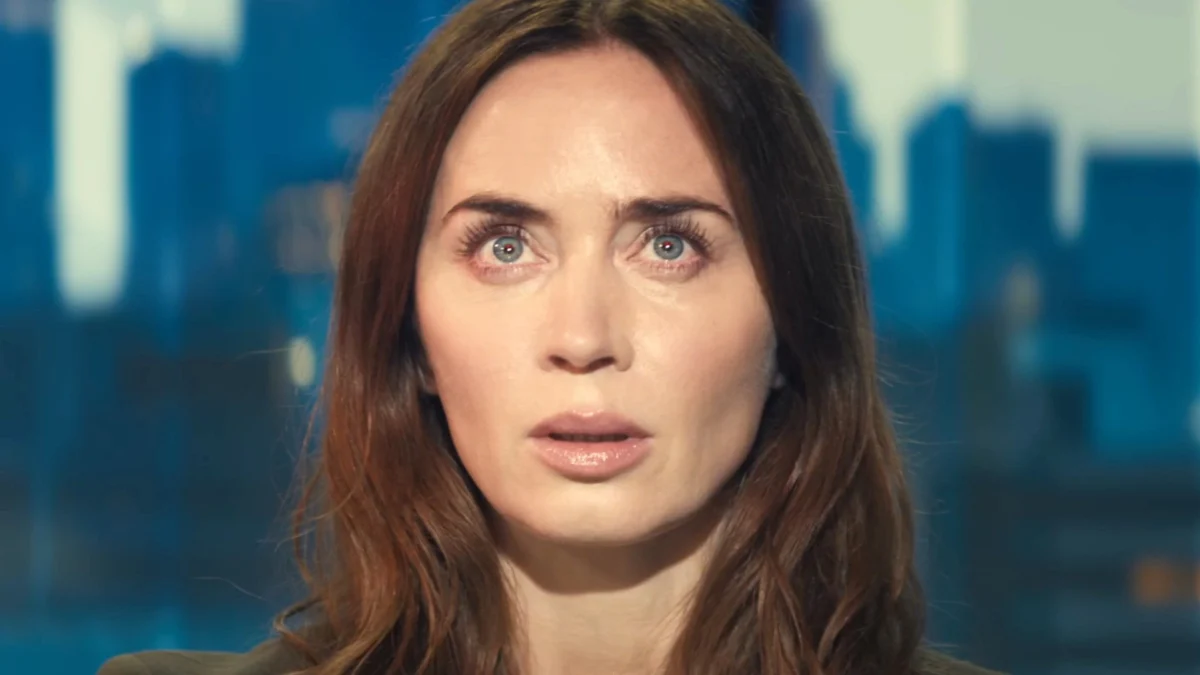
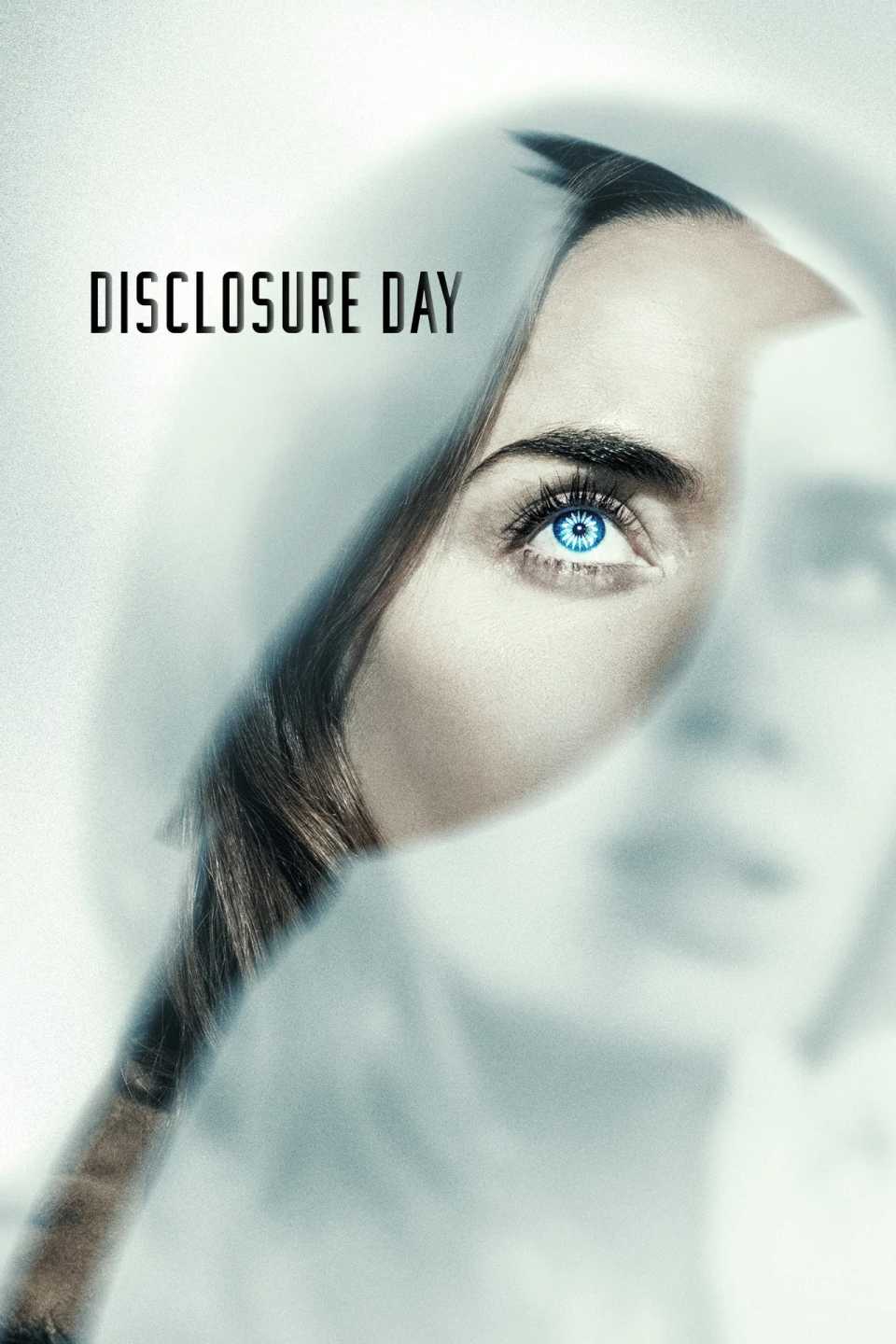
The landscape of modern cinema is often defined by its cycles of nostalgia and innovation. In the summer of 2026, these two forces are poised to collide in what industry analysts are calling the most significant theatrical release of the decade. Steven Spielberg, the architect of the modern blockbuster, is returning to the genre that cemented his legend. His latest opus, Disclosure Day, scheduled for release on June 12, 2026, is not merely a movie; it is a cultural inflection point that seeks to redefine the science fiction genre for a new generation.
As the global box office grapples with franchise fatigue and a shifting appetite for original storytelling, Spielberg’s return to the realm of extraterrestrial life feels both timely and necessary. With a runtime of 145 minutes and a screenplay by long-time collaborator David Koepp, Disclosure Day arrives at a moment when the line between science fiction and reality has never been thinner.
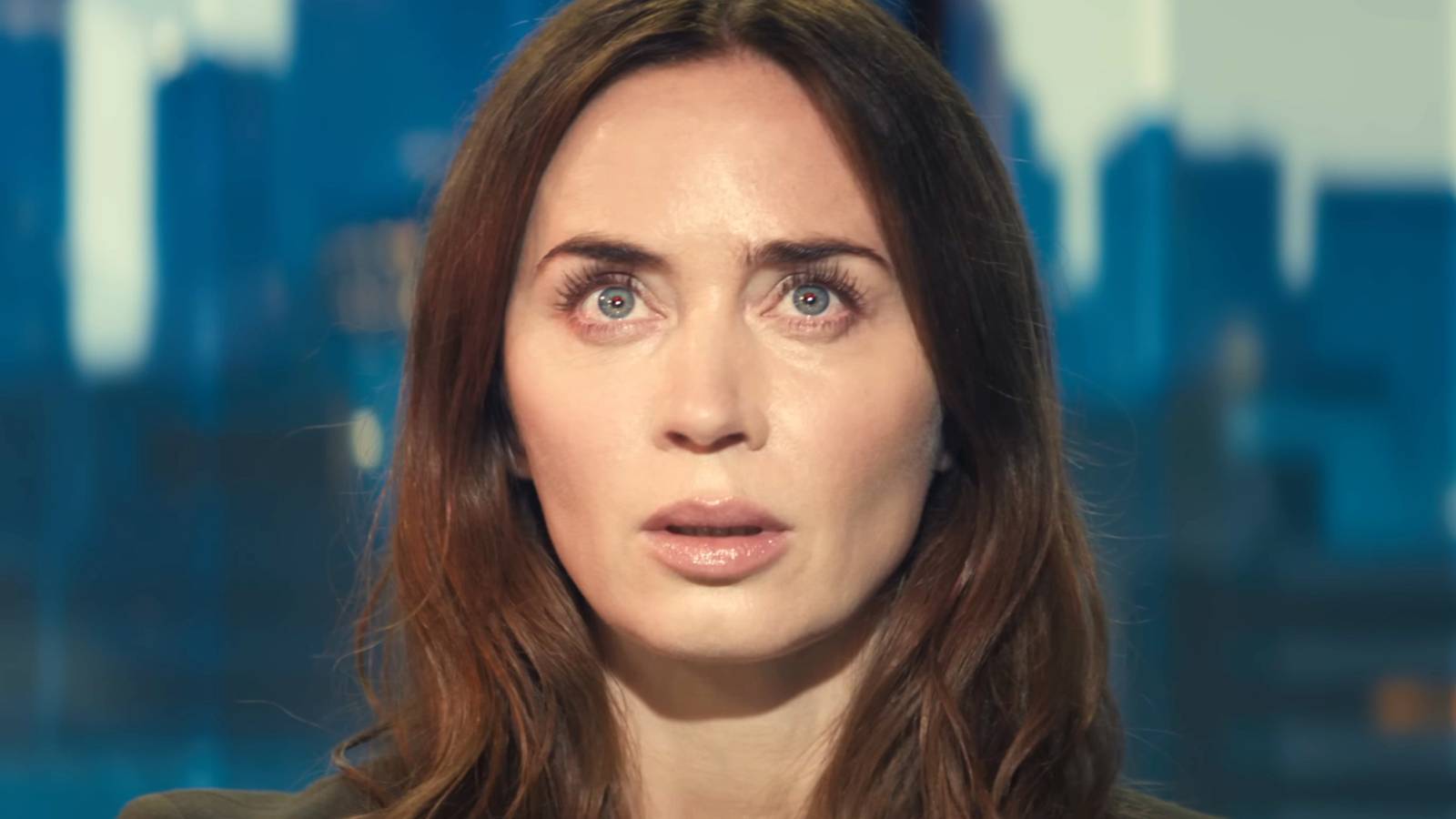
Main Facts: The Architecture of a Blockbuster
At its core, Disclosure Day is a high-concept science fiction drama that centers on the societal, political, and spiritual ramifications of humanity finally acknowledging an extraterrestrial presence. While the plot has been kept under tight wraps—with a marketing campaign that notably omits the film’s entire third act—the foundational elements suggest a return to the "grounded" science fiction that characterized Spielberg’s early career.
A Powerhouse Collaboration
The film marks a reunion between Spielberg and David Koepp, the screenwriter responsible for the narrative engines of Jurassic Park and War of the Worlds. Koepp’s involvement suggests a script that balances visceral tension with intellectual depth. Early reports describe the narrative as an "X-Files-meets-The Bible" epic, implying a story that treats alien contact not just as a physical event, but as a metaphysical revelation.

The Ensemble Cast
Spielberg has assembled a cast that represents the current "A-list" of dramatic and commercial viability:
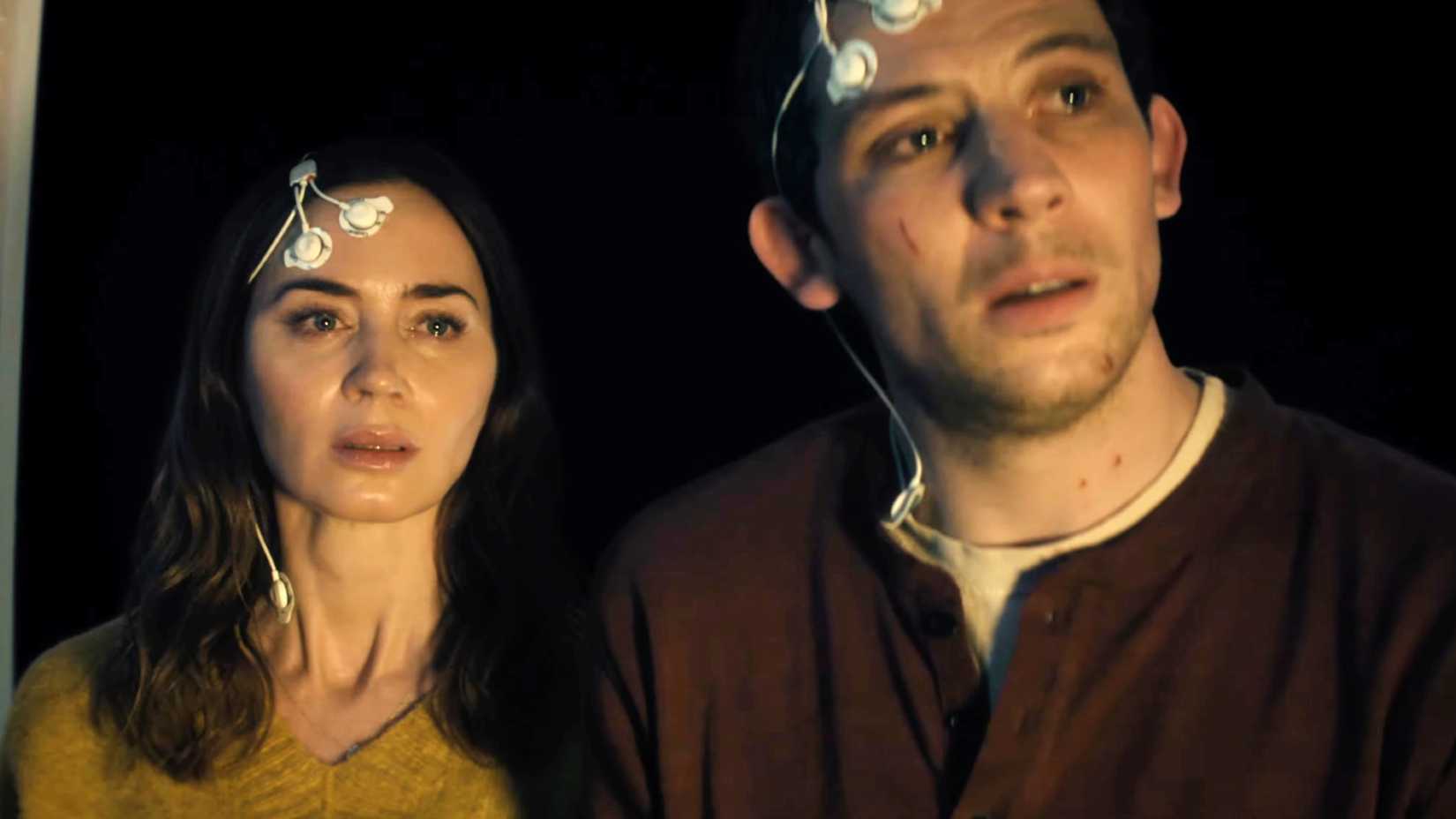
- Emily Blunt: Fresh off the massive success of The Smashing Machine and The Devil Wears Prada 2, Blunt takes a central role that is rumored to be her most demanding performance to date.
- Josh O’Connor: Continuing his meteoric rise following Challengers and Wake Up Dead Man: A Knives Out Mystery, O’Connor brings a unique, modern charisma to the film.
- Supporting Excellence: The cast is rounded out by Academy Award winner Colin Firth, Colman Domingo (Michael), and Wyatt Russell (*Thunderbolts**), ensuring that the human element of the story is as compelling as the visual effects.
Chronology: Spielberg’s Evolution in the Science Fiction Genre
To understand the weight of Disclosure Day, one must look at the half-century of filmmaking that led to its creation. Spielberg’s filmography is a timeline of how humanity views the "Other."
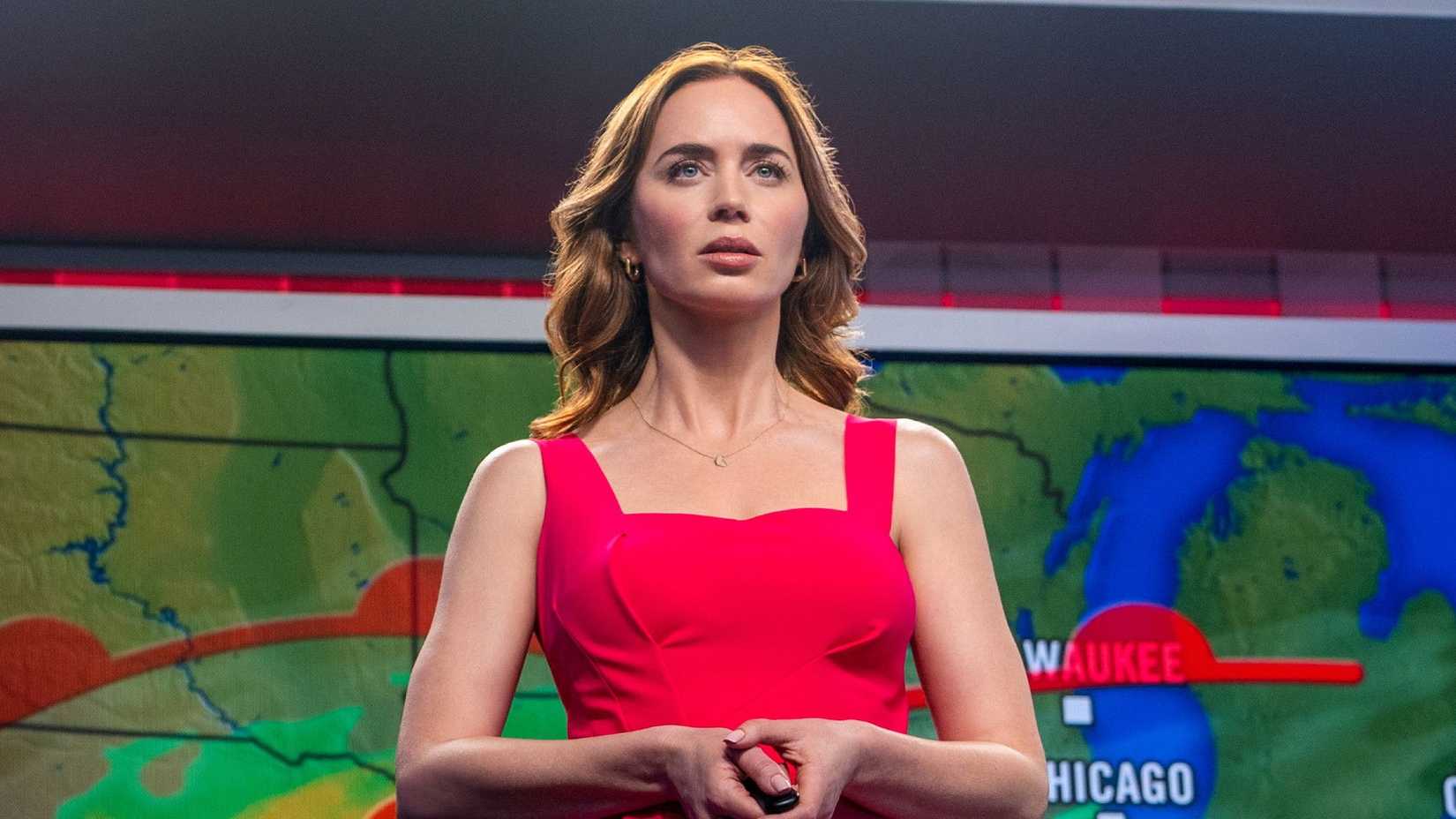
The 1970s and 80s: Wonder and Innocence
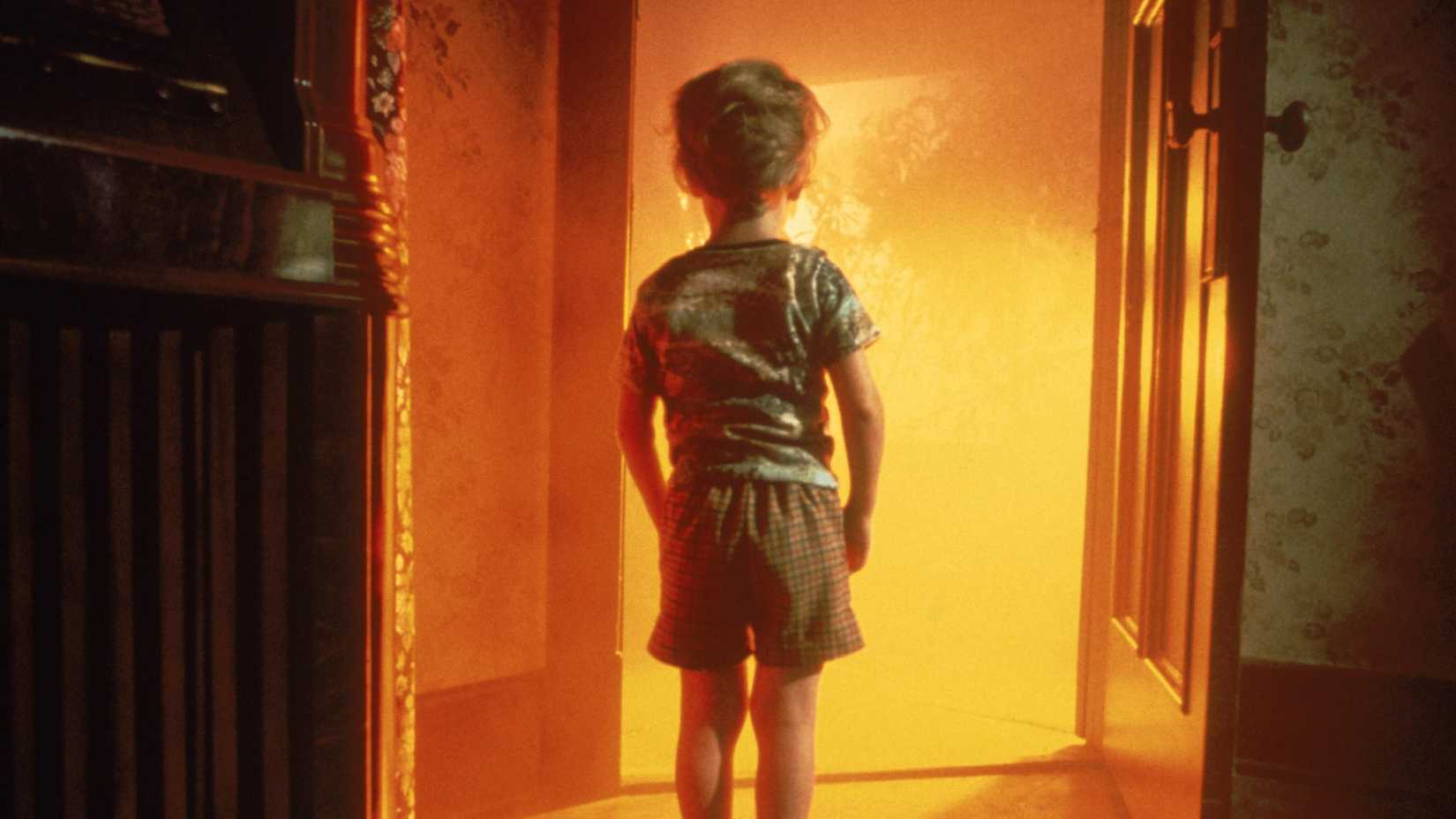
In 1977, Spielberg released Close Encounters of the Third Kind, a film that moved away from the "invader" tropes of 1950s sci-fi and replaced them with a sense of religious awe. This was followed by 1982’s E.T. the Extra-Terrestrial, which personalized the alien experience through the lens of childhood and empathy.
The 1990s and 2000s: Technological Terror
As the director matured, his view of science and the unknown darkened. Jurassic Park (1993) warned of the hubris of man, while A.I. Artificial Intelligence (2001) and War of the Worlds (2005) explored the colder, more terrifying aspects of non-human intelligence and existential threats.
2026: The Spiritual Successor
Disclosure Day is being positioned as a spiritual evolution of Close Encounters. While it is not a direct sequel, insiders suggest the film will finally provide thematic "answers" to the questions posed in the 1977 classic. It represents the "Third Act" of Spielberg’s lifelong fascination with the stars—a transition from the wonder of contact to the consequences of disclosure.
Supporting Data: The 2026 Box Office Landscape
The anticipation for Disclosure Day is bolstered by a significant shift in audience behavior. The 2026 cinematic season has been marked by a cooling of interest in long-running franchises.
The Decline of the "Safe" Bet
The recent release of The Mandalorian and Grogu saw the lowest opening weekend for a Star Wars film in the Disney era. This data point is crucial; it suggests that even the most established IPs are no longer guaranteed "event" status. In contrast, audiences are gravitating toward "Director-as-Brand" events. The massive success of original properties and unique adaptations—such as Project Hail Mary and the surprisingly dominant The Minecraft Movie—proves that viewers are hungry for fresh visual languages.
The "Oppenheimer" Effect
The industry is still feeling the ripples of the "Barbenheimer" phenomenon of years past. Disclosure Day is tracking to follow the Oppenheimer model: a sophisticated, long-form drama directed by a master of the craft that captures the cultural zeitgeist. With the box office success of the thriller Obsession currently dominating the charts, the stage is set for a high-concept film like Disclosure Day to clear the $1 billion hurdle.
Official Responses and Early Critical Reactions
While full reviews remain under embargo until closer to the June 12 release, the "first reactions" from industry screenings have been nothing short of hyperbolic. The consensus suggests that Spielberg has reclaimed his throne as the premier visual storyteller of the medium.
Critic Testimonials
- Jim Hemphill (X): Hemphill described the film as "top-tier Spielberg," noting that the director "lays down the gauntlet and reminds you that he does this stuff better than anybody in the history of film."
- Bill Bria (X): Bria focused on the technical and narrative synergy, praising David Koepp’s script and the musical score (rumored to be another collaboration with a legendary composer). He noted that the film’s blend of investigative procedural and biblical scale creates a "palpable energy" rarely seen in modern cinema.
These reactions are particularly notable because they highlight the film’s ability to transcend genre. It is being treated not just as a "space movie," but as a definitive statement on the human condition.
Implications: The Reality of Disclosure in the Modern Age
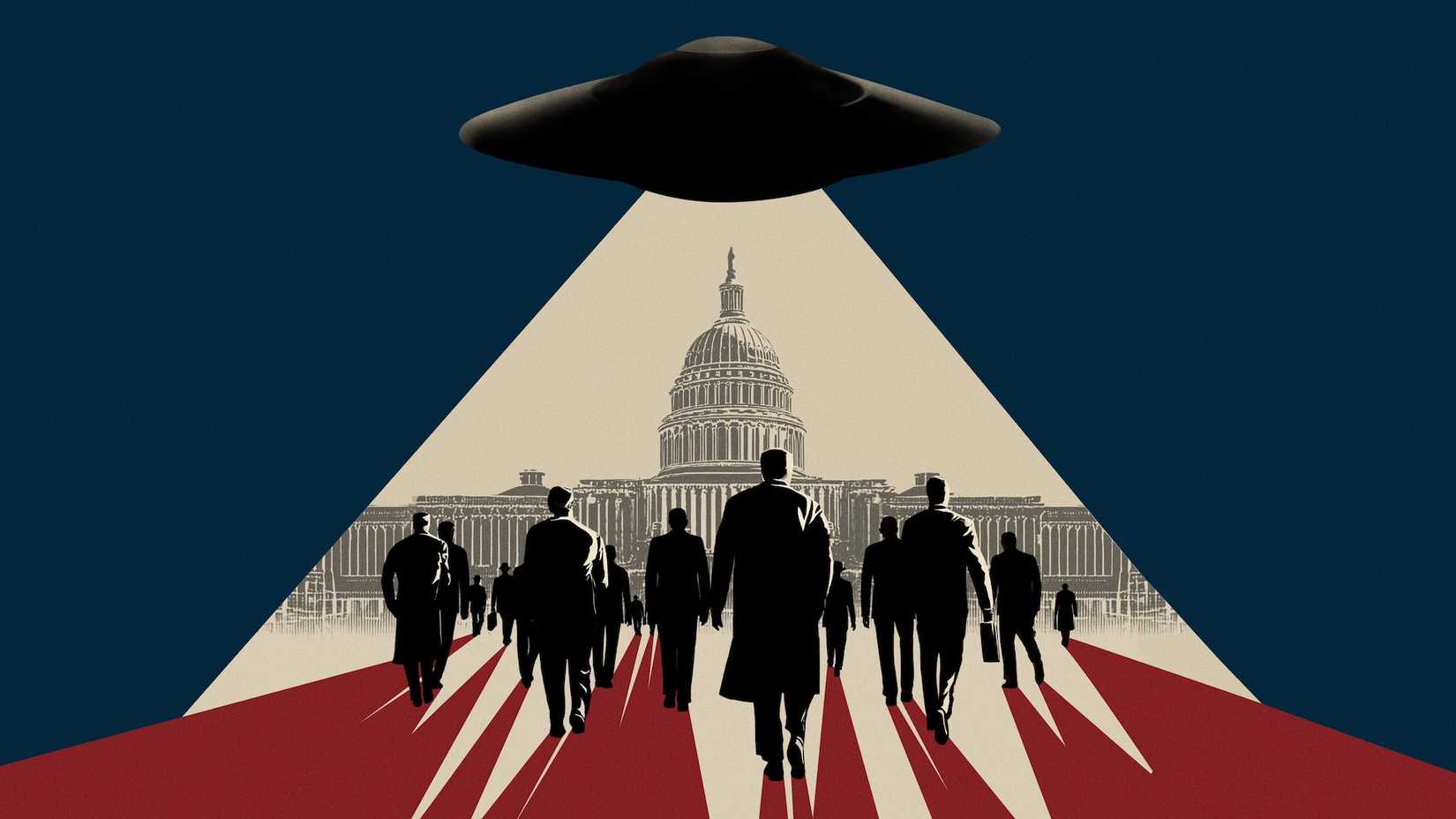
Perhaps the most compelling reason for the film’s projected importance is its relevance to real-world events. The title, Disclosure Day, leans directly into a burgeoning global movement regarding UAPs (Unidentified Aerial Phenomena) and government transparency.
Art Imitating Life
In 2025, the documentary The Age of Disclosure became a surprise hit on streaming platforms, detailing leaked documents and the increasing pressure on world governments to reveal what they know about extraterrestrial life. This cultural obsession has been fueled by comments from high-ranking officials, including former President Barack Obama, who in 2024 acknowledged that there are "footages and records of objects in the skies that we don’t know exactly what they are."

The "Knowledge" Gap
Spielberg has always been a filmmaker who stays close to the pulse of scientific and military developments. There is rampant speculation within the UFO research community that Spielberg’s film may be utilizing "soft disclosure"—using fiction to prepare the public for actual scientific revelations. By leaving the final third of the film out of all marketing materials, Spielberg is creating a collective "Event" where the entire world will discover the "truth" of the film simultaneously.
Conclusion: A New Era for the Blockbuster
As June 12, 2026, approaches, the pressure on Disclosure Day is immense. It carries the weight of a legendary director’s legacy, the financial hopes of a studio, and the curiosity of a global audience that feels as though it is on the precipice of a real-world discovery.

By combining the casting brilliance of Emily Blunt and Josh O’Connor with the narrative precision of David Koepp, Spielberg is not just making a movie; he is crafting a mirror. Disclosure Day promises to be a film that looks back at us, questioning how we would react if the greatest mystery in human history was finally solved. In an era of digital distractions and fragmented media, Spielberg is attempting the impossible: to bring the entire world into a single darkened room to look up at the screen in awe, just as we did fifty years ago.
If the early reactions are to be believed, he has succeeded. Disclosure Day isn’t just the most important movie of 2026—it may be the most important movie of the new century.



Leave a Comment