The State of Speculative Fiction: Locus Magazine’s November 2026 Issue Charts a Changing Landscape
Introduction: A Milestone in Literary Stewardship
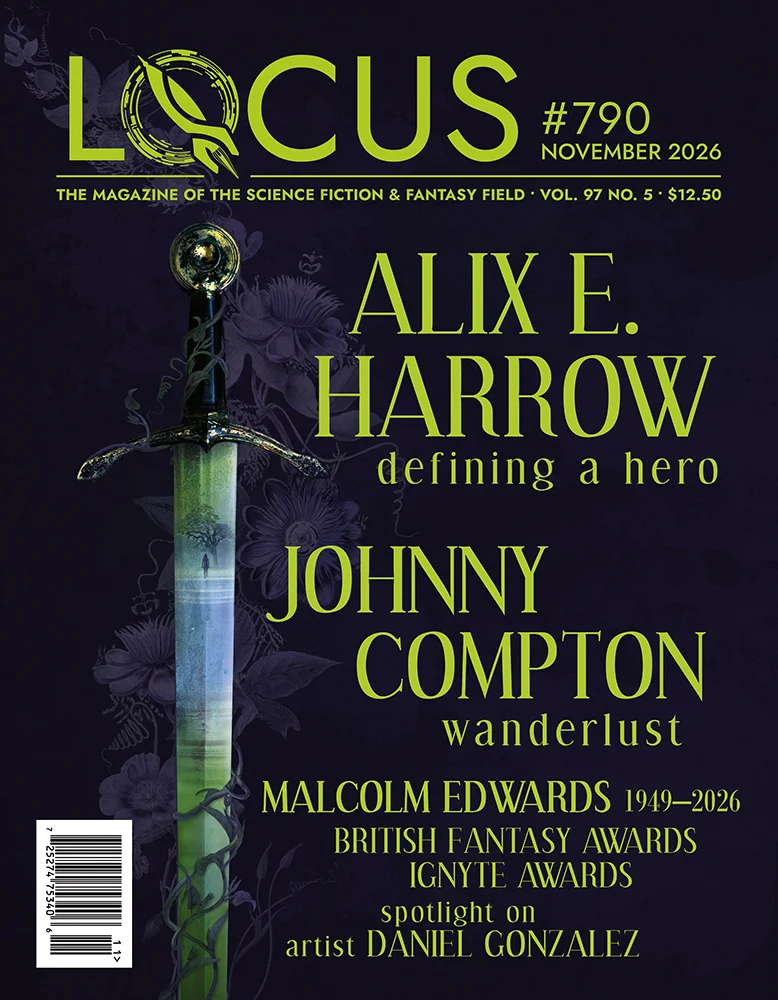
In the fast-evolving world of speculative fiction, few institutions command as much respect or offer as much clarity as Locus magazine. As it enters its 59th year of publication, the newly released November 2026 issue (#790) serves as a profound testament to the genre’s enduring vitality and its current period of transition. A 30-time Hugo Award winner, Locus continues to act as the "newspaper of record" for science fiction, fantasy, and horror.
The November issue is a dense, 62-page compendium that balances the somber duty of remembrance with the celebratory task of spotlighting new talent. From the passing of industry titans to the unveiling of long-awaited collaborations by legends like Stephen King and Peter Straub, Issue #790 captures a snapshot of a community grappling with its history while aggressively defining its future.
Chronology of a Genre in Flux: The Legacy of Malcolm Edwards
The centerpiece of the issue’s news coverage is a comprehensive tribute to Malcolm Edwards (1949–2026), whose death earlier this year sent shockwaves through the global publishing community. Edwards was more than an editor; he was a foundational architect of modern British science fiction. His career spanned decades at Gollancz and HarperCollins, where he championed voices that would eventually define the "New Space Opera" and the "literary SF" movements.

The November issue features deeply personal appreciations from some of the biggest names in the field, including William Gibson, Gillian Redfearn, Darren Nash, and Jim Frenkel. These tributes trace a chronology of Edwards’ influence, from his early days in fandom to his role in making the Gollancz "SF Masterworks" series a global gold standard. The consensus among these luminaries is clear: the professionalization and elevated literary status of SF in the 21st century owe a massive debt to Edwards’ discerning eye and relentless advocacy.
Following this retrospective, the issue moves into the immediate present, reporting on the most recent accolades in the field. This includes Alex T. Singer’s prestigious Theodore Sturgeon Memorial Award win and the results of the Ignyte Awards, which continue to emphasize the importance of diversity and inclusivity within speculative spaces. By placing these events side-by-side, Locus illustrates the cycle of the genre: the passing of the old guard and the rising of a new, more inclusive generation of storytellers.
Supporting Data: The 2026 Literary Harvest
A significant portion of Issue #790 is dedicated to its legendary review section, which remains the most comprehensive in the industry. The sheer volume of data provided—covering short fiction, debut novels, and major releases—offers a quantitative look at the health of the market.
The Heavyweights and the Returns
Perhaps the most discussed review in this issue is for Other Worlds Than These by Stephen King and Peter Straub. For decades, fans of The Talisman and Black House have awaited a third collaboration between these two masters of the macabre. Ian Mond’s review provides a critical look at whether this late-career reunion lives up to the monumental expectations of the "Talisman" mythos.
Short Fiction Vitality
The magazine tracks the "pulse" of the short fiction market through dedicated columns by Maria Haskins, A.C. Wise, Paula Guran, and Rich Horton. The reviews cover a staggering array of venues, including:

- Digital Powerhouses: Clarkesworld, Lightspeed, and Uncanny.
- Specialized Markets: Beneath Ceaseless Skies (fantasy), The Dark (horror), and Flash Fiction Online.
- Audio and Global Markets: Escape Pod, PodCastle, and the Urdu-focused Tasavvur.
This data suggests that despite the pressures of the digital economy, the short story remains the "R&D department" of the genre, where experimental forms and global voices—such as those found in Xueting C. Ni’s China+100 anthology—first gain traction.
The Spotlight on Visual Narrative
Art remains central to the Locus identity. The November issue features a spotlight on artist Daniel Gonzalez, whose work reflects the contemporary trend of blending traditional folk aesthetics with surrealist science fiction. This focus on the visual reminds readers that speculative fiction is a multi-sensory experience, as crucial to the gallery as it is to the bookstore.
Official Responses: Industry Controversies and Corporate Shifts
Journalism requires looking at the "friction" within an industry, and Locus #790 does not shy away from the ongoing labor and contractual disputes at "Must Read." The magazine continues its coverage of the controversies surrounding the publisher’s contract terms, which have drawn fire from authors and agents alike. By documenting these "Must Read Under Fire" updates, Locus provides a platform for the official and unofficial responses that shape the professional standards of the field.
Furthermore, the "Data File" section reports on several major corporate shifts:
- Penguin Random House (PRH): The launch of "Dusk," a new imprint dedicated to the "darker" side of speculative fiction, suggests a corporate pivot toward the surging popularity of "dark academia" and "romantasy" crossovers.
- Union Square: The announcement of a dedicated novella program acknowledges the changing consumption habits of readers who increasingly favor the "long-form short story" or "short-form novel."
- Hachette Book Group (HBG): Staffing updates and labor news indicate a broader industry-wide push for transparency and stability in a post-AI-disruption landscape.
Interviews: Defining the Modern Hero

The human element of the issue is anchored by two major interviews: Alix E. Harrow and Johnny Compton.
Alix E. Harrow, known for her Hugo-winning prose and her ability to deconstruct fairy tales, discusses "Defining a Hero." In an era where the "chosen one" trope is often viewed with skepticism, Harrow explores how modern fantasy can create heroes who are defined by community and collective action rather than individual destiny. Her insights provide a philosophical framework for where the "New Weird" and "Hopepunk" movements are heading.
Johnny Compton, whose interview is titled "Wanderlust," represents the booming "American Gothic" horror movement. Compton’s work often explores the intersection of geography, race, and the supernatural. His perspective highlights a growing trend in the genre: the use of horror to explore the "ghosts" of historical and social reality, rather than just monsters in the closet.
Implications: The Future of Speculative Discourse
The final section of the magazine, including Cory Doctorow’s provocative column "Everybody Pees," points toward the systemic implications of our current technological and social trajectory. Doctorow, a perennial critic of "enshittification" and digital monopolies, uses his platform to remind the SFF community that the stories we tell about the future are inseparable from the tools we use to tell them.
The Globalization of the Genre
The inclusion of reports from ICon 2026 in Tel Aviv and Litquake in San Francisco demonstrates that speculative fiction is no longer a Western-centric monolith. The genre is now a global conversation, with international rights news and translated works (like those by Kim Bohyun and Pol Guasch) taking up more space in the cultural consciousness.

The Resilience of the Physical and the Communal
Despite the digital nature of modern publishing, the "Photo Stories" from Brooklyn’s "Books & Booze" and the "KGB Reading" series emphasize the continued importance of physical community. Speculative fiction thrives on the "scene"—the gathering of minds in cramped bars and crowded convention halls.
Conclusion: A Compass for the Uncharted
Locus #790 is more than a magazine; it is a map. It shows where the genre has been (the legacy of Malcolm Edwards), where it is now (the contract battles and the rise of new imprints), and where it is going (the philosophical shifts discussed by Harrow and Doctorow).
As the 2026 literary season reaches its peak, the message from this issue is one of cautious optimism. The industry is facing significant headwinds—from corporate consolidation to the loss of its foundational figures—but the sheer volume of new, diverse, and high-quality work being reviewed suggests that the "Sense of Wonder" that defines speculative fiction is as potent as ever. For the reader, the scholar, or the industry professional, Locus remains the indispensable guide to navigating the infinite worlds of the human imagination.