The Sunset of an Era: Meta Formally Outlines End-of-Feature Roadmap for Quest 2 and Quest Pro
In a move that signals the closing of one chapter and the aggressive pursuit of the next, Meta Platforms Inc. has officially announced the "end-of-feature" timeline for two of its most significant hardware releases: the Meta Quest 2 and the Meta Quest Pro. According to a formal announcement directed at the developer community, both headsets will begin their transition into a legacy support phase starting in January 2027.
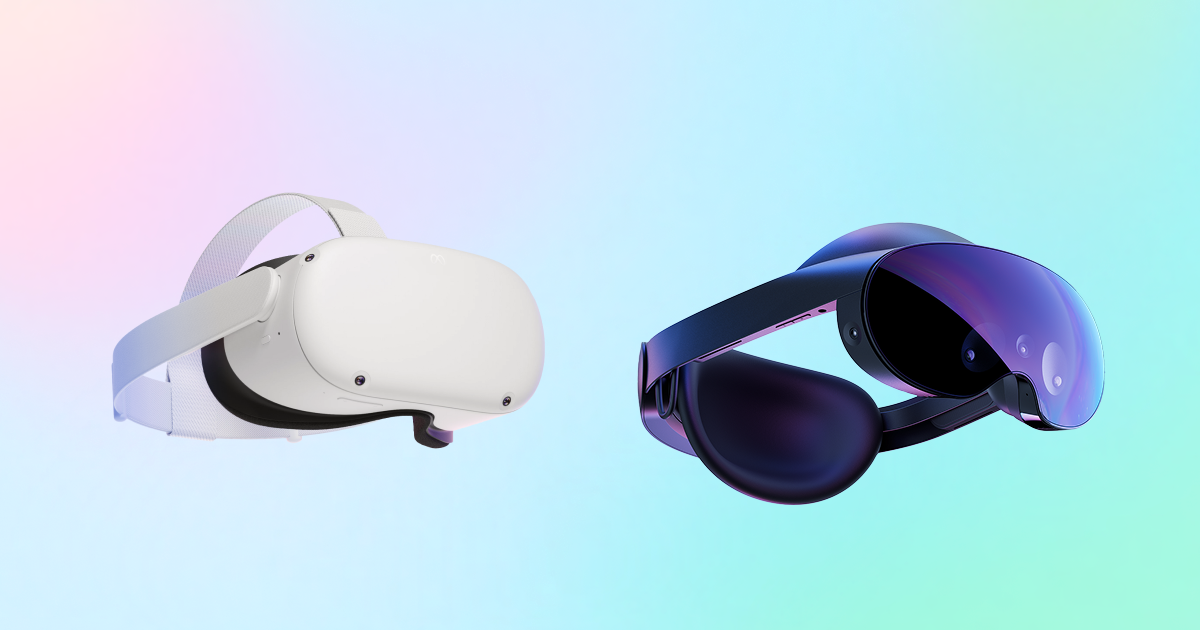
This decision marks a pivotal moment for the XR (Extended Reality) industry. The Quest 2 is widely credited with bringing virtual reality into the mainstream, while the Quest Pro served as Meta’s ambitious, albeit commercially troubled, foray into high-end enterprise hardware. As Meta pivots toward a future defined by Mixed Reality (MR) and lightweight wearables, the roadmap for these older devices provides a clear window into the company’s long-term hardware lifecycle strategy.
Main Facts: The Transition to Horizon OS 2.13
The sunsetting process is not an immediate "kill switch" but rather a phased withdrawal of active development. The centerpiece of this announcement is the designation of Horizon OS 2.13 as the final major operating system release for the Quest 2 and Quest Pro.
Key Deadlines and Technical Milestones:
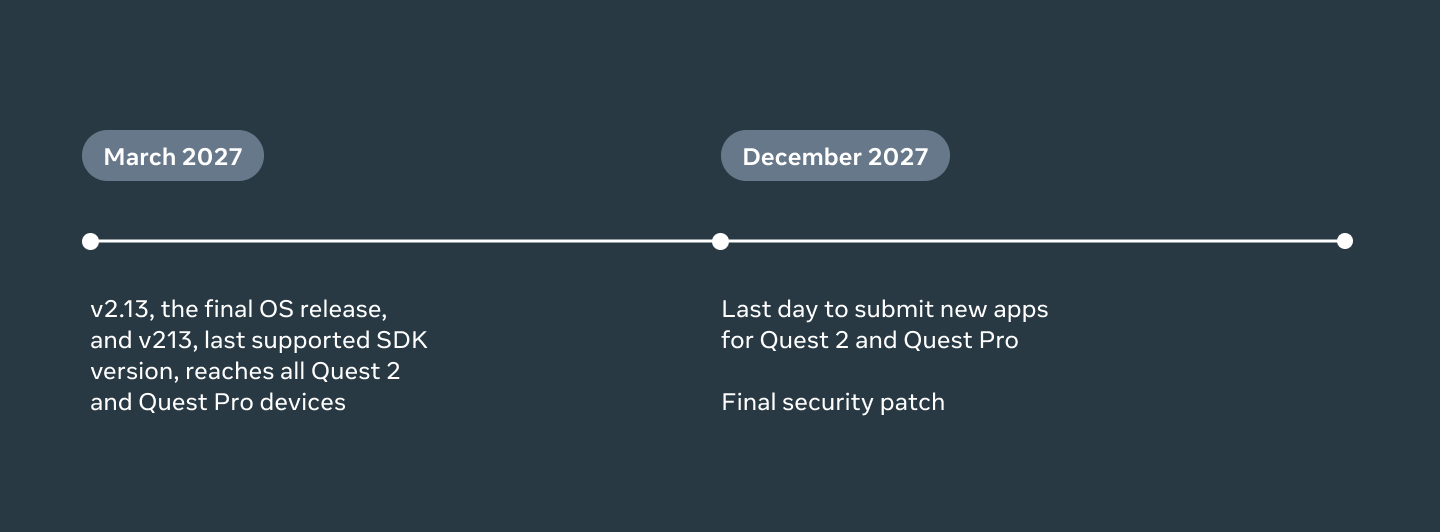
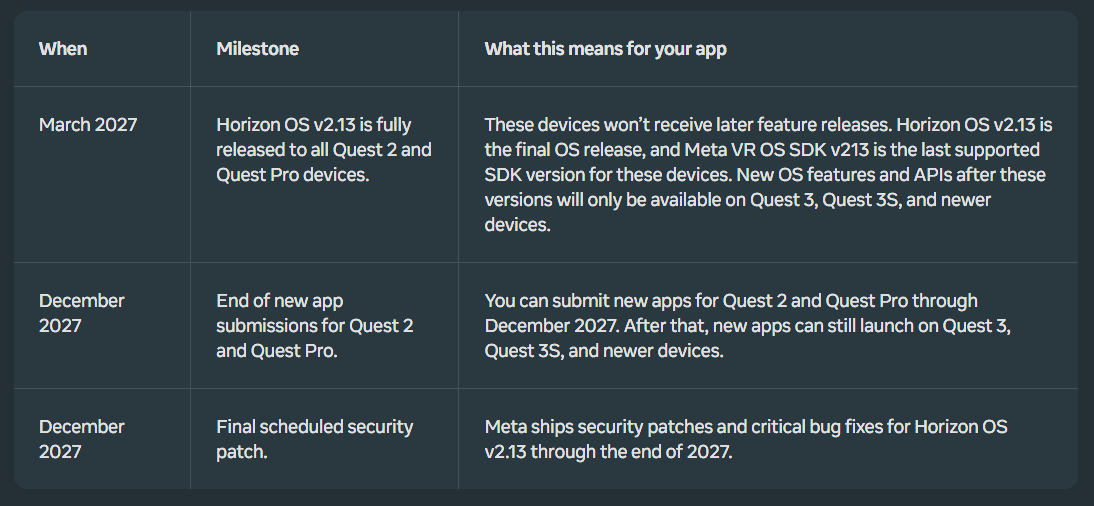
- January 2027: Horizon OS 2.13 begins its rollout. This version will be the terminal OS for both devices.
- March 2027: The final OS rollout is expected to reach all active devices globally.
- Meta VR OS SDK v213: This will be the final Software Development Kit (SDK) version to support the Quest 2 and Quest Pro.
- December 2027: Meta will cease accepting new app submissions that target these specific devices.
- Late 2027: Quarterly security patches and critical bug fixes will conclude, effectively ending Meta’s official support lifecycle for the hardware.
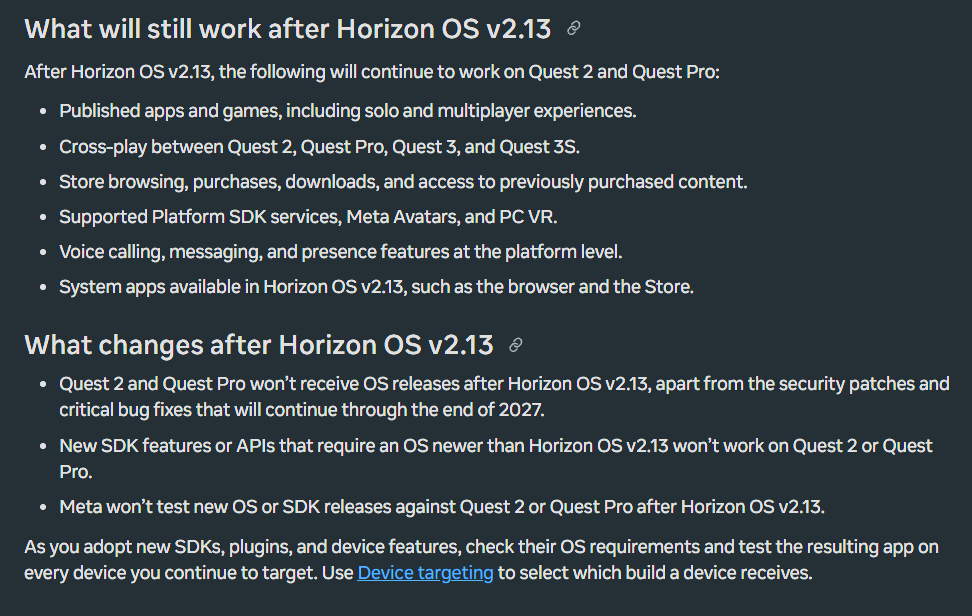
After the rollout of Horizon OS 2.13, any new system-level features, APIs, or platform capabilities will be exclusive to the Quest 3, Quest 3S, and future hardware. Crucially, Meta has stated that it will no longer test new OS and SDK releases against the Quest 2 or Quest Pro after this date, meaning any platform-wide updates for newer devices will not be back-ported or verified for the older hardware.
Chronology: From Mainstream Success to "Pro" Pivot
To understand the weight of this announcement, one must look at the divergent paths these two headsets took.
The Rise of the Quest 2 (October 2020)
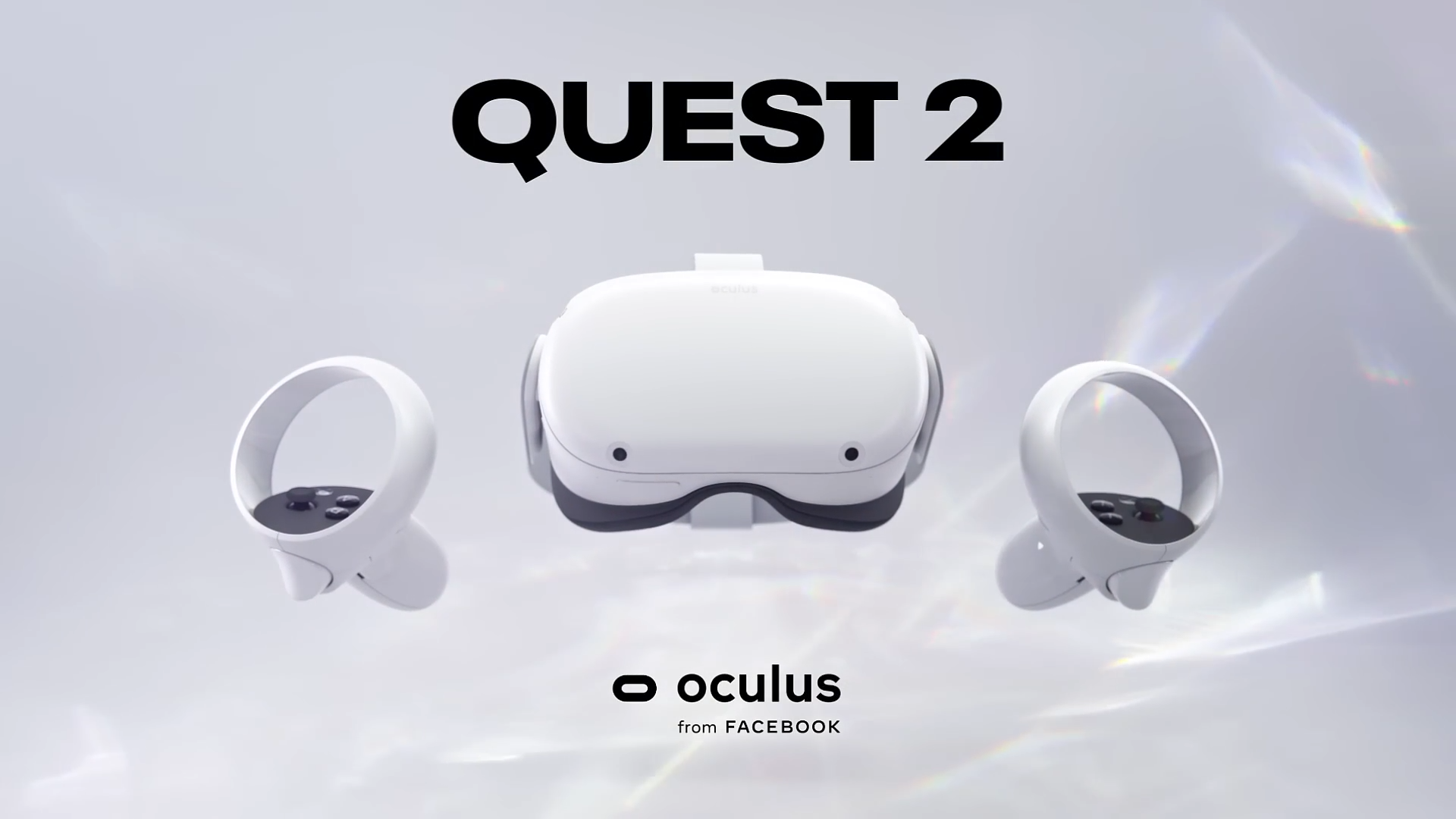
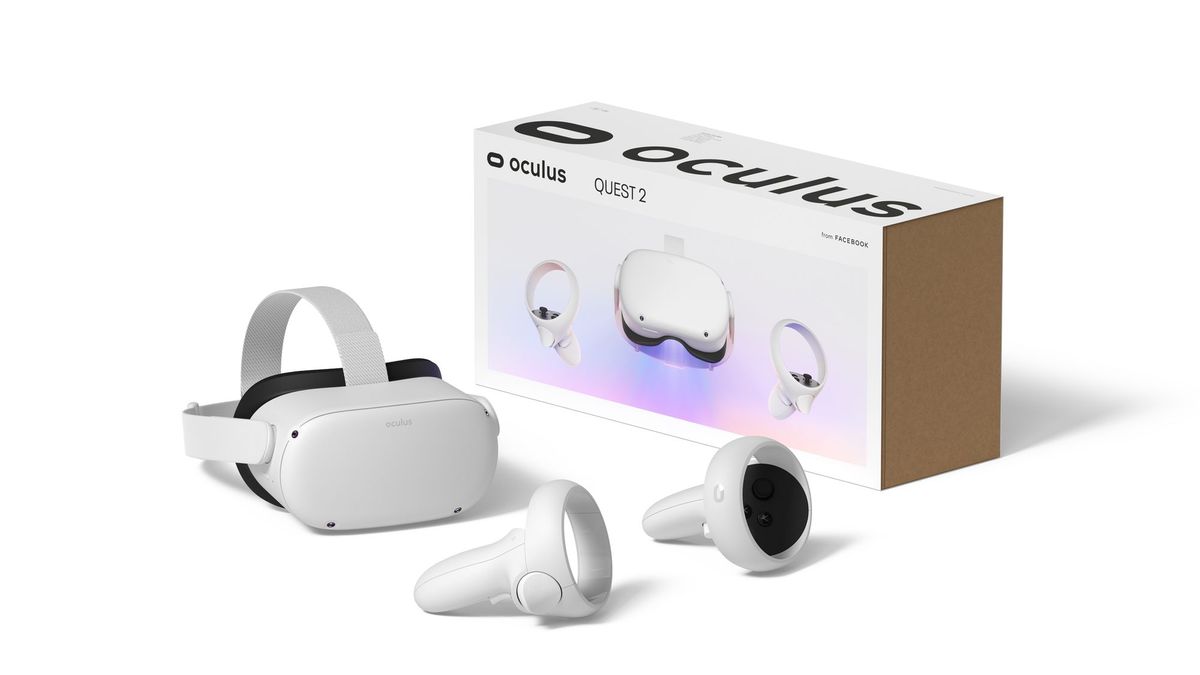
Launched originally as the Oculus Quest 2, this device was a phenomenon. Arriving during the height of the COVID-19 pandemic at a disruptive $300 price point, it offered a significant leap over the original Quest. It featured the Qualcomm Snapdragon XR2 Gen 1 chipset and a high-resolution display that made standalone VR truly viable for the masses.
By March 2023, internal Meta presentations leaked to the press indicated that the company had sold nearly 20 million Quest units, the vast majority of which were Quest 2s. It didn’t just outsell its predecessors; it outsold all previous Oculus headsets combined within its first six months. It remained the gold standard for value-driven VR for four years until the introduction of the Quest 3S in 2024.
The Quest Pro Experiment (October 2022)
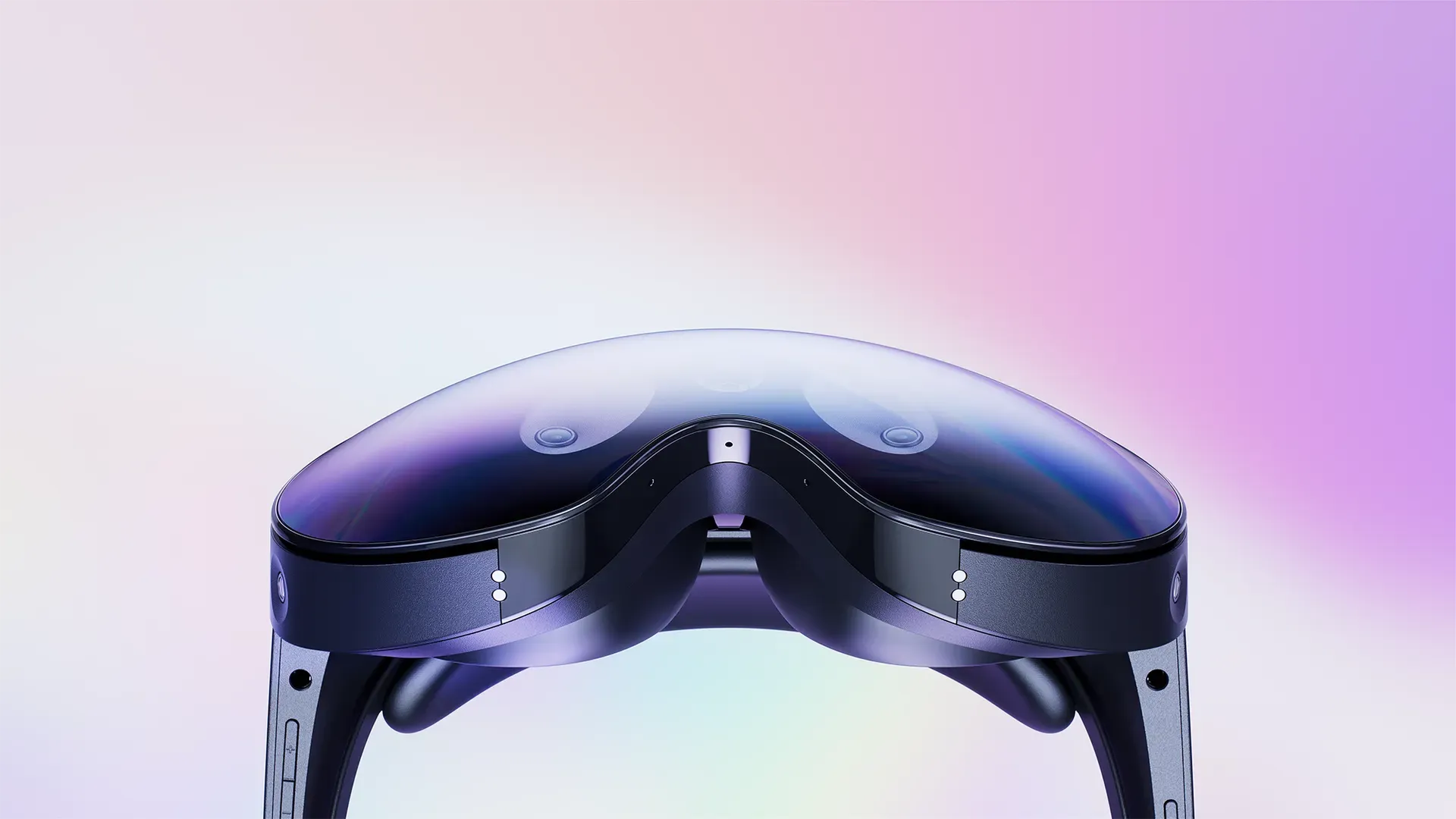
Two years after the Quest 2, Meta attempted to capture the high-end enthusiast and enterprise market with the Quest Pro. Priced at a staggering $1,500, it introduced groundbreaking technology: pancake lenses for a slimmer profile, self-tracking controllers, and integrated eye and face tracking.
However, the Quest Pro’s tenure was rocky. Just four months after launch, Meta slashed the price by $500 to $1,000, a move widely interpreted as a response to sluggish sales. The device’s value proposition was further undermined by the rapid approach of the Quest 3, which featured a GPU twice as powerful as the Pro’s for a third of the price. The Quest Pro eventually became a "developer’s bridge" rather than a commercial juggernaut.
The Succession (2023–2024)
The Quest 3 arrived in October 2023, shifting the focus from pure VR to Mixed Reality. This was followed by the Quest 3S in October 2024, which effectively cannibalized the Quest 2 by offering the Quest 3’s processing power and MR features at the Quest 2’s classic $300 price point.
Supporting Data: Lessons from the Original Quest
Meta’s 2027 timeline for the Quest 2 and Pro is not arbitrary; it follows a precedent established by the original Oculus Quest (Quest 1).
The Quest 1, launched in May 2019, followed a similar multi-year sunsetting path:

- January 2023: Meta announced the beginning of the end for Quest 1 features.
- February 2023: The device received its final OS update (v50).
- May 2024: New app submissions for Quest 1 were halted.
- August 2024: Security updates and bug fixes officially ended.
- January 2025: Developers were no longer allowed to include Quest 1 support in app updates.
By comparing the two timelines, it is evident that Meta aims to provide roughly 6–7 years of functional life for its mainstream "Quest" line. For the Quest 2, which launched in 2020, a 2027 sunset represents a seven-year lifecycle—a standard duration in the world of consumer electronics, comparable to a console generation or a high-end smartphone support window.
Official Guidance for Users and Developers
Meta has been careful to clarify that "end-of-feature" does not mean "end-of-life" for the user’s current library.
For Users:
Existing apps and games will remain fully functional. Users on Quest 2 and Quest Pro can still browse the store, purchase software, and participate in multiplayer sessions with Quest 3/3S users, provided the specific game supports cross-play. The primary change is the lack of new features. Users will no longer see improvements to the home environment, new multitasking tools, or advanced MR capabilities that require more modern hardware.
For Developers:
Meta is imposing strict rules to ensure a smooth transition. Developers who plan to end support for the Quest 2 or Quest Pro must provide users with at least 180 days’ notice if that decision results in a loss of access to content or essential services.
Developers are also being given tools to manage the transition:
- Device Targeting: Developers can "freeze" a final stable build for Quest 2/Pro users while continuing to update the app for Quest 3/3S.
- Sales Management: Developers can choose to stop selling their apps on older devices through the app submission flow to prevent new users from buying software that may soon lose support.
Implications: The Shift Toward "Meta VR Glasses"
The sunsetting of the Quest 2 and Pro is not merely about clearing out old inventory; it is about reallocating resources toward a drastically different vision of the future.

The Death of "La Jolla" and the Birth of "Puffin"
For years, rumors swirled regarding a "Quest Pro 2," codenamed La Jolla. This device was intended to be a direct successor to the Pro, scheduled for 2027. However, Meta reportedly canceled the project due to high component costs and a lack of clear market demand for another $1,500+ bulky headset.
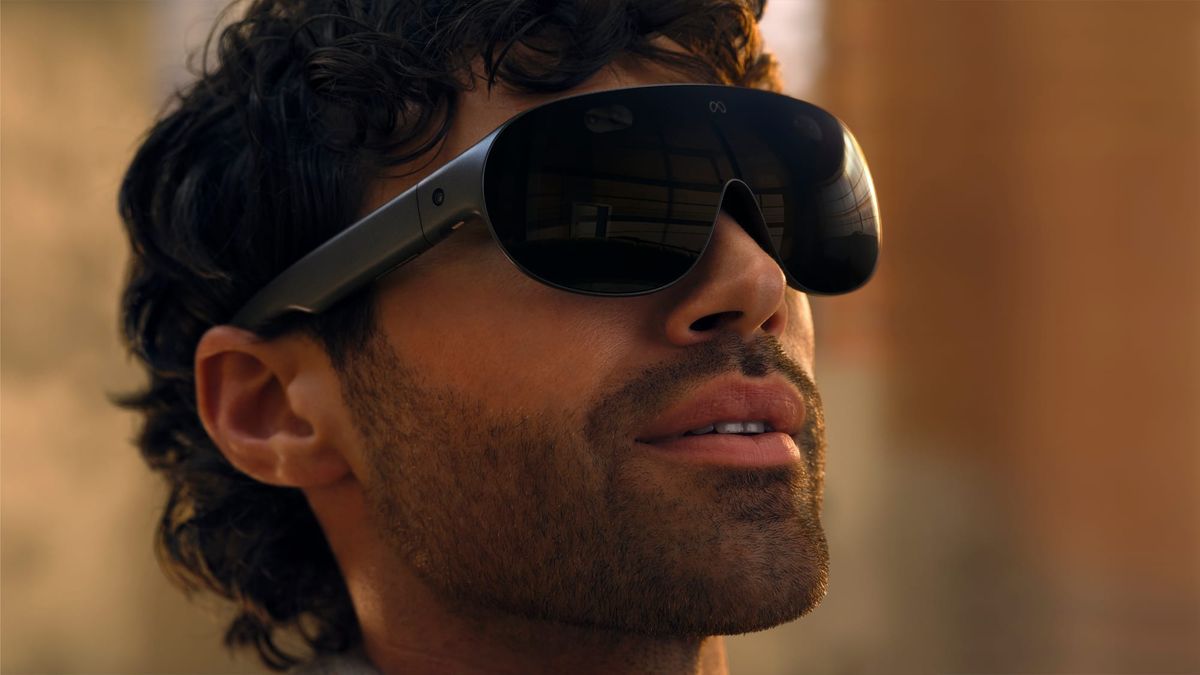
Instead, Meta has shifted its focus to a project codenamed Puffin, which has now been officially revealed as the Meta VR Glasses. Scheduled for a Spring 2027 release—conveniently coinciding with the Quest 2’s final OS rollout—these glasses represent a radical departure in form factor.
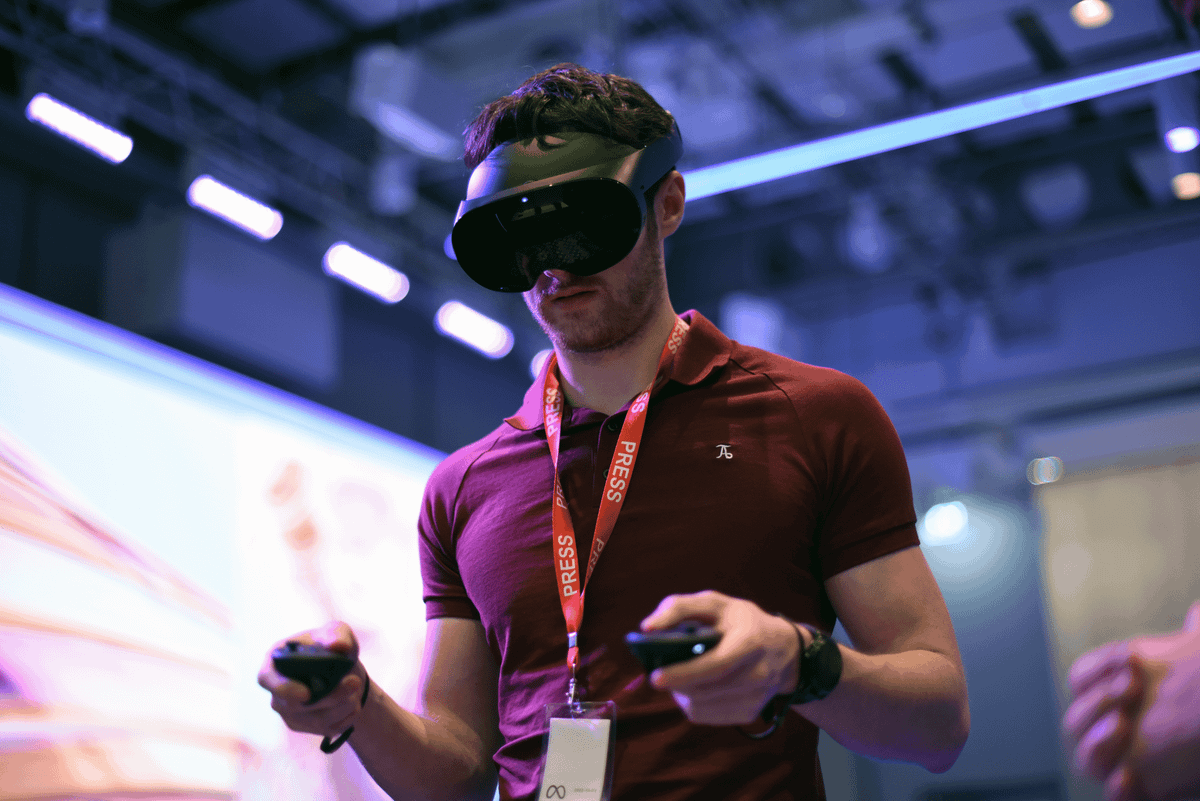
Meta VR Glasses Specs at a Glance:
- Weight: Approximately 100 grams (compared to the Quest 2’s ~500g).
- Display: 2.4K micro-OLED displays.
- Processing: Powered by a "tethered puck" containing Qualcomm’s Snapdragon Reality Elite chipset.
- Price: Targeted at $1,300.
The E-Waste and Legacy Software Challenge
The formal retirement of the Quest 2 poses a significant challenge regarding e-waste and software preservation. With 20 million units in the wild, the tech industry will be watching how Meta handles the environmental impact of millions of aging lithium-ion batteries and plastic housings.

From a software perspective, the "freeze" builds allowed by Meta are a double-edged sword. While they allow Quest 2 owners to keep playing their favorite games, they also create a fragmented ecosystem where Quest 2 users may eventually find themselves in "ghost town" versions of multiplayer games that have evolved significantly on newer hardware.
Conclusion: A Clear Path Forward
Meta’s announcement provides the transparency that developers and consumers have been asking for. By setting the 2027 deadline now, Meta is giving the ecosystem three years to migrate.
The Quest 2 will be remembered as the device that proved VR was more than a gimmick, while the Quest Pro will be seen as a necessary, if expensive, learning experience in hardware ergonomics and sensor technology. As we move toward 2027, the focus is no longer on how many pixels we can put in a headset, but on how small and light we can make the hardware while still delivering a "Pro" experience. The era of the bulky standalone headset is beginning to fade, making room for the era of spatial computing glasses.