
The Intersection of Domesticity and Epic Speculative Fiction: Zephyr the Cat and the Hugo Award Cycle
Main Facts: A Viral Moment in the SFF Community
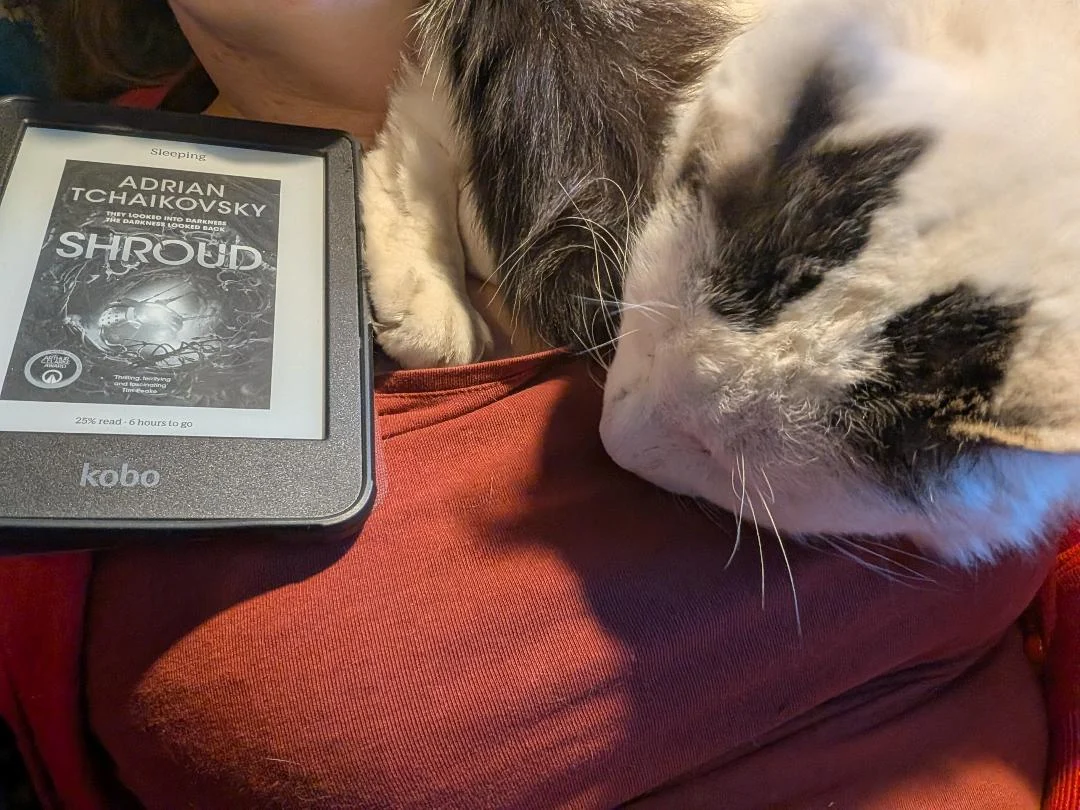
In a moment that highlights the intersection of domestic life and high-stakes literary competition, Kate Towner has introduced the speculative fiction community to Zephyr, a feline companion whose "literary tastes" have captured the attention of the Science Fiction and Fantasy (SFF) world. The image, shared via the long-standing and Hugo Award-winning fanzine File 770, depicts Zephyr resting atop a copy of Shroud by the prolific and critically acclaimed author Adrian Tchaikovsky.
The submission serves as more than just a charming pet photograph; it acts as a cultural touchstone within the "fandom" ecosystem. File 770, edited by Mike Glyer, has long been a central hub for news, commentary, and community interaction regarding the Hugo Awards and the broader SFF genre. Towner’s contribution, accompanied by the tongue-in-cheek caption that Zephyr is "reading up for the Hugos," underscores the seasonal rhythm of the SFF community as it moves through the nomination and voting periods for the genre’s most prestigious accolades.
Adrian Tchaikovsky, the author of the work featured in the photograph, is a central figure in contemporary speculative fiction. His novella Shroud is part of his broader body of work that often explores themes of non-human intelligence, deep time, and the fragility of civilization. The juxtaposition of a domestic cat—a creature often associated with the comforts of home—and Tchaikovsky’s often harrowing and intellectually demanding prose provides a visual metaphor for the way readers integrate complex speculative themes into their daily lives.
Chronology: From Publication to Fandom Recognition
The journey of this specific interaction can be traced through several key milestones in the current SFF calendar year:
1. The Publication of Shroud
Adrian Tchaikovsky, known for his relentless productivity, released Shroud as part of his exploration of "terrible worlds" and intricate space-operatic settings. As with many of his works, it immediately entered the conversation for annual awards consideration due to Tchaikovsky’s reputation as a Arthur C. Clarke Award winner and a previous Hugo nominee.
2. The Commencement of the Hugo Award Cycle
As the World Science Fiction Convention (Worldcon) approaches, the period for nominating and subsequently voting on the Hugo Awards begins. During this time, the "ballot" becomes the primary focus of genre-specific publications like File 770. Readers and voters often share their "TBR" (To Be Read) piles, creating a communal atmosphere of shared discovery.
3. The Submission to File 770
Kate Towner captured the image of Zephyr in a state of repose on Tchaikovsky’s novella. Recognizing the cultural relevance of "genre pets," she submitted the photo to Mike Glyer. Glyer, who has maintained File 770 since the 1970s, published the piece as part of a recurring community engagement thread.
4. The Call for Community Participation
Following the publication of Zephyr’s photo, File 770 issued a formal invitation to its global readership to submit photos of their own pets—feline or otherwise—resting on works of genre fiction. This initiated a secondary wave of engagement, further solidifying the link between pet ownership and the SFF reading demographic.
Supporting Data: The Cultural Weight of Tchaikovsky and the Hugos
To understand the significance of a cat resting on Shroud, one must examine the statistical and cultural landscape of the Hugos and Tchaikovsky’s career.
The Tchaikovsky Factor
Adrian Tchaikovsky has become a titan of the genre in the last decade. His 2015 novel, Children of Time, won the 30th anniversary Arthur C. Clarke Award and is frequently cited as a modern masterpiece. According to industry data, Tchaikovsky’s ability to bridge the gap between hard science fiction and fantasy has made him one of the most nominated authors in recent years across various platforms, including the Locus Awards, the British Science Fiction Association (BSFA) Awards, and the Hugos.
Shroud, while a shorter work, carries the same intellectual pedigree. For a voter like the fictionalized "Zephyr," Tchaikovsky represents a standard of excellence that defines the current "Golden Age" of British speculative fiction.

The Hugo Awards Ecosystem
The Hugo Awards are unique because they are voted on by the fans—the members of the World Science Fiction Society. In 2023 and 2024, the Hugos faced significant scrutiny regarding administrative transparency and eligibility. In this climate, grassroots community content, such as Towner’s photo of Zephyr, serves a vital role in "reclaiming" the awards for the fans. It shifts the focus back to the joy of reading and the personal connection between the reader (and their cat) and the text.
The "Cat-SF Connection"
Historically, there has been a strong correlation between SFF fandom and pet ownership, particularly cats. From Robert A. Heinlein’s The Cat Who Walks Through Walls to Cordwainer Smith’s "Underpeople," cats have been a staple of the genre’s imagination. Social media metrics suggest that "literary cats" or "bookstagram" posts involving pets generate significantly higher engagement rates than standard book reviews, providing authors and publications with a powerful tool for "signal boosting" genre works.
Official Responses: The Role of Fanzine Journalism
While there has been no formal press release from the Tchaikovsky estate regarding Zephyr, the "official" response within the context of fanzine journalism comes from Mike Glyer of File 770.
Glyer’s editorial stance is one of open-source community building. By inviting readers to send photos to his professional email (mikeglyer at cs dot com), he is effectively curated a digital archive of the SFF community’s domestic life. This practice is a hallmark of "fandom," a subculture that prizes the breakdown of the barrier between creator, critic, and consumer.
In the comments sections of platforms like File 770, the response to Zephyr has been one of universal warmth. Community members often use these opportunities to discuss their own progress through the Hugo voter packet, a massive digital anthology provided to members of Worldcon. The presence of Zephyr acts as a "low-stakes" entry point for higher-level literary discussion.
Implications: The Future of Community Engagement in SFF
The publication of Zephyr’s photo on File 770 carries several long-term implications for the genre and its digital presence.
1. The Humanization of the Voting Process
The Hugo Awards can often feel like an impenetrable fortress of bureaucracy and "slate" politics. Content that features "well-informed voters" like Zephyr helps to humanize the process. It reminds the community that behind every ballot is a human reader (and perhaps a sleeping cat) in a living room, making personal choices based on their love for the craft.
2. The Democratization of Literary Criticism
In the age of social media, a photo of a cat on a book can be as effective a recommendation as a thousand-word review in a major newspaper. This "visual recommendation" system allows titles like Shroud to remain in the public consciousness during the critical weeks leading up to award deadlines. It represents a shift toward a more democratic, image-driven form of literary advocacy.
3. The Resilience of the "File 770" Model
In an era where many traditional media outlets are shrinking, the continued success of File 770—supported by community contributions and volunteer enthusiasm—is a testament to the resilience of niche journalism. The "genre pets" initiative is a strategic, albeit organic, way to maintain high traffic and user retention by appealing to the shared values of the community.
4. Adrian Tchaikovsky’s Expanding Influence
For Tchaikovsky, such mentions are indicative of his "household name" status within the genre. When an author’s work becomes the literal bed for the community’s pets, it signifies a level of comfort and ubiquity that few writers achieve. It suggests that his works are not merely sitting on shelves but are active participants in the domestic spaces of his readers.
Conclusion
Zephyr the cat, resting quietly on Adrian Tchaikovsky’s Shroud, is more than a fleeting internet meme. He is a symbol of the enduring bond between the speculative imagination and the quiet realities of daily life. As the Hugo Awards continue to evolve and face the challenges of the 21st century, it is the grassroots engagement of readers like Kate Towner—and their feline companions—that will ensure the heart of the genre continues to beat. The invitation remains open for the global SFF community to share their own "well-informed voters," proving that while the stories may take us to the edge of the universe, they always bring us back home.

Leave a Comment