The Stealth Success of 2026: Why John Cena’s ‘Little Brother’ is the Definitive Netflix Hidden Gem
In the modern era of digital distribution, the sheer volume of content produced by streaming giants like Netflix often results in a paradoxical "content graveyard." Every few months, a project boasting A-list talent, a high-concept premise, and a prestigious creative team arrives on the platform with little more than a whisper of marketing support. The latest casualty—and subsequent cult success—of this phenomenon is Matt Spicer’s 2026 comedy, Little Brother.
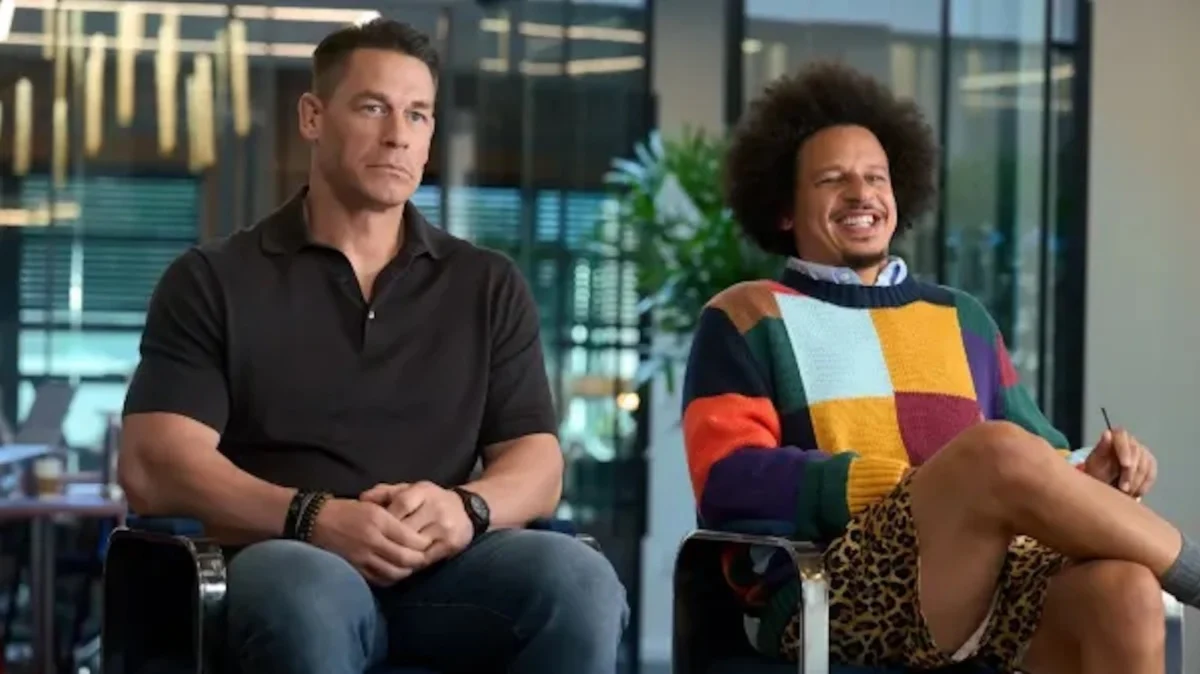
Despite a quiet rollout that saw the film buried beneath the algorithm’s preference for true-crime procedurals and reality dating shows, Little Brother has emerged as a quintessential "weekend watch." Starring the unlikely but formidable duo of John Cena and Eric André, the film serves as both a raunchy, scatological riot and a surprisingly tender meditation on family, wealth, and the desperation for validation in the social media age.
Main Facts: A High-Octane Comedic Collision
At its core, Little Brother is a "two-hander" that thrives on the friction between its lead performers. John Cena, whose transition from professional wrestling to comedic powerhouse has been one of the most successful career pivots in Hollywood history, plays Rudd Landy. Landy is a semi-famous New York City real estate mogul whose life is a carefully curated facade of luxury, protein shakes, and "hustle culture" platitudes.
The narrative engine ignites when Marcus Pinchel, played by the avant-garde chaos-agent Eric André, re-enters Rudd’s life. Marcus was Rudd’s "Little Brother" mentee years prior through a community outreach program—a relationship Rudd largely used for tax write-offs and social signaling. Now an adult and arguably more unhinged than ever, Marcus arrives at the most inopportune moment: Rudd is currently filming a high-stakes reality television competition that pits New York’s most aggressive real estate players against one another for a multi-million dollar contract.
The Supporting Cast and Creative Pedigree
The film’s appeal is bolstered by a supporting cast that understands the assignment of "elevated absurdity." Christopher Meloni appears as Rudd’s older brother, a full-blown real estate titan whose genuine success makes Rudd look like a pretender to the throne. The sibling rivalry between Cena and Meloni provides the film’s emotional backbone, offering a satirical look at toxic masculinity and the "alpha male" hierarchies of Manhattan’s elite.
Behind the lens, the film boasts technical credits rarely seen in mid-budget streaming comedies:
- Director: Matt Spicer, who previously explored the dark side of social obsession in the critically acclaimed Ingrid Goes West.
- Cinematography: Brandon Trost, known for his work on The Disaster Artist and Barb and Star Go to Vista Del Mar, gives the film a vibrant, cinematic sheen that distinguishes it from the flat lighting typical of the genre.
- Score: Electronic musician Dan Deacon provides a frantic, pulse-pounding soundtrack that mirrors the escalating anxiety of the protagonists.
Chronology: From Production Hush to Algorithmic Obscurity
The journey of Little Brother began in late 2024, when Netflix greenlit the project as part of their "star-driven comedy" initiative. Production took place throughout 2025 in New York City, with paparazzi shots of Cena and André in increasingly ridiculous costumes—including a scene involving a golden tuxedo and a jet ski—circulating on social media.
However, as the 2026 release date approached, the industry noticed a shift. Netflix, facing a crowded slate of prestige dramas and international acquisitions, opted for a "soft launch" approach. The film was released on a Friday morning in early 2026 with minimal promotional trailers or billboard campaigns.
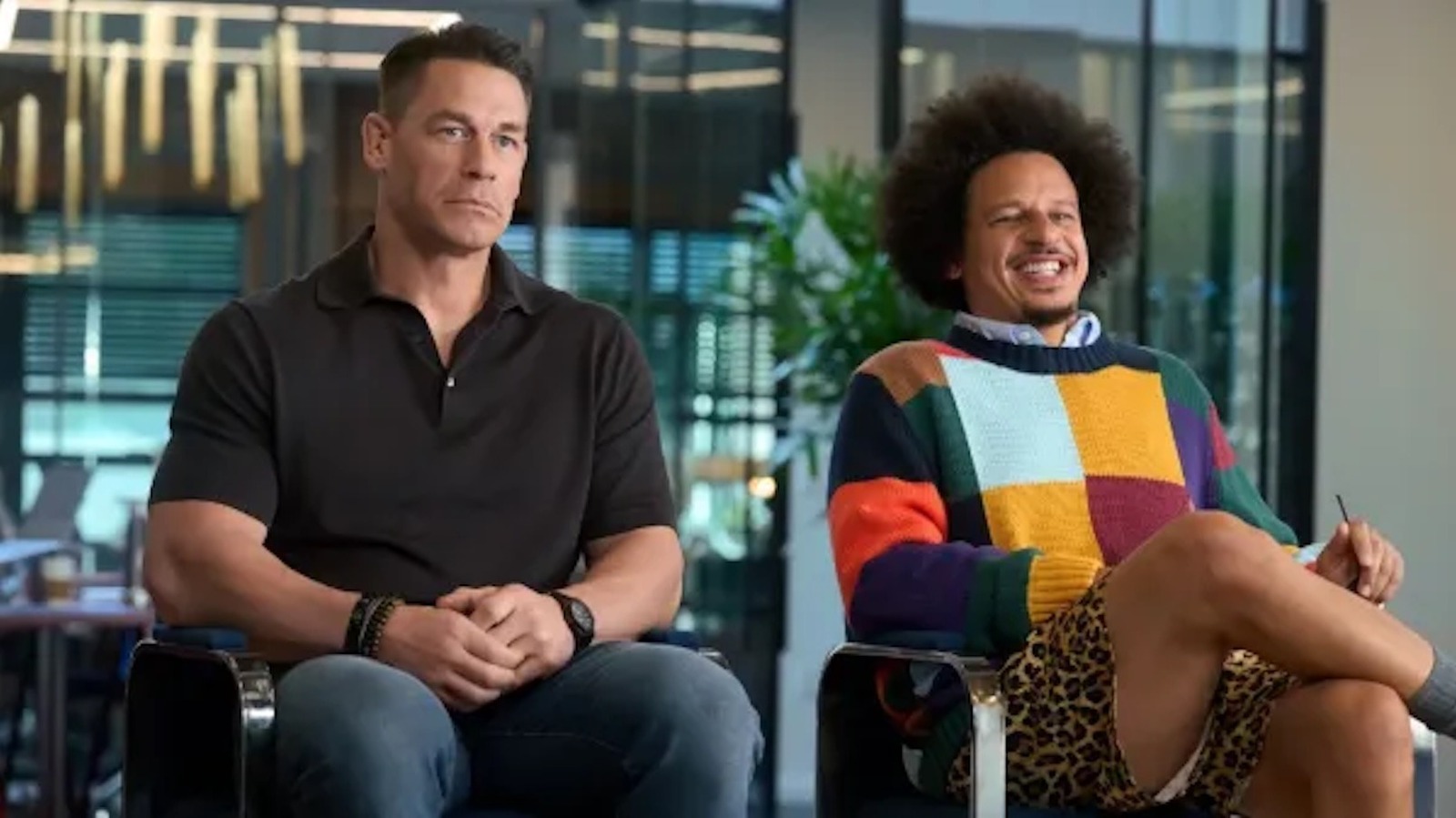
The initial reception was a slow burn. In its first 48 hours, Little Brother didn’t even crack the Top 10. It was only through organic word-of-mouth—fueled by "comedy Twitter" and a few glowing reviews from veteran critics—that the film began its ascent. By its second weekend, the film had become a viral sensation, with clips of André’s improvised rants and Cena’s physical comedy dominating TikTok feeds.
Supporting Data: Critical Reception and Technical Merit
While the film currently holds a "Mixed" rating on review aggregators like Rotten Tomatoes, a deeper dive into the data reveals a sharp divide between generalist critics and those who specialize in the "New Wave" of American comedy.
The "Zoller Seitz" Effect
Trustworthy veteran critics like Matt Zoller Seitz and Glenn Kenny have been the film’s most vocal champions. These critics, known for their ability to appreciate both high-brow auteur cinema and low-brow "Jackass-style" humor, have praised Little Brother for its "fearless commitment to the bit."
Seitz noted in his review that "Spicer and his leads have crafted a film that is intellectually a satire of the 1% but physically a love letter to the Three Stooges." This duality is reflected in the film’s 100-minute runtime—a lean, efficient pace that eschews the "bloat" often found in modern streaming releases.
Technical Excellence
Data from cinematography forums and technical reviews highlight Brandon Trost’s work. Unlike many Netflix comedies that rely on "coverage-based" editing, Little Brother utilizes long takes and complex blocking. This technical precision allows the physical comedy of Cena and André to breathe, creating a sense of "real-time" chaos that enhances the cringe-comedy elements.
Official Responses: The Creative Vision
While Netflix executives have remained largely silent on the film’s "quiet" release strategy, director Matt Spicer has been vocal about his intent. In a recent podcast interview, Spicer addressed the "filthy" nature of the film.
"We wanted to make a movie about being filthy rich that felt, well, filthy," Spicer explained. "The real estate world in New York is this strange, high-stakes theater where everyone is playing a character. Eric [André] is the only ‘real’ person in that world because he has no filter, no shame, and no interest in the facade. Putting him next to John [Cena], who is the physical embodiment of a ‘built’ brand, was the whole point."
John Cena also commented on the film’s "Trial by Filthy Fire" theme during a press junket. "Rudd is a guy who has everything but understands nothing," Cena said. "Marcus comes in and destroys his life, but in that destruction, Rudd actually finds a soul. It’s a comedy, yes, but it’s a story about what happens when you stop pretending to be a mogul and start being a human being."
Implications: The Future of the "Cena-ssance" and Streaming Comedies
The success of Little Brother, despite its lack of initial support, carries several significant implications for the industry:
1. The Resilience of the Mid-Budget Comedy
For years, pundits have declared the mid-budget comedy dead in the theatrical space. Little Brother proves that there is still a massive appetite for these films on streaming, provided they have a distinct voice. It suggests that "star power" alone isn’t enough; the pairing must feel inspired. The Cena/André duo is being compared to the legendary pairings of the 80s and 90s, such as Candy and Martin or Farley and Spade.
2. John Cena as a Genre Onto Himself
Cena is no longer just an "action star who can be funny." With Little Brother, he solidifies his status as a leading man capable of carrying complex, satirical roles. His ability to lean into his own "meathead" image while subverting it with vulnerability has created a unique niche in Hollywood—the "Cena-ssance."
3. The Algorithm vs. The Art
The fact that a film of this caliber can be "buried" by a streaming service is a cautionary tale for creators. It highlights the growing importance of independent film criticism and organic social media discovery. If Little Brother had relied solely on the Netflix homepage for its audience, it might have been forgotten within a month. Instead, it has become a benchmark for how quality content can eventually break through the noise.
Conclusion: Why You Should Watch It This Weekend
In a landscape filled with three-hour epics and depressing dramas, Little Brother is a 100-minute "blessing." It is a film that isn’t afraid to be gross, isn’t afraid to be loud, and—most importantly—isn’t afraid to be heart-felt.
Whether you are a fan of Eric André’s brand of "envelope-shredding" humor or John Cena’s impeccable comic timing, the film offers something rare: a genuine belly laugh. It is a "filthy comedy about being filthy rich" that reminds us that, sometimes, the best way to find your purpose is through a trial by fire—even if that fire is fueled by the absurdity of New York real estate and the antics of a long-lost "little brother."
So, fire up Netflix, bypass the "Recommended for You" section, and search for Little Brother. It is the perfect, star-studded antidote to a long week.