The Shifting Sands of Sound: Gen Z’s Exodus from Hip-Hop to Country and the Cultural Undercurrents at Play
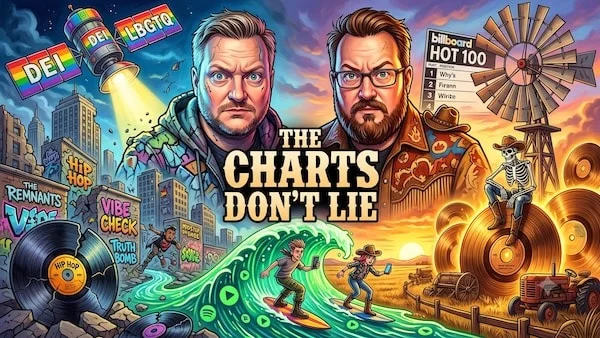
A profound "vibe shift" is underway, transforming the musical landscape and reflecting deeper societal currents. For the first time in history, country music has seized the top five spots on the Billboard Hot 100, displacing hip-hop’s long-held dominance. This seismic shift, particularly among Gen Z and younger millennials, is not merely a fleeting trend but a symptom of evolving cultural values, a growing fatigue with certain narratives, and a yearning for authenticity and narrative depth. This article delves into the phenomenon, exploring its roots, its implications for cultural production, and the complex interplay of identity, media, and generational perspectives.
The Unprecedented Ascent of Country Music
The statistics are stark and undeniable. As reported by Billboard, the iconic Hot 100 chart, a 68-year barometer of popular music, now showcases country music in an unprecedented five-song stranglehold at the summit. Ella Langley’s "Choosing Texas" has cemented its status with a remarkable 16-week reign at number one, a testament to its enduring appeal. Hot on its heels, Morgan Wallen’s "Been By Now" debuts at number two, while Taylor Swift’s "I Knew It, I Knew You" secures the third position. The country quartet is completed by Langley and Wallen’s collaboration, "I Can’t Love You Anymore," at number four, and Stella Lefty’s "Boston" rounding out the top five.
This resurgence is further amplified by the acknowledgment, however wry, that even Taylor Swift, a global pop phenomenon, is rediscovering and leveraging her country roots. This indicates not just a genre’s popularity but a cultural moment where the very definition of what resonates with a significant portion of the youth demographic is being redefined.
Beyond the Charts: The Appeal of Narrative and Authenticity
The songs dominating the charts are not merely catchy tunes; they are characterized by distinct qualities that appear to be resonating deeply with younger listeners. These include:
- Clear Narrative: A strong storytelling element that draws listeners into a specific situation or emotional arc.
- Specific Place: References to particular locations that ground the music in a tangible reality, fostering a sense of regional pride or identification.
- Acoustic Textures: A preference for more organic, instrument-driven sounds over heavily produced, electronic beats.
- Direct Emotional Language: An unvarnished and honest expression of feelings, eschewing ambiguity for clarity.
This preference signals a desire for music that feels "rooted" and "story-driven." The same young demographic that propelled country music to the top five is also exhibiting an appetite for sounds and narratives that are coded as more traditional. This suggests a rejection of ephemeral trends in favor of content that offers substance and a sense of enduring value.
The Shadow of "Black Fatigue" and its Cultural Echoes
Underpinning this musical shift is a more complex cultural phenomenon gaining traction on social media: "Black fatigue." This term, frequently appearing on platforms like X (formerly Twitter), TikTok, and Reddit, signifies an exhaustion with certain Black cultural products or the relentless media focus on specific narratives. As documented by publications like Rolling Stone and Know Your Meme, this sentiment, while controversial, is a palpable undercurrent in contemporary discourse.
Jonathan, one of the commentators, posits that this "Black fatigue" is bleeding into other areas of consumption, including music. He notes that while R&B and hip-hop, largely dominated by Black artists, still command significant streaming volume, listeners are gravitating towards more traditional forms of entertainment.
The discussion also touches upon the deliberate amplification of certain narratives online. Jonathan, drawing on his background as an intelligence professional, suggests that many viral clips, particularly those depicting conflict or negative social interactions, may be strategically placed. He points to the use of X’s features to identify the country of origin of posters, suggesting that some content might originate from foreign actors aiming to sow discord and division within American society. This, he argues, can then manifest in cultural trends, including those seen on music charts.
Thomas adds a generational perspective, suggesting that "Black fatigue" is a concept largely unfamiliar to those over 30. He posits that younger generations, particularly Gen Z, have been raised in an environment where race is a central lens through which to view the world, a stark contrast to the "colorblindness" ethos of older generations. This has, he argues, created a more racially charged energy among younger people, leading to differing, and sometimes more extreme, racial viewpoints across the political spectrum.
The Shifting Dynamics of Representation and Identity
This evolving understanding of race and identity has significant implications for cultural production, particularly in literature. Thomas notes that the once-dominant strategy of including diverse characters "for the sake of diversity" is now potentially counterproductive. What was once a perceived marketing advantage is now viewed by some as inauthentic or performative, leading to a backlash.
The pendulum, it is argued, is swinging back. Older generations, accustomed to seeing younger generations as less racist than their predecessors, are now finding themselves embarrassed by the racial views of their children. This generational divergence in racial consciousness is impacting everything from book cover art to character development, creating a challenging landscape for creators.
Thomas likens the current moment to observing the early signs of a brewing storm. The indicators are present: rising temperatures, falling barometric pressure, and shifting winds. While the full impact may not yet be felt, the trajectory suggests a deepening societal engagement with race, potentially leading to increased tribalism and a longing for belonging. This tribalism, however, may not be solely race-based; it can manifest in various forms, from religious affiliations to social clubs.
Foreign Influence and the Weaponization of Information
The conversation then takes a turn towards the potential for foreign influence to exacerbate these cultural divisions. Jonathan points to the term "Black fatigue" itself as potentially being a foreign-engineered concept designed to trigger specific emotional responses and deepen societal rifts. He draws parallels to the manipulation of cultural triggers, citing an example of a speaker at an Oxford discussion on Islam who used provocative imagery to elicit reactions.
The use of bodycam footage, often sensationalized and taken out of context, is also discussed as a tool that can be exploited. While acknowledging that the underlying incidents may be real, the selective presentation and amplification of these events, potentially through foreign actors or AI-generated content, can distort public perception and fuel animosity.
Thomas emphasizes that while foreign interference is a genuine concern, it does not invalidate the real emotions and beliefs that these narratives tap into. He uses the example of anti-data center sentiment, suggesting that even if foreign actors are promoting such views for their own geopolitical gain, genuine local concerns about environmental impact or resource allocation can also be at play. The same applies to racial animus, which can be spurred by external forces but also resonate with pre-existing societal tensions.
The rise of anti-Jewish sentiment, with perceived origins in the Middle East and misattributed blame for unrelated events, is cited as another example of misdirection and the manipulation of public opinion. This raises a crucial question for creators: how can they navigate writing for an audience that is increasingly subject to a barrage of competing narratives and potential foreign influence?
Navigating the Labyrinth: Truth, Interpretation, and Empathy in Writing
The core challenge for writers, as articulated by Jonathan, lies in the "fault line or a seam between what the truth is and how people interpret the truth." He uses the biblical parable of the resurrection of Lazarus to illustrate how even direct pronouncements of truth can be misunderstood or misinterpreted.
This gap between objective reality and subjective understanding is where manipulation thrives. Misrepresentations of facts, whether intentional or unintentional, can prey on people’s good intentions, leading to anger and division. The example of data center water usage – a discrepancy between gallons and cubic meters – highlights how factual inaccuracies, even if seemingly minor, can ignite legitimate outrage when they impact deeply held values like environmental preservation.
The key, therefore, is not to attack those who misunderstand the truth but to "expose the truth, manifest it, bring it into the light, and let people have the opportunity to make the correct judgment." An aggressive, confrontational approach, Jonathan warns, will likely elicit a defensive response, causing individuals to cling even tighter to their beliefs, however misguided.
Thomas echoes this sentiment, cautioning against the temptation to immediately attribute every dissenting view to external programming. While foreign influence is a factor, personal experiences and genuine, albeit distorted, perceptions can also drive beliefs. The media’s role in shaping public discourse is crucial here; while not always dictating what people think, it is highly effective at determining what they think about. This selective focus, amplified by cognitive biases like recency bias, can create a skewed perception of reality, as seen with the media’s portrayal of police shootings.
The marketing lesson is clear: understanding the audience’s perception, even if based on misinformation, is vital. While it may be tempting to capitalize on media attention by aligning with prevailing narratives, writers must consider the ethical implications and the long-term impact on their work and their own integrity.
The Evolving Landscape of Reader Identity and Representation
The discussion then pivots to a viewer question regarding the impact of diverse casts on middle-grade books. Jonathan suggests that middle-grade literature might still be relatively resilient, but Thomas cautions that the emphasis on race as a primary identity marker, prevalent in books from around 2011-2016, is now facing diminishing returns.
The marketing strategy of featuring diverse characters to appeal to the perceived virtue of parents buying for their children is also losing its efficacy. Daughters, in particular, are reportedly becoming more resistant to books where racial identity is foregrounded without other compelling character development. The "tide is going out" on this approach, and authors are advised to understand that their target audience’s interpretation of their work is increasingly influenced by contemporary cultural currents.
Thomas emphasizes the importance of knowing one’s "Timothy" – a representative of the target reader. This involves understanding their real-world perspectives, their ideological lenses (such as the "oppressor-oppressed" framework), and avoiding the trap of writing for oneself at a different age in a different world.
The phenomenon of "tribalism," as discussed earlier, is also relevant here. While often viewed negatively, it represents a fundamental human need for belonging. Country music, in its capacity to foster a sense of community and shared identity, taps into this need. Thomas draws a parallel between country and hip-hop, both of which are music from a tribe for a tribe, offering lyrical depth and emotional range that transcends the superficiality of generic pop music. This serves as a potent lesson for authors: writing for a specific audience, with a focused intention, can lead to deeper, more meaningful work.
The Enduring Appeal of Authenticity and Tribal Connection
The resurgence of country music is attributed to its perceived authenticity and its ability to connect with a yearning for community. Songs like "Choosing Texas," with their traditional sound and narrative focus, offer a stark contrast to the heavily produced, pop-infused music that has dominated the charts for years. This "old-sounding" music, to a generation that has never heard it before, feels fresh and genuine.
Jonathan draws a parallel to cinematic introductions, where the choice of music often signals a character’s disposition. Country music, he suggests, is perceived as "hospitality music," evoking images of warmth, genuine connection, and a welcoming spirit. This resonates with the growing desire for tribalism and a sense of belonging.
Thomas further elaborates on this tribal aspect, likening country music and hip-hop to genres that are "from a tribe for a tribe." Their lyrical depth and emotional specificity, in contrast to the generalized appeal of pop music, allow them to forge stronger connections with their intended audiences. This is a critical takeaway for authors: by understanding and catering to the specific desires and values of a defined readership, creators can produce more impactful and resonant work.
Marketing Lessons: Embracing Niche and Authenticity
The discussion concludes with a powerful marketing lesson derived from the Marine Corps’ advertising strategy. The Marines highlight their intense physical training and the suffering involved, effectively turning what is distasteful to most into a badge of honor for their target audience. This principle of leaning into features that are potentially off-putting to a broader audience, but deeply appealing to a specific niche, is a potent marketing tool.
This applies directly to creative works. Whether it’s the "mushy-gushiest romance," the "bloodiest zombie book," or the explicit marketing of violence, embracing the core appeal of a niche genre can effectively filter out unwanted audiences and attract dedicated fans. As Jonathan notes, playing up the violence in his books effectively deters readers who would otherwise leave negative reviews.
The key is to avoid generic "pop music" in creative endeavors. While a catchy tune can endure, relying solely on broad appeal without genuine substance or a distinct voice risks being forgettable. The lesson for authors is to write for their specific reader, understanding their world, their values, and their desires. By embracing the unique characteristics that define a particular tribe, creators can build deeper connections and achieve greater resonance.
In conclusion, the current cultural landscape, marked by the ascendant popularity of country music and the nuanced discussions around identity and representation, offers a compelling case study for understanding evolving audience preferences. For creators, the path forward lies not in chasing ephemeral trends but in understanding the underlying currents of desire for authenticity, narrative depth, and genuine connection. By embracing the specific, and by understanding the evolving interpretations of truth and identity, writers can navigate this dynamic environment and craft stories that truly resonate with their intended audiences.