The Summer of Speculation: A Comprehensive Guide to the 2026 Literary Landscape in Science Fiction and Fantasy
The mid-point of 2026 marks a transformative era for speculative fiction. As the publishing industry navigates the shifting tides of digital consumption and the resurgence of physical "special editions," the upcoming slate of releases for June and July—with a few notable outliers from earlier in the year—reveals a genre in the midst of a profound thematic evolution. From the haunting corridors of AI-managed hospitals to the satirical reaches of "Planet Dirt," the upcoming titles represent a sophisticated blend of social commentary, historical reimagining, and cosmic dread.
This report examines the core releases defining the current season, providing a chronological overview of the publication schedule, an analysis of the thematic data, and an exploration of the broader implications for the literary market.
Main Facts: A Diverse Portfolio of Imagination
The 2026 summer lineup is characterized by its breadth. While "Hard Science Fiction" remains a cornerstone of the genre, there is a visible pivot toward "Dark Fantasy" and "Historical Revisionism."

Key highlights include:
- The Rise of the Debut: S.C. Bandreddi and Haralambi Markov are making significant waves with debut offerings that challenge traditional narratives through the lenses of colonialism and queer identity.
- Anthology Excellence: Industry veterans Ellen Datlow and Allan Kaster continue to curate the gold standard for short-form fiction, focusing on cosmic horror and hard science, respectively.
- The Return of the Epic: Maurice Broaddus concludes a major trilogy, while Adrian Tchaikovsky offers a massive career retrospective that cements his status as one of the most prolific voices of the decade.
- The AI Discourse: Justin C. Key’s work brings the contemporary anxiety regarding artificial intelligence into the medical field, blending thriller elements with speculative ethics.
Chronology: The 2026 Publication Roadmap
To understand the momentum of this season, one must look at the staggered release schedule that began in early 2026 and culminates in the mid-summer rush.
The Early Vanguard (February – May 2026)
The year began with a stark look at the near future. In February, Justin C. Key released The Hospital at the End of the World (Harper). This novel set the tone for a year preoccupied with the intersection of humanity and automation.

In May, the focus shifted to the "New Historical" movement. Kate Heartfield’s Mercutio (Harper Voyager UK) arrived as a prequel to Romeo and Juliet. By blending the wit of Shakespeare’s most beloved supporting character with the theological gravity of Dante Alighieri, Heartfield established a trend of "literary mashups" that would persist throughout the summer.
The June Surge
June 2026 represents the densest period of activity for the genre:
- June 26: A pivotal date that sees the release of S.C. Bandreddi’s The Game of Oaths (Candlewick), Maurice Broaddus’s A City Dreaming (Tor), and Allan Kaster’s The Year’s Top Hard Science Fiction Stories 10 (Infinivox).
- Late June: Subterranean Press releases The Best of Adrian Tchaikovsky, a massive 37-story collection that serves as a cornerstone for summer reading lists.
The July Horizon
As the heat of summer intensifies, the themes turn darker and more satirical:

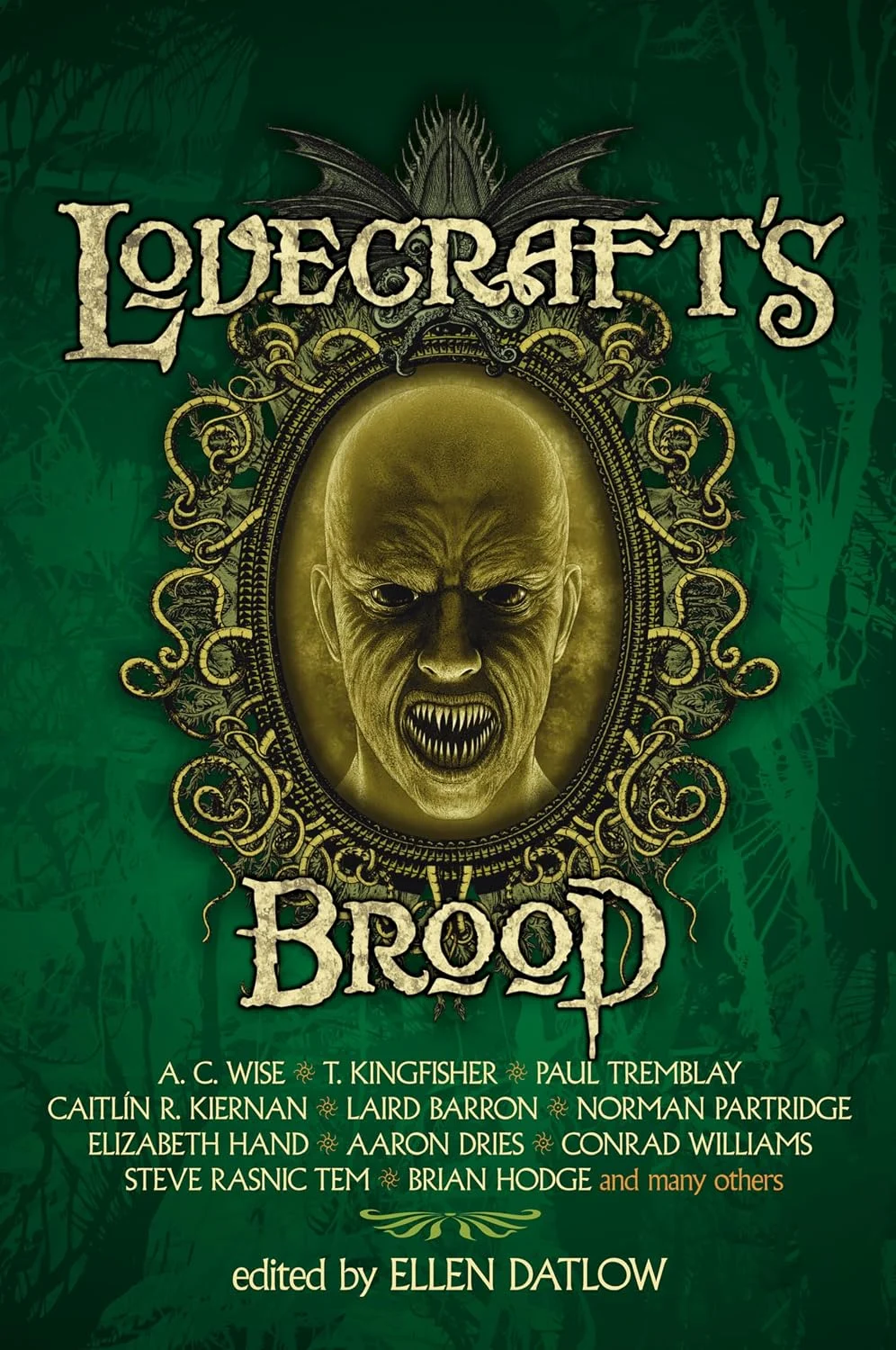
- July 26: This date marks a triple-threat release. Ellen Datlow’s Lovecraft’s Brood (Tachyon) brings cosmic horror to the forefront, while Haralambi Markov’s The Language of Knives (Mythic Delirium) introduces a new brand of Slavic-inspired dark fantasy. Simultaneously, Alex Shvartsman’s The Best of All Possible Planets (UFO Publishing) provides a much-needed satirical reprieve.
Supporting Data: Deep Dives into Key Titles
The Historical and Colonial Lens: The Game of Oaths
S.C. Bandreddi’s debut is more than a YA fantasy; it is a critique of the "Belle Époque." Set in 1896 Paris, the narrative utilizes a magical circus as a metaphor for the exploitative nature of colonial contracts. The "deadly tournament" trope is revitalized here by centering on a protagonist driven by revenge against the elite who view magic—and people—as disposable entertainment.
The AI Crisis in Fiction: The Hospital at the End of the World
Justin C. Key’s novel explores a world where doctors have been reduced to "glorified software engineers." The data points within the narrative reflect current real-world concerns: the loss of the "human touch" in healthcare and the opacity of algorithmic decision-making. By placing his protagonist, Pok, in the last "human-run" hospital, Key explores the tension between efficiency and empathy.
The Anthology as Industry Barometer
The release of The Year’s Top Hard Science Fiction Stories 10 provides a statistical snapshot of the genre’s health. Featuring 11 stories from 2025, the collection includes heavyweights like Bruce Sterling and Nancy Kress. This volume indicates that "Hard SF" is increasingly moving toward "solarpunk" and climate-conscious narratives, moving away from the cold militarism of previous decades.

The Tchaikovsky Retrospective
Adrian Tchaikovsky’s collection is a behemoth of 37 stories. The curation process—omitting his most famous Shadows of the Apt and Mythos stories—suggests a deliberate attempt to showcase his range in "weirdness" and traditional SF. With an introduction by John Scalzi, the book is positioned as a definitive academic and entertainment resource for the 2020s.
Official Responses: Voices from the Creators
While the authors speak primarily through their prose, early press releases and "in-character" statements provide insight into the creative intent behind these works.
On Satire and Influence:
Alex Shvartsman has been vocal about the DNA of The Best of All Possible Planets. "It is an homage to Voltaire’s Candide and the spirit of Douglas Adams," Shvartsman noted in a recent UFO Publishing press kit. "The goal was to take the ‘Earth-is-the-center-of-the-universe’ trope and flip it. On ‘Planet Dirt,’ the chaos is the point. It’s a ride designed for a world that feels increasingly like a satire of itself."

On the Evolution of Cosmic Horror:
Ellen Datlow, discussing Lovecraft’s Brood, emphasized the need to move beyond the shadow of the original author. "Cosmic horror is no longer just about tentacled monsters; it’s about the dread of the unknown and the insignificance of humanity in a vast, uncaring universe. The authors in this collection—from Paul Tremblay to L. Marie Wood—are reclaiming that dread for a modern audience."
On Queer Refuges in YA:
Jen St. Jude’s Where You’ll Find Us has garnered attention for its unique "farmhouse out of time" concept. Bloomsbury US representatives suggest the novel is a response to the "growing need for stories that honor queer history across generations." The ticking clock in the novel serves as a metaphor for the fleeting nature of safety in a world that often demands conformity.
Implications: What This Means for the Future of the Genre
The 2026 summer slate suggests several key trends that will likely dominate the Hugo and Nebula award cycles in the coming years.

1. The "Human-Centric" Counter-Revolution
In response to the real-world rise of Generative AI, speculative fiction is doubling down on the "human element." Justin C. Key’s exploration of algorithmic healthcare and S.C. Bandreddi’s focus on the "contractual" nature of human bondage suggest a genre-wide preoccupation with what cannot be automated: revenge, empathy, and the struggle for freedom.
2. The Globalized Mythos
The success of Haralambi Markov (Slavic myth) and Maurice Broaddus (Muungano Empire) indicates that the "Western-centric" era of SF/F is firmly in the rearview mirror. The market is demanding—and supporting—diverse cosmologies that integrate non-Western history and political structures into the fabric of space opera and dark fantasy.
3. The Renaissance of the Short Story
The sheer volume of high-quality anthologies (Datlow, Kaster) and "Best Of" collections (Tchaikovsky) points to a robust market for short fiction. In an age of decreasing attention spans, the "bite-sized" cosmic dread or hard science speculation offers a low-barrier entry point for new readers while satisfying the completionist urges of long-time fans.

4. Literary Intertextuality
Kate Heartfield and Alex Shvartsman’s reliance on Shakespeare and Voltaire, respectively, shows a sophisticated trend of "literary recycling." By grounding speculative elements in the classics, authors are bridging the gap between "genre fiction" and "literary fiction," attracting a demographic that might otherwise overlook a faerie invasion or a space opera.
Conclusion
The releases of mid-2026 represent more than just a seasonal catalog; they are a manifesto for a genre that remains the most vital tool for dissecting the modern condition. Whether through the lens of a 19th-century circus or a wormhole signal threatening a solar empire, these authors are asking the same fundamental question: In a universe of infinite possibilities and technological marvels, what does it truly mean to remain human?
As readers dive into these titles, they are not just escaping "Planet Dirt"—they are gaining the perspective needed to save it.