The Unlikely Resurrection: How Supernatural Escaped Meta to Become an Independent VR Powerhouse
In the fast-moving world of Silicon Valley, a corporate "sunset" is usually the final chapter. When a tech giant like Meta decides to end development on a product and lay off its entire staff, the intellectual property typically gathers dust in a digital vault or is quietly absorbed into other projects. However, Supernatural—one of the most recognizable and beloved fitness services in Virtual Reality (VR)—has defied the traditional gravity of corporate restructuring.
Months after its team was disbanded and its future seemed bleak, Supernatural is being rebuilt as an independent entity. This transition from a Meta-owned asset to a lean, founder-led startup represents a rare "second life" in the tech industry, driven by a fierce community of users and a core team that refused to let the service die.
Main Facts: A New Chapter for VR Fitness
In January 2024, Meta shocked the VR community by announcing it would end new development for Supernatural and lay off its development team. For many, it felt like the end of an era for high-end VR wellness. Yet, by June, a new path emerged: the formation of Supernatural Health, an independent company led by the original founders, tasked with taking over the service and operating it outside of Meta’s direct oversight.
The transition involves several moving parts:
- The Transition: A brand-new Supernatural app is slated to launch on the Meta Horizon Store in the fall of 2024.
- The Deadline: The existing Meta-owned Supernatural app will remain functional only until December 3, 2024.
- The Team: The workforce has seen a dramatic shift, shrinking from a peak of nearly 200 employees under Meta to a core "special forces" team of approximately 15 people.
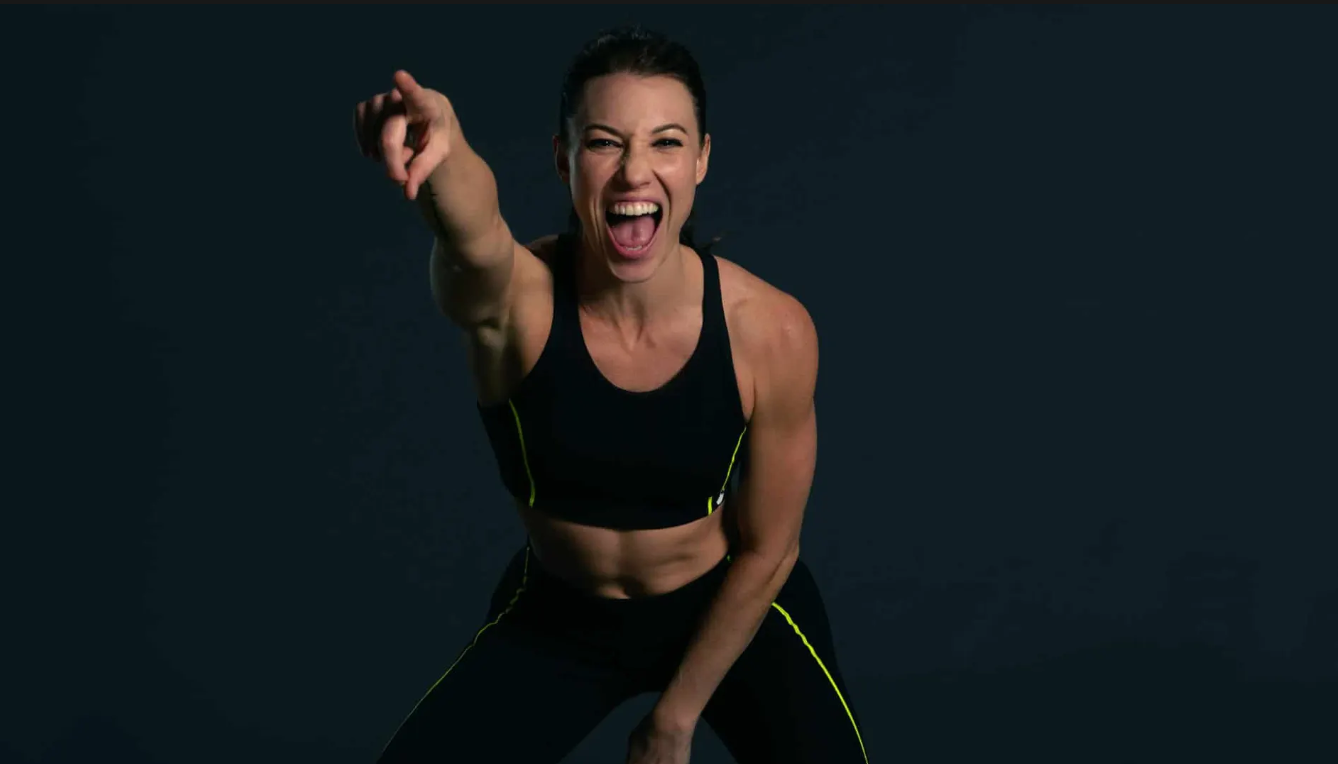
- The Leadership: Leanne Pedante, the longtime Head of Fitness, has returned to lead the coaching and community efforts alongside the original founders.
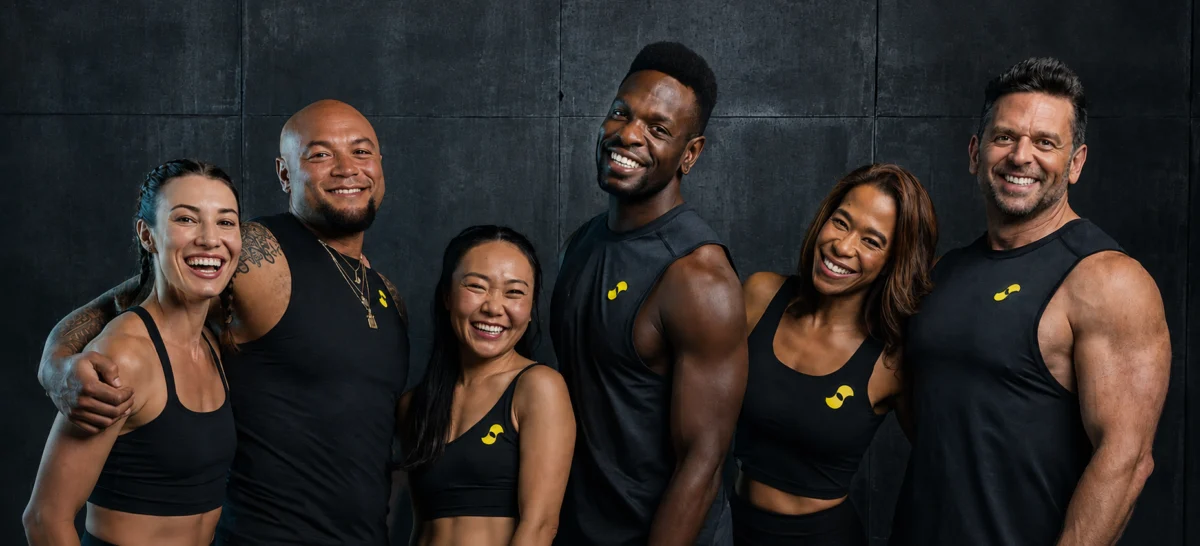
- The Coaches: All six primary coaches—Antonio Harrison, Mindy Lai, Raneir Pollard, Mark Harari, Dwana Olsen, and Leanne Pedante—are returning to the platform.
Chronology: From Corporate Shutdown to Independent Rebirth
The road to independence was neither linear nor guaranteed. It began with the sudden dismantling of the team in early 2024.

The January Shock and the European Exit
When the layoffs hit in January, the atmosphere was one of shock and grief. Leanne Pedante, a face synonymous with the brand, decided to step away entirely. She dismantled her life in Los Angeles, put her belongings in storage, and moved to Europe, unsure if she would ever return to the fitness industry.
"I was like, maybe I won’t come back," Pedante recalled in an interview with UploadVR. While she was in Italy, however, the original founders reached out with a proposition that seemed nearly impossible: the chance to buy back or spin off the service into an independent company.
The Two-Month Negotiation
While Pedante was abroad, intense discussions were happening behind the scenes between the Supernatural founders and Meta’s leadership. The logistics of extracting a service from the infrastructure of a trillion-dollar company are immense, involving licensing, user data, and platform compatibility. By the time Pedante returned to the U.S. two months later, the "long shot" had become a concrete reality. The alignment between the founders and Meta had been achieved, and the path for Supernatural Health was cleared.
The Fall Launch
The current phase is a race against time. The team is working to build a new independent app that replicates the high-fidelity experience of the original while preparing to migrate thousands of "athletes" (the term Supernatural uses for its members) before the December 3 cutoff.
Supporting Data: The Power of Community Advocacy
The survival of Supernatural was not merely a business decision; it was a response to an unprecedented groundswell of community support. The data and anecdotal evidence suggest that Meta’s decision to allow the spin-off was heavily influenced by the platform’s "athletes."
The Petition and Direct Action
Within 24 hours of the January shutdown announcement, a Change.org petition was launched titled "Save Supernatural VR Fitness." It ultimately garnered over 7,800 signatures. The petition didn’t just ask for the app to stay; it specifically requested that Meta allow the team to spin off independently if the tech giant no longer wanted to fund development.
The GDC Encounter
The advocacy went beyond digital signatures. At the Game Developers Conference (GDC) in March, Cheryl Briggs, a dedicated Supernatural user, confronted Meta’s Director of Games, Chris Pruett. She argued that Supernatural was more than a game—it was a vital health and wellness platform for people who felt excluded from traditional gyms. This direct feedback loop provided Meta with a clear picture of the brand’s emotional and physical value to its user base.
Pricing and Subscription Model
To sustain the new independent model, Supernatural Health has introduced a new pricing structure:
- Founding Membership: $180 for the first year (available for early registrants).
- Standard Pricing: $20 per month or $200 annually.
- The Scale Shift: Operating a service previously managed by 200 people with a team of 15 requires a massive shift in efficiency. The team is relying on "founding memberships" to gauge initial interest and secure the runway needed for the first year of independent operation.
Official Responses: A Mutual Path Forward
Meta’s official stance on the transition has been uncharacteristically supportive of a spin-off. In their June announcement, the company stated, "We’ve heard your feedback loud and clear over the last few months. We have been working hard to find a path forward."
While Meta has not disclosed the financial specifics of the agreement that allowed Supernatural Health to take over the experience, the move signals a shift in Meta’s strategy. By allowing Supernatural to exist as a third-party app on the Horizon Store, Meta retains a "killer app" for its Quest headsets without the overhead and management of internal development.
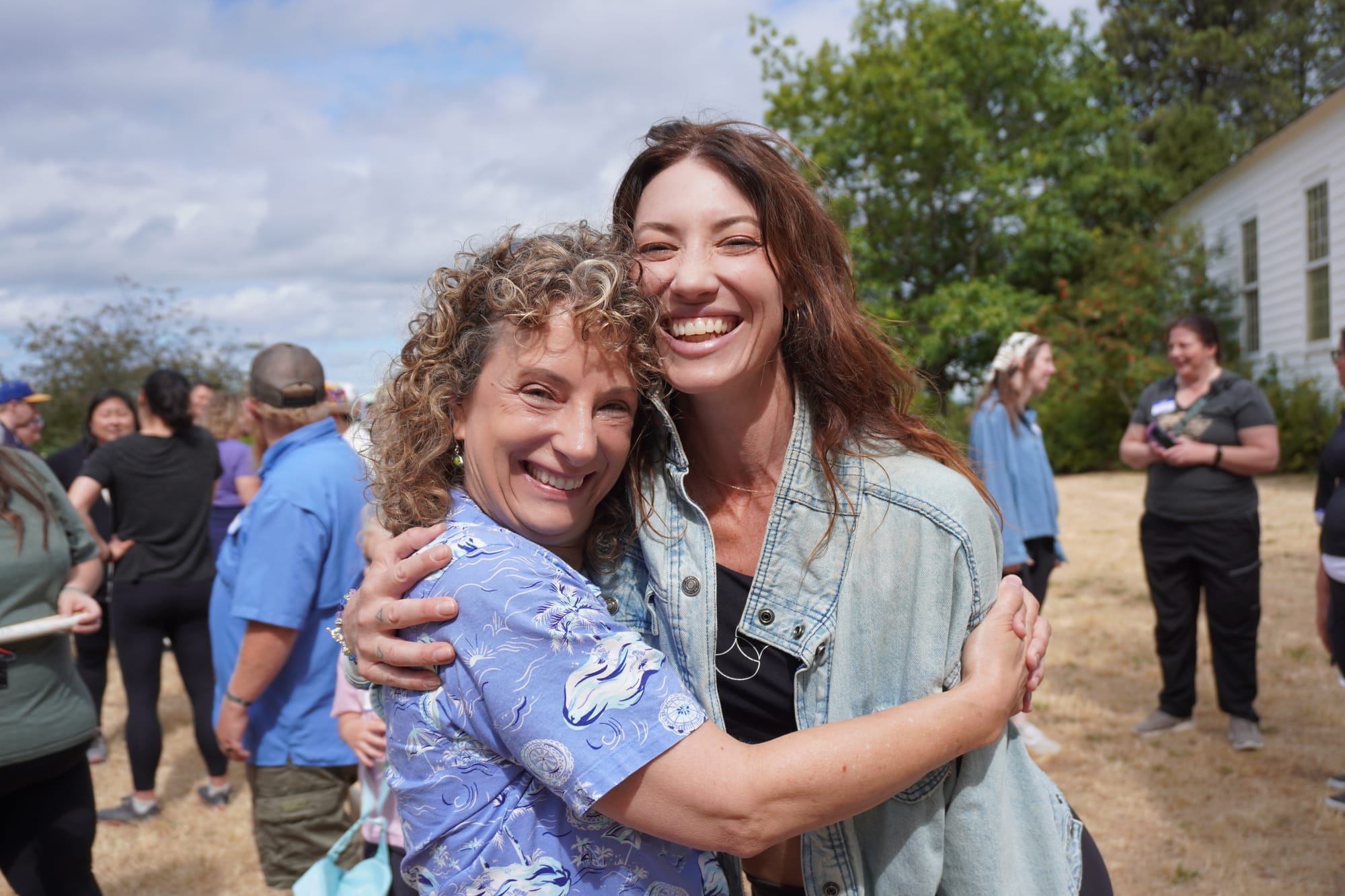
Leanne Pedante’s perspective highlights the human element of this corporate maneuver. She credits the community entirely for the company’s rebirth. "If the community quickly moved on… I don’t think we would be doing what we’re doing right now," she told UploadVR. "We’re only doing this because the people who came to trust us said, ‘we still need you.’"
Implications: A New Blueprint for the VR Industry
The Supernatural story has significant implications for the VR industry, the fitness world, and the broader tech ecosystem.
1. The "David vs. Goliath" Startup Model
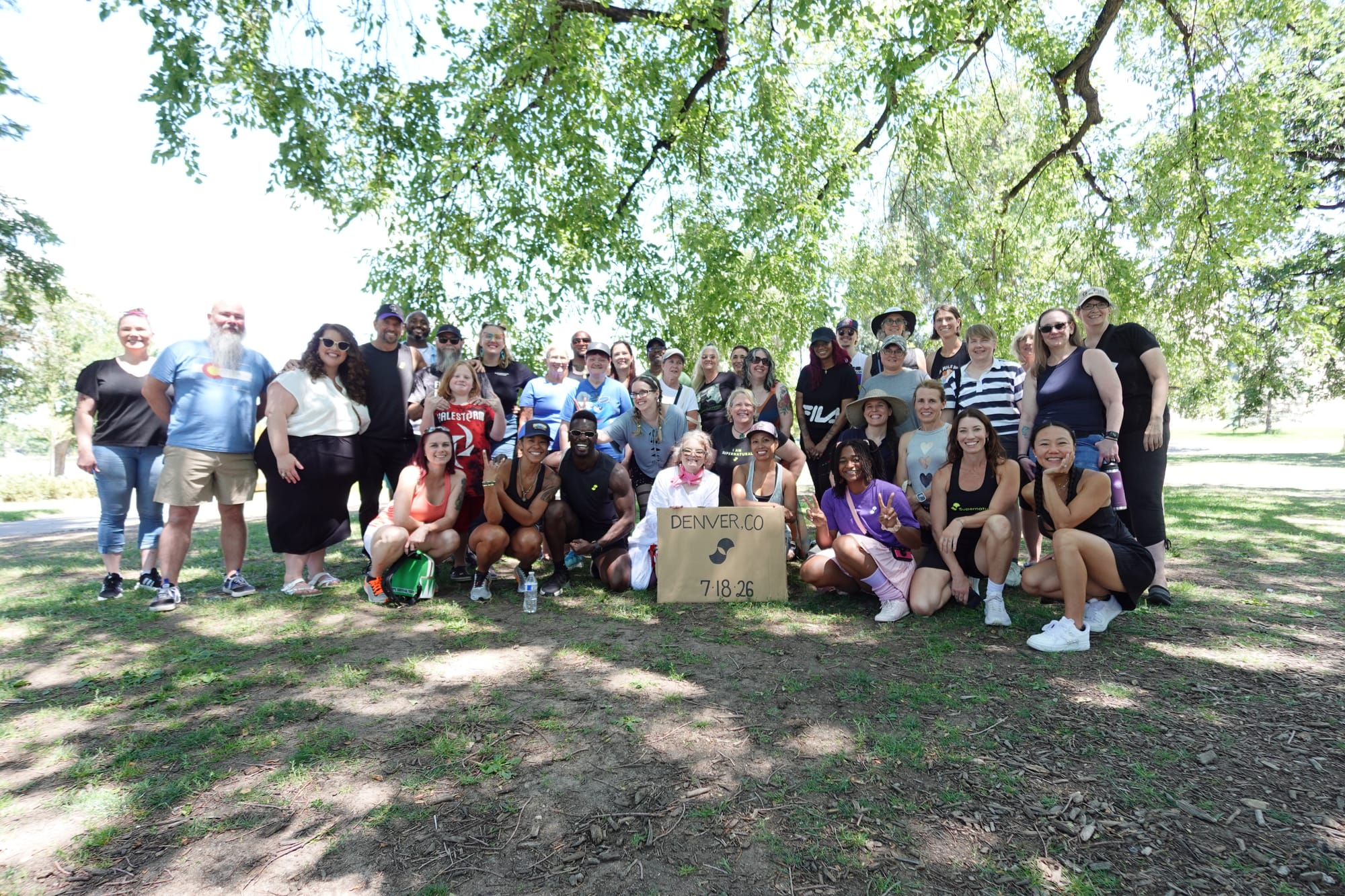
The transition from a 200-person corporate department to a 15-person independent shop is a radical experiment in "lean" development. Pedante notes that while they lack Meta’s infinite resources, they have regained "the ability to move quickly." For example, organizing community meetups in Denver and Seattle took only three weeks—a timeline that would have been bogged down by months of legal and brand approvals at a larger corporation.
2. The Technical Challenge of Data Migration
One of the most significant risks in this transition is the migration of user data. Athletes have years of workout history, "streaks," and personal milestones. Pedante admitted that the team is still working through the technical hurdles of whether this data can be fully transferred to the new app. If they fail to migrate this history, they risk alienating the very community that fought to save them.
3. VR as a "Third Place" for Fitness
Supernatural’s survival reinforces the idea that VR fitness is not a fad but a genuine community. Pedante emphasizes that the "non-negotiables"—the immersive environments, the curated music, and the specific coaching styles—create a "safety" that traditional gyms often lack. The fact that users were willing to petition a multi-billion dollar company to save a fitness app suggests that VR has successfully carved out a niche as a "third place" for wellness.
4. A Lesson for Big Tech
The Supernatural saga serves as a case study for other tech giants. When a platform builds a deep emotional connection with its users, "sunsetting" the product carries a PR risk that goes beyond lost revenue. By allowing the spin-off, Meta has avoided a major community backlash while ensuring that a high-quality piece of software continues to sell Quest headsets.
As the fall launch approaches, the eyes of the VR industry are on Supernatural Health. If they can successfully migrate their "athletes" and maintain the quality of the experience with a fraction of the staff, they will have created a new blueprint for how niche, high-engagement services can thrive independently in the shadow of Big Tech. For now, the coaches are back in the headsets, the music is playing, and a community that refused to say goodbye is preparing for a new beginning.