The Unseen Current: From Skepticism to Serenity Through the Power of Energy Healing
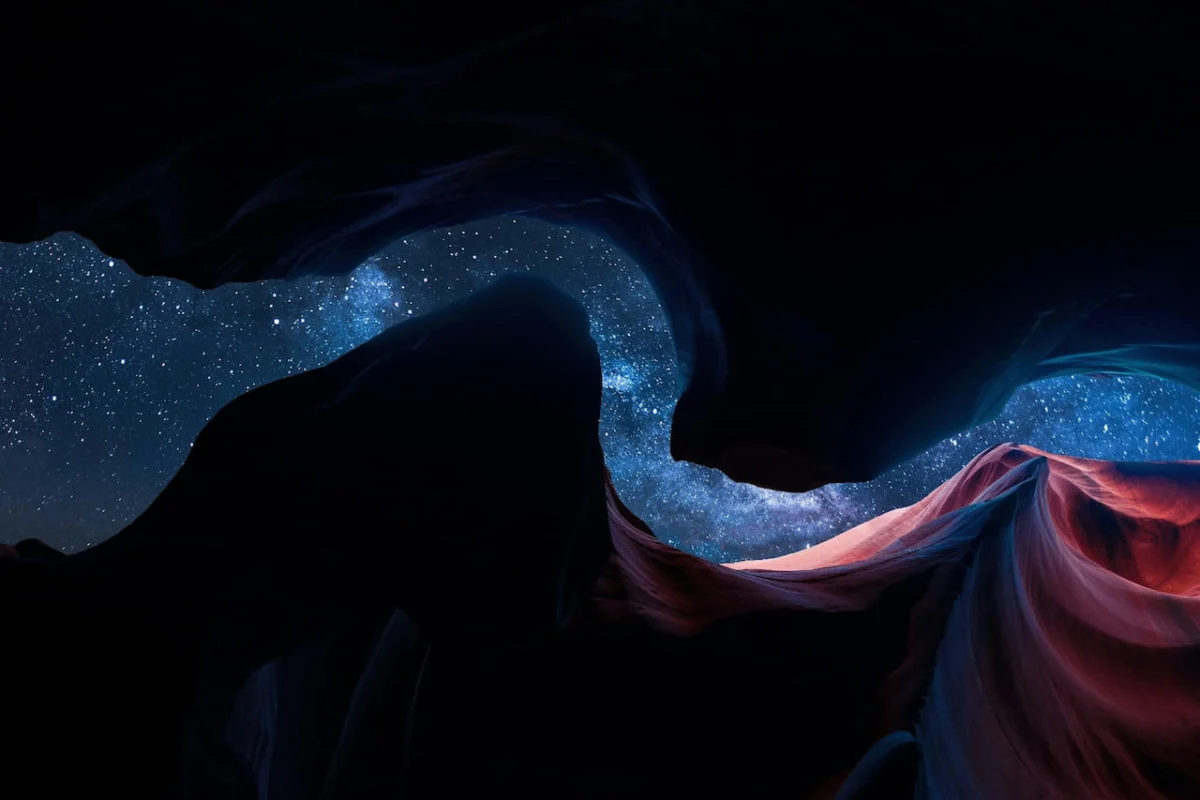
"The cosmos is within us. We are made of star stuff. We are a way for the universe to know itself." – Carl Sagan, Astronomer
"If you want to find the secrets of the universe, think in terms of energy, frequency and vibration." – Nikola Tesla (attributed), Engineer and Inventor
At the most fundamental level, the human experience, and indeed all existence, can be understood as an intricate dance of energy. This profound truth, hinted at by pioneering scientific minds like Sagan and Tesla, has been a cornerstone of ancient spiritual traditions for millennia. From the intricate systems of prana in Indian yoga to the qi flow in Chinese medicine and the ki of Japanese spiritual practices, diverse cultures have long recognized the animating, vital force that permeates and constitutes all living things.
Despite this universal acknowledgment across historical and cultural lines, the concept of energy healing has often faced considerable skepticism in contemporary Western thought. Rooted in a "rational" and empirically-driven upbringing, many, including this author, initially dismissed such practices as esoteric "new age spirituality," believing them to hold no legitimate place in the serious, introspective journey of inner work. This dismissive stance, however, was dramatically challenged and ultimately transformed by a direct encounter with a centuries-old Japanese energy healing practice: Reiki.
This article delves into the transformative journey from deep-seated skepticism to profound belief, exploring how a singular experience with Reiki unveiled the tangible impact of energy healing on emotional well-being and personal growth. It further examines the complementary role of energy healing within the broader landscape of inner work, its potential in addressing trauma, and provides an overview of the diverse modalities available for those seeking to explore this often-misunderstood field.
A Skeptic’s Awakening: My First Encounter with Reiki
My journey into the realm of energy healing began not with a conscious quest, but with a serendipitous moment during a trip to Bali in 2016. Ubud, often revered as the spiritual heart of the Indonesian island, pulses with an energy distinct from its coastal counterparts. It was amidst the wild, humid streets of this vibrant town that a faded, unassuming sign caught my eye, offering "Reiki healing."
Having previously encountered the term "Reiki" in passing, my knowledge was limited to its status as a popular, albeit vaguely defined, energy healing method. With the luxury of time and a prevailing sense of curiosity, I found myself thinking, "What the heck, let’s try it out." As if on cue, three young women, adorned in colorful sarongs, emerged from the doorway with welcoming smiles, beckoning me inside. An older man, radiating a quiet calm, then greeted me and led me to a small, softly lit healing room.
He instructed me to lie down, and as I settled onto the mat, I closed my eyes. The healer’s hands then began to hover gently above my body, not making physical contact but maintaining a palpable presence. To be entirely frank, my initial internal monologue was laced with cynicism: I questioned whether I was merely wasting my money on an unsubstantiated ritual. Yet, an underlying openness, a willingness to be proven wrong, prompted me to attempt relaxation. As traditional Balinese music began to weave an ethereal, dreamlike atmosphere in the background, I gradually drifted into a state of profound calm.
The Unforeseen Release: A Turning Point
The session progressed peacefully, and as the hour drew to a close, I felt a deep sense of tranquility settling over me. It was at this juncture, without warning, that something utterly unexpected occurred. A sensation akin to my heart breaking open washed over me, unleashing a torrent of deep, unbidden grief. Simultaneously, a vivid visual manifested in my mind’s eye: a blood-red rose, not merely existing, but actively blossoming, its petals unfurling in a poignant display.
Overwhelmed, tears began to stream down my face, swiftly escalating into loud, unrestrained sobs. This visceral outpouring was profoundly shocking to me. Having been raised in a household that implicitly championed the "stiff upper lip" ethos, public displays of intense emotion, particularly in front of strangers, were an anomaly. The sheer intensity and suddenness of the grief were baffling. Why was I feeling this?
The Balinese Reiki healer, observing my distress with gentle understanding, calmly suggested that I had been carrying a significant amount of unresolved grief within my heart, and the Reiki was simply facilitating its release. I thanked him, leaving the session in a state of bewildered shock. My neatly ordered, rational world had been profoundly challenged, if not entirely flipped upside down. In that transformative moment, direct, undeniable experience had irrevocably shifted me from a hardened skeptic to a nascent believer.
The impact of that single session lingered, prompting further investigation and personal integration. A few years later, driven by a deeper understanding and a desire to harness this profound modality, I decided to undergo training, eventually becoming a certified Reiki Master/Teacher. The practice has since become an integral part of my daily life and approach to holistic well-being.
Energy Healing, Inner Work, and Soul Recovery
"First we have to heal our spirit. Secondly we have to keep our body healthy. If our spirit is healthy and conformed to the truth, the body will get healthy naturally. If you can’t heal yourself how can you heal others?" – Reiki Ryōhō Hikkei, a manual handed out by the Usui Reiki Ryōhō Gakkai
One of the most compelling aspects of energy healing, from the perspective of inner work, is its inherent complementary nature. It embodies the "yin" to the "yang" of self-exploration and excavation. While practices like self-love, inner child work, and shadow work demand active engagement – requiring us to dig deep, illuminate hidden aspects, and consciously integrate them (all distinctly "yang" or active processes) – energy work operates differently. It gently invites us to rest, receive, and recover, positioning it firmly within the "yin" or receptive spectrum of personal development. Both approaches, in my view, are indispensable for a truly holistic and integrated practice of inner work.
Energy healing excels at fostering a greater sense of embodiment, allowing individuals to reconnect with their physical selves and access new levels of vitality – often referred to as life force, ki, chi, or prana. Crucially, it serves as a powerful conduit for reconnecting with one’s spiritual center, the deepest essence of self, often referred to as the Soul.
Moreover, energy healing offers significant support in navigating the complex landscape of trauma. While it must be unequivocally stated that energy healing is not a substitute for conventional medical intervention or professional psychological therapy, it can act as a potent complementary tool. It assists in "discharging" some of the frozen energy that frequently becomes trapped within our bodies following experiences of mental, emotional, or physical abuse.
As psychotherapist Peter A. Levine eloquently articulates in his seminal work, Waking the Tiger: Healing Trauma, "Traumatic symptoms are not caused by the ‘triggering’ event itself. They stem from the frozen residue of energy that has not been resolved and discharged; this residue remains trapped in the nerve system where it can wreak havoc on our bodies and spirits." Energy healing, through its gentle yet profound methods, can facilitate the release of this trapped energetic residue, helping to calm an overstimulated nervous system and restore a sense of equilibrium and balance to the body and mind.
Furthermore, given the inherently spiritual nature of many forms of energy healing, they often facilitate what is termed Soul Recovery: the profound reconnection with our wise, wild, warm, welcoming, and whole Self, an essential aspect often fragmented or obscured by life’s challenges.
Understanding Energy: Three Foundational Systems
The concept of energy within the human body and its interaction with the environment has been interpreted through various lenses across cultures and historical periods. While modern science increasingly explores the bio-electrical and subtle electromagnetic fields of the body, ancient traditions offer comprehensive frameworks for understanding these unseen currents. Here are three of the most widely recognized energy systems:
-
Chakras (Hindu/Buddhist Traditions): Originating in ancient Indian texts, the chakra system describes seven primary energy centers located along the spine, from the base to the crown of the head. Each chakra is associated with specific psychological, emotional, and spiritual functions, as well as particular organs and glands. When these centers are balanced and open, energy (prana) flows freely, promoting health and well-being. Blockages or imbalances in chakras are believed to contribute to physical ailments, emotional distress, and spiritual disconnection.
-
Meridians (Traditional Chinese Medicine – TCM): Integral to TCM practices like acupuncture and Qigong, meridians are invisible pathways or channels through which qi (life force energy) circulates throughout the body. There are twelve main meridians, each linked to a specific organ system (e.g., Lung, Large Intestine, Stomach, Spleen, Heart, Small Intestine, Bladder, Kidney, Pericardium, Triple Warmer, Gallbladder, Liver). When qi flow is obstructed or imbalanced within these meridians, health issues arise. Energy healing modalities in TCM aim to restore harmonious qi flow.
-
The Aura / Biofield: The concept of an aura, or biofield, suggests that the human body is surrounded by a subtle energy field that extends beyond the physical form. This field is often described as comprising multiple layers, each corresponding to different aspects of our being (physical, emotional, mental, spiritual). Various energy healing practices aim to sense, cleanse, and rebalance disturbances within this biofield, believing that such interventions can positively impact physical and psychological health. While scientific measurement of the aura remains challenging, concepts like the biofield are gaining traction in integrative medicine research.
These systems, while distinct in their mapping and terminology, share a common premise: that the human body is more than just its physical components; it is an intricate, dynamic energetic system, and disturbances in this system manifest as imbalances in health and well-being.
Navigating "Negative Energy" and "Low Vibrations" Responsibly
In the discourse surrounding energy healing, terms like "negative energy" and "low vibrations" are frequently used. It is crucial, however, to approach these concepts with discernment, avoiding the pitfalls of toxic positivity and spiritual bypassing that can sometimes emerge within this field.
It’s okay to be "low vibe" and carry negative energy. We are all human. Life is replete with challenges, losses, and moments of profound struggle. Shaming ourselves or others for experiencing difficult emotions is counterproductive and harmful. The objective of energy healing is not to suppress or deny these experiences but to offer pathways for transformation.
While consciously exploring the darkness – as exemplified by the practice of shadow work, which involves confronting and integrating repressed aspects of the self – is an essential component of healing, there is a fundamental difference between purposeful exploration and prolonged wallowing. Energy healing provides a gentle yet powerful means to shift out of debilitating states if we are open to its influence.
Emotions such as shame, hatred, jealousy, anxiety, insecurity, and bitterness are all manifestations of constricted or discordant energy states. Energy healing can provide a mechanism to gently release these constrictions, inviting in their place states of greater peace, balance, and compassion. It helps to clear the energetic pathways, allowing for a more harmonious flow of life force. For those seeking further guidance on navigating these shifts, resources on identifying low or high-vibration signs and effective strategies for dealing with negative energy can be invaluable tools.
Embarking on Your Energy Healing Journey
"I believe the energy in our bodies is in contact and interacts with the energy around us in the world and in the universe. We are not an isolated phenomenon." – Alexander Lowen, M.D., Bioenergetics
Energy healing is a vast and multifaceted field, spanning centuries and diverse global cultures. For a newcomer, the sheer breadth of options can be overwhelming. The most effective starting point is often to "pull on whatever threads call to you." For this author, it was Reiki, not only for its healing capabilities but also for its profound spiritual path of development. Your personal resonance might lead you in a different direction.
Here are some of the most common forms of energy healing available today, categorized by their primary approach:
Hands-On / Bodywork-Based
These modalities often involve a practitioner using their hands to channel or manipulate energy, sometimes with light touch, sometimes with hands hovering above the body.
- Reiki: A Japanese technique for stress reduction and relaxation that also promotes healing. It is administered by "laying on hands" and is based on the idea that an unseen "life force energy" flows through us.
- Therapeutic Touch: A contemporary interpretation of ancient healing practices, involving the conscious use of hands to facilitate the healing process.
- Polarity Therapy: A holistic system developed by Dr. Randolph Stone, based on the principle of a universal energy field and the subtle anatomy of the human body.
- Acupressure: An ancient Chinese healing art that uses finger pressure on specific points on the body to stimulate the body’s natural self-curative abilities.
- Reflexology: A complementary therapy involving application of pressure to specific points on the feet, hands, or ears that are believed to correspond to organs and systems in the body.
- Craniosacral Therapy: A gentle, hands-on method of evaluating and enhancing the functioning of the craniosacral system – the membranes and cerebrospinal fluid that surround and protect the brain and spinal cord.
Movement-Based
These practices integrate physical movement with mindful awareness to cultivate and direct energy.
- Qigong: A traditional Chinese mind-body practice that involves slow, flowing movements, deep rhythmic breathing, and meditative states.
- Tai Chi: A martial art often practiced for its health benefits, combining slow, deliberate movements, meditation, and breathing exercises.
- Yoga: An ancient Indian practice encompassing physical postures (asanas), breathing techniques (pranayama), and meditation to unite mind, body, and spirit.
- Ecstatic Dance / 5Rhythms: Free-form movement practices that encourage participants to move spontaneously and without judgment, often to music, to release emotional blockages and connect with their inner self.
Needle/Pressure-Based
These therapies involve stimulating specific points on the body, often with needles or targeted pressure, to influence energy flow.
- Acupuncture: A key component of TCM, involving the insertion of thin needles into specific points on the body to balance qi flow along meridians.
- Dry Needling: A modern Western technique similar to acupuncture, used to relieve muscle pain and stiffness, primarily targeting trigger points.
- Cupping: An ancient form of alternative medicine in which a therapist puts special cups on your skin for a few minutes to create suction, helping with pain, inflammation, blood flow, relaxation, and well-being.
Sound & Vibration-Based
These modalities use auditory and vibrational frequencies to facilitate healing.
- Sound Healing (Singing Bowls, Gongs, Tuning Forks): Uses specific frequencies, tones, and vibrations to promote relaxation, reduce stress, and restore energetic balance.
- Mantra/Chanting: Repetitive vocalization of sacred sounds or phrases to induce meditative states, alter brainwave patterns, and affect energy fields.
Others
A diverse category of practices that use various tools and techniques to influence energy.
- Crystal Healing: Utilizes the purported energetic properties of crystals and gemstones to facilitate healing and balance.
- Aromatherapy: Employs essential oils extracted from plants for therapeutic purposes, often influencing mood and energy through scent and absorption.
- Pranic Healing: A no-touch energy healing system that utilizes prana (life energy) to heal the entire physical body.
- EFT (Emotional Freedom Technique): Often called "tapping," this technique involves tapping on specific meridian points while focusing on a specific issue to release emotional blockages.
Just something important to keep in mind: many of these forms of energy healing currently lack extensive, widely accepted clinical proof or solid scientific backing according to conventional Western medical standards. Therefore, if scientific validation is paramount to your decision-making, thorough research into specific modalities is advisable. However, it is also important to acknowledge that there are inherent limits to what current scientific paradigms can fully explain or measure. Not everything that impacts human experience can be neatly quantified by logic and empirical data. Therefore, approaching energy healing with a healthy dose of both skepticism and openness – as this author did – can yield unexpected and profound results.
For those looking for a practical starting point, The Little Book of Energy Medicine by Donna Eden and Dondi Dahlin offers an accessible introduction to balancing the body’s energies. Additionally, self-assessment tools, such as tests to determine which of your chakras might be out of balance, can provide insightful starting points for personal exploration.
In a world often defined by relentless activity and pervasive chaos, energy healing emerges as a vital practice that allows us to rest, receive, and recover our souls. It offers a "yin" or receptive form of inner work, gently inviting us to release accumulated pain and consciously tune into the source of all vitality: the universal Spirit or Divine Consciousness.
This field, by its very nature, demands a delicate balance of critical thinking and open-minded curiosity. Like this author, you may initially harbor deep skepticism towards the concept of "healing energy," yet find yourself profoundly impacted by a shocking or unexpected experience that undeniably demonstrates the existence and efficacy of such phenomena.
The journey into energy healing is deeply personal. What has been your experience? I invite you to share your stories and insights below.