
The Unveiling of "So This Is Love": Reena Wu’s Evocative Exploration of Relationship Dissolution
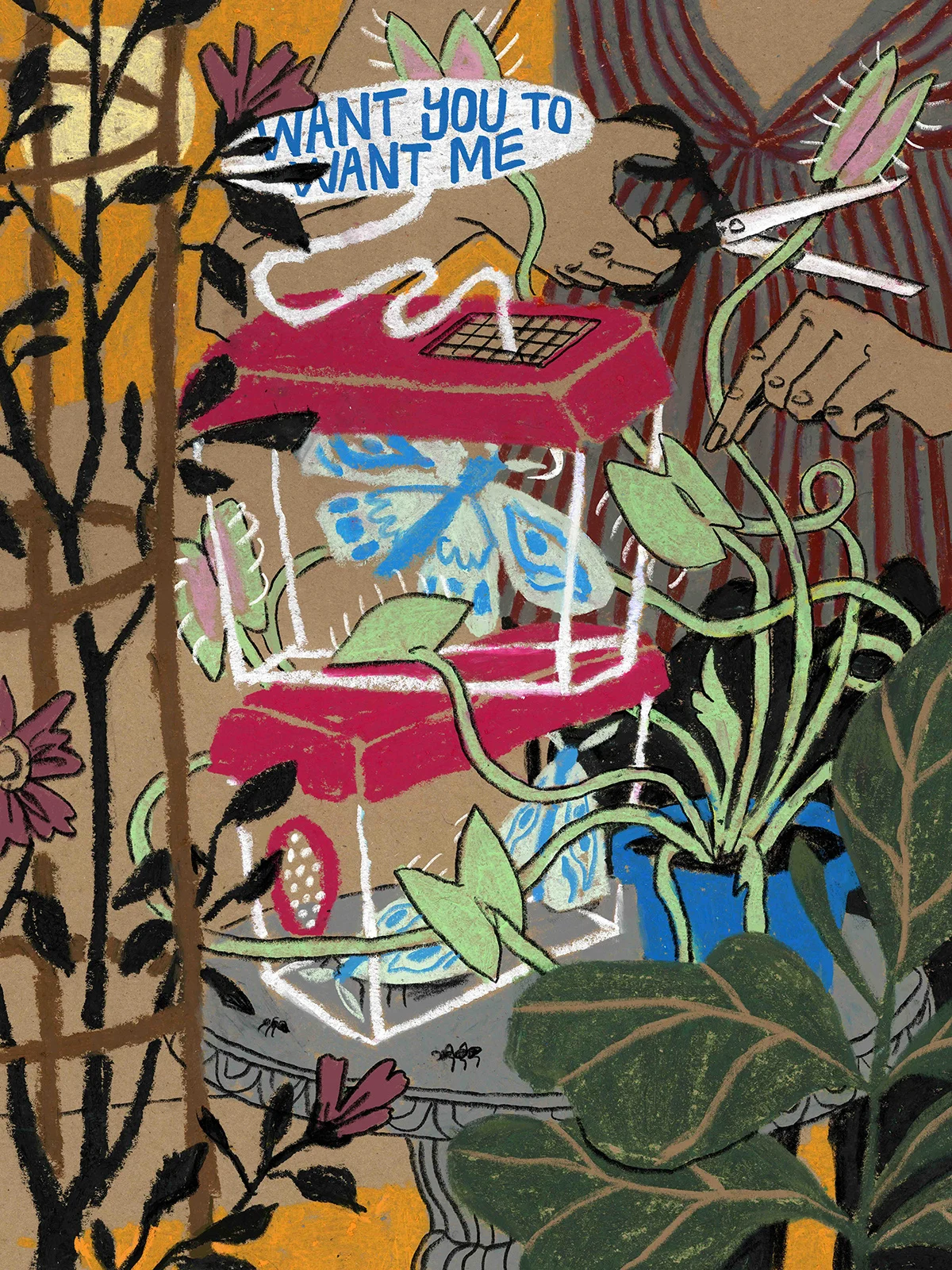
New York, NY – May 22, 2026 – In a poignant and visually arresting exhibition, Chinese-Canadian artist Reena Wu has unveiled her latest six-piece series, "So This Is Love." Currently captivating audiences, the collection delves into the often-uncomfortable terrain of acknowledging unpleasant realities within unhealthy relationships. Wu, a licensed tattoo artist and MFA Illustration graduate from the prestigious School of Visual Arts, leverages her unique artistic voice to confront the subtle yet devastating process of overlooking truth and the subsequent, often jarring, clarity that follows.
Based in the vibrant artistic hub of Queens, New York, Wu’s work is characterized by its seamless fusion of the quotidian with the subtly surreal. "So This Is Love" exemplifies this signature style, presenting viewers with familiar scenarios twisted by an unsettling, dreamlike quality. The series is not merely a depiction of heartbreak; it is a profound psychological exploration of denial, self-deception, and the arduous journey toward self-awareness.
The Core of the Conflict: Idealism Versus Realism
At the heart of "So This Is Love" lies a profound exploration of the internal discord that arises when idealism clashes with realism. Wu articulates this tension as a schism within the self, where one part clings to cherished notions and desires, while another grapples with observable, often painful, truths. This internal battleground is rendered visually through recurring motifs that underscore the fragility of perception and the inevitable confrontation with reality.
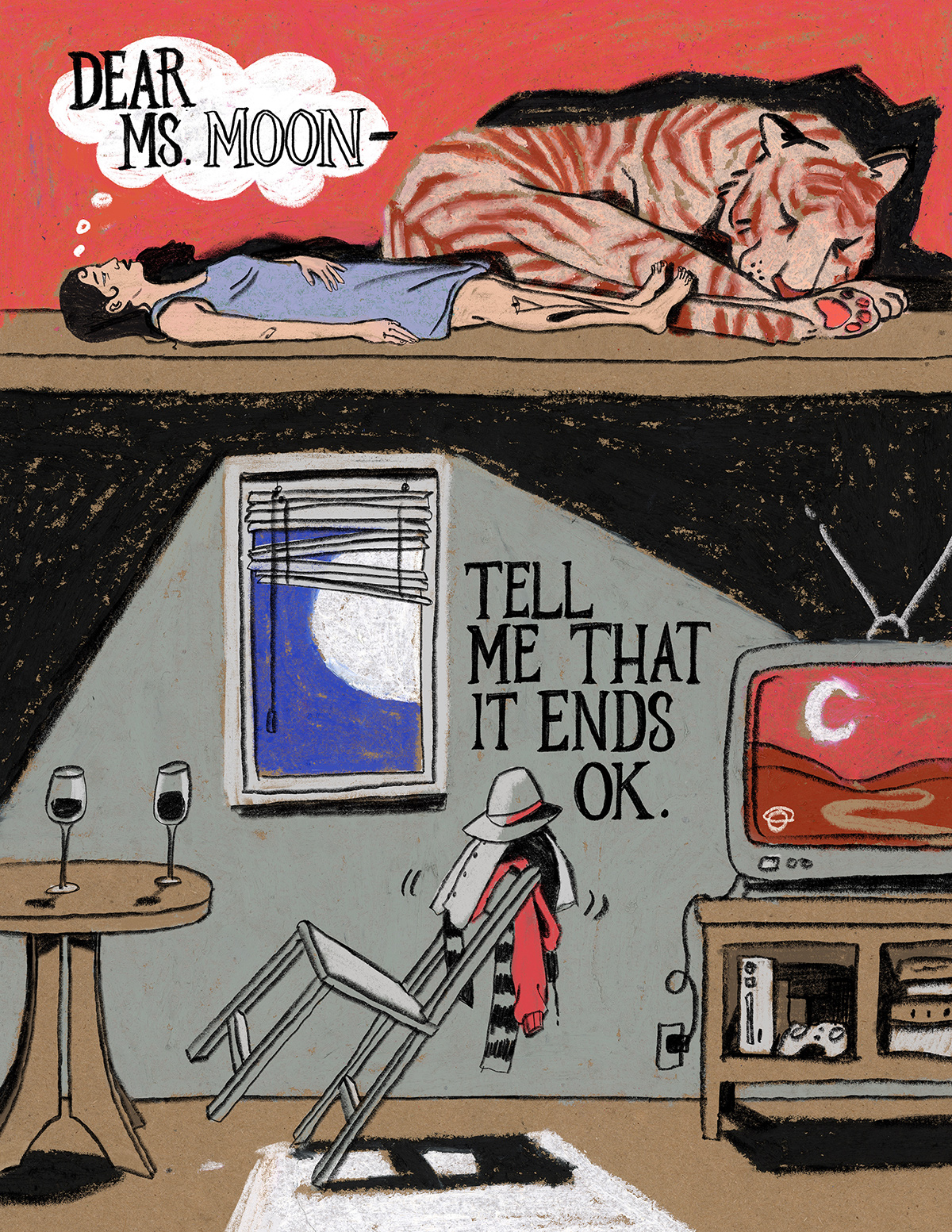
"The series is an exploration of that tension that occurs when there is a disconnect between what feels like two parts of yourself (i.e. the idealist and the realist)," Wu explains in a statement accompanying the exhibition. "As such, doubles, shadow selves, and either the tipping point, or the aftermath of a fall repeat throughout the collection. The surreal imagery of the series is used to amplify these uncomfortable feelings."
This deliberate use of surrealism is not gratuitous; it serves as a powerful amplifier for the emotional weight of the subject matter. By distorting reality, Wu mirrors the psychological distortion that occurs when individuals are caught in the throes of an unhealthy dynamic. The familiar becomes strange, the comfortable becomes unsettling, and the viewer is invited to experience the disquietude of recognizing a truth that has been systematically ignored.
A Chronology of Disillusionment: Visualizing the Stages of Denial
While "So This Is Love" is a cohesive series, it can be interpreted as tracing a subtle chronological progression through the stages of relationship disillusionment. The initial pieces might depict scenes of apparent normalcy, subtly tinged with an undercurrent of unease. These works could represent the early stages of denial, where red flags are dismissed or rationalized away. The viewer might recognize the comfortable facade of a relationship, yet sense the cracks forming beneath the surface.
As the series progresses, the surreal elements become more pronounced, mirroring the growing internal conflict. The recurring motif of "doubles" and "shadow selves" suggests a fracturing of identity, where the artist’s projected ideal of the relationship begins to diverge starkly from its lived reality. These visual metaphors speak to the feeling of being a stranger to oneself, or of seeing a distorted reflection of a partner that bears little resemblance to the person one once believed them to be.
The concept of the "tipping point" or "the aftermath of a fall" is crucial to understanding the series’ narrative arc. Wu’s artwork masterfully captures that precarious moment when denial can no longer hold, and the weight of reality descends. This could be depicted through imagery of precarious balance, collapsing structures, or figures caught in a moment of unexpected descent. The "aftermath of a fall" then speaks to the raw vulnerability and disorientation that follows the shattering of illusions, a period of reckoning with the consequences of prolonged self-deception.
Supporting Data: The Psychological Underpinnings of Unhealthy Relationships
Reena Wu’s artistic exploration of "So This Is Love" resonates deeply with established psychological research on unhealthy relationships and cognitive dissonance. The phenomenon of overlooking obvious truths is a hallmark of dysfunctional dynamics, often fueled by a complex interplay of emotional investment, fear of change, and a desire to maintain the status quo.
Cognitive Dissonance: This psychological theory, developed by Leon Festinger, describes the mental discomfort experienced by a person who holds two or more contradictory beliefs, ideas, or values, or is confronted by new information that conflicts with existing beliefs, ideas, or values. In the context of unhealthy relationships, individuals may experience cognitive dissonance when their belief that they are in a loving partnership conflicts with evidence of mistreatment or unhappiness. To reduce this discomfort, they may downplay the negative aspects, rationalize their partner’s behavior, or even blame themselves. Wu’s surreal imagery can be seen as a visual manifestation of this internal struggle to reconcile conflicting realities.
Attachment Styles and Relationship Maintenance: Research on attachment styles suggests that individuals with certain insecure attachment patterns (anxious-preoccupied or fearful-avoidant) may be more prone to staying in unhealthy relationships. Their desire for connection, or their fear of abandonment, can override their recognition of harmful dynamics. The "sinking feeling of finally seeing things clearly" that Wu describes can be particularly acute for these individuals, as it forces them to confront the potential loss of a relationship that, despite its flaws, may have been their primary source of perceived security.
Gaslighting and Emotional Manipulation: While not explicitly stated as a focus, the themes of overlooking obvious truths can be intimately linked to experiences of gaslighting and emotional manipulation. When a partner systematically distorts reality or denies an individual’s perceptions, it can erode their self-trust and make it incredibly difficult to discern objective truth. Wu’s surrealist approach might implicitly capture the disorienting and isolating effects of such manipulation, where the familiar world of the relationship becomes a distorted landscape.
The "sinking feeling of finally seeing things clearly" is a universally understood experience, and Wu’s series taps into this shared human vulnerability. It’s the moment of dawning realization, often accompanied by a profound sense of loss for the time, energy, and emotional capital invested in a flawed reality. This clarity, while painful, is ultimately a necessary precursor to healing and growth.
Official Responses and Critical Acclaim
While "So This Is Love" is a new exhibition, early critical reception and audience engagement suggest a strong resonance with its themes. Art critics have lauded Wu’s ability to translate complex psychological states into compelling visual narratives. Her unique blend of technical skill, honed through her illustration background and tattoo artistry, and her conceptual depth, allows for a visceral and relatable experience for viewers.
"Reena Wu’s ‘So This Is Love’ is a masterclass in visual storytelling," commented art critic Eleanor Vance of The Art Review. "She doesn’t shy away from the raw, uncomfortable truths of relationship breakdown, but instead, elevates them through a surreal lens that is both haunting and deeply insightful. The recurring motifs of fractured selves and precarious balance are particularly effective in conveying the internal turmoil of disillusionment."
The series’ exploration of universal themes has also led to significant social media engagement, with viewers sharing their own interpretations and experiences that resonate with Wu’s imagery. This widespread connection underscores the timeliness and relevance of the exhibition in a contemporary cultural landscape where discussions around mental health and healthy relationships are increasingly prominent.
Implications: Towards Healing and Self-Awareness
The implications of Reena Wu’s "So This Is Love" extend beyond the confines of the art gallery. The series serves as a powerful catalyst for introspection, encouraging viewers to examine their own relationships and their capacity for self-deception. By visually articulating the pain of confronting unpleasant realities, Wu offers a form of catharsis and validation for those who have experienced similar struggles.
The exhibition implicitly advocates for the importance of self-awareness and the courage to acknowledge difficult truths, even when they are emotionally taxing. The journey from denial to clarity, though fraught with pain, is ultimately a path towards liberation and self-reclamation. Wu’s work suggests that true love, whether romantic or self-directed, requires an unwavering commitment to authenticity and an honest appraisal of one’s circumstances.
Furthermore, "So This Is Love" contributes to a broader cultural conversation about the nuances of human relationships and the psychological complexities that underpin them. By bringing these often-hidden internal struggles to the forefront, Wu empowers individuals to seek healthier connections and to prioritize their own well-being. The series is a testament to the transformative power of art to illuminate, provoke, and ultimately, to heal. As audiences continue to engage with "So This Is Love," its potent message of confronting reality and embracing self-awareness is poised to leave a lasting impact.



Leave a Comment