
The Vlogging War Reaches a Fever Pitch: Insta360 Challenges DJI’s Dominance with the New Luna Series
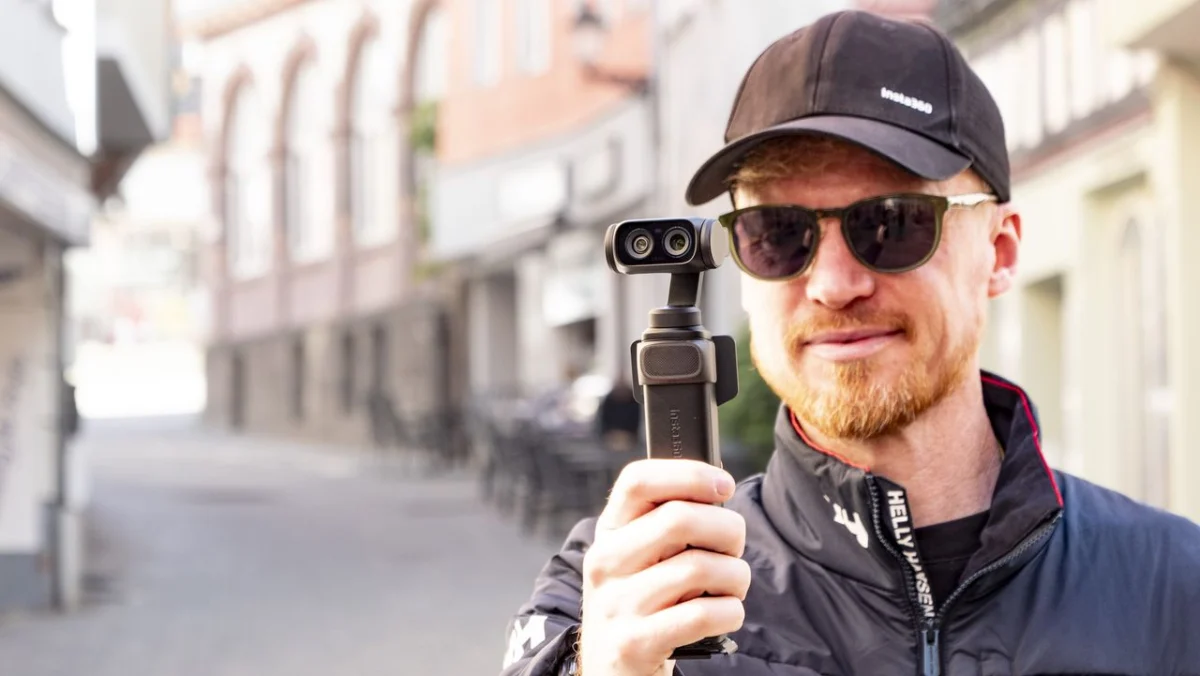
The landscape of portable cinematography is undergoing a seismic shift. For years, the handheld, gimbal-stabilized camera market has been synonymous with one name: DJI. Their Osmo Pocket series has enjoyed a near-monopoly, providing creators with a unique blend of mechanical stabilization and high-end optics that fit in a jacket pocket. However, the status quo is being aggressively challenged. Insta360, the brand that rose to fame by dominating the 360-degree camera market, has officially stepped out of its niche to launch the Luna, its first dedicated vlogging camera designed to go head-to-head with DJI’s crown jewel.
The announcement of the Luna series—comprising the Luna Pro and the dual-lens Luna Ultra—marks a pivotal moment in the "creator tech" arms race. By integrating modular hardware, large-sensor optics, and sophisticated AI tracking, Insta360 is not merely offering an alternative; it is attempting to redefine what a pocket-sized production studio can be.
Main Facts: The Luna Pro and Luna Ultra Specifications
Insta360’s entry into the gimbal camera space is a two-pronged offensive. The Luna lineup is divided into two distinct models to cater to different levels of professional needs: the Luna Pro (single-lens) and the Luna Ultra (dual-lens).
The Power of the 1-Inch Sensor
Both versions of the Luna represent a significant technical milestone for Insta360. They feature a 1-inch sensor, the largest ever integrated into an Insta360 product. This puts the Luna on equal footing with the DJI Osmo Pocket 3 and the anticipated Pocket 4. A 1-inch sensor is the "holy grail" for compact cameras, offering superior dynamic range, significantly better low-light performance, and a natural shallow depth-of-field (bokeh) that smaller smartphone sensors struggle to replicate without digital artifacts.
The Dual-Lens Innovation of the Luna Ultra
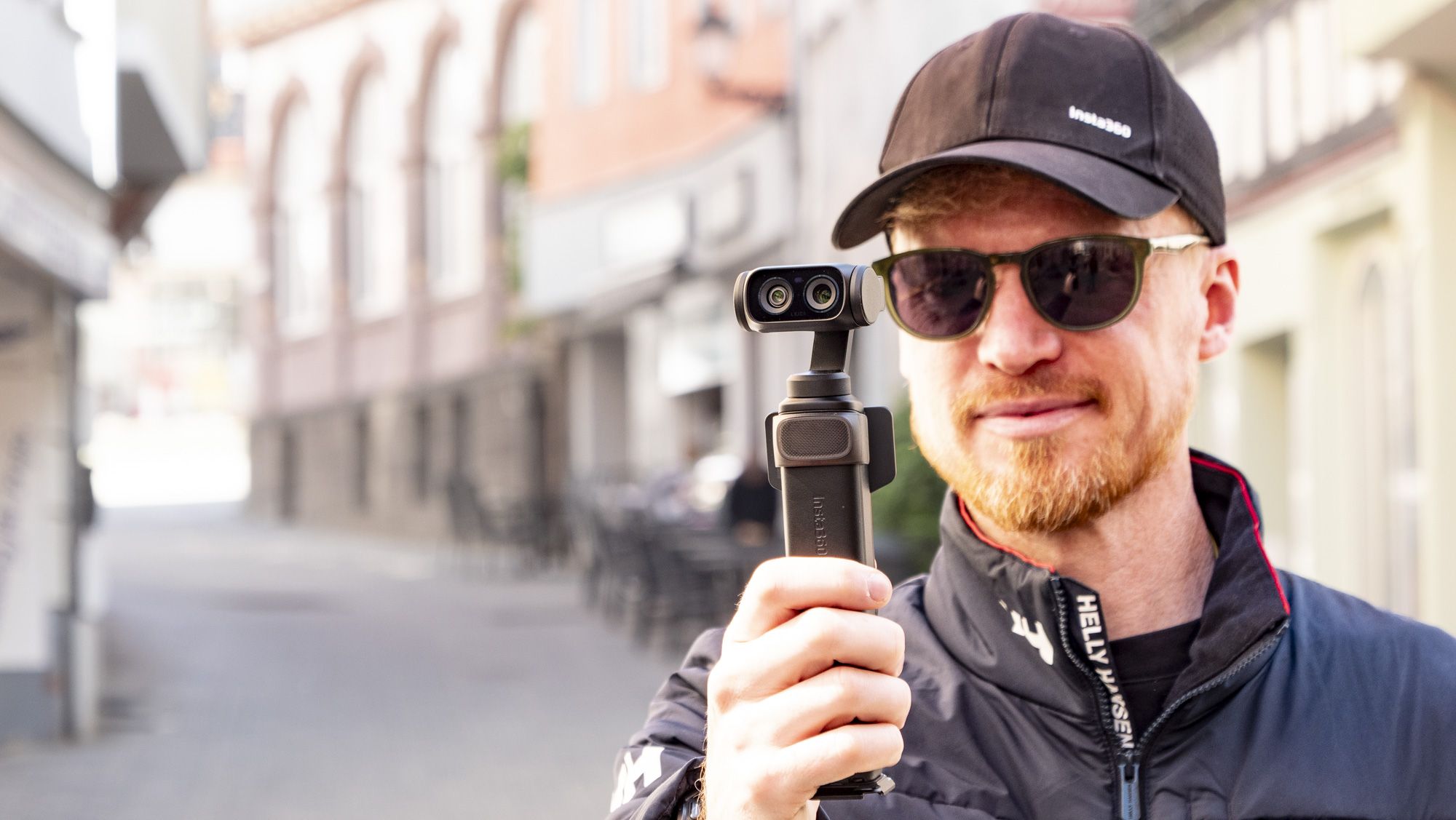
While the Luna Pro targets the standard vlogging experience with a high-quality wide-angle lens, the Luna Ultra introduces a world-first for this form factor: a dual-lens system.
- Main Camera: A wide-angle lens with an f/1.8 aperture, optimized for "walk-and-talk" vlogging and expansive scenery.
- Telephoto Camera: A 3x optical telephoto lens.
This configuration allows for a 6x lossless zoom, ensuring that creators can get close-up shots of subjects without the pixelation typically associated with digital cropping. The system supports up to a 12x digital zoom across five distinct zoom steps, providing a level of versatility previously reserved for much larger mirrorless camera setups.
Professional Video Standards
To appeal to the "pro" demographic, Insta360 has equipped the Luna series with 10-bit color depth. This allows for over a billion colors, providing the necessary data for professional color grading. Furthermore, the inclusion of an I-Log color profile ensures that filmmakers can capture maximum dynamic range, preserving details in both the brightest highlights and the deepest shadows.
Chronology: From 360-Degree Dominance to the Handheld Gimbal
To understand the significance of the Luna, one must look at the trajectory of both Insta360 and the gimbal camera market.
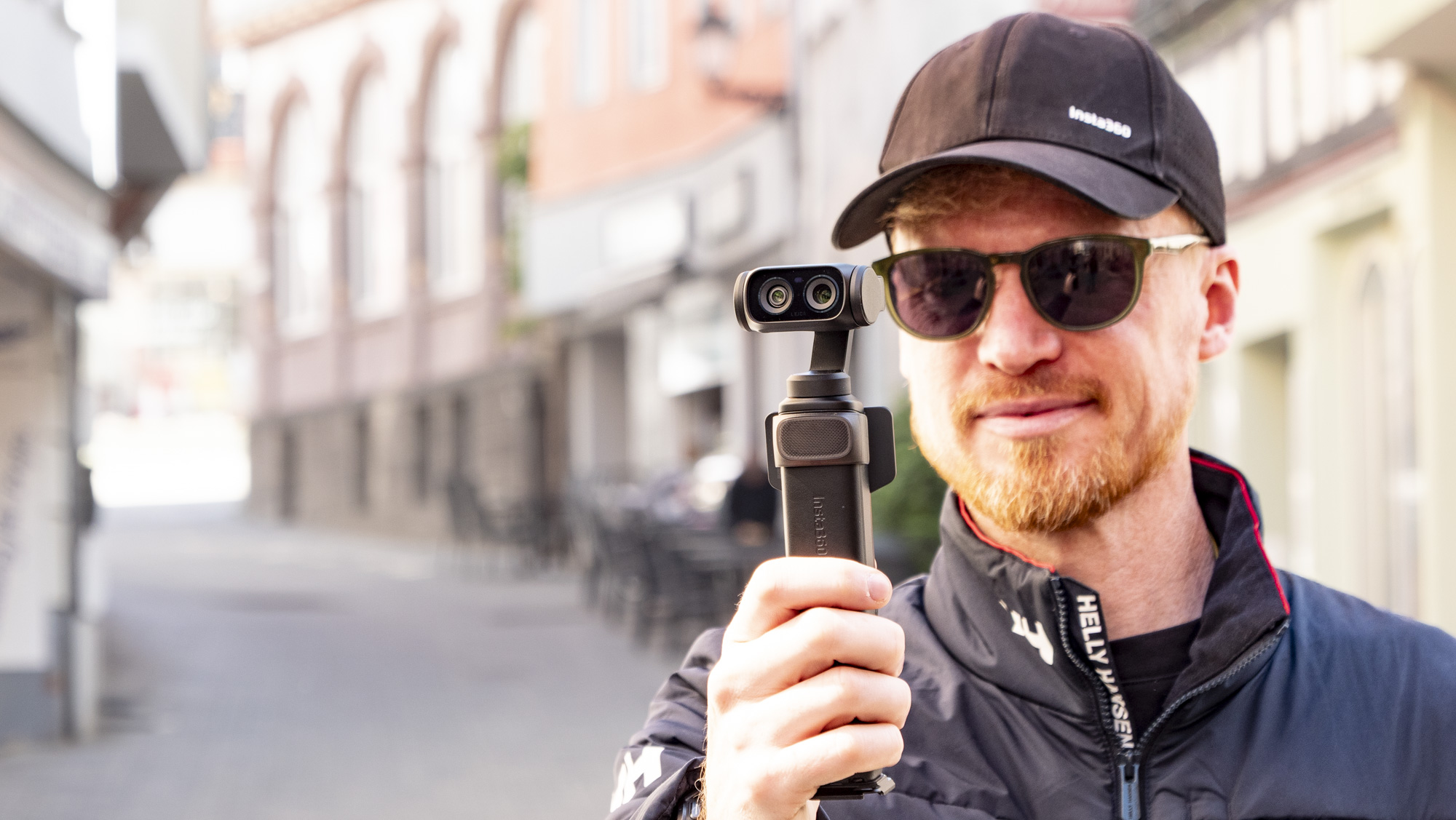
- 2018: The Birth of the Pocket Category. DJI launched the original Osmo Pocket, a device that many initially dismissed as a gimmick but which quickly became the go-to tool for YouTubers and journalists. It solved the primary issue of mobile filmmaking: shaky footage.
- 2020–2023: The Iteration Phase. DJI refined the formula with the Pocket 2 and the massive success of the Pocket 3, which introduced the 1-inch sensor and a rotating screen. During this same period, Insta360 was busy perfecting 360-degree capture (the X series) and modular action cameras (the ONE R/RS).
- Early 2024: The Strategic Pivot. Recognizing that the "vlogging" market was growing faster than the "action" or "360" markets, Insta360 began developing a dedicated gimbal-stabilized device. They realized that while their "FlowState" digital stabilization was excellent, it couldn’t fully replace the physical look of a 3-axis mechanical gimbal in professional settings.
- The Present: Insta360 launches the Luna just as rumors of the DJI Osmo Pocket 4 and 4P begin to circulate. This timing is no accident; it is a calculated move to capture market share before DJI can refresh its lineup.
Supporting Data: Market Trends and Technical Benchmarks
The stakes for this launch are incredibly high. Recent market data from Japan, a bellwether for global imaging trends, indicates that the DJI Osmo Pocket series captured a staggering 72.5% of total video camera sales in a single month following its latest release.
Why the "Ultra" Approach Matters
In the smartphone world, the transition from single-lens to multi-lens systems (Wide, Ultra-Wide, Telephoto) revolutionized mobile photography. Insta360 is betting that the same logic applies to vlogging cameras.
- Lossless Zoom Efficiency: Traditional digital zoom on a 4K sensor loses roughly 75% of its resolution when zooming in 2x. By using a dedicated 3x telephoto lens, the Luna Ultra maintains full 4K clarity at longer focal lengths.
- Stabilization Performance: The Luna features a 3-axis mechanical gimbal. Unlike electronic image stabilization (EIS) found in smartphones, mechanical stabilization does not require cropping into the frame, meaning creators get the full width of their sensor even in high-vibration environments.
The Accessory Ecosystem
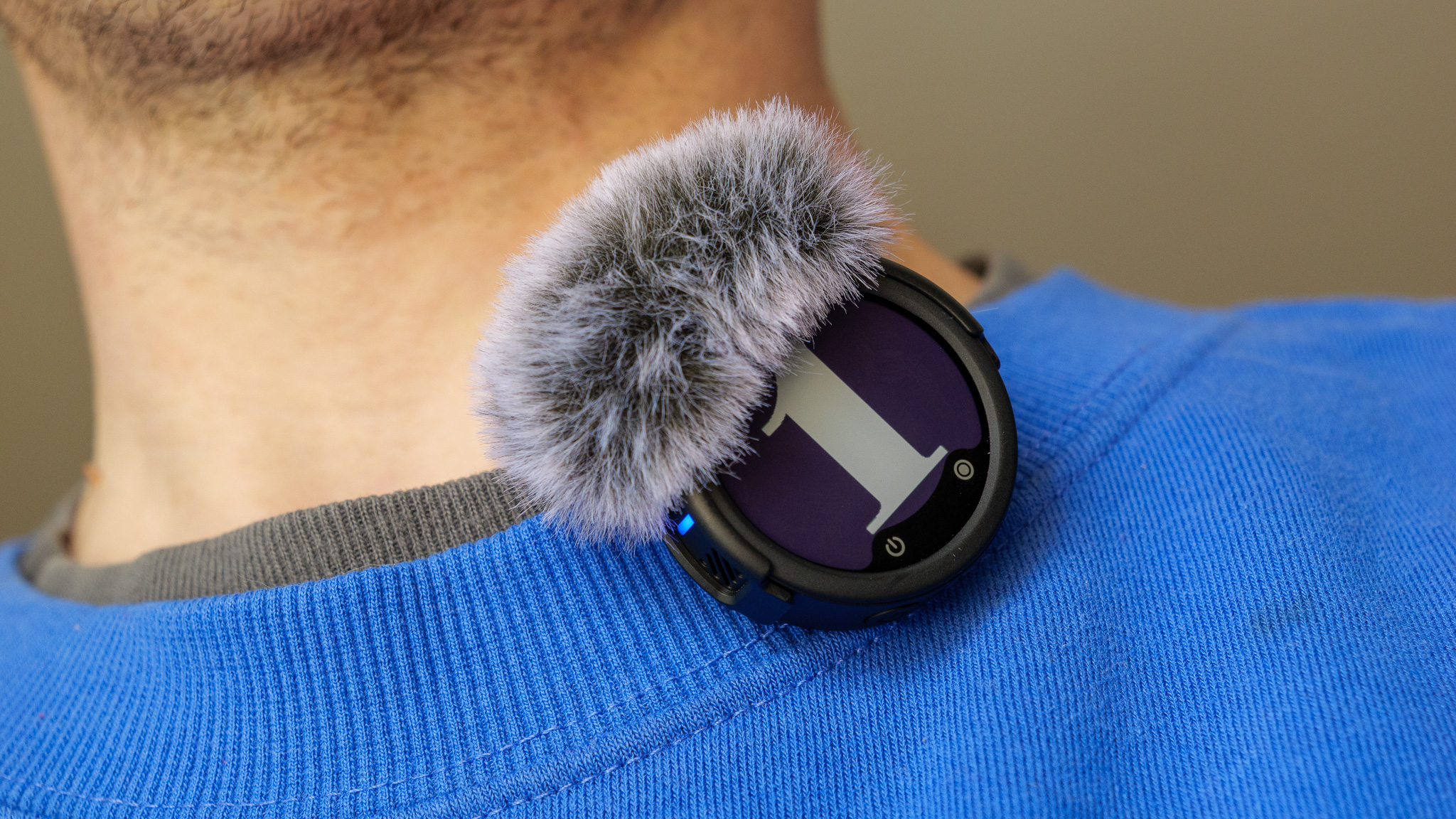
Insta360 isn’t just launching a camera; they are launching a workflow. The recent release of the Insta360 Mic Pro—which received critical acclaim for its noise cancellation and E-ink display—is designed to integrate seamlessly with the Luna. This "complete ecosystem" approach is a direct challenge to DJI’s own Mic 2 system.
Official Responses and Market Context
While DJI has not officially commented on the Luna’s launch, their recent actions speak volumes. At the Cannes Film Festival, DJI teased a "Pro" version of their upcoming hardware, likely the Osmo Pocket 4P. Industry analysts suggest that DJI’s teaser was a defensive maneuver intended to freeze the market and prevent potential buyers from switching to Insta360’s Luna.
Insta360, for its part, is leaning heavily into the "Modular" and "AI" branding. Their marketing materials emphasize that the Luna is not just a camera but a "one-person production crew."
The Removable Screen: A Game-Changer
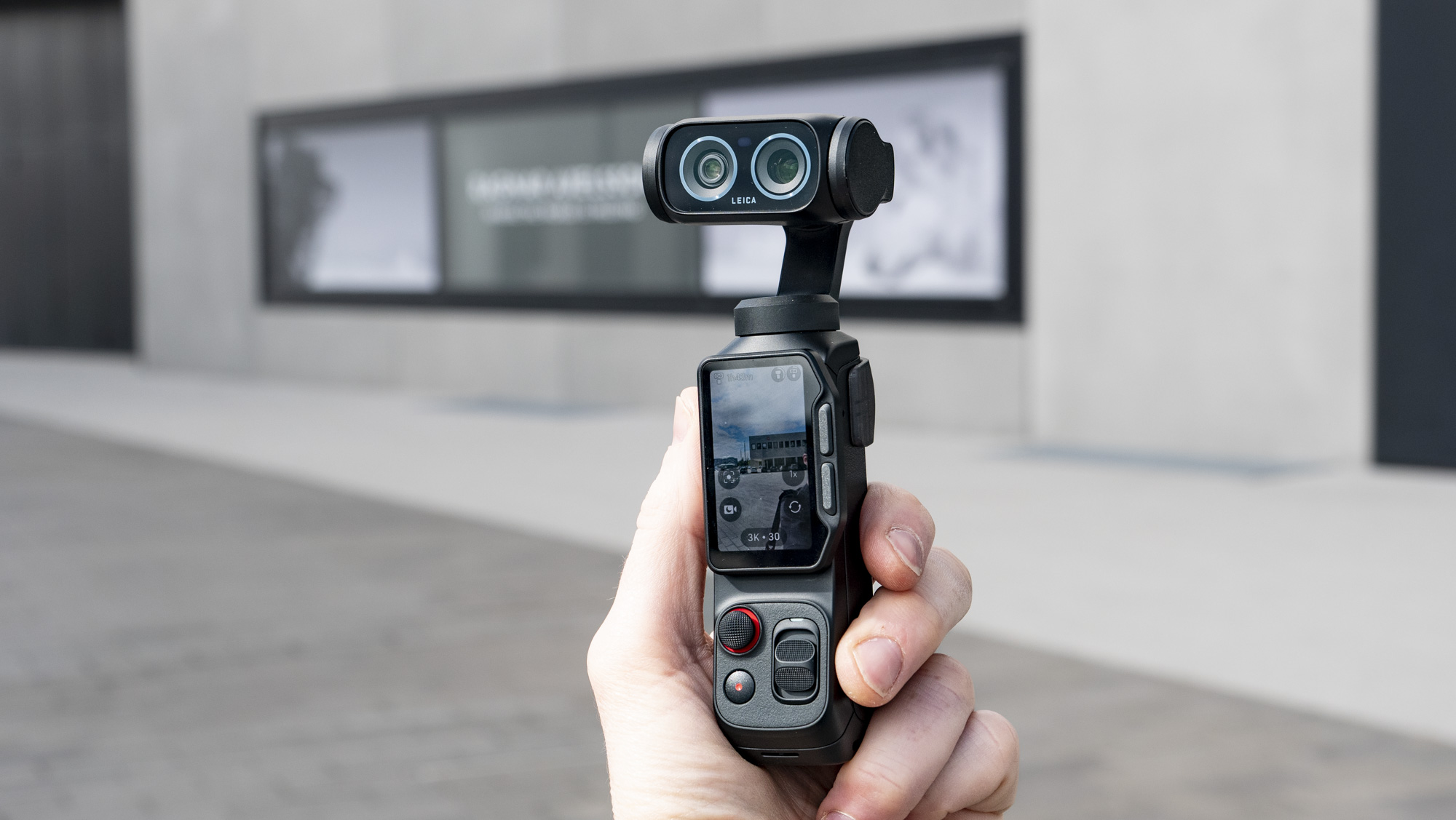
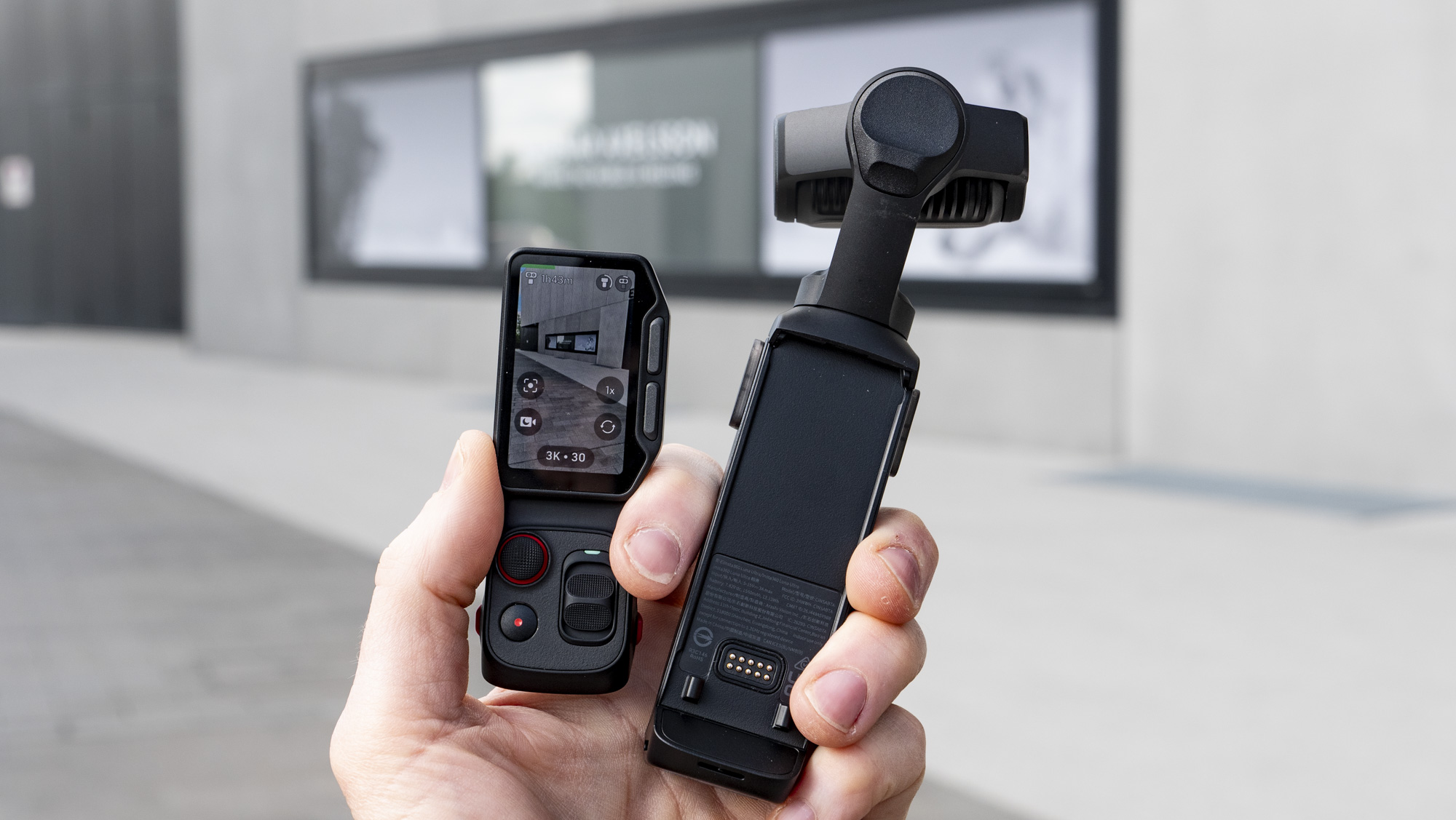
Perhaps the most discussed feature is the multi-function removable screen. By pressing two release buttons, the screen detaches from the camera body.
- Remote Monitoring: The screen remains connected wirelessly, allowing the user to see the frame even if the camera is mounted several feet away.
- Remote Control: The joystick and record buttons on the detached screen remain functional.
- Integrated Audio: Crucially, the removable screen contains its own microphone. This means a creator can place the camera on a tripod, walk 20 feet away, and still have clear audio and full control over the shot without needing a separate wireless lapel mic.
Implications: What This Means for the Future of Content Creation
The entry of the Insta360 Luna into the market has three major implications for creators and the tech industry at large.
1. The End of the Monopoly
Competition breeds innovation. For years, DJI had little reason to radically change the Pocket formula. With the Luna Ultra offering a dual-lens system and a removable screen, DJI will be forced to push the boundaries of the Pocket 4. This "feature war" ultimately benefits the consumer, who will see better technology at more competitive price points.
2. The Rise of the "One-Person Show"
The Luna’s combination of AI Subject Tracking and a removable remote screen significantly lowers the barrier to high-quality solo production. A single creator can now perform complex "tracking shots" that previously required a dedicated camera operator. By double-tapping a subject on the screen, the Luna’s gimbal will automatically pan and tilt to keep the person centered, even as they move through a crowded urban environment.
3. The Convergence of Hardware
We are seeing a convergence between action cameras, 360 cameras, and vlogging cameras. Insta360 is proving that a company doesn’t have to stay in one lane. By taking the sensor technology from their high-end action cams and the AI logic from their 360 cams and putting them into a gimbal-stabilized body, they have created a hybrid device that appeals to travelers, YouTubers, and family documentarians alike.
Conclusion: A New Era for Vlogging
The Insta360 Luna series is more than just a new product; it is a declaration of intent. By matching DJI’s sensor size and stabilization while exceeding it in modularity and lens versatility, Insta360 has positioned itself as a formidable rival.
Whether the Luna Ultra’s dual-lens system becomes the new industry standard or remains a high-end niche feature depends on real-world performance and final pricing. However, one thing is certain: the "pocket camera" market is no longer a one-horse race. As the embargoes lift and more footage emerges, creators will have a difficult—but exciting—choice to make between the established dominance of DJI and the modular innovation of Insta360.
For the modern vlogger, the "Luna" might just be the light that leads them toward a more versatile creative future.




Leave a Comment